
The rumor mill is churning faster than ever on the subject of the Google Pixel 11, expected to debut this August. I’ve been following Pixel releases and Android OS updates since the first phone launched many years ago. While there’s been quite a bit of speculation about a possible downgrade in terms of RAM and even processing speed, the pattern with each Pixel release has been more of everything – more RAM, more speed, and (especially now) more AI.
One reason for that is the fierce competition in this space. Samsung recently released a stunningly powerful, AI-enhanced smartphone, the Galaxy S26. I tested the phone extensively and found the battery life to be better than the Pixel 10 Pro by far, the AI features to be genuinely surprising and a major leap forward, and the overall speed to be phenomenal for gaming, creative work, photo and video editing, and just about everything else.
There’s also new competition. Apart from Apple’s iPhones, which still dominate the US market, even if Android phones are selling much faster in the rest of the world, TCL is an emerging contender for more niche phones like the NXTPAPER 70 Pro. I also tested that recently and the minimalistic design, matt screen, and book-reading mode (which turns the display black and white and disables most apps) are jaw-dropping and original.
There’s no question RAM has become more expensive, and there’s always a chance Google will downgrade the RAM allotment on some non-pro models. However, I have several predictions (some of my own and some gathered from other leaks and forecasts) for new and more powerful AI features, hardware updates, and Android OS tweaks on the Pixel 11.
1. AI features

Foundry
We already know Google is focusing on agentic AI, which allows you to assign to a bot tasks such as creating summary notes from Google Docs. As one example among hundreds or even thousands, you might ask AI to research a topic for school homework. You’d assign the parameters, which topics to look into, and even the timeframe. Gemini would do that work for you and report back after a few days with a summary of the findings.
On the Pixel 11, I predict this agentic approach will expand even further. We’ll be able to ask Gemini to do even more work for us that taps into the features of the phone. Here’s an example of how this could work. Let’s say you like to raise the color saturation of your photos when editing them. The Pixel 11 might let you ask Gemini to make photos more vibrant after taking photos, then post the best ones to Instagram (based on a criterion you set, like featuring smiling faces). Gemini would then edit each photo and post until you ask it to stop.
This type of interaction already exists to some extent. Gemini on the Pixel 10 Pro can create ringtones, find directions and start the nav for you, enable do not disturb, and enable battery saver mode. I believe this will evolve further, with more linked tasks.
2. Hardware changes
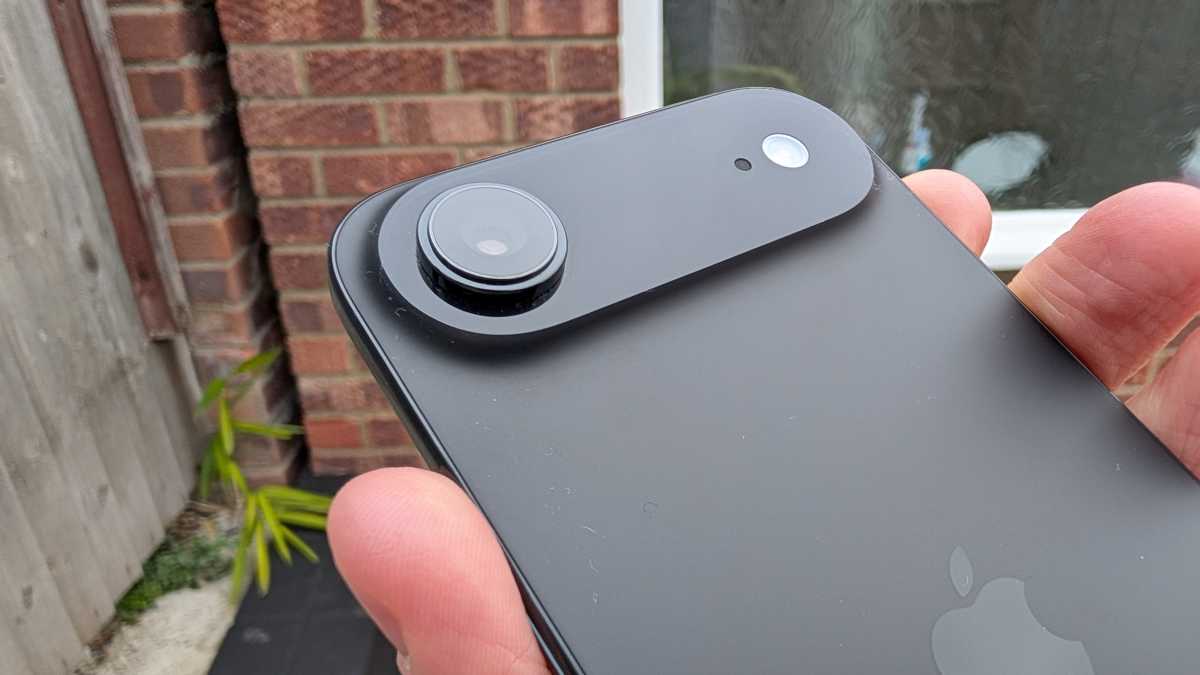
Google has some serious competition with the iPhone 17 Air
Anyron Copeman / Foundry
It’s a safe bet to say the Pixel 11 will be thinner, since that’s a pattern with phones of late. The iPhone 17 Air that came out last fall is only .22 inches thick, so I expect Google to take note of that. One prediction suggested the new model would only be only .03 inches thinner than the Pixel 10, and there’s no sign that Google is prepping a Pixel 11 Air (or similar, such as a Pixel Thin). I’m divided on whether thinner phones make sense. I like having a little heft and grip to my phone, so lighter and thinner could make the devices easier to drop. Also, it means less power, less RAM, and a less capable camera.
Rumors are flying that the Pixel 11 Pro/Pro XL/Fold could actually have less RAM than the current model, dropping to just 12GB from of the 16GB of previous models, and a base model that drops from 12GB to 8GB. The culprit is the high cost of RAM right now, but I’ll be surprised if that happens.
AI uses a lot of processing power and it needs the RAM, especially if the new model does control more features on the phone, such as camera and social media apps. Gemini itself needs memory, but if more agentic AI features are coming, we’ll need the RAM for those linked, AI-controlled tasks.
A leak about the processor seems to indicate that the Pixel 11 will use the Tensor G6 processor and add a few new sensors for the camera. Local storage will likely bump up to 256GB.
3. Android tweaks
Credit: Google
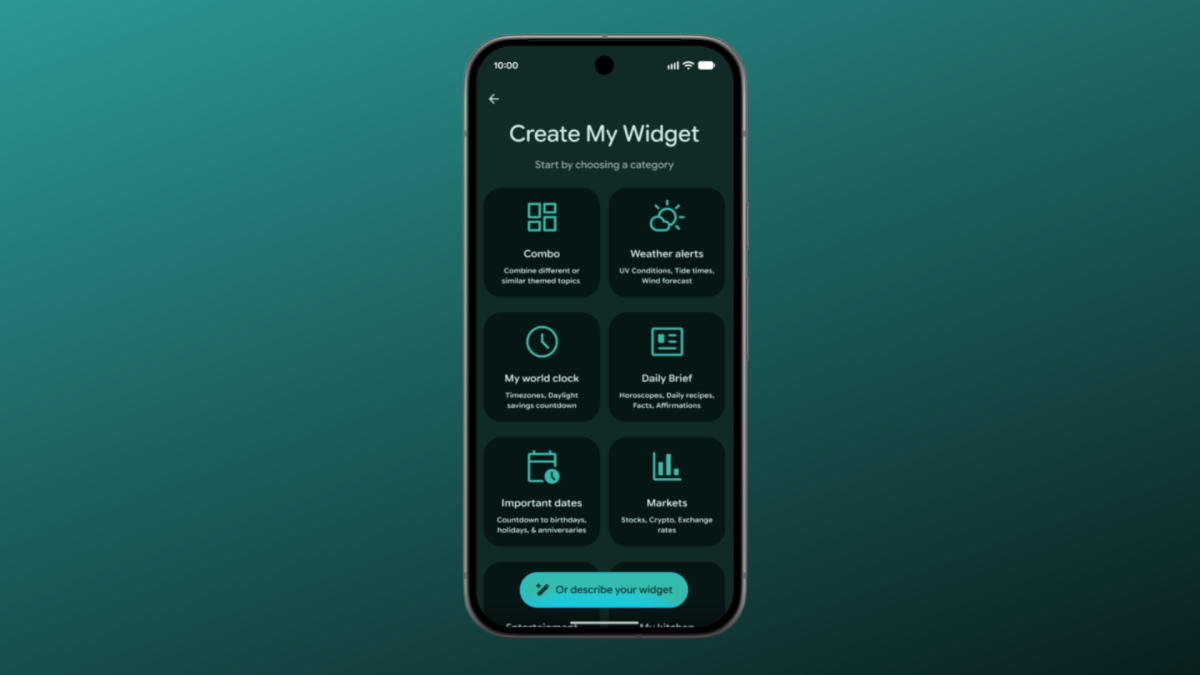
Over the last year, I’ve tracked the Android drops closely. These are the regular software updates that offer several new and powerful features to make your smartphone even more useful. It’s a way to keep pace with innovation and improve Android without doing a full release. The latest release includes a comfort mode that’s easier on the eyes, new icons and themes, and a “try it on” feature for shopping.
We already know the Pixel 11 will be the first phone to use Android 17, and Google has announced several features related to video stabilization and other pro video updates. My favorite new feature is called Pause Point, which introduces a wellbeing feature that forces you to take a breather when you use certain apps (looking at you, Instagram) before you continue doomscrolling. Like any well-being feature, it’s easy to disable. However, I like that it’s a temporary pause that serves as a reminder that these apps can be addictive.