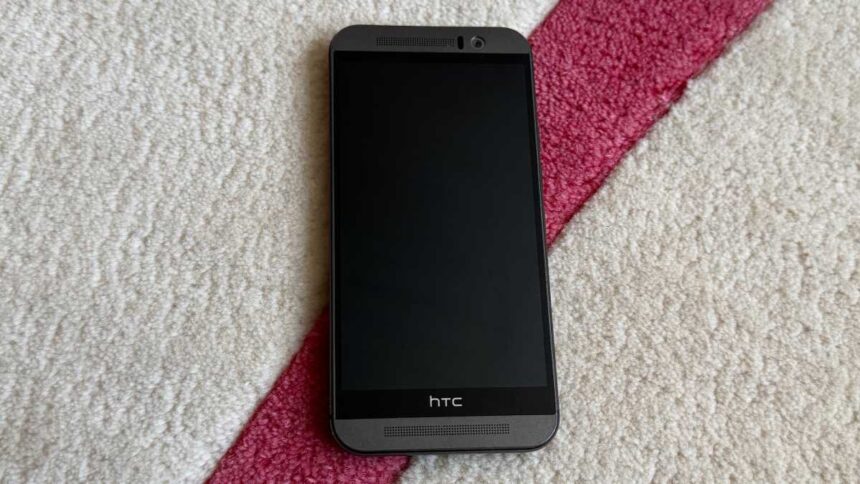
With the HTC Desire, 2010 finally saw the arrival of an Android smartphone that was on a par with the iPhone, which had been available since 2007. For a long time, I was an enthusiastic and proud owner of one such Desire until I began to feel the drawbacks of the Android world at that time and switched to the iPhone – here’s why it all went wrong.
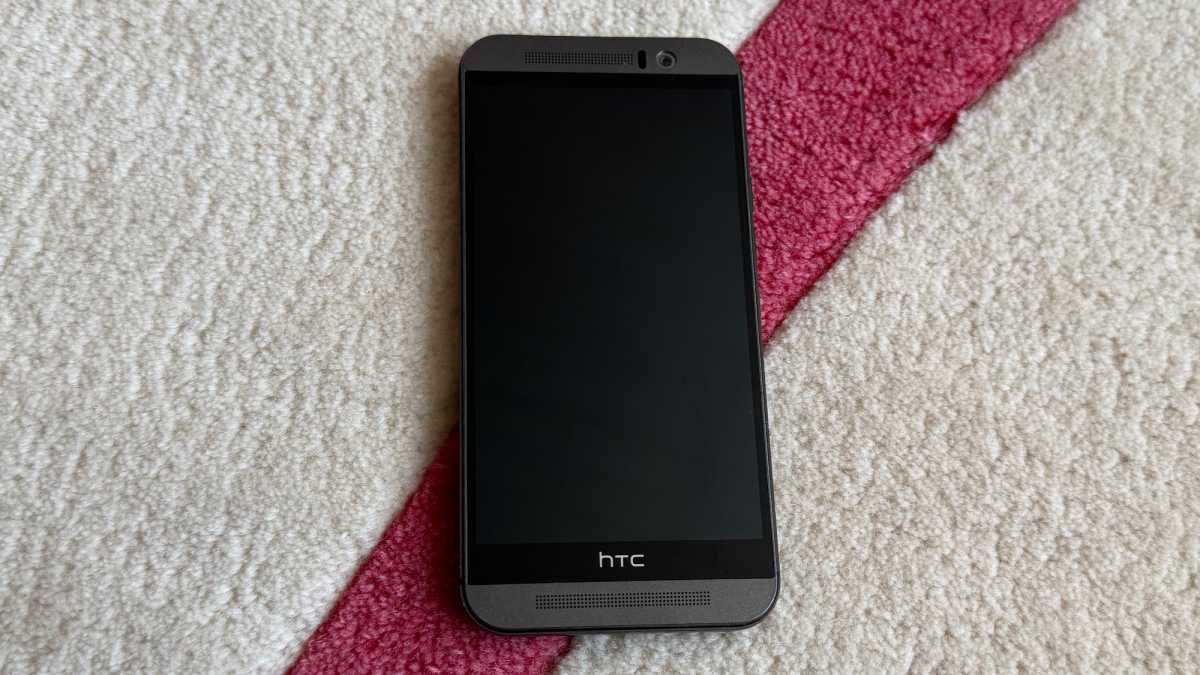
As soon as it became available in 2010, I bought the HTC Desire and picked up a few accessories to go with it: a Brodit car mount with a charging cable and a phone case. After all, my new treasure needed to be well protected, and I was using the HTC Desire with Google Maps more and more often as a replacement for my old TomTom sat-nav.
HCD
The Desire quickly became my indispensable daily companion. Admittedly, there weren’t as many apps in 2010 as there are today, and many of the existing Android apps were poorly programmed or simply awkward to use. But overall, the Android smartphone shone as a reliable and powerful workhorse. I was happy, especially as the Desire was a real pleasure to hold and felt very comfortable.
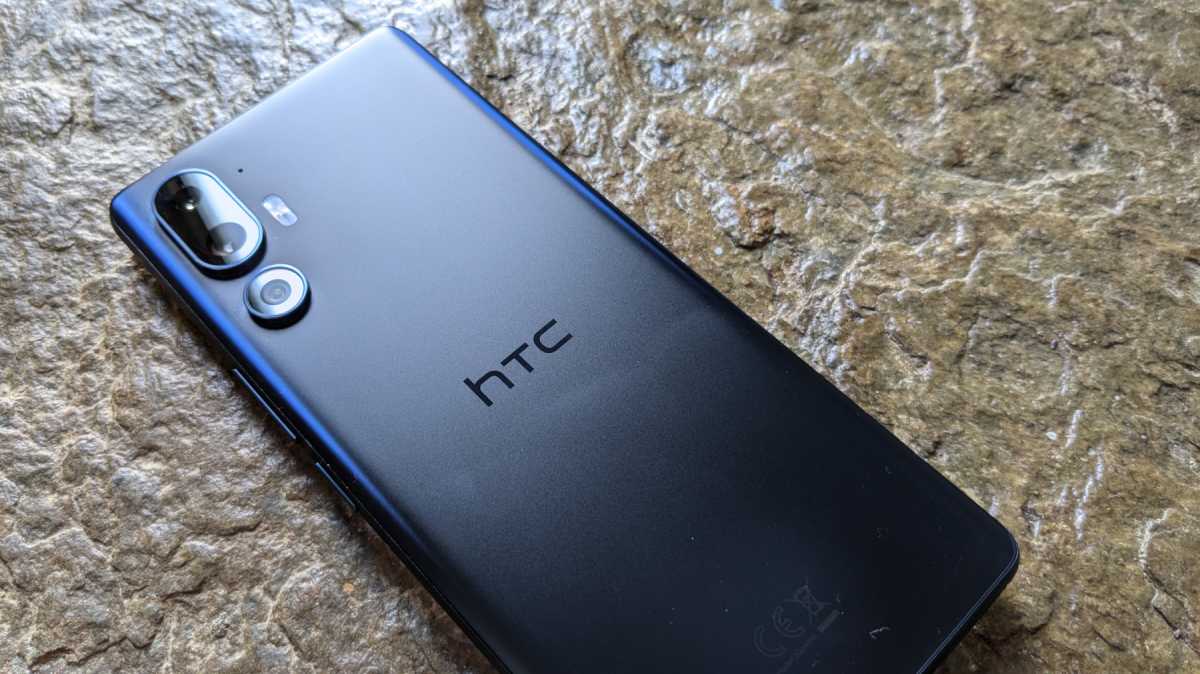
I wasn’t the only one to think this and HTC went on to make many popular Desire models over the following years, but it hasn’t launched anything since the HTC U24 Pro in 2024 (below).
Back then, I eagerly collected the best tips and tricks for Android and also shared them on YouTube. I even defended Google’s mobile operating system in a TV debate against my colleague, who was championing the iPhone (I would even have won the vote if the presenter hadn’t miscounted).
My satisfaction lasted a long time. Android 2.2 was even released for the Android 2.1 that came pre-installed on my Desire. But that was the end of it; Android 2.3 could only be installed with a great deal of fiddling. What’s more, I then had to do without some apps because the storage on the Desire was too limited. This significantly restricted its usability and suitability for everyday use. The Desire also felt increasingly slower.
Martyn Casserly
My initial enthusiasm suffered greatly as a result. More and more often, I found myself unable to install an important app, whilst my friends and colleagues on their iPhones – which were roughly the same age – could still use any app they wanted. There was never enough storage space; I was annoyed. So inevitably, the time came when I started thinking about buying a new smartphone.
Actually, I’d been very happy with the Desire for a long time. So should I buy another new HTC smartphone after all? By that point, however, HTC had let the Desire range grow out of all proportion, and the range of Desires was slowly becoming confusing. So perhaps an Android smartphone from another manufacturer after all? Perhaps a Samsung smartphone?
I already had the Galaxy Tab from Samsung – with which I was also very happy at first, until disaster struck.
But then it turned out that I could get an iPhone 5 at a bargain price. It was love at first sight. Although shaped differently, the iPhone also felt comfortable in my hand straight away – back then, Apple wasn’t yet making those gigantic bricks like they do today. And every app ran quickly and smoothly on the iPhone 5.
And it stayed that way; the iPhone didn’t get noticeably slower and updates arrived reliably fast. I never ran out of storage either. There simply weren’t any more problems.
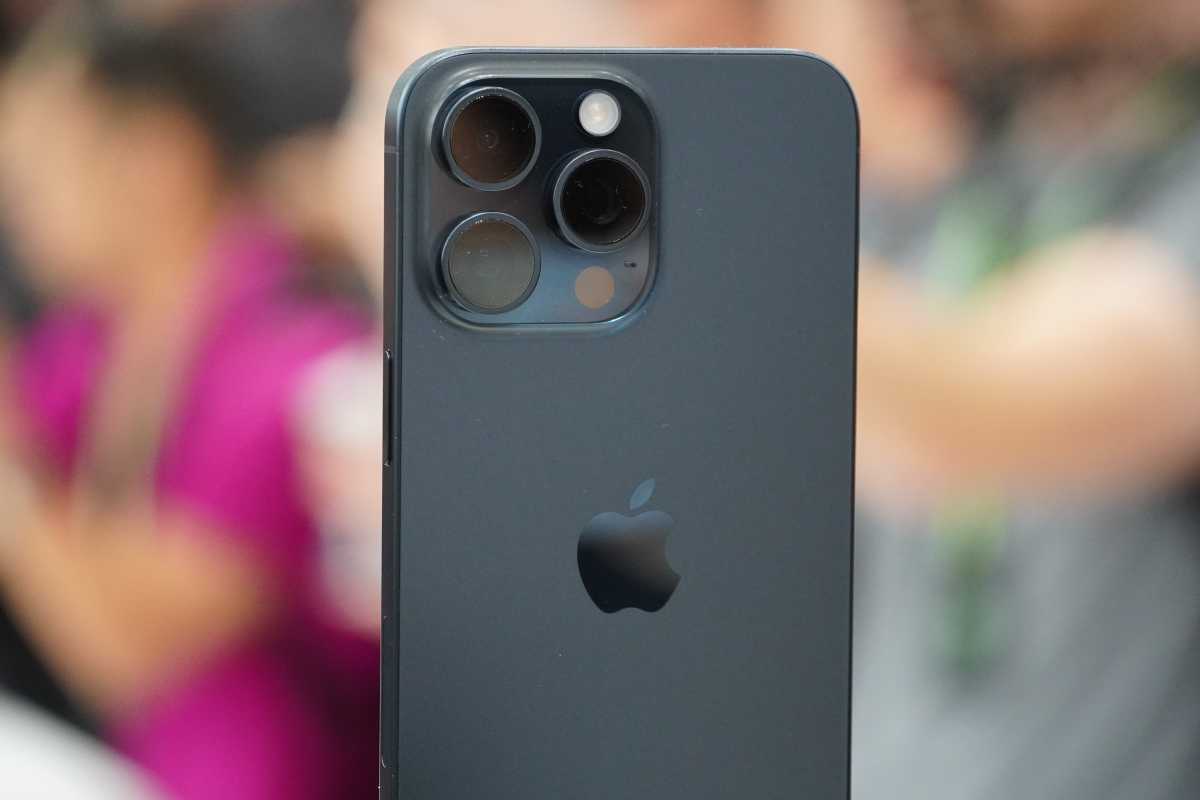
Black Titanium iPhone 15 Pro.
Jason Snell
I’ve now moved on to the iPhone 15 Pro . Every few years, out of a love of technology, I treat myself to a new model, though it’s not really necessary. All the apps always run reliably, even though the iPhone is a few years old. My wife even still uses an iPhone 12 mini – which Apple launched in 2020 – without any issues.
Of course, a lot has changed with Android in the meantime; most Android smartphones receive new Android versions for many years. But Android lost me back then – despite the impressive hardware of the first HTC Desire.
This article originally appeared on our sister publication PC-WELT and was translated and adapted from German.