Summary created by Smart Answers AI
In summary:
- Tech Advisor reports that Samsung’s Galaxy Z Fold Wide may use thicker 60μm Ultra-thin glass to reduce the common display crease issue plaguing foldable phones.
- The device appeared on FCC databases confirming advanced features including Snapdragon 8 Elite Gen 5 processor, Wi-Fi 7, and satellite connectivity capabilities.
- Samsung could adopt this improved glass technology across all book-style foldables by 2027, potentially setting new durability standards for the industry.
Fresh details concerning Samsung’s upcoming wide foldable have emerged, including exciting news regarding the display.
Samsung’s upcoming Galaxy Z Fold Wide (which may confusingly be known simply as the Galaxy Z Fold 8) has quietly cropped up on the FCC’s database. Besides offering the next best thing to an official confirmation of this brand new addition to the Samsung foldable family, the US regulatory organisation has also supplied some fresh specification details.
We get the decidedly uncontroversial confirmation that we’re dealing with a full-sized foldable device here, with both a large” and a “small” display, both of which will contain a selfie camera.
But we also get confirmation of Wi-Fi 7, NFC, UWB, DisplayPort, and NB-NTN satellite connectivity. Wireless charging and reverse wireless charging are also listed here.
The device is also confirmed to use a Qualcomm modem, which confirms that it’ll run on a Snapdragon SoC rather than Samsung’s own Exynos alternative. It better be the latest Snapdragon 8 Elite Gen 5.
Luke Baker
Fold Wide to have thicker glass
More interesting (if less verifiable) information concerning the Galaxy Z Fold Wide has emerged on ZDNet Korea.
The outlet claims that Samsung will use a different thickness of cover glass on the Wide model compared to the Z Fold 8 Ultra (the natural successor to last year’s Galaxy Z Fold 7)
The Z Fold Wide will feature a 60μm-thick form of Ultra-thin glass, while the Z Fold 8 Ultra will pack thinner 45μm UTG glass, matching its predecessor.
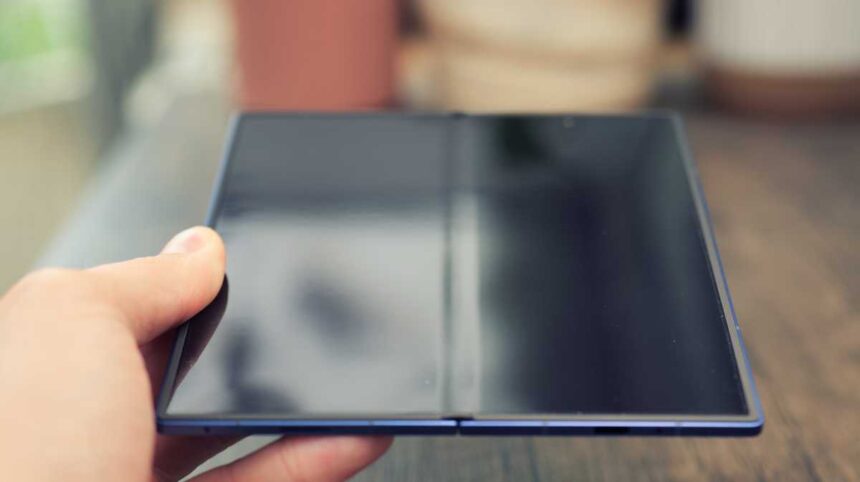
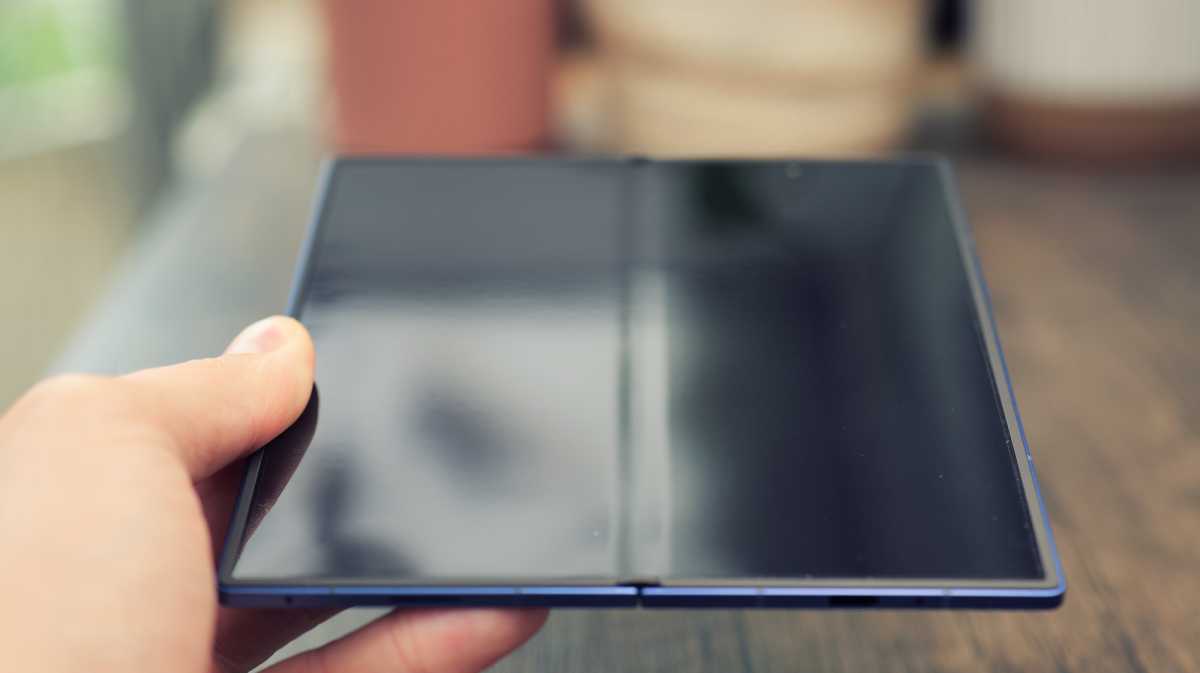
In using a thicker material, the Galaxy Z Fold Wide (or whatever it ends up being called) could feature a less noticeable display crease, which has been a constant flaw with foldable design since they first started to roll out in 2019.
Another unsolved issue is display durability, and this thicker material could well improve that – albeit with the trade-off that it’s more prone to wear and tear through repeated folding.
If the deployment is successful, Samsung could then go all in on this new, thicker material with its book-style foldable range in 2027.
Could the Z Fold Wide set a new standard for folding phones? With its launch rumoured to take place on 22 July, we don’t have long to wait to find out.