Millions of Americans are just days away from packing their bags and flying south for the winter, but the U.S. Mission to Mexico has just released a pointed security update that demands your immediate attention.
On March 2, 2026, the State Department issued a formal “Message to U.S. Citizens: Spring Break Travel.” While government agencies routinely release general safety guidelines every spring, this specific alert carries significant weight. The Embassy explicitly referenced the intense, widespread violence that erupted on February 22 following major Mexican security operations.
Before you finalize your itinerary or step foot on a plane, be sure to read the current travel advisories for Mexico before your trip to understand the exact federal guidance for your specific destination.
While the official alert confirmed that the widespread violence surrounding those late-February events has officially ended, the State Department maintains that the baseline risks of general crime remain a factor. They are urging all U.S. citizens to be highly prepared.
Here is exactly what the U.S. Embassy is warning travelers about this month, and what the real-time data says about the actual conditions on the ground.

The Federal Directives: What You Need To Know
The State Department’s sweeping alert targets several specific logistical and safety issues that catch American tourists off guard every single year.
The Strict Contraband Ban: Do not bring your vape to Mexico. It is federally illegal to bring any vaping device, e-cigarettes, pods, or e-liquid into the country. Penalties range from immediate confiscation to fines exceeding $10,000, or outright arrest. Furthermore, U.S. weapon permits are completely invalid in Mexico. Bringing firearms, ammunition, empty shell casings, or knives into the country is a serious crime that leads to lengthy imprisonment. Check every pocket of your luggage before heading to the airport.
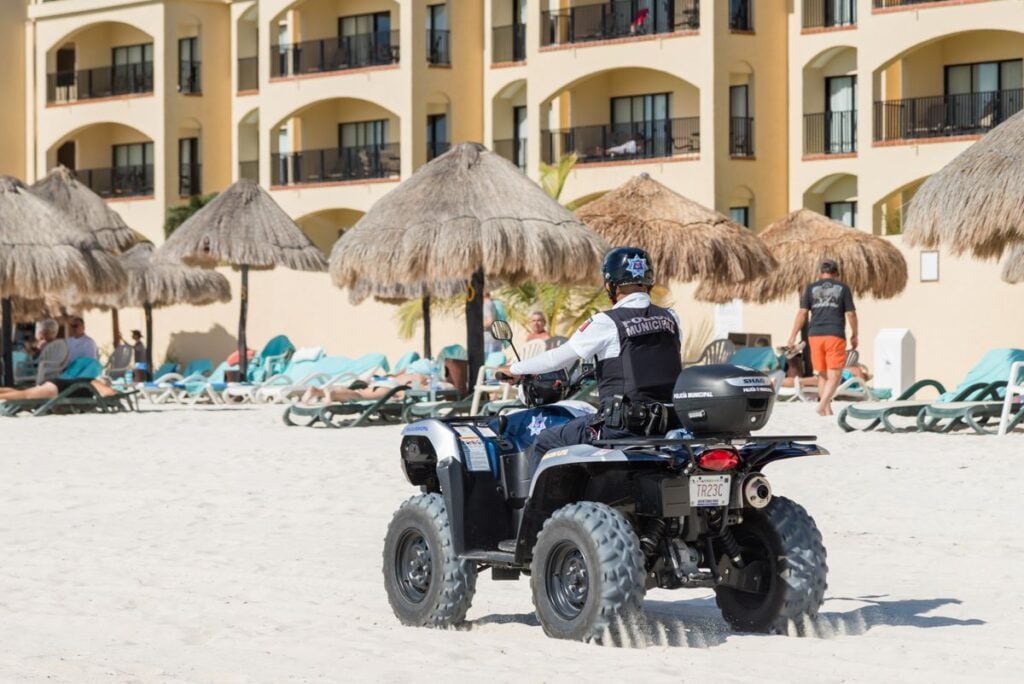
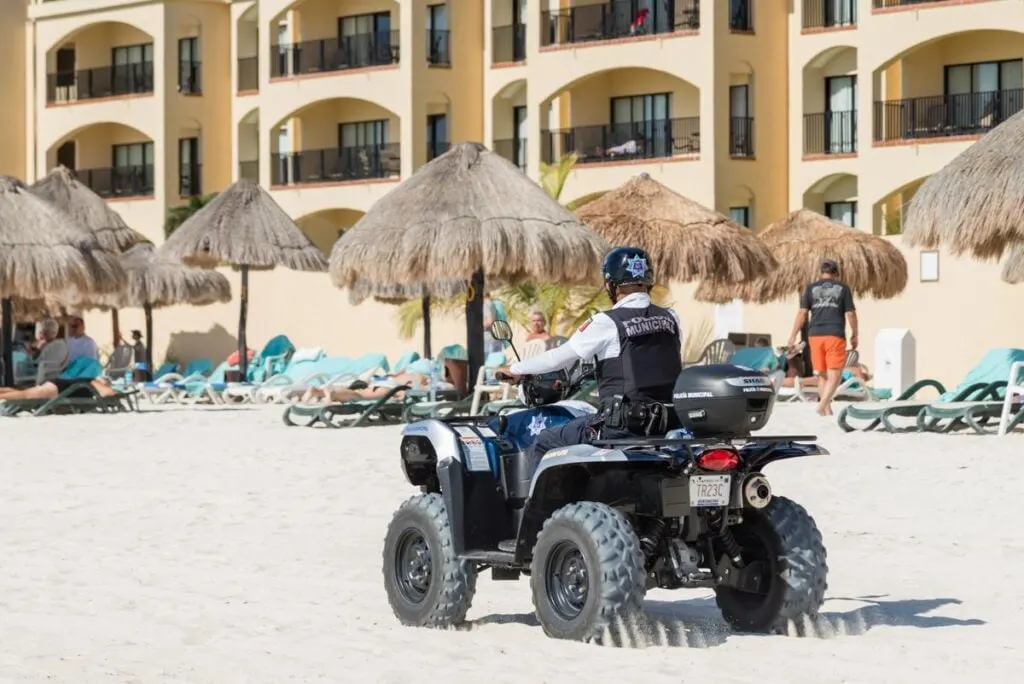
Health, Pharmaceuticals, and Unregulated Alcohol: The Embassy is issuing a strong warning regarding counterfeit medications, which are common and potentially dangerous; always use reputable pharmacies. They also note that private hospital prices in Mexico can be higher than in the U.S. and often require massive upfront cash payments, making comprehensive travel insurance essential. When it comes to nightlife, the alert highlights the risk of unregulated alcohol. Tourists are urged to watch their drinks being prepared, never accept beverages from strangers, and avoid leaving drinks unattended to guard against spiking.

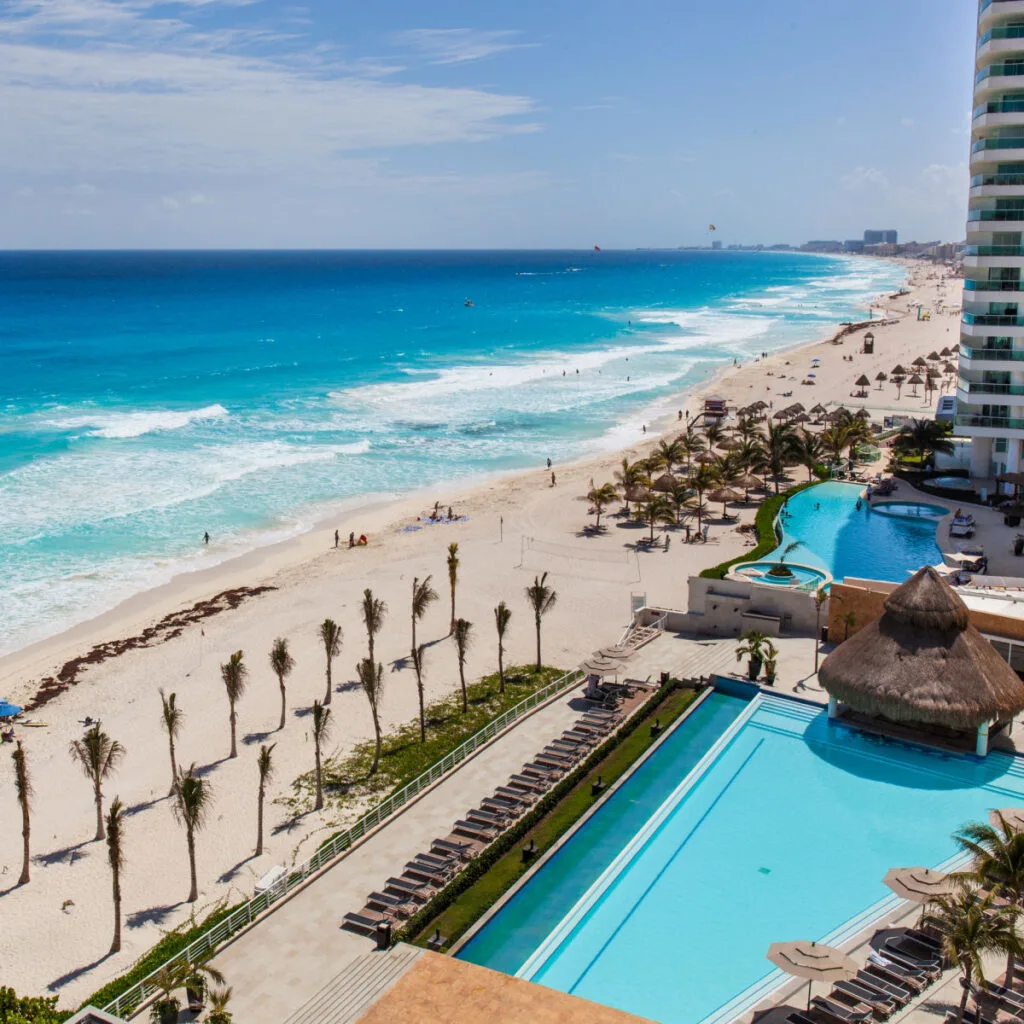
Excursions and Extortion: Scams are increasingly sophisticated. Virtual kidnappings and extortion attempts are common, meaning you should never share your travel plans, hotel room numbers, or personal details with strangers or over public social media accounts. If renting a vehicle or ATV, never hand over your U.S. passport as collateral, and take extensive video of the equipment’s condition before driving off.
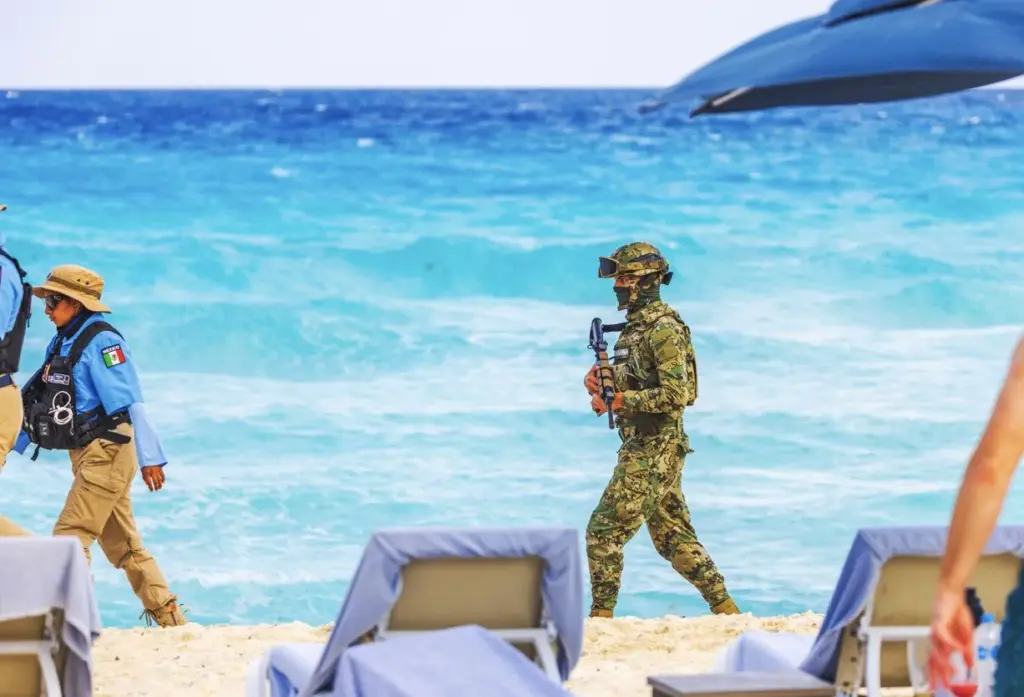
The Live Ground Truth
Federal alerts historically paint entire states with a massive, broad brush. To understand the actual, hyper-localized reality on the ground in Mexico’s premier tourist hubs, we have to look past the government memos and analyze the live data.
At Travel Off Path, we rely on our live Traveler Safety Index—which aggregates real-time sentiment from Americans actively vacationing in these resort hubs today. Here is exactly how tourists are rating their safety right now.
Puerto Vallarta: A Rapid and Confident Recovery If you are heading to the Pacific coast, you need to understand the recent context. Out of all the major hubs, Puerto Vallarta felt the most immediate logistical ripple effects from the February 22 security operations. Out of an abundance of caution, public transit was paused, and visitors were briefly urged to remain on their resort properties.
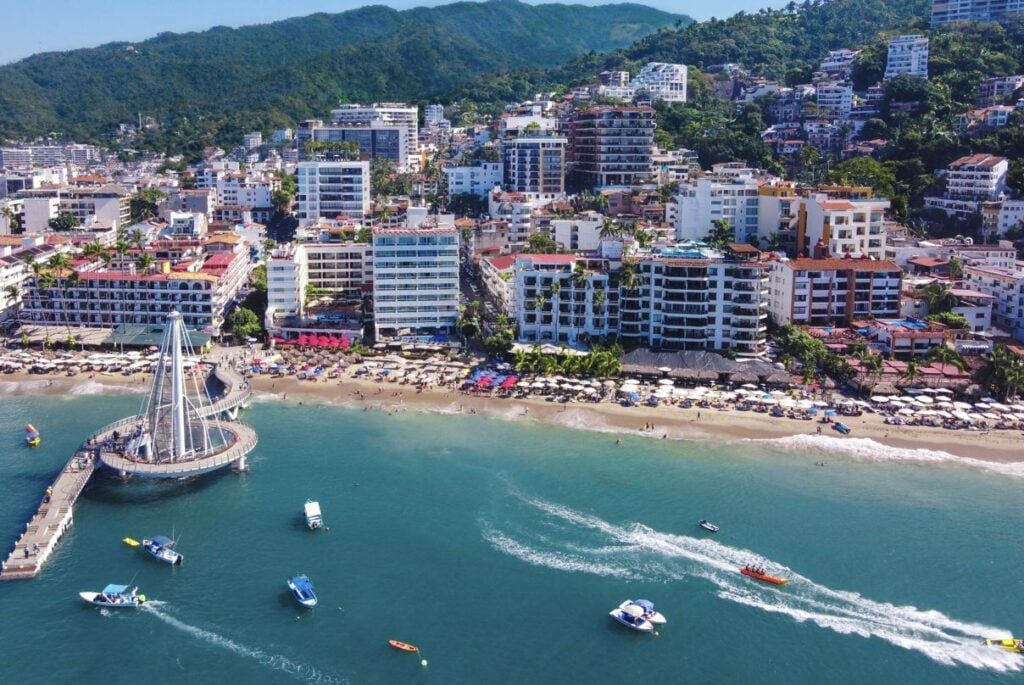
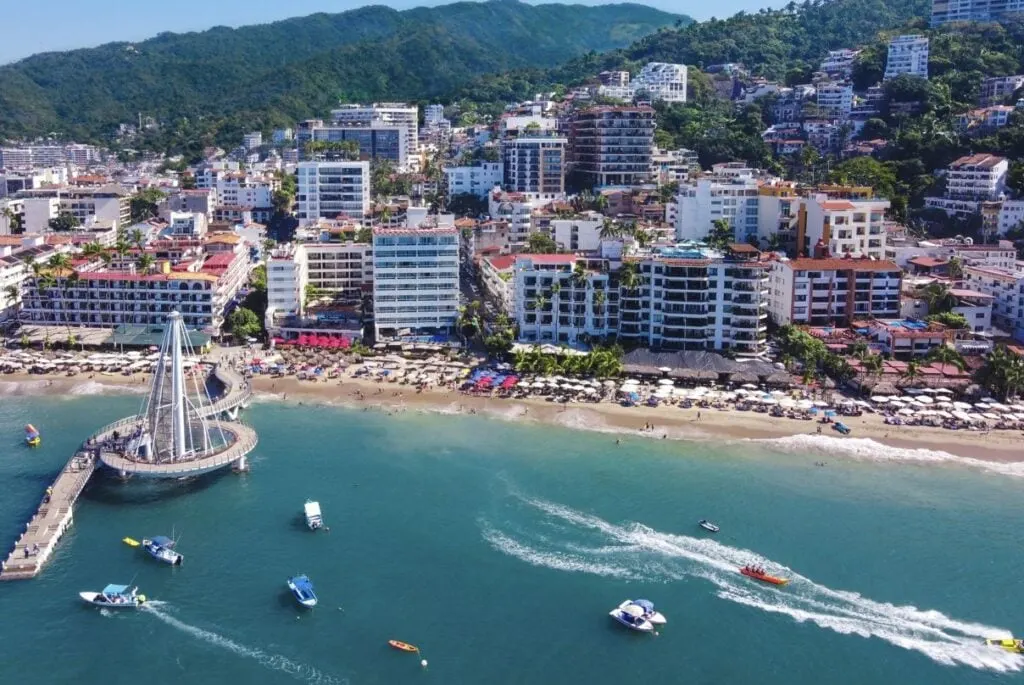
Predictably, the live Traveler Safety Index for Puerto Vallarta took an immediate hit, bottoming out at an incredibly volatile score of 15. The vital takeaway for Spring Break travelers is that those events have entirely passed. The recovery has been remarkable. Puerto Vallarta has rocketed all the way back up to a 60 on the Traveler Safety Index, maintaining a “Very Good” confidence rating. This steep upward climb explicitly shows that travelers are feeling significantly safer right now, shaking off the brief operational pause as normalcy returns to the beaches.
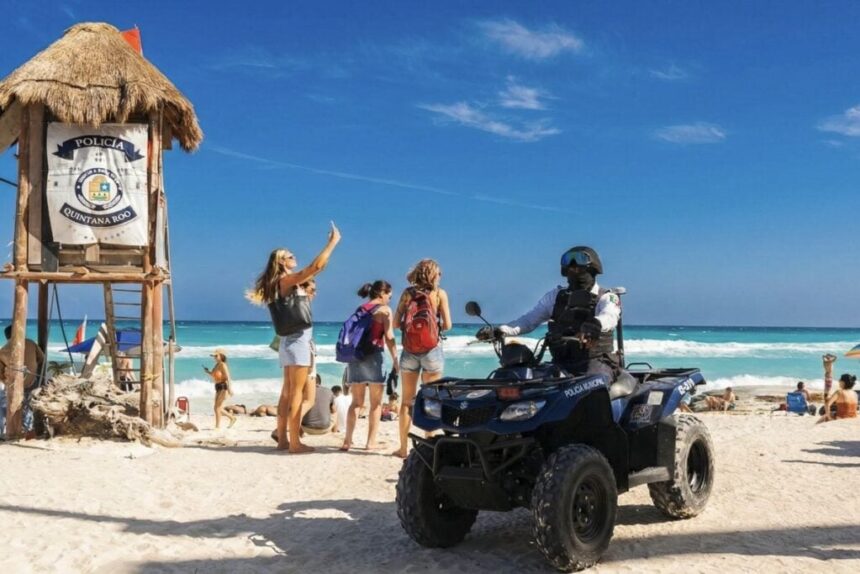
Cancun: The Undisputed Spring Break Bubble Over on the Caribbean coast, the reality is entirely different. The security events that took place in western Mexico last month had absolutely zero operational impact on the daily life of tourists in Quintana Roo.

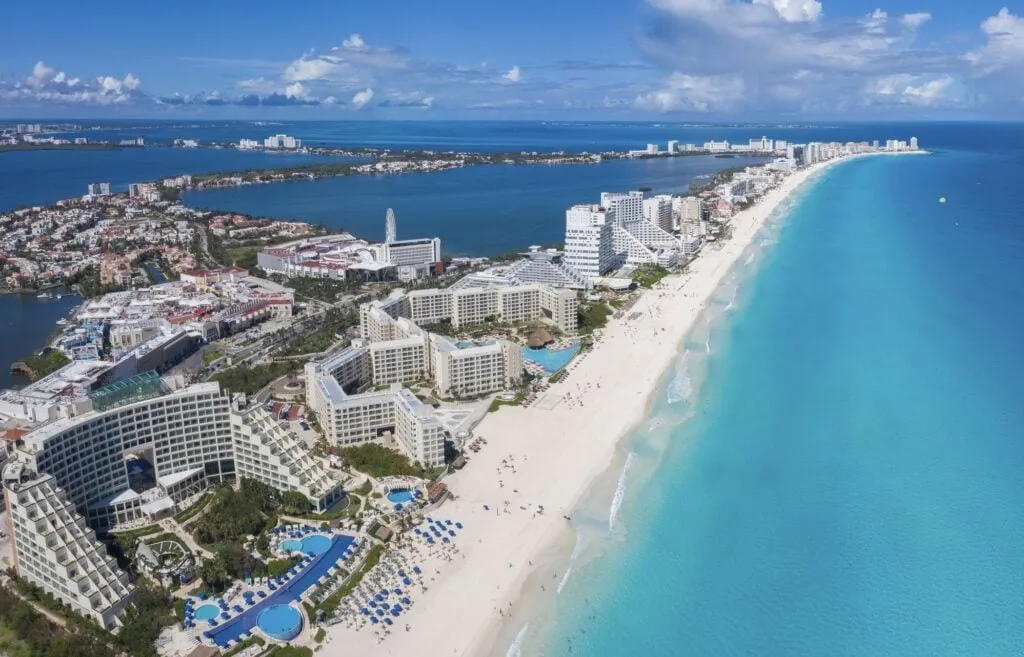
The live data backs this up flawlessly. Right now, Cancun is sitting at a highly robust 89 on the Traveler Safety Index. This is backed by “High Confidence” and thousands of live votes from American tourists currently lounging at the resorts. Playa Del Carmen’s score sits at 90 while Tulum’s score is currently at 77.
For an extra layer of support, the U.S. Embassy encourages visitors to Cancun, Playa del Carmen, and Tulum to download the local “Guest Assist” app for immediate access to bilingual emergency services.
Los Cabos: The Insulated Fortress If you want the ultimate peace of mind for your March getaway, look to the Baja California Peninsula. The geographic isolation of Baja California Sur deeply insulates it from the events that occasionally flare up on the mainland.


Currently, Cabo San Lucas is registering a pristine 91 on the Traveler Safety Index. Its quieter sister city, San Jose del Cabo, matches that exact elite score of 91. Both of these metrics boast a “Very Good” confidence rating. Vacationers choosing Los Cabos are reporting an incredibly secure environment, entirely free from logistical hiccups. Currently Cabo San Lucas is rated the safest destination by American travelers.
The Bottom Line
The overarching theme of the March 2nd U.S. Embassy message is not to induce panic—it is to encourage smart, informed logistics.
Enroll your itinerary in the Smart Traveler Enrollment Program (STEP) to receive critical updates, use official airport taxi stands or Uber, and exercise basic common sense. The vast majority of the millions of Americans visiting Mexico this month will experience a flawless vacation. By utilizing the live Safety Index and sticking to the established tourist zones, you can confidently enjoy the ultimate Spring Break escape. You can read the full US Embassy in Mexico Safety Alert and check current government travel advisories here.