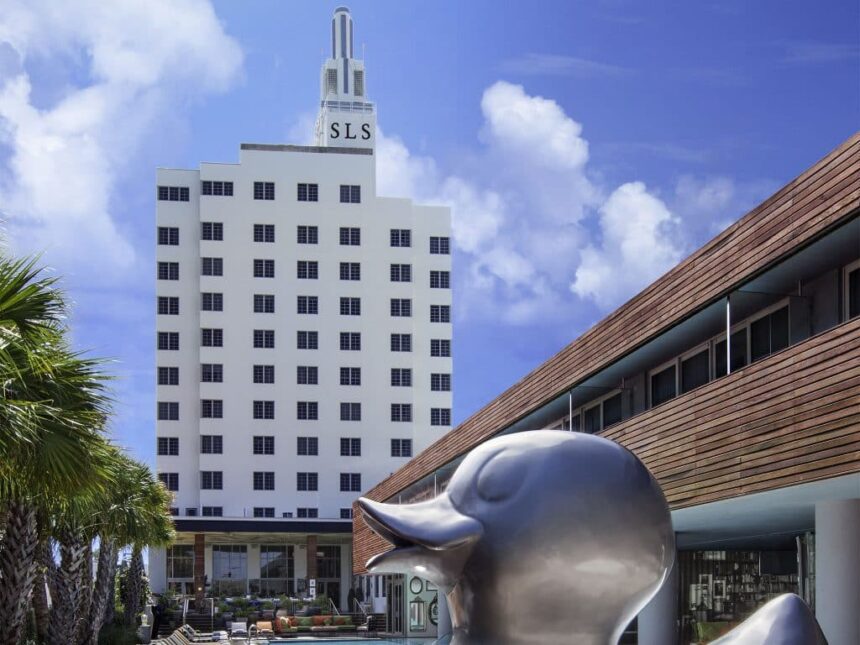
Miami Beach is entering the spring travel season with a significant boost. Hotel bookings are up 38% compared to the same period last year, according to data reported by WLRN. The increase, tied in part to an earlier Easter holiday, has expanded the traditional spring break window and intensified demand across South Florida.
The surge reflects both leisure travelers and families planning earlier getaways. Tourism officials indicate that reservations began trending upward weeks ahead of the peak period, signaling strong forward demand rather than last-minute bookings. With occupancy rising sharply year over year, availability across prime beachfront properties is tightening as March approaches.
Room Rates Climb Above $640, Ranking Second Nationally
The booking spike has been accompanied by record-level pricing. The average daily room rate in Miami Beach between mid-February and mid-April now exceeds $640, placing the destination second nationally behind San Francisco in average daily rate rankings, according to hospitality analytics cited by WLRN and industry firm STR.
For travelers, the higher prices have not dampened interest. Analysts note that limited beachfront inventory, combined with sustained post-pandemic leisure demand, continues to give Miami Beach strong pricing power. Luxury properties, in particular, are benefiting from travelers willing to spend more for premium experiences.
The elevated ADR positions Miami Beach among the most expensive spring break markets in the United States, underscoring the area’s transition from a party-centric destination to a broader luxury and lifestyle brand.
Florida Benefits From Shifting International Travel Patterns

Tourism experts point to broader travel dynamics contributing to Florida’s advantage. Concerns surrounding safety in parts of Mexico over recent cartel violence have prompted some U.S. travelers to reconsider international trips, even as Mexico remains a key spring break destination.
Florida’s accessibility—no passport requirements, short domestic flights, and established hospitality infrastructure—has strengthened its appeal. Miami Beach, in particular, has capitalized on this shift, drawing visitors who might otherwise have traveled abroad.
Industry observers describe the trend as a “domestic substitution effect,” where travelers opt for high-end U.S. coastal destinations instead of international beach resorts. The result is measurable growth in Florida’s flagship markets during peak seasonal windows.
Fort Lauderdale Prepares for Increased Visitor Volume
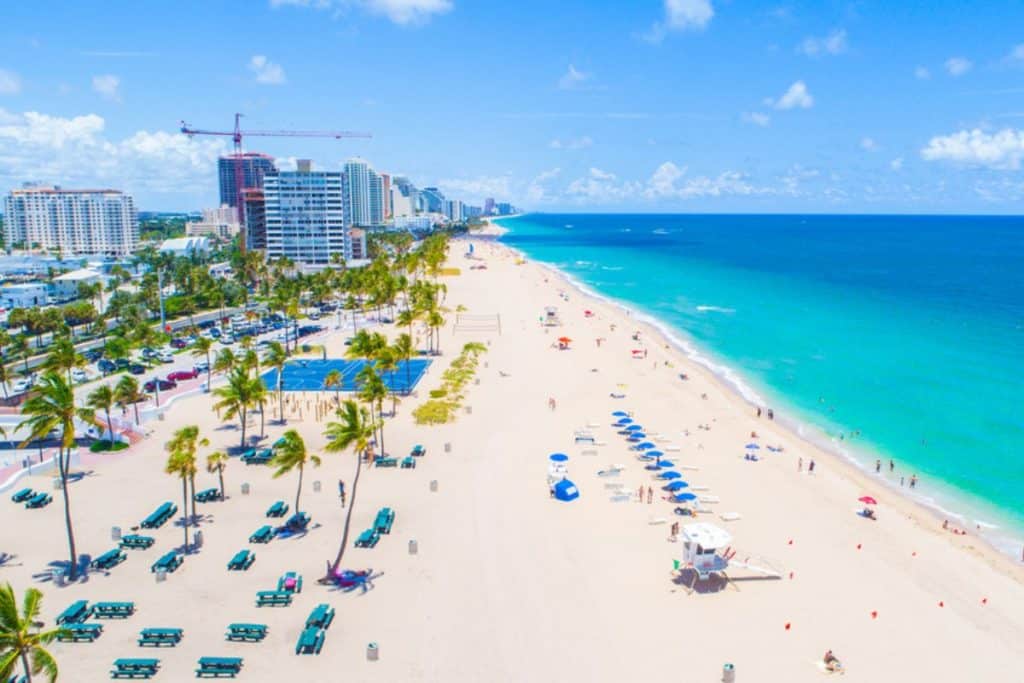
The impact is not limited to Miami Beach. Neighboring Fort Lauderdale is also bracing for a busy season. City officials have announced plans to increase police presence along the beachfront and in downtown entertainment districts during peak spring break weeks.
Local leaders characterize the move as proactive, aimed at maintaining public safety while accommodating large visitor volumes. The strategy reflects lessons learned from previous high-traffic seasons and signals a broader regional effort to manage tourism growth responsibly.
By coordinating law enforcement and public services in advance, Fort Lauderdale aims to preserve its appeal as a welcoming destination while minimizing disruptions.
A Competitive Edge in a Strong Leisure Market
The Greater Miami Convention & Visitors Bureau has pointed to expanded domestic airlift and consistent booking momentum as indicators of sustained growth through the spring. Analysts suggest the 38% booking increase is not an isolated spike but part of a larger pattern of strong leisure travel demand nationwide.
Still, Miami Beach stands out. High occupancy, premium pricing, and steady early reservations demonstrate a market operating from a position of strength. The convergence of favorable calendar timing, shifting international travel choices, and luxury positioning has given the city a measurable edge this season.
As spring break unfolds, Miami Beach’s performance offers a clear signal: Florida’s premier beach destination is not only attracting more visitors but commanding higher rates in the process. In a competitive tourism landscape, the numbers show Miami Beach emerging as one of the season’s strongest winners.