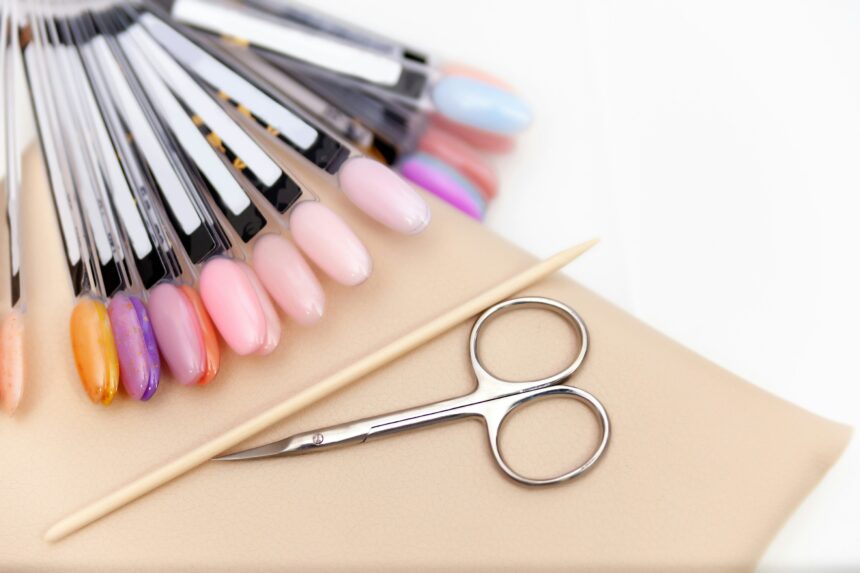
Why At-Home Gel Manicures Are Replacing Salon Visits
The rise of DIY beauty isn’t just a trend, it’s a shift in how people approach self-care. Fueled by cost savings, convenience, and a desire for control over ingredients and timing, more individuals are bringing salon services home. Among the most popular upgrades? Gel manicures. Offering high-gloss shine and chip-resistant wear for up to three weeks, gel polish delivers professional results without the €50–€70 price tag or appointment waitlists.
Yet for beginners, the process can feel intimidating. Between curing lamps, base coats, and proper removal techniques, missteps are common, and often lead to peeling, lifting, or nail damage. The solution? Starting with a complete, beginner-friendly at-home gel manicure kit that eliminates guesswork and ensures compatibility across every step.
For anyone starting out, choosing a complete solution like a Manucurist gel polish kit can simplify the process by combining essential tools and beginner-friendly formulas into one cohesive system. But what truly makes a kit effective, and safe, for first-timers?
What Defines a Beginner-Friendly Gel Manicure Kit?
A true beginner gel manicure kit prioritizes simplicity, safety, and completeness. It should include everything needed, no extra purchases, and feature clear, jargon-free instructions. Most importantly, it must use gentle, modern formulations that avoid harsh chemicals like formaldehyde, toluene, and DBP (often labeled “7-free” or “clean”).
Unlike fragmented starter sets, a well-designed kit integrates:
- An LED lamp (30–60 second cure time)
- A breathable base coat
- 1–2 easy-to-apply gel colors (neutrals recommended)
- A high-shine top coat
- Nail prep tools (file, buffer, cuticle pusher)
- A safe removal system (acetone or soy-based soak-off)
This all-in-one approach ensures product compatibility, critical for adhesion and longevity, and reduces the risk of errors that plague beginners using mismatched products.
Essential Components and Why They Matter
LED Lamp: UV lamps are outdated; modern kits use LED technology, which cures faster, runs cooler, and is safer for skin. A 36W+ lamp ensures even curing without sticky residue.
Base & Top Coat: These aren’t optional. The base creates a bonding layer; the top seals edges and adds gloss. Skipping either leads to premature chipping. Look for breathable formulas that allow oxygen and moisture to reach the nail bed, key for long-term health.
Gel Colors: Beginners should start with sheer pinks, nudes, or soft reds. These hide minor application flaws and suit any occasion. The polish should be self-leveling, smoothing brush strokes automatically, and thin enough to apply in sheer layers.
Nail Prep Tools: Proper prep is the #1 factor in longevity. A quality kit includes a fine-grit file, buffer block, and cuticle pusher. Clean, lightly buffed nails (free of oils) ensure maximum adhesion.
Removal System: Never peel off gel, it strips your natural nail. A good kit includes foil wraps, cotton pads, and pure acetone (or a gentler alternative) for safe, soak-off removal in 10–15 minutes.
Step-by-Step: The Right Way to Apply Gel at Home
- Prep: Remove old polish. Shape nails, then gently buff the surface to remove shine. Wipe with alcohol to eliminate oils.
- Base Coat: Apply a thin layer, avoiding cuticles. Cure 60 seconds under LED.
- Color: Apply two thin coats, curing each. Thick layers won’t cure properly and will peel.
- Top Coat: Seal the free edge by wrapping polish over the tip. Cure again.
- Finish: Wipe off sticky residue (if required). Apply cuticle oil to hydrate.
Critical tip: Keep polish 1mm away from skin, contact causes lifting. Work on one hand at a time to avoid smudging before curing.
Common Mistakes, and How to Avoid Them
- Thick layers: Leads to wrinkling and incomplete curing. Always go thin.
- Skipping prep: Oily or shiny nails = poor adhesion. Buff and clean every time.
- Under-curing: Causes soft, sticky polish. Follow lamp instructions precisely.
- Peeling instead of soaking: Strips nail layers. Always remove properly.
- Mixing brands: Base/top/coat must be compatible. Stick to one system.
These errors account for 90% of beginner failures, but are easily avoided with the right kit and technique.
Safety, Longevity, and Realistic Expectations
When applied and removed correctly, gel polish is safe for occasional use. Damage comes from improper removal or overuse, not the polish itself. To protect nails:
- Give them a 3–5 day break between applications
- Use cuticle oil daily
- Choose “clean” or plant-based formulas
With proper care, an at-home gel manicure lasts 10–21 days, comparable to salon results. Longevity depends on technique, product quality, and habits (e.g., wearing gloves while cleaning).
Cost vs. Value: Why Kits Pay for Themselves
A quality kit costs €80–€120 but replaces 2–3 salon visits. After that, each manicure costs just €5–€10 in replacement polish. Over a year, this saves hundreds, while offering full creative control and flexible timing.
|
Factor |
Salon |
At-Home Kit |
|
Cost per manicure |
€50–€70 |
€5–€10 (after initial kit) |
|
Time |
Fixed appointment |
Anytime |
|
Customization |
Limited |
Full freedom |
|
Long-term value |
Low |
High |
Confidence Through the Right Tools
Achieving salon-quality nails at home isn’t about perfection, it’s about consistency, the right tools, and gentle care. A beginner-friendly gel manicure kit removes complexity and builds confidence through structure. Start simple, focus on thin layers and proper prep, and let your skills grow with each application.
With a thoughtfully designed system like Manucurist’s, beautiful, durable nails aren’t reserved for professionals, they’re within reach of anyone willing to try.
Read more beauty articles at ClichéMag.com
Images provided by Deposit Photos, BingAI, Adobe Stock, Unsplash, Pexels, Pixabay Freepik, & Creative Commons. Other images might be provided with permission by their respective copyright holders.