There is a specific kind of exhaustion that hits you when you’re standing in a fluorescent-lit customs hall after a nine-hour flight, clutching a battered passport and waiting for a border agent to stamp your life away.
We’ve been completely conditioned to accept that if you want a truly wild, off-the-grid tropical escape, you have to pay in the currency of visa applications, border apps, and jet lag.
But there is a travel cheat code hiding right in plain sight.
The United States holds the keys to a network of deep-water Pacific territories and protected Caribbean islands that offer the exact same rugged, unfiltered adventure as the world’s most remote countries.
The kicker? You can legally bypass the international customs lines completely.
All you need is a standard government-issued photo ID—and for the deeper Pacific routes, a certified birth certificate.
We spend our days trading voice notes with the global diving community, digital nomads, off-grid backpackers, and beach lovers.
When we ask them where the smart travel money is going right now, they send me places the mainland U.S. market has completely ignored.
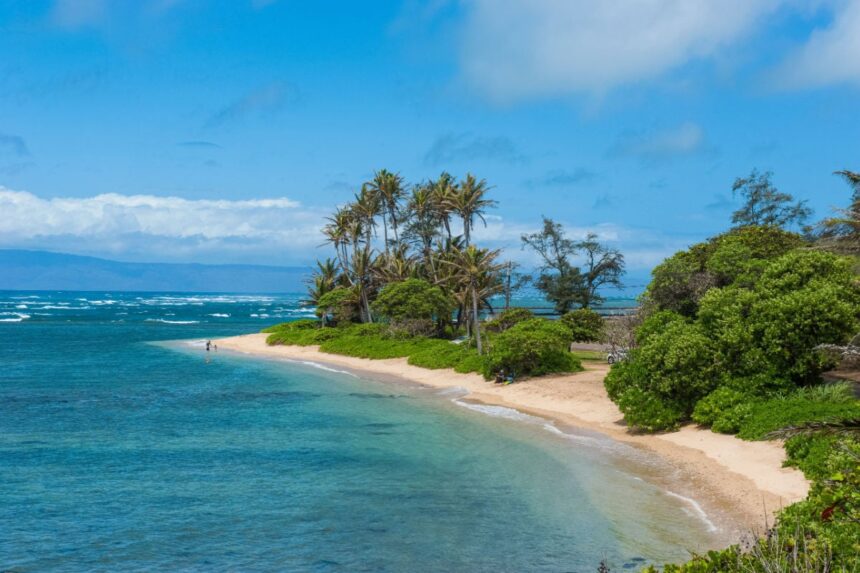
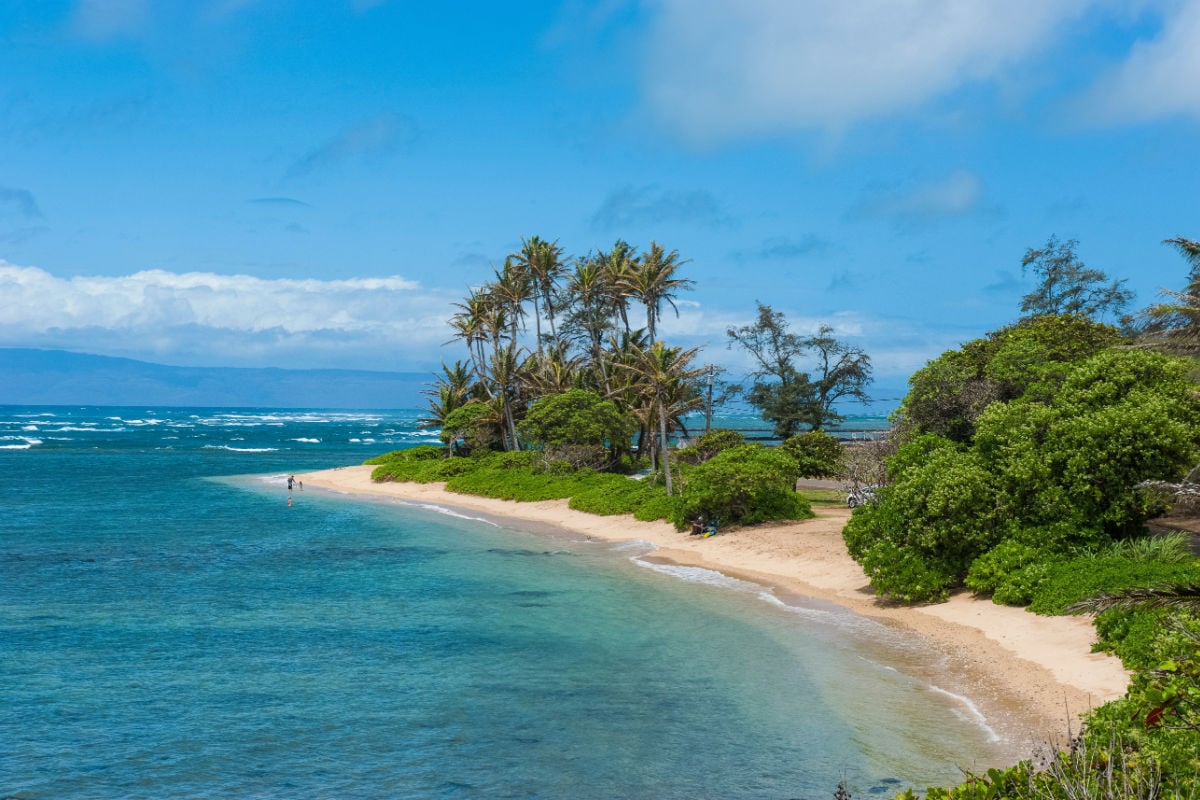
If you are ready to trade the all-inclusive buffet line for something that actually makes your pulse jump, here are 5 undiscovered beaches that feel entirely out of this world.
1. The Northern Mariana Islands (CNMI)
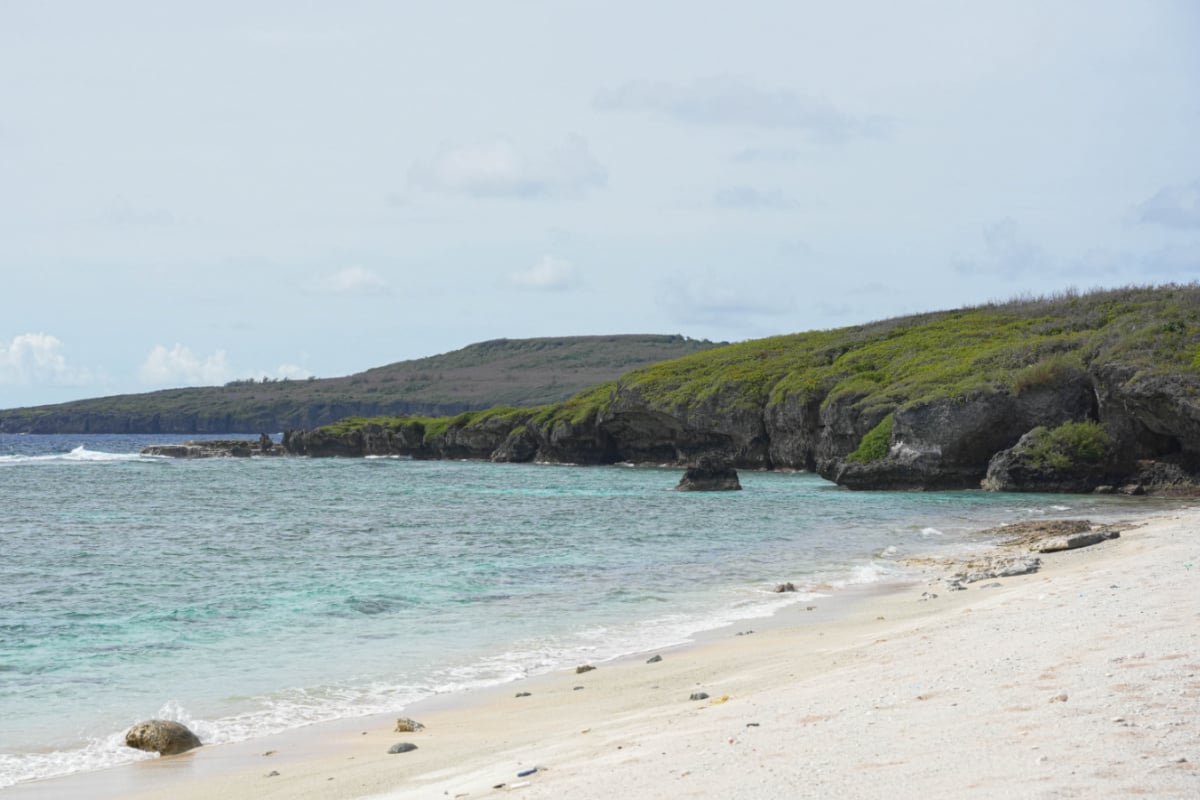
Fly just north of Guam, and you drop into a U.S. commonwealth that functions entirely as a hidden, high-end getaway for East Asia.
To mainland Americans, this archipelago is basically a ghost.
- The Jungle: The explorers in my network who make the trek out to Saipan describe a surreal, heavy atmosphere. Imagine sweating through your shirt, pushing past thick, humid jungle vines to find a rusted WWII Sherman tank sitting silently in the overgrowth, entirely reclaimed by nature.
- The Grotto: For the global diving community, this is the holy grail. It is a collapsed karst cave connected to the open ocean by a series of deep underwater tunnels. When our divemaster buddies surface from The Grotto, they describe a sensory trip—dropping into a cavern where the water literally glows with an eerie, filtered neon-blue light from the ocean outside. It’s a raw, humbling dive that makes heavily trafficked Caribbean reefs feel like a swimming pool.
2. Guam


Most people hear “Guam” and immediately picture a sprawling military base.
But the remote workers and expats who actually base themselves out in Micronesia paint a completely different picture.
If you make the famously long flight, you land in a wildly vibrant cultural crossroad.
- The Flavor: The food scene alone justifies the flight time. The nomads we talk to swear by the Wednesday night market at Chamorro Village. Picture the heavy, humid air so thick with charcoal smoke and roasting pork you can practically taste it before you even walk in. Locals are serving up kelaguen—an intensely flavorful, citrusy, and spicy meat dish that packs a sharp punch and will permanently alter your palate.
- The Water: Down in Tumon Bay, the resort life sits right on the edge of perfectly calm, reef-protected waters. You can walk straight off the hot white sand into water so clear you can watch the reef ecosystem buzzing around your ankles. You get the total sensory overload of an Asian-Pacific metropolis without ever needing a passport stamp.
3. Water Island, USVI
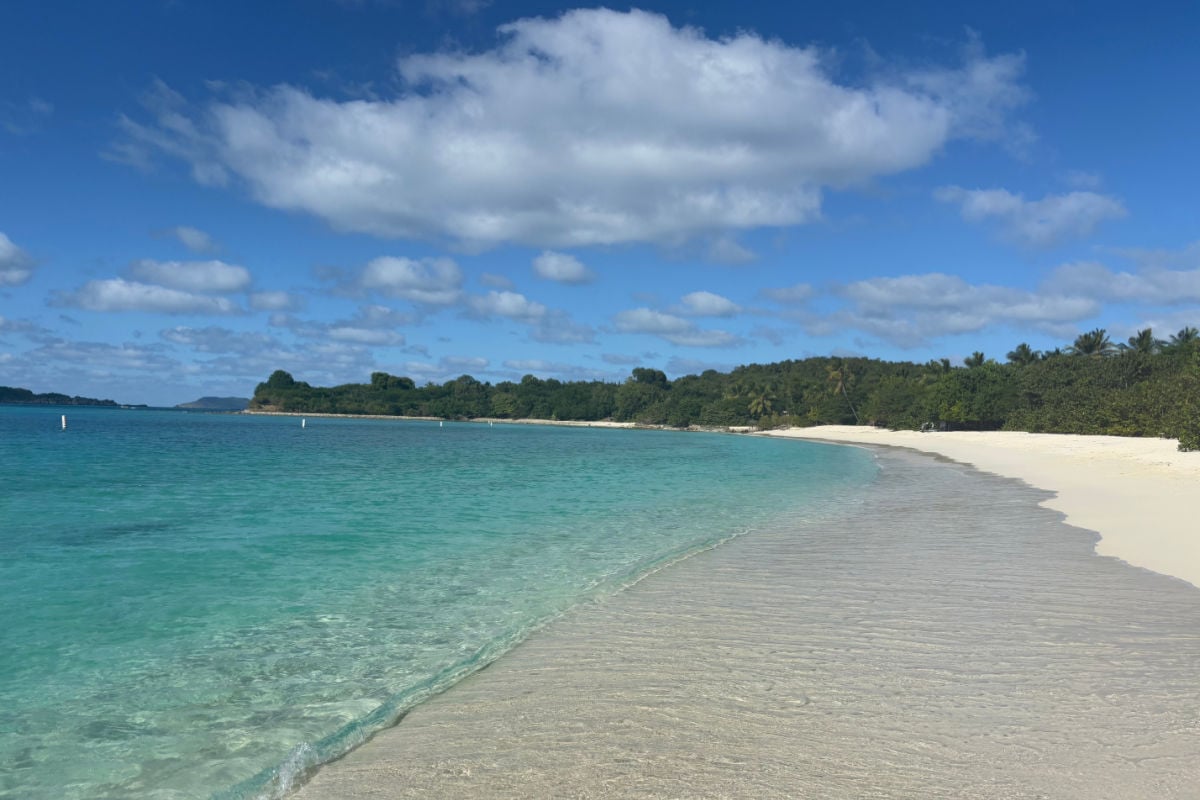
St. Thomas, St. John, and St. Croix steal all the Caribbean marketing budgets, leaving Water Island as the tiny “Fourth Virgin Island” that everyone forgets.
It takes exactly ten minutes on a ferry to escape the chaotic, cruise-ship-choked docks of St. Thomas, but the second you step off the boat onto the wooden dock, you travel decades back in time.
- The Vibe: There is a population of under 200 people. No mega-resorts. No gas stations. Travelers out there tell me you just rent a beat-up golf cart, hit the accelerator, and rattle your way over the steep, hilly dirt roads.
- The Beach: You park your cart at Honeymoon Beach. You get the exact same crystal-clear turquoise water the Virgin Islands are famous for, but you share it with a fraction of the crowds. The liveaboards anchored in the bay describe it as the kind of quiet that makes your ears ring at first. You grab an ice-cold rum punch from a local shack, sink your feet into the sand, and watch sea turtles pop up in the shallows in total, uninterrupted silence.
4. Moloka‘i, Hawaii
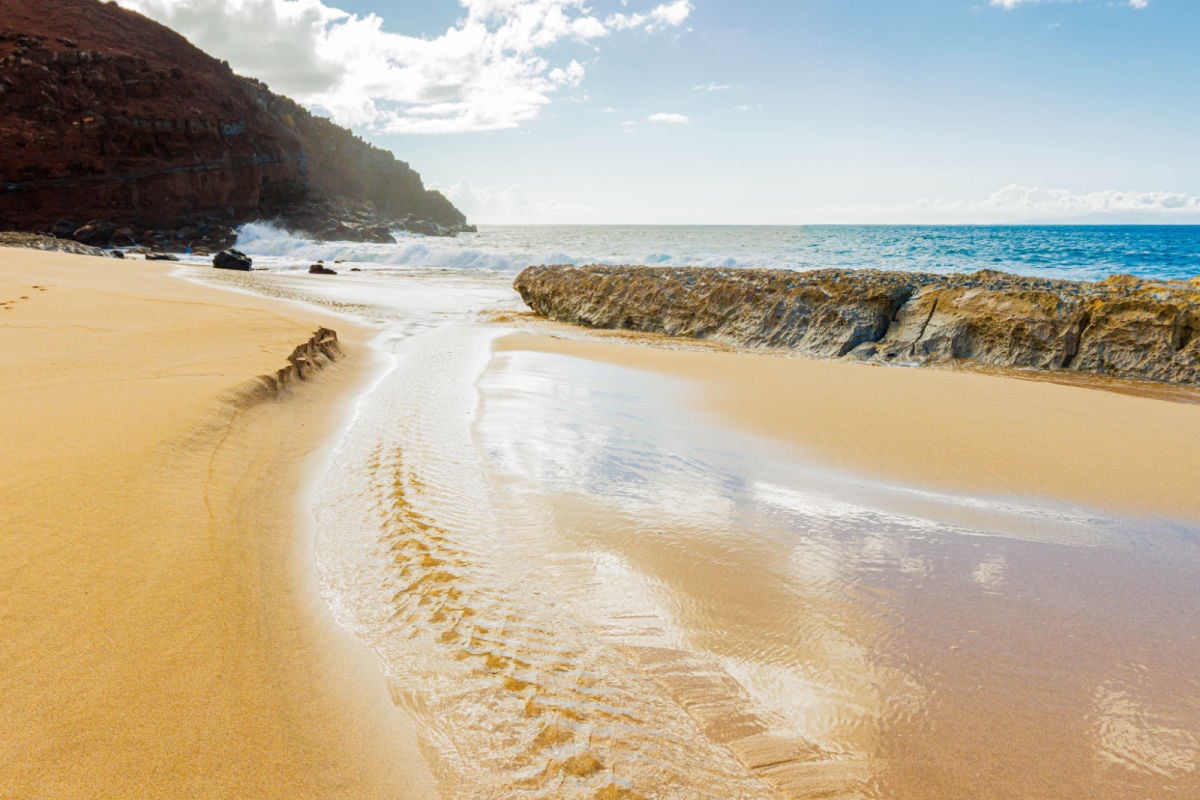
If you want to know what Hawaii felt like before the concrete poured in and the massive commercial tourism boom took over, you go to Moloka‘i. While Maui and Oahu pull in millions of heavy-footprint visitors, the local community here fiercely and intentionally resists mass tourism.
- The Rules: You won’t find a single traffic light on the island. Local building ordinances strictly mandate that no structure can be built taller than a coconut tree. It forces you to immediately sever your ties to the mainland hustle and slow down to the island’s rhythm.
- The Coastline: The overland community whispers about Papohaku Beach Park, one of the largest white-sand beaches in all of Hawaii. It stretches for over three uninterrupted miles. Dispatches from the ground describe the overwhelming, violent roar of the Pacific crashing against the empty shoreline. It is entirely common to walk for an hour with the salt wind whipping off the water and be the absolute only person leaving footprints in the sand.
5. Culebra, Puerto Rico
Located roughly twenty miles off the eastern coast of the Puerto Rican mainland, Culebra is a sleepy, rustic hideaway.
You don’t just “arrive” here; you’re either crammed into a tiny puddle-jumper airplane smelling aviation fuel, or you’re standing on the deck of a passenger ferry out of Ceiba, wiping salt spray off your sunglasses the whole way over. That extra transit is the perfect filter to keep the massive San Juan casino crowds away.
- The Transit: Life here relies heavily on rented golf carts and rugged Jeeps bouncing along narrow, winding, pothole-riddled island roads.
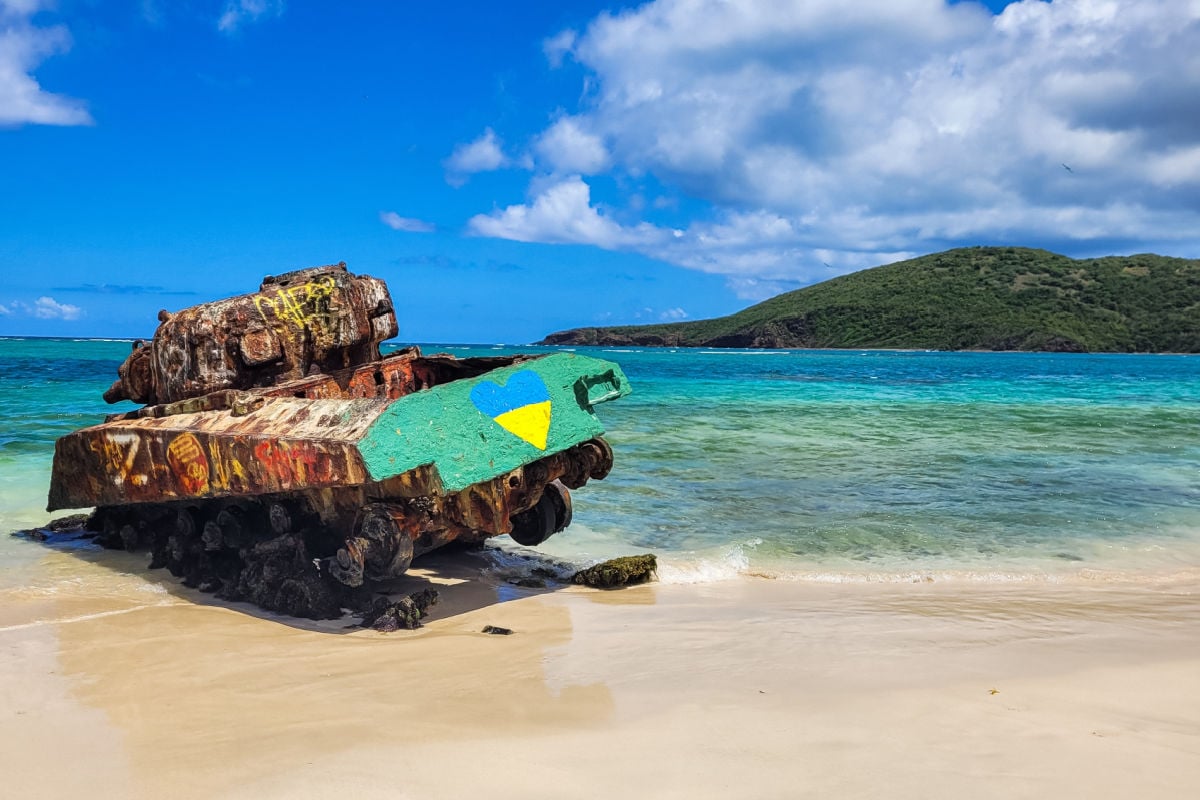
- The Crown Jewel: Backpackers making the trek out of San Juan swear by this moment: walking out onto Flamenco Beach. It is blindingly white sand contrasting against neon-blue water, but what makes it legendary is the history sitting right in the surf. Rusted military tanks left over from old naval exercises are slowly sinking into the shoreline. Walking up and feeling the grit of the sand against the brightly painted, graffiti-covered rust, set against the backdrop of an empty Caribbean cove, feels exactly like walking onto a post-apocalyptic movie set.
Now take this quiz to find your perfect passport-free destination!
Question 1 of 4
What is your ideal coastal landscape?
Question 2 of 4
Which daily vibe sounds best?
Question 3 of 4
What’s on the menu for dinner?
Final Question
How remote do you want to feel?
The Northern Marianas (CNMI)
The Deep-Water Jungle Escape
Pro Tip: Push past the thick jungle vines to find rusted WWII Sherman tanks, and don’t miss diving in the neon-blue waters of The Grotto.
Guam
The Asian-Pacific Metropolis
Pro Tip: Hit the Wednesday night market at Chamorro Village and order the spicy, citrusy kelaguen.
Water Island, USVI
The Quiet Caribbean Secret
Pro Tip: Head down to Honeymoon Beach, grab an ice-cold rum punch, and watch the sea turtles pop up in the shallows.
Moloka‘i, Hawaii
The Untamed Coastline
Pro Tip: Visit Papohaku Beach Park for three uninterrupted miles of white sand and overwhelming, crashing Pacific surf.
Culebra, Puerto Rico
The Rustic Hideaway
Pro Tip: Walk out onto Flamenco Beach to see the brightly painted, rusted military tanks sinking into the neon-blue surf.