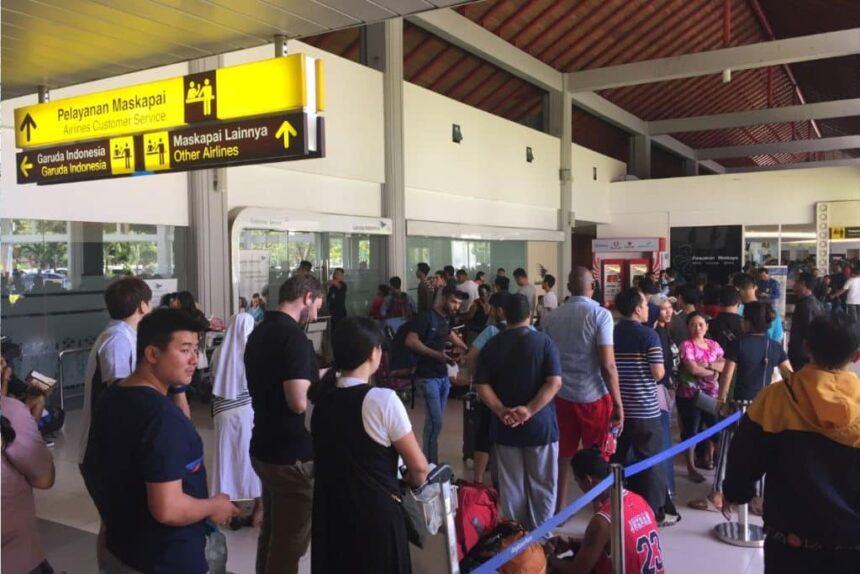
In a significant policy shift aimed at promoting responsible tourism and protecting local interests, the Indonesian government has announced that beginning in 2026, all foreign tourists entering Bali will be required to present at least three months of recent bank statements upon arrival.
The new requirement, set to take effect on March 1, 2026, is part of a broader set of immigration reforms aimed at addressing growing concerns over “budget travelers” who overstay their visas, engage in unregulated business activities, or otherwise violate the terms of their stay.
A Move Toward Sustainable Tourism
Officials from Bali’s immigration department and the Ministry of Tourism have emphasized that the policy is not designed to deter tourism but to encourage more sustainable and respectful travel.
“This policy aims to ensure that visitors have the financial means to support themselves during their stay in Bali, and to prevent cases of foreigners working illegally or relying on local resources,” said Gusti Made Andika, spokesperson for the Bali Provincial Government.
According to government sources, the financial documentation must demonstrate sufficient funds to support a tourist’s stay without engaging in income-generating activities. While no specific amount has been disclosed yet, authorities have hinted at a minimum monthly balance threshold, which will be officially announced in the coming weeks.
Rising Concerns Over Tourism Impacts
The decision follows a series of high-profile incidents involving foreign nationals who overstayed their visas, camped illegally, or engaged in street trading and freelance work without proper permits.
In 2025 alone, Bali authorities deported over 340 foreigners for violating immigration laws or disturbing public order. The incidents, which frequently gained attention on social media, sparked widespread debate about the challenges of mass tourism and the balance between economic benefit and cultural preservation.
“We welcome tourists, but they must respect our laws, culture, and society,” said Tjok Bagus Pemayun, Head of the Bali Tourism Office. “This step is not about rejecting visitors. It’s about preserving Bali for future generations and ensuring that tourism benefits our local communities.”
New Entry Requirements in Detail
The revised entry policy will include the following requirements for all foreign visitors:
- Three months of recent bank statements, either printed or digitally accessible
- Proof of return or onward travel
- Hotel or accommodation bookings
- Travel insurance covering the duration of the stay
Indonesian immigration authorities have stated that tourists who fail to provide sufficient documentation may be denied entry at the border.
The government is expected to launch an online portal by mid-February 2026, allowing tourists to pre-submit financial documentation and avoid delays upon arrival.
Reactions from the Tourism Industry and Travelers
The policy has received mixed reactions from Bali’s tourism sector. While some hospitality and tourism operators welcome the move, seeing it as a necessary step to attract higher-quality tourism, others worry it could discourage budget-conscious travelers and backpackers, who have historically contributed to the island’s popularity.
“Bali has always been a destination for everyone — from luxury seekers to digital nomads to surfers traveling on a shoestring,” said Kadek Wirawan, manager of a local guesthouse in Ubud. “If the financial bar is set too high, we may see fewer visitors in some market segments.”
Tourists and travel influencers have also taken to social media to express concerns and confusion about the changes.
“This feels like a barrier to spontaneous travel,” one Australian tourist posted on X (formerly Twitter). “Not everyone wants to disclose personal financial details just to go on vacation.”
Government Response to Criticism
In response to these concerns, officials have clarified that all financial information submitted will remain confidential and used solely for immigration verification purposes. The Ministry of Law and Human Rights has stated that data protection regulations will be enforced strictly, and no sensitive financial data will be stored without explicit consent.
Authorities are also considering tiered financial requirements based on length of stay and type of visa, which may provide more flexibility for short-term travelers.
Alignment with Global Trends
The move aligns Bali with other international destinations that have adopted similar financial screening practices. Countries such as Canada, the United Kingdom, and Japan already require proof of financial means for certain types of tourist visas. Bali’s policy may represent a regional shift toward more regulated and accountable tourism practices, especially in popular destinations facing overtourism.
What Travelers Should Do Now
As the implementation date approaches, prospective visitors to Bali are advised to:
- Monitor official announcements from the Indonesian Directorate General of Immigration
- Prepare valid bank statements showing consistent financial activity
- Book accommodations and return travel in advance
- Secure travel insurance with medical and travel delay coverage
- Consult with travel agents or embassies for up-to-date information
Travel agencies across Southeast Asia and Australia have already begun adjusting their packages and advising clients to prepare documentation in advance to avoid disruptions.
Looking Ahead
As Bali seeks to recover from the pandemic’s long-term effects and manage its tourism future more sustainably, the new policy marks a turning point. While it may initially create hurdles for some travelers, local authorities remain confident that it will lead to a more respectful, law-abiding, and economically balanced tourism sector.
“We love visitors from around the world, but they must come with responsibility,” said Governor Wayan Koster. “This policy is about protecting the soul of Bali — its people, its land, and its future.”