If you’d told someone in 2016 that your phone screen folds in half, they’d look at you like you’d lost the plot.
Fast forward a decade, and the early excitement that accompanied this design has long since evaporated. While there’s been significant evolution in foldable hardware, the form factor has remained fundamentally unchanged since 2019.
I’ve been using the Galaxy Z Fold 7 as my main phone for over two months, and no-one bats an eyelid when I open it in public. Even if they’re far from ubiquitous, foldables feel fairly ordinary these days.
The zeitgeist has very much moved on to AI, with many companies shoving artificial intelligence down our throats at every opportunity.
I’ve been using the Galaxy Z Fold 7 as my main phone for over two months, and no-one bats an eyelid when I open it in public
In terms of hardware, tri-fold devices initially felt like the future, but focus has quickly shifted to so-called “wide foldables”, which look set to dominate the folding smartphone market in 2026.
With several big names expected to launch models in the next few months, this could be the upgrade that finally propels foldables into the mainstream. But there’s one huge potential catch.
Wait – what are wide foldables anyway?
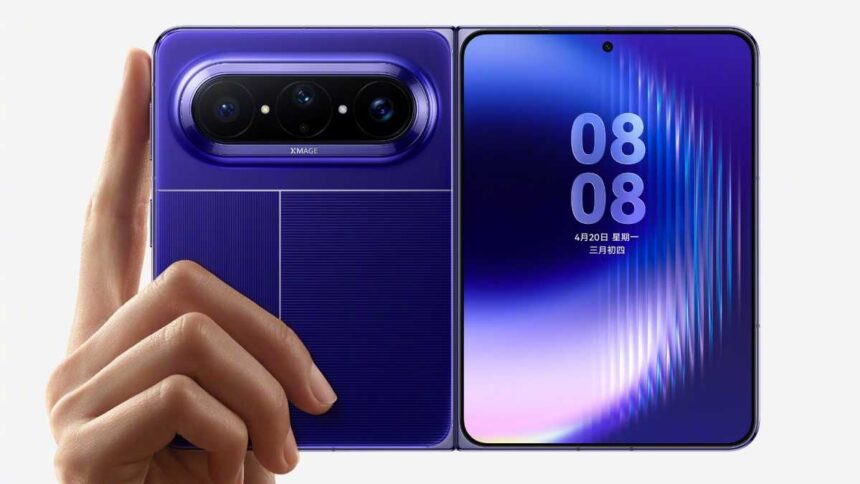
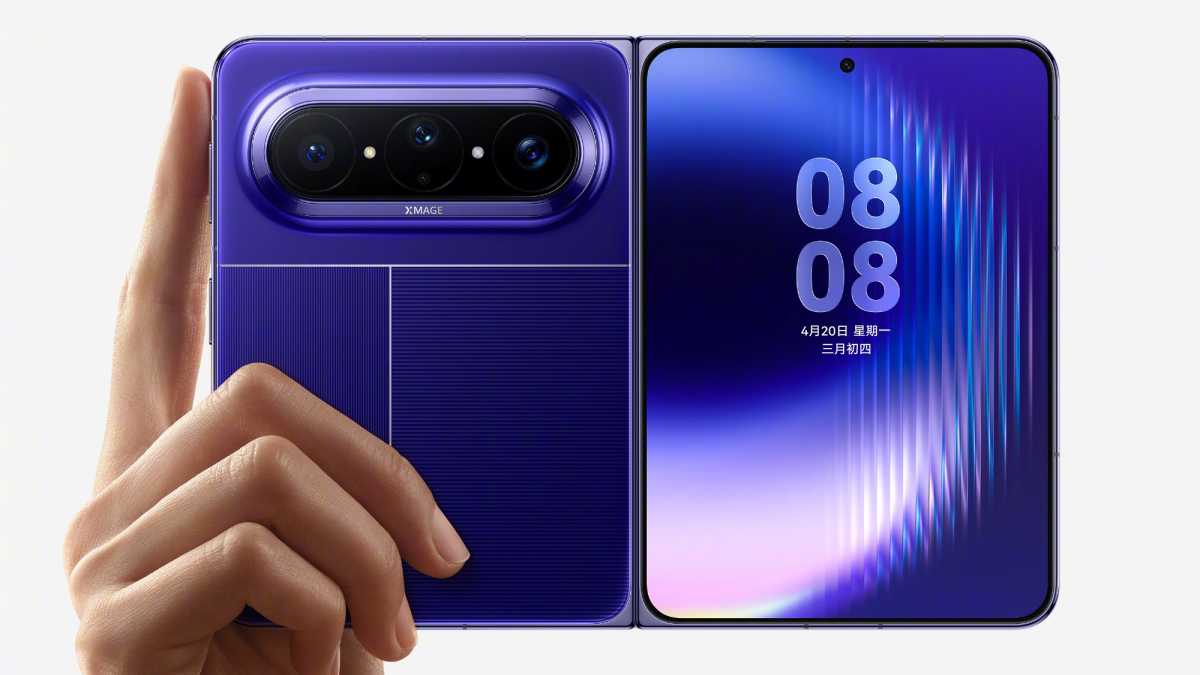
Essentially, wide foldables are a version of the current book-style folding phones, which are significantly wider (hence the name) but also shorter. The dimensions mean they’re sometimes called passport-style foldables.
The trade-off for this boxy cover screen (which also tends to be significantly smaller) is a widescreen internal display that’s much closer to a traditional tablet.
Huawei’s Pura X Max, the only wide foldable that’s official so far, offers a 5.4-inch cover screen that opens to reveal a 7.7-inch wide panel. Compare that to the company’s book-style Mate X7, which has a regular smartphone-esque 6.49-inch external display but a very square 8-inch internal screen.
Huawei
Wide foldables are also likely to be chunkier than their regular counterparts. The Pura X Max is a full 1.7mm thicker than the Mate X7 when closed, though its 11.2mm chassis leaves some room for improvement.
Got it. So, are wide foldables better than regular ones?
It depends on what you care most about. But if you’re looking for a genuine phone/tablet hybrid, wide foldables should get much closer to that than current book-style foldables.
In theory, they solve a major issue that’s affected all book-style foldables so far: the weird aspect ratio.
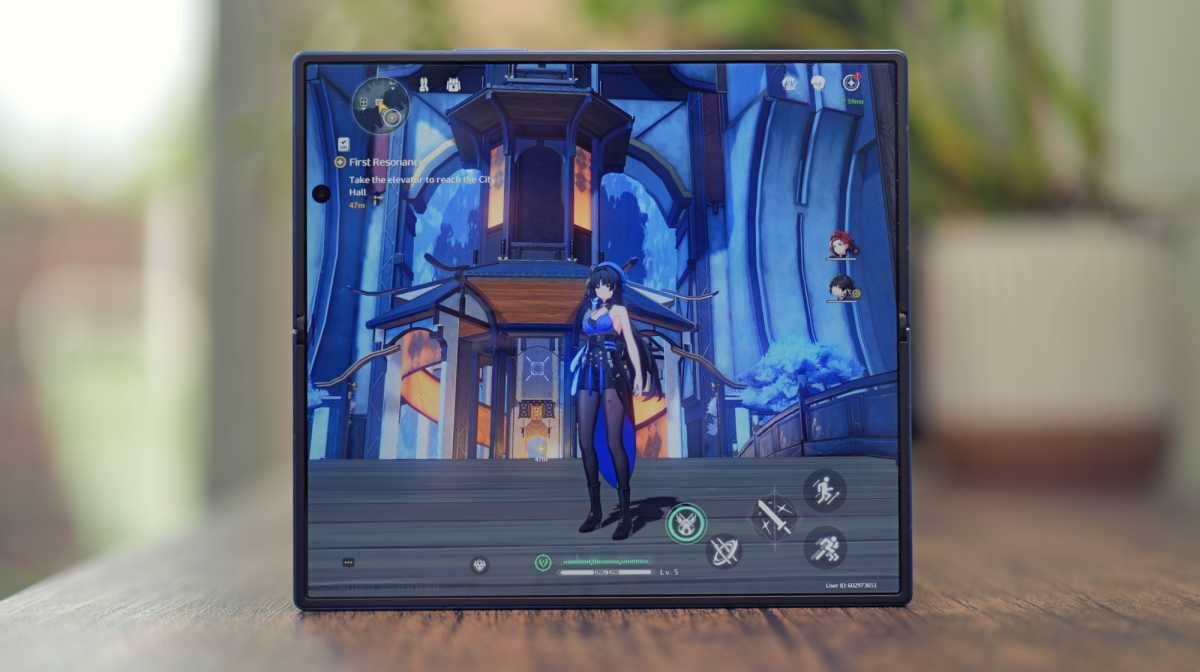
Take the Galaxy Z Fold 7 as an example. The tall, narrow 21:9 cover display is similar to many regular phones, yet the internal screen adopts an unusual 1968 x 2184 resolution. In other words, it’s only very slightly taller than it is wide.
Luke Baker
While genuinely optimised apps look great, these are few and far between.
The vast majority of games on the Google Play Store, plus almost all long-form video content online, is designed for a traditional 16:9 aspect ratio – the same as your TV.
That gives you an awkward dilemma. The easiest option is to simply crop in on the content, but this risks losing crucial details towards the edges of the frame, and some apps don’t even support it. So, you’re left with huge black bars above and below (known as letterboxing), meaning a lot of that extra screen area is wasted.
…many more third-party apps should feel at home on the internal screen
A wide foldable goes a long way to solving this issue. While no company is likely to achieve a perfect 16:9, it’ll be much closer to a traditional widescreen, which should significantly reduce letterboxing.
Are wide foldables only worth it for gaming or watching videos, then?
No. The lack of popularity of current book-style foldables means many developers are reluctant to make dedicated versions of their apps for the internal displays. While not as bad as the gaming or video-watching experience, this leads to awkwardly stretched phone apps that make poor use of the available space.
By introducing an aspect ratio that more closely matches a tablet, many more third-party apps should feel at home on the internal screen. Android is still lacking in dedicated tablet apps, but the selection should still be dramatically improved.
There’s an added benefit for fans of small phones. To fit the wider, shorter internal screen, the cover display typically must be much smaller than we’d now expect. The one on Huawei’s Pura X Max is just 5.4 inches – that’s the same as the iPhone 13 Mini!

Foundry
With genuine small phones (ie with displays of under 6 inches) having practically become extinct, a wide foldable could be an unorthodox way to get the small screen back.
Why is 2026 “the year of wide foldables”?
It’s because so many companies are expected to launch models of their own for the first time. Until this year, a grand total of zero wide foldables had launched. By the end of 2026, we could see half a dozen or more.
According to leaker Smart Pikachu, who has a strong track record, Oppo and Vivo are both working on wide foldables. A separate Weibo leak from Guan Tongxue suggests that Honor will also be getting in on the act.
Even if these devices are initially exclusive to the companies’ native China, it shouldn’t be too long before the first wide foldables land in Europe. However, those handsets will almost certainly skip North America, so you’ll be waiting a little longer in the US.
Instead, it looks as though a familiar smartphone battle will resume in the wide foldable arena: Apple vs Samsung.
The Korean giant looks set to be first out of the traps, with July a likely launch month for the upcoming Galaxy Z Fold 8 Wide.
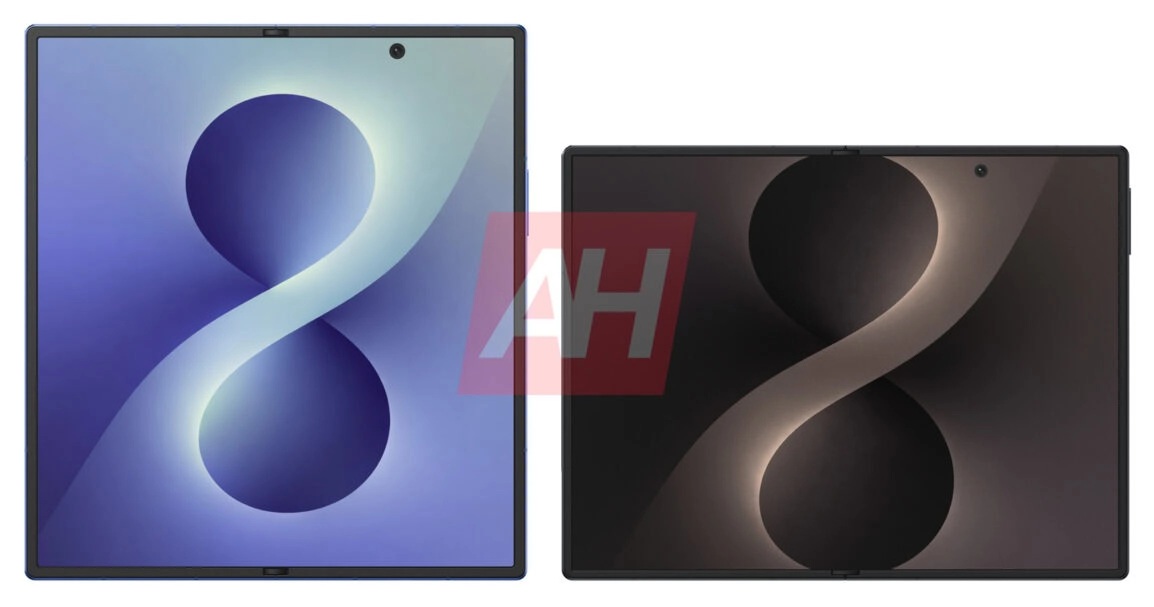
Android Headlines
However, it probably won’t take long for Apple to respond, with all signs pointing to the long-awaited foldable iPhone (rumoured to be known as the iPhone Ultra) to adopt a widescreen display.
Its expected unveiling in September could see the foldable wars really kick off.
Despite all the media coverage received so far, foldables are yet to break through into the mainstream. According to Counterpoint, they accounted for a measly 1.6% of global smartphone sales in 2025, and that includes modern flip phones.
I strongly believe that this new form factor, combined with the reputation and marketing might of Apple, could finally tempt regular consumers to make the switch.
Sounds great. Are there any downsides?
Yes, but there’s only one you really need to know about: price.
While book-style foldables have come a long way over the last few years, their price has remained stubbornly high. At launch, the Galaxy Z Fold 7 cost £1,799/$1,999, and it’s only dropped to £1,519/$1,579.99 nearly a year later.
Given that this is a brand-new design, I’d be shocked if any wide foldables were cheaper. In fact, I’d expect them to be significantly more expensive, at least initially.
Huawei does at least offer some hope here, with the base Pura X Max starting at CNY 10,999 (approx. £1,200/$1,600), compared to the CNY 12,999 (approx. £1,400/$1,900) you’ll have to pay for the Mate X7.
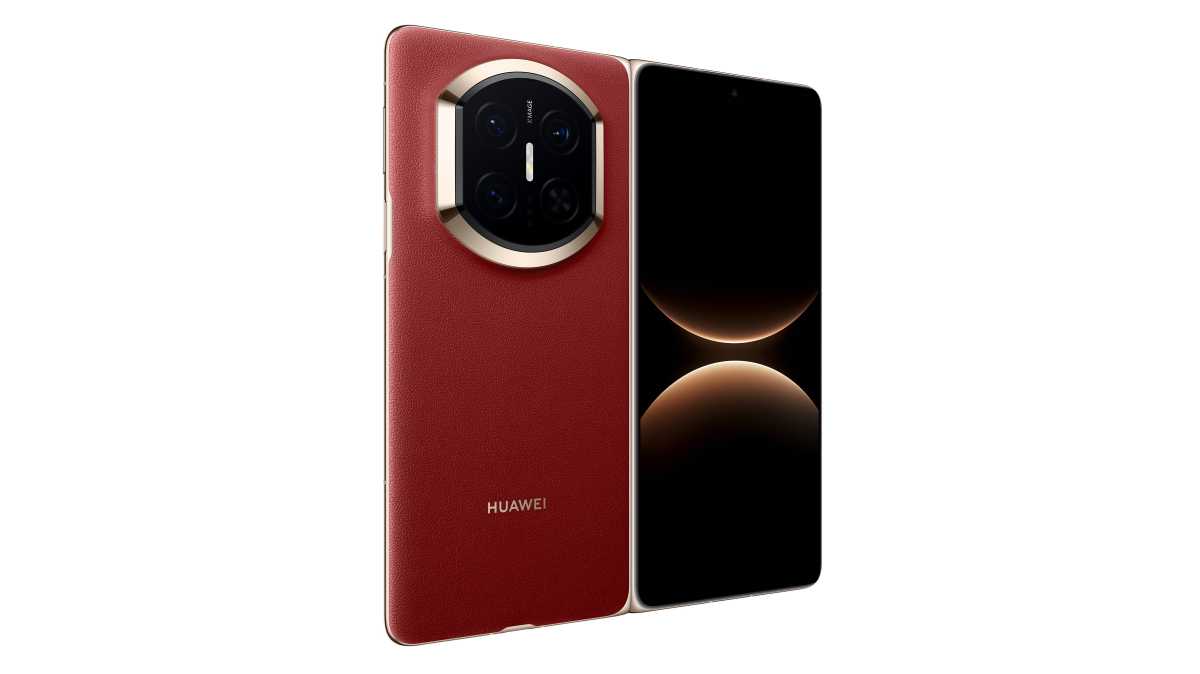
Huawei
However, I wouldn’t be surprised if it’s an outlier, at least on the global stage. And don’t pay too much attention to those converted UK/US figures above – Chinese phones almost always end up much more expensive when they launch globally.
The other big factor is global uncertainty. The ongoing Iran war is threatening the global supply of semiconductors that are so crucial for smartphones, while the ever-more-demanding AI workloads have helped drive a global RAM shortage.
As a result, 2026 phones tend to either be more expensive, offer very minimal upgrades, or both. And that could have a big knock-on effect on the price of book-style foldables.
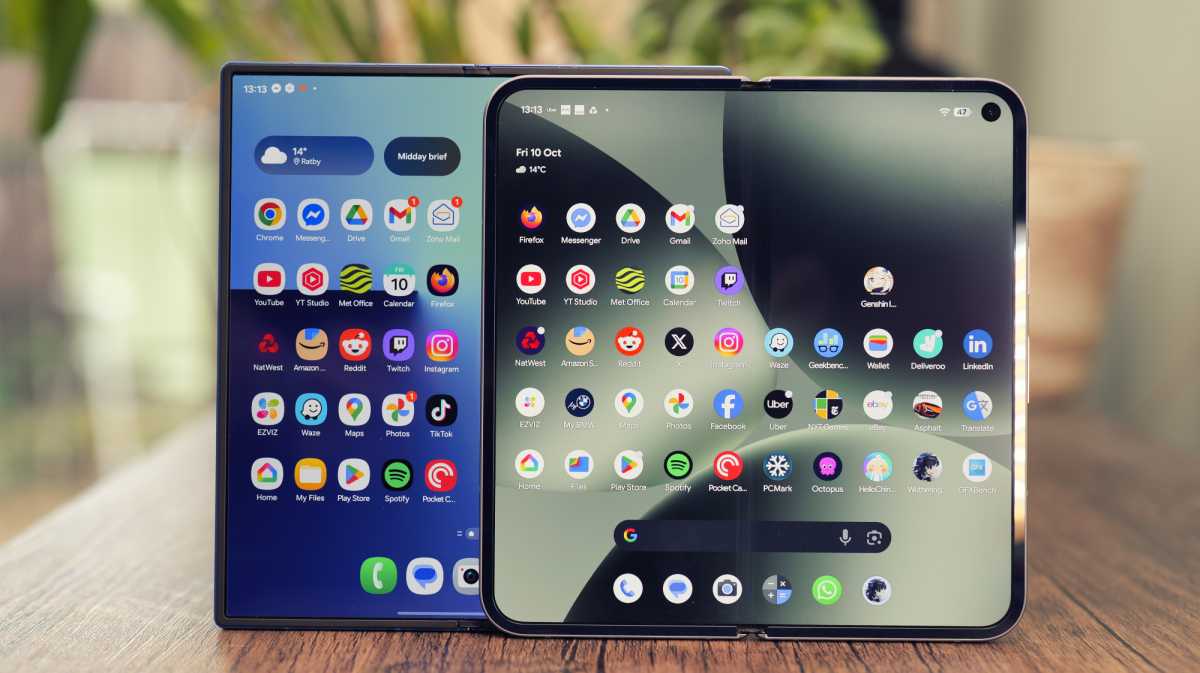
Luke Baker
While book-style foldables are compromised in other ways, I’d expect price to be the only major compromise affecting wide foldables. But it’s a bona fide dealbreaker for most people.
Also, while the smaller cover screen will appeal to a lot of people, it’ll put off plenty of others. However, this pales in comparison to the major price issue that I don’t think any of the 2026 models will solve.
Oh dear. Will wide foldables ever make sense financially?
It’s impossible to say at this stage. But there are reasons for hope.
First, wide foldables should get closer than ever to being a true phone/tablet hybrid and replace two separate devices. I could even see it as an alternative to a laptop for some people.
Second, Apple is involved. Whatever you think of the Cupertino behemoth, it tends to dictate a lot of industry trends. By shunning traditional book-style foldables in favour of the wide variety, it’s declaring this to be the form factor of the future. The impact of that kind of endorsement can’t be understated.
The foldable revolution might be a few years later than planned, but it’s still very much on the way
But crucially, it’s just one of several companies that appear to be on board. This competition should drive forward innovation and eventually reduce the costs passed on to the consumer. That can only be a good thing.
All in all, I’m so ready for wide foldables to revive what is becoming a stale product category. The foldable revolution might be a few years later than planned, but it’s still very much on the way.