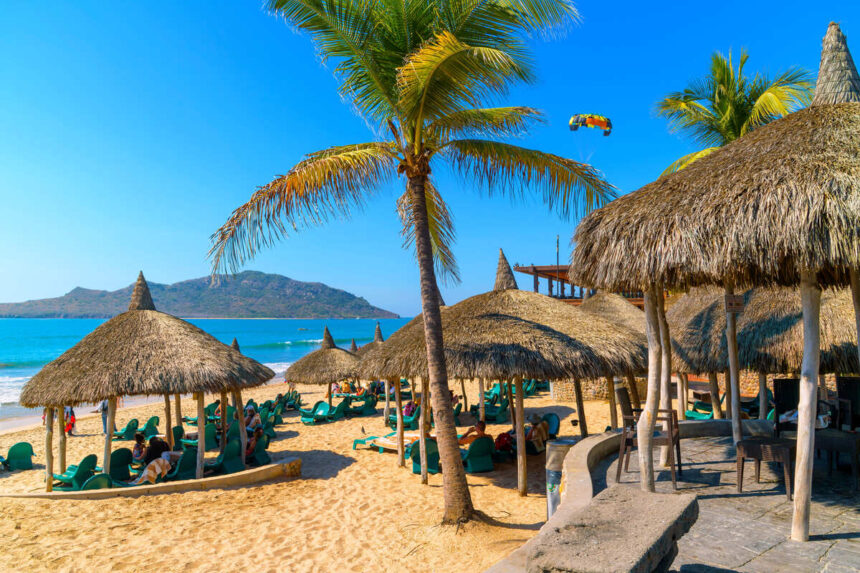
Located on the Pacific Coast of Mexico, Mazatlán is officially one of the country’s fastest-rising destinations.
Thanks to its strong connectivity, an expansive flight network including both domestic and international routes, rapid tourist infrastructure growth, with 256 hotels and 14,136 rooms, and continuous investment in beachfront vertical housing, it’s never been trendier than it is at the minute.
If you only know Mexico for Cancun, Puerto Vallarta, and Los Cabos, however, you may be wondering what the buzz is all about.
Well, how do sun-drenched shores, a picture-perfect Historic Center that rivals Europe in beauty, and safe tourist zones where not a single major incident has been reported in months sound?
Is This City Mexico’s Next Big Thing?
Before we delve deeper into the reasons why Maz is experiencing this sudden surge in demand, maybe we should mention that we’ve had part of our Travel Off Path team based in Mazatlán for years.
As those who’ve followed us for a while will know, we’ve been singing its praise for the best part of the last decade—talk about being ahead of the curve—and we could honestly write an entire book on why it stands out among other Mexican Pacific hubs like Puerto Vallarta or Cabo, but we promise to keep it brief this time.
If you’ve spent time in the region yourself, you already know this: culture and authenticity don’t always sit comfortably alongside entertainment-driven, beach-focused relaxation.
You usually end up having to choose: the old historic town with its family-run cantinas, charming architecture, and deep-rooted Mexican atmosphere, often at the expense of comfort, or the all-inclusive resort along an overdeveloped strip that feels polished, but a bit generic and detached from place.
What if we told you Mazatlán has both?
Minus the generic part.
Golden Sands & Colonial Charm All In One Place
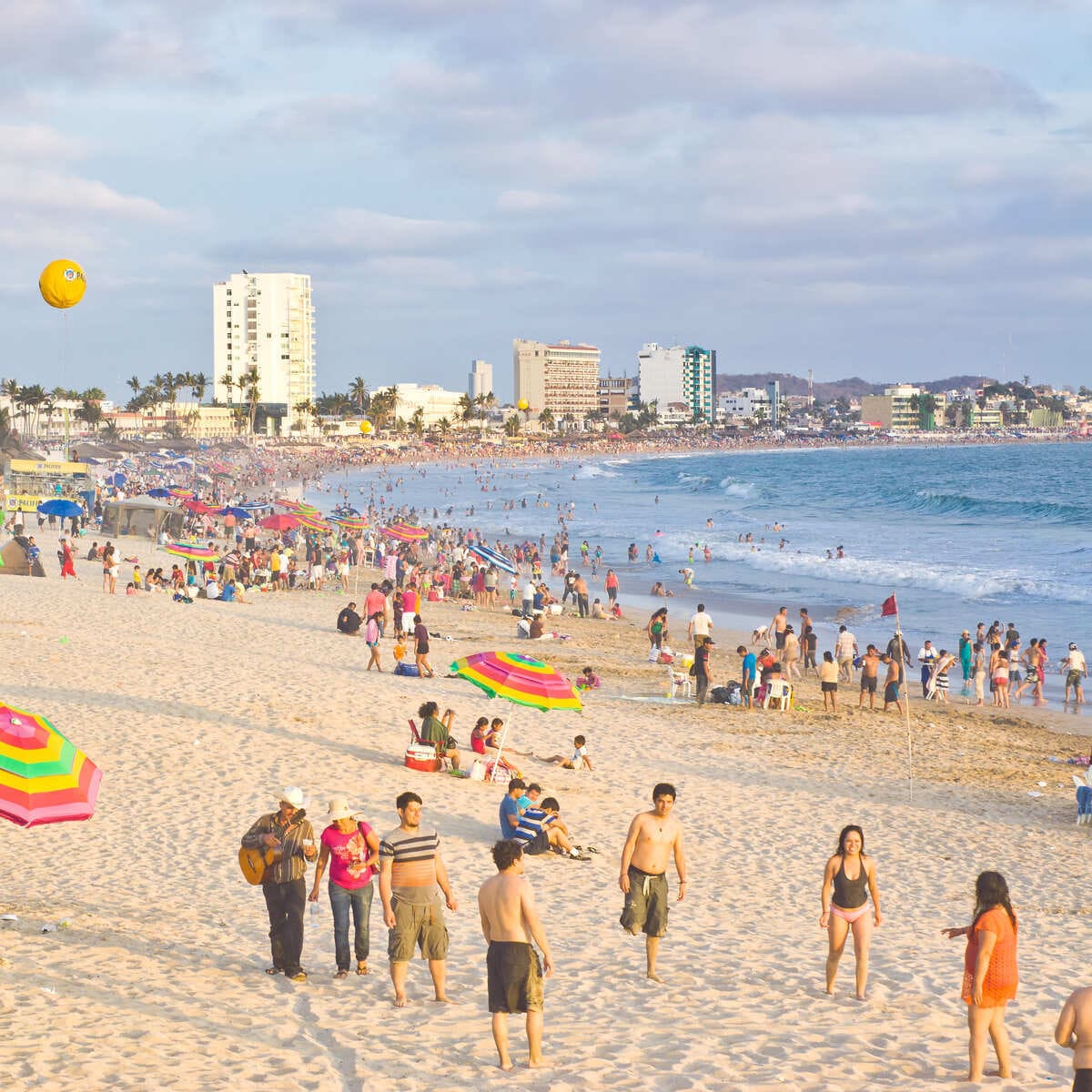
Maz’s waterfront promenade, known locally as the malecón, is one of the longest in all of Latin America, stretching for a whopping 12 miles along those azure Pacific waters.


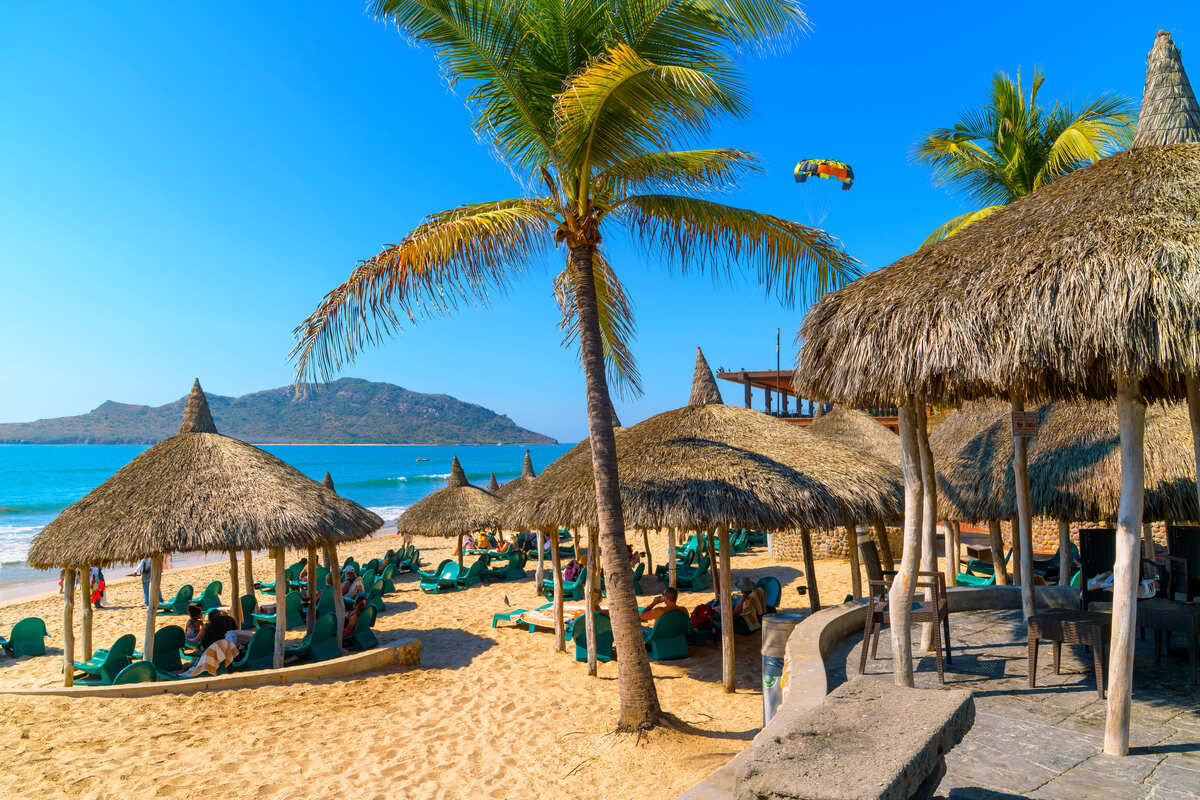
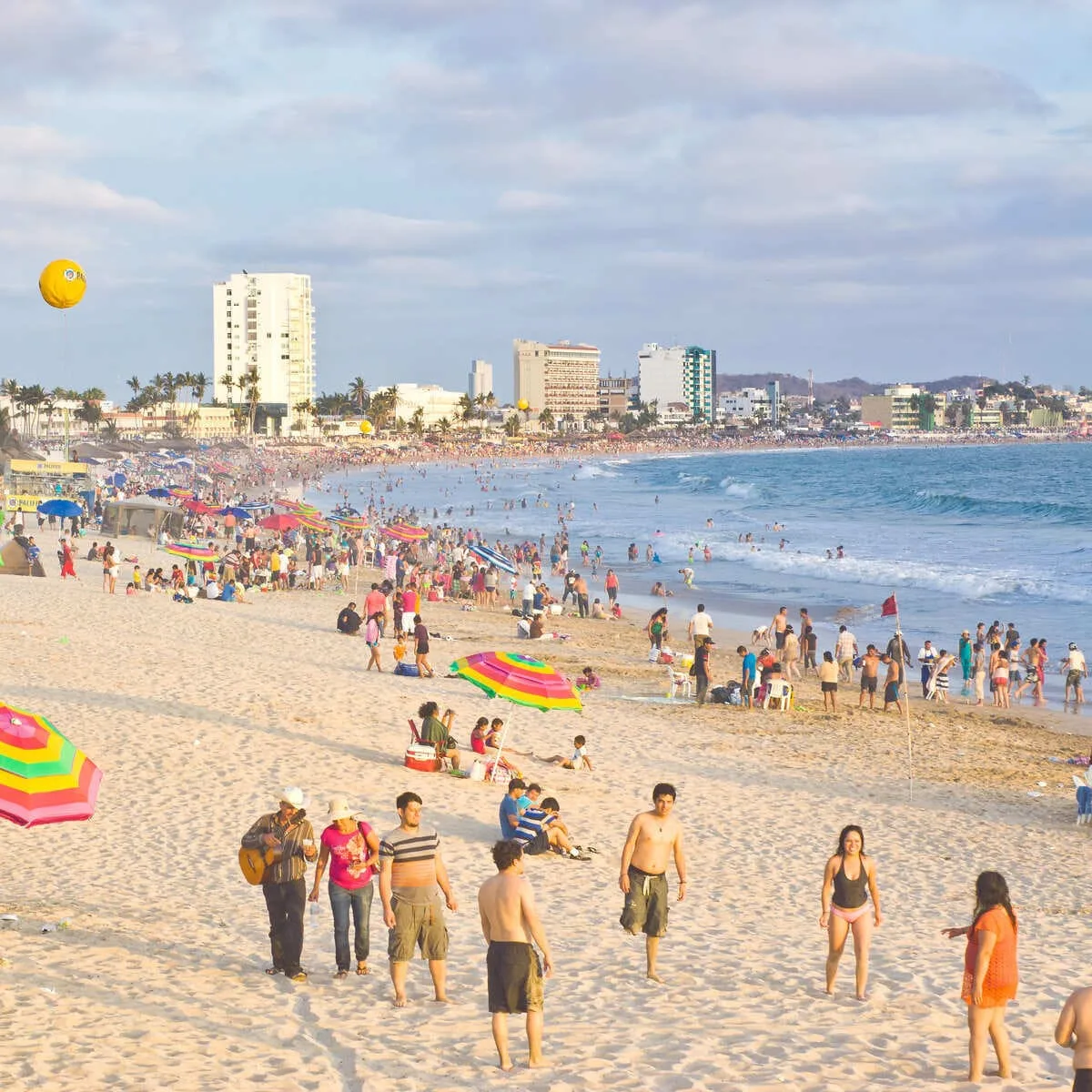
On one side, you get a postcard-perfect stretch of golden sand, so vast you’ll rarely feel like it’s crowded, even on weekends. On the other, high-rise hotels, lively bars, and waterfront restaurants serving up fresh seafood daily.
Point being, Cancún’s chaotic Hotel Zone doesn’t really stack up against Zona Dorada in that regard.
It caters not only to an international crowd, but also to locals and regional visitors. It’s somewhere people actually live, as opposed to being just another gated luxury enclave, and you actually feel like you’re in a real Mexican city instead of an exclusive bubble built around the convenience of American tourists.
No $10 street tacos, watered-down margaritas, or gimmicks: rapidly growing as it may be, Maz is a living city that wasn’t born primarily to host gringos sometime in the 70s. Sorry, the Cancun slagging-off just has to continue.


It’s been on the map for far longer than that, and that kind of deeply rooted identity can’t be dismantled or sanitized so quickly.
Is This Lowkey One Of Mexico’s Prettiest Historic Centers?
Coastal vibes aside, Mazatlán’s beating heart is its Centro Histórico, a well-preserved cluster of colonial buildings that gives the city a depth most Pacific beach hotspots in Mexico lack. Cabo, we’re looking at you.


Unlike many coastal “historic zones” that are curated for tourists and only “look” old, Mazatlán goes all the way back to the early 1800s and still feels properly lived-in.
Think cobble-paved lanes, family homes with pastel façades, flower-draped balconies and sun-faded shutters, 19th-century churches that look weathered on the outside yet hide lavish interiors, and palm-shaded plazas that feel like the town’s actual living room.
Very little, if any, gentrification to make locals anxious about more tourists coming.
While Maz as a whole is a sprawling coastal city with development zones galore, the old center survived modernization better than many historic districts in Mexico, anchored by major landmarks such as Teatro Ángela Peralta, an Italian-inspired Neoclassical opera house with a horseshoe-shaped interior, and a soaring cathedral basilica that wouldn’t exactly look out of place in Spain.
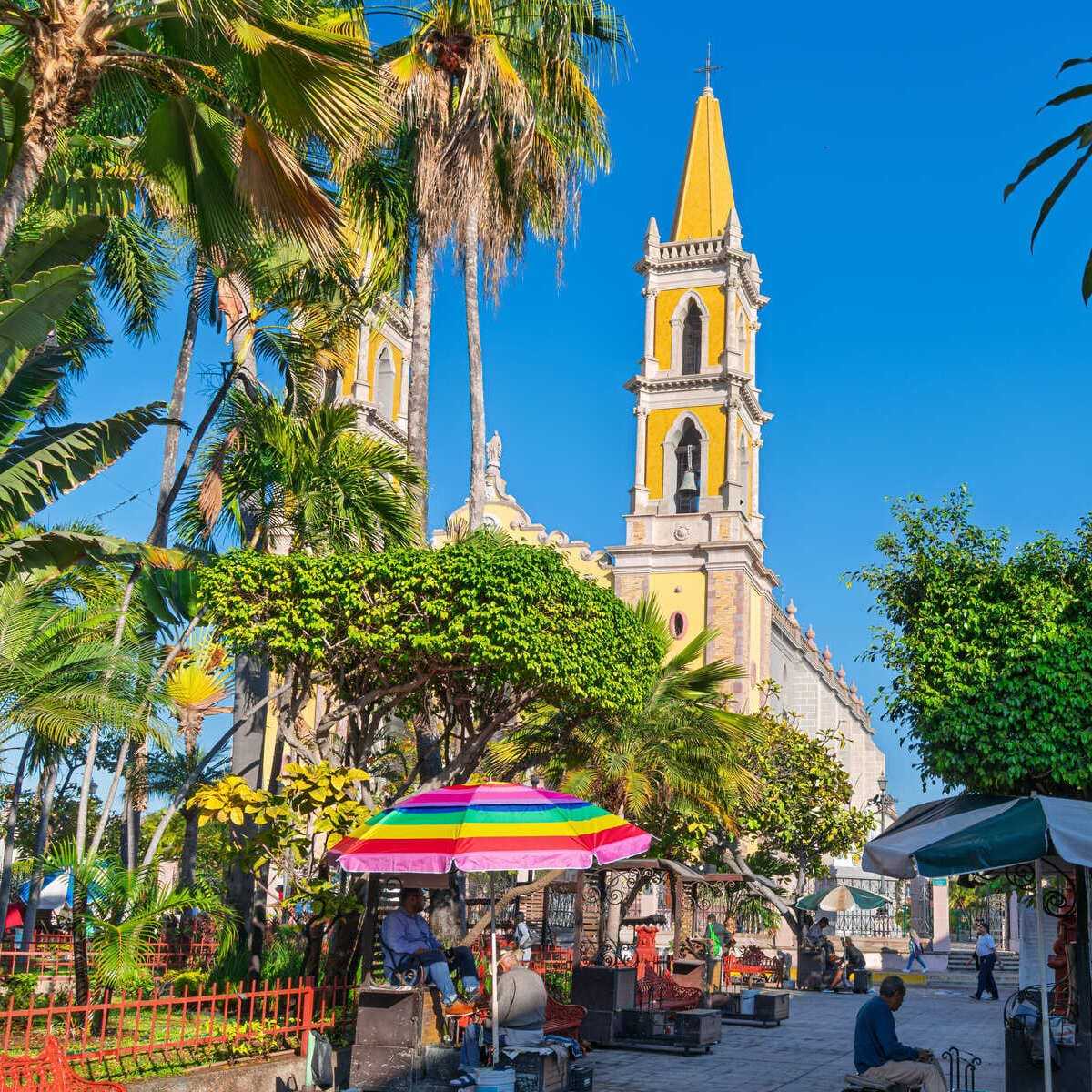
Plazuela República, a small square near the cathedral, is your go-to spot for people-watching and grabbing street food on the go, while Olas Altas, the water-facing promenade, is a small beach just below the Old Town.
Unlike Zona Dorada’s buzzing promenade, this one has a more chill, laid-back vibe, and as the name indicates, it’s a magnet for surfers.
To our fellow foodies out there, make sure you book a table at Casa 46, a beloved culinary institution in downtown Maz known for its high-end twist on Mexican classics and its elegant setting.
The Issue Of Safety


On top of its gorgeous beaches and timeless Historic Center, Maz is actually surprisingly safe by Mexican standards.
Now, there’s some nuance to be observed here: it sits right on the coast of Sinaloa, one of Mexico’s main hubs for gang activity, and as we’ve seen recently with the sudden wave of violence that swept across the country in Feb, things can spiral out of control quickly.
However comma, we’ve noticed this interesting pattern in 7+ years of covering Mexico news: even when the wider Sinaloa state, or the whole country is catching fire, Mazatlán remains cordoned off from the gongshow in this sort of almost-impenetrable safety bubble.
How safe is Mazatlán, Mexico in 2026? Travelers using our Safety Index currently rank Mazatlan at an 89/100!
Although the U.S. State Department advises Americans against all travel to Sinaloa, they make an exception for U.S. Government employees to travel to Mazatlán specifically, as long as they do so via air and avoid driving on interstate roads.
They won’t actively tell you, a regular citizen, that it’s ok to go, but let’s face it: if Embassy staff are cleared to vacation here, so are you.
Violence is generally concentrated elsewhere, often in inland cities or rural zones, like Culiacán, where armed conflicts indeed erupt every now and then.
Maz, on the other hand, is a major beach destination, with hotels, cruise ship dockings, a growing expat community, particularly American retirees, and foreign visitors that bring a ton of money.


Local authorities, and even gangs, have a shared understanding not to scare that off. Violence that impacts tourists would hurt everyone‘s income stream, so they keep it nice and cozy.
This doesn’t mean crime doesn’t take place. If anything, we would advise you to just keep a low profile and not do obvious gringo stuff, like leaving a bag unattended on a beach or taking cash out in public, completely oblivious to your surroundings.
Overall, though? Downtown Maz—we repeat, Downtown Maz—is as safe as it gets in the Mexican Pacific.
Before you fly internationally, regardless of country or region, make sure you look up the official Travel Advisory that applies at your destination here.