When you picture an island getaway in Italy, chances are Capri is the first destination that pops to mind.
The jet-setting, star-studded rocky outcrop may have the world-famous beach clubs and the glowing turquoise sea grottoes, but it’s the last place you want to be if authentic Italian charm, and sun-drenched vacays that won’t break the bank are on your radar.
Now, believe it or not, there’s another island gem not far away, a short 1-hour crossing from Naples, that Italians themselves prefer over Capri.
Think picture-perfect pebbled beaches hugged by crystal-clear seas, Ancient Roman ruins with maybe half the Pompeii crowds, if that, and laid-back coastal towns where time just seems to slow to a standstill. Welcome to Ischia:
Now This Actually Feels Like Italy
At roughly 6 miles wide and 4 miles, Ischia is way bigger than the tiny offshore volcano that is Capri, but still small-enough to explore in a few days.
It’s pretty densely populated, with around 62,000 people spread across coastal settlements and inland mountain villages. And if you’re wondering about the vibe here, think more lowkey and nature-heavy, way more chill, less flashy.
Not your typical Southern Italy tourist hotspot, if you catch my drift.
Thermal hot springs and spa parks are a huge deal, and dominating the island’s landscape, Mount Epomeo is a dormant volcano offering sweeping views of the Gulf of Naples. The beaches are a mix of sandy and rocky coves, and as for the food?
Visiting Europe this summer? The Old Continent has recently overhauled most of its long-established travel rules, and it now expects Americans to provide fingerprints and a facial scan in order to be granted entry, among other updated rules.
Make sure you check the Entry Requirements that apply at your destination for U.S. passport holders in advance.


If you were impressed by Amalfi’s half-decent, bog-standard pasta, you’re in for a big treat here. Ischia is not exactly a hidden gem only Italians go to, per se, but it has successfully maintained its authenticity and centuries-old traditions, instead of caving to gentrification and mass tourism.
What To See In Ischia This Summer
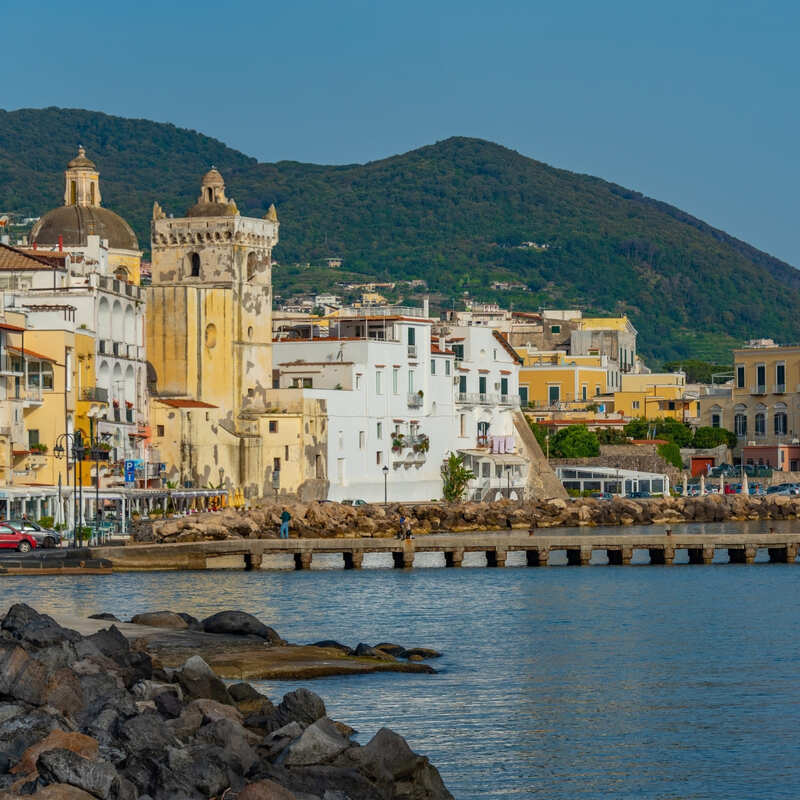
A good place to start is Ischia Porto, the main port and busiest hub on the island.
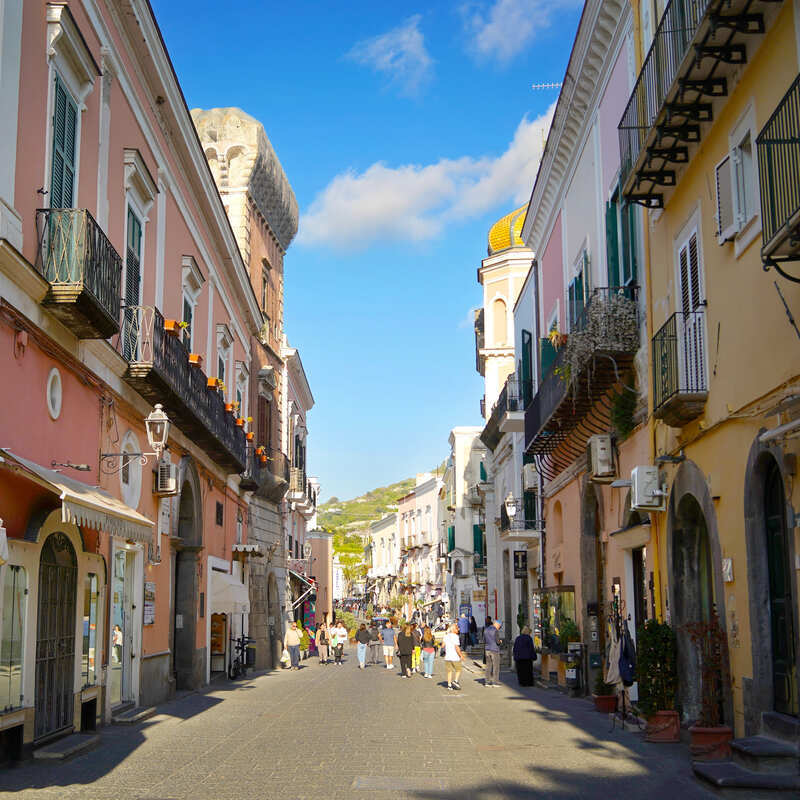
Known for its picturesque harbor, dotted with bobbing boats and yachts, and timeless Historic Center, criss-crossed by buzzing shopping streets, it’s the gateway for ferry arrivals and the perfect base for some later-on island exploration.
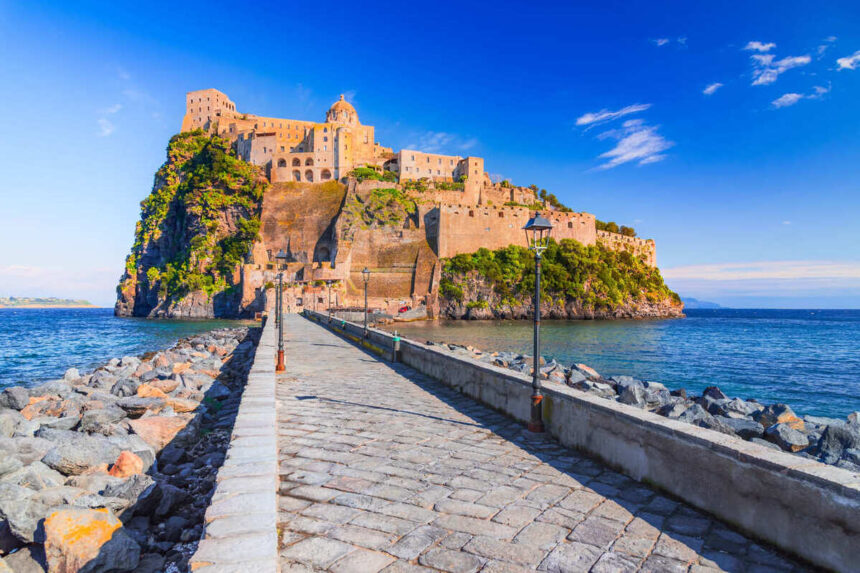
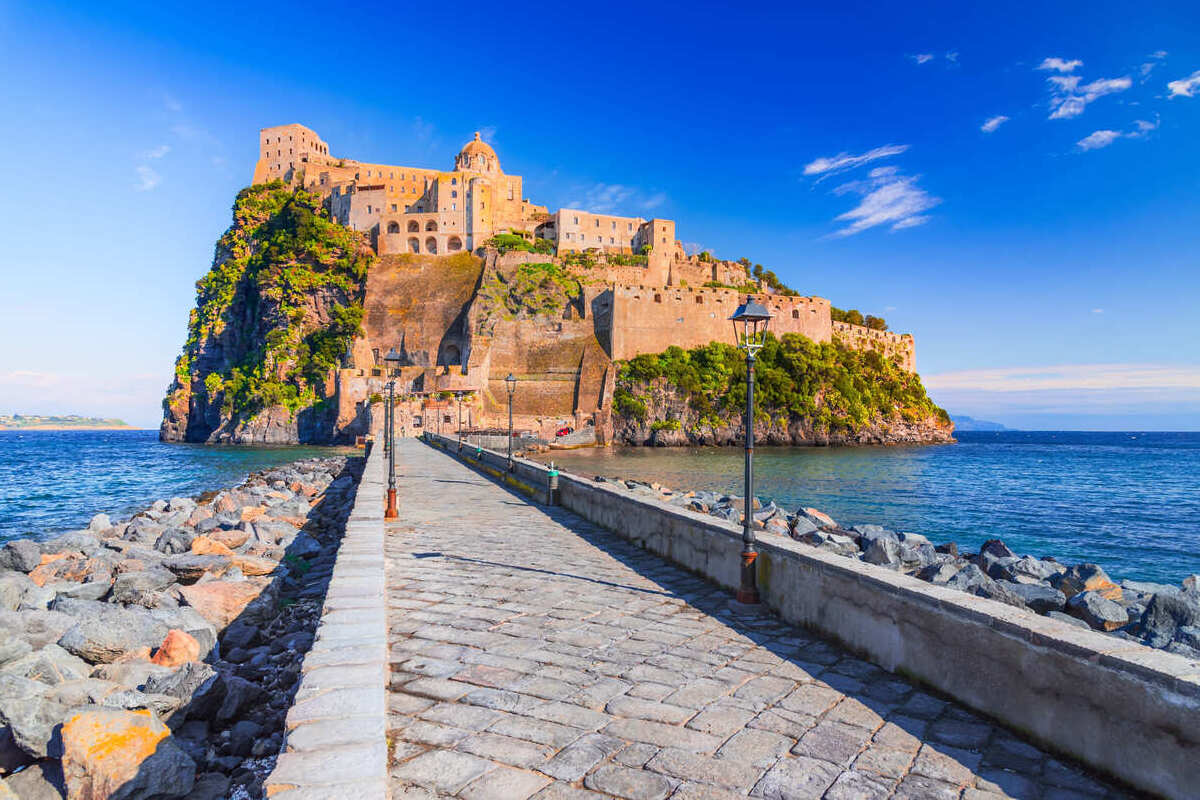
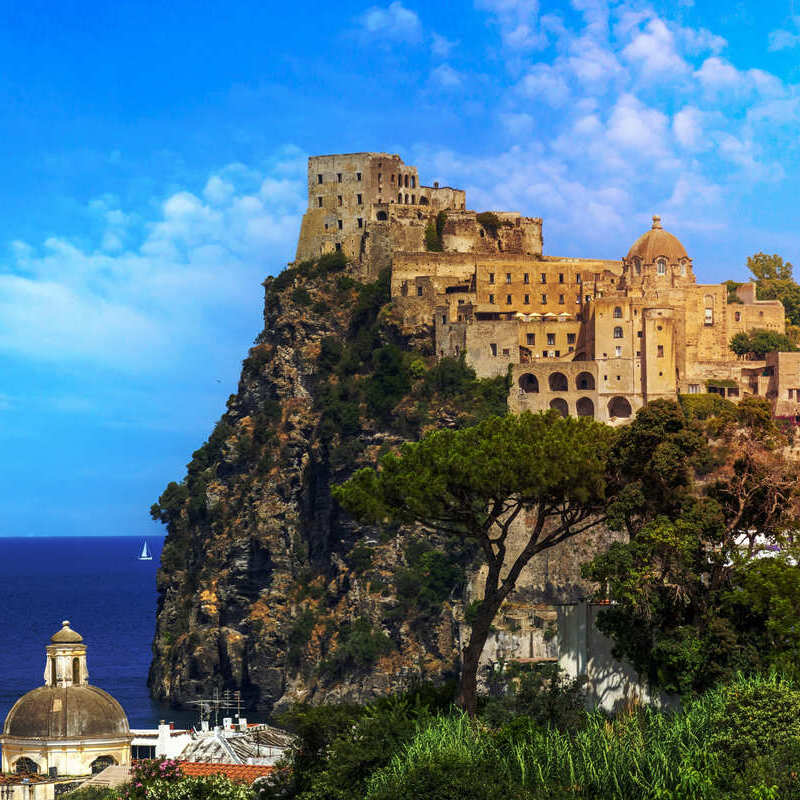
A short 2 miles from the port, Aragonese Castle is a must-see fortress perched on a craggy islet, connected to Istria via a causeway.
This is the classic Ischia postcard you’ll sometimes see doing the rounds on niche Instagram circles, and the go-to backdrop for those blood-orange sunsets over the Tyrrhenian Sea.
Medieval sights aside, if you’re craving some of Ischia’s renowned pasta, you might want to book a table at Portobello Restaurant. Their paccheri with shrimp and zucchini will forever live in our hearts (and palate), and the harbor views are unmatched.
Now, here’s what tourists get wrong: they usually come to Ischia for the day, usually on a return trip from Naples, but they miss the whole point about visiting the island in the first place entirely.
Ischia Porto is a pretty good intro if you only have two or three hours to spare, alright, but it’s far from being representative of the island’s actual raw, unspoiled charm.
Beautiful Coastal Villages Galore
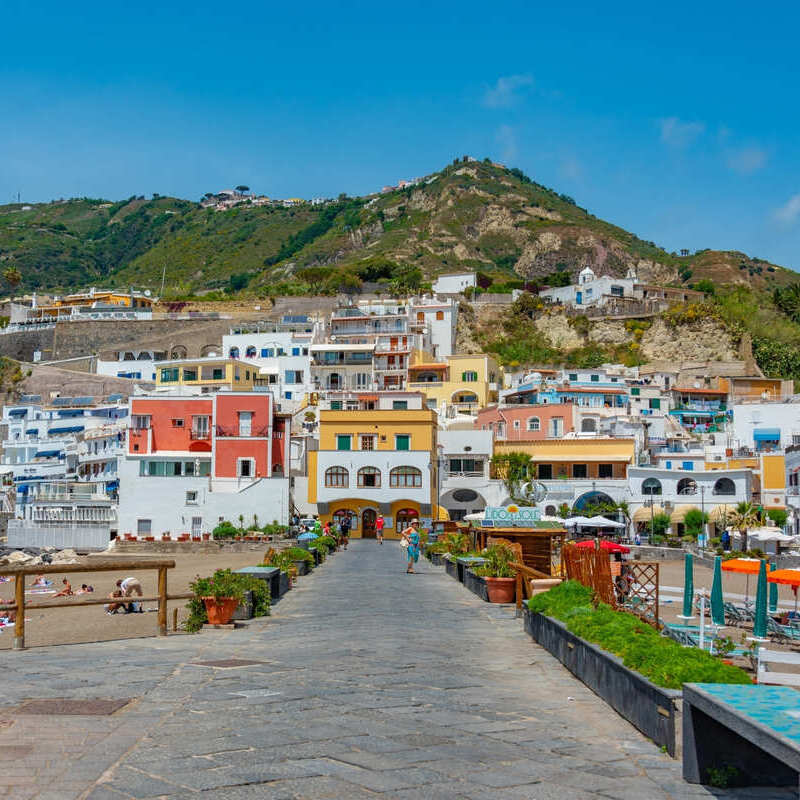
Probably the prettiest village on the island, Sant’Angelo is a low-key coastal spot on the southern coast of Ischia known for its car-free core—only pedestrians can access the village’s core—and pastel-colored houses that cascade right down to the water.
Home to the most legendary sunset in Ischia, thanks to its prime spot facing the side of the island where the sun drops straight into the sea, Forio has plenty of seaside bars and a no-frills, bohemian atmosphere you won’t really find anywhere along the Amalfi Coast.
It’s Chiesa del Soccorso, a whitewashed church sitting on a neighboring promontory, which gives off serious Santorini vibes (minus the blue dome), and if you’re coming all this way, you might as well enjoy some quality time at the beach.
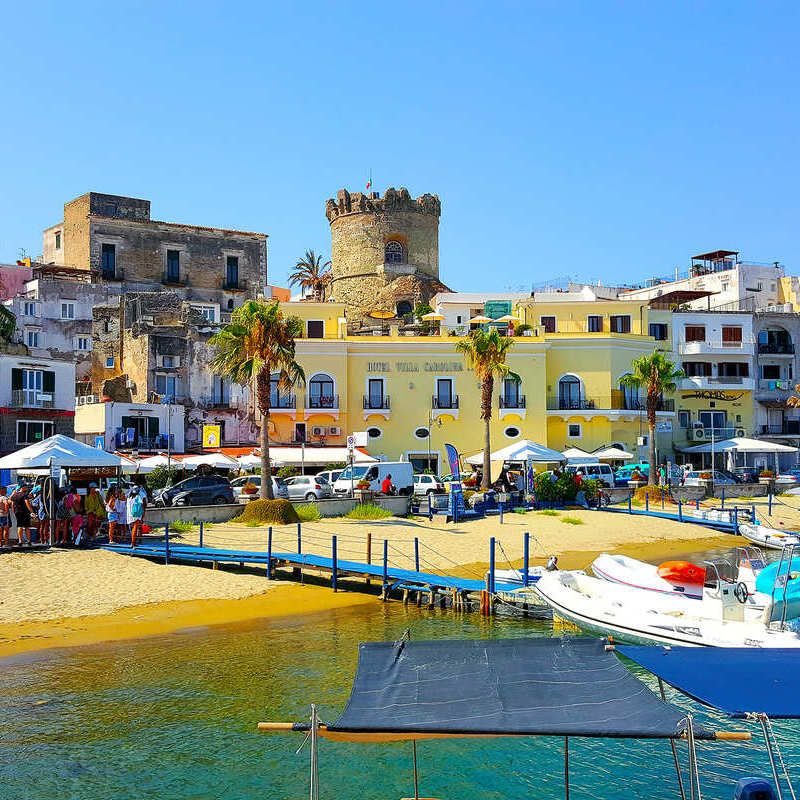
Forio has beautiful, long, sandy stretches, which are rare for the volcanic islands in this Gulf. Citara and Chiaia are some of the best ones, and they offer easier swimming conditions than other rockier parts of Ischia.
A 5-minute drive from Forio, the Poseidon Thermal Gardens is one of the island’s many thermal spa complexes. Hot springs right above the sea, poolside drinks flowing, and terraced gardens stretching down to the water.
For the nature enthusiasts out there, you definitely don’t want to skip Serrara Fontana and a hike to Monte Epomeo.
This is one of Ischia’s small, quiet mountain villages, with stone houses, narrow lanes, and that ‘old Ischia’ feel the resort-lined coast lacks, and it’s the base for Epomeo hikes. That would be the highest volcano on the island, rising some 2,589 feet above sea level.
Wondering how safe Italy is right now? Check the Traveler Safety Index to see what other travelers have been reporting:
How Actually Cheap Is Ischia?
Onto the most pressing question you’ve probably been waiting for. How actually affordable is Ischia?
Though it’s one of Italy’s least-developed regions, Campania (which includes Naples, the Gulf of Naples islands, and the Amalfi Coast) is among the country’s priciest and most touristy destinations.
We’ve touched on this briefly before, but Ischia is not your usual sleepy, backwater, unheard-of Italian gem.
It’s actually quite popular and well-established on the tourist map. That being said, it has more space—it’s about 4 to 5x larger than Capri—more room to breathe, better for longer stays, less crowded, and significantly cheaper.
Let’s compare both real quick:
Price Difference (Capri vs Ischia)


Hotels
- Ischia: $80–$200/night (mid-range)
- Capri: $200–$350/night for similar accommodation
Food & drinks
Ischia
- Pasta meal: $15–$25
- Nice dinner: $30–$50
Capri
- Pasta meal: $25–$40
- Upscale dinner: $50–$100
Transport
Ischia
- Bus rides across the island: $2–$3
- Taxi (long ride across the island): $20–$40
Much larger island but cheaper rates per mile.
Private cars allowed.
Capri
- Taxi from port to town: $25–$40 for a short ride
- Boat taxis/private transfers: $80–$150+
Every mode of transport is priced ‘luxury micro-island’ style.
No cars are allowed for tourists in summer.
In general, prices in Ischia can be up to 30% cheaper than Capri, especially when tourist zones in both are compared.
Bottom line:
- Ischia is a medium island: not exactly tiny, yet easy to explore
- Best for: hot springs, nature, chill Italian vibe
- Prettiest towns: Ischia Porto, Sant’Angelo, Forio, Serrara Fontana
- Top draws: thermal baths, castles, sunset views
- Cost: mid-range, not necessarily budget-friendly, but notoriously cheaper than Capri
Heading to Italy this summer?
Beat the crowds and go truly off the beaten path: see our 5 handpicked ‘uncovered’ Italy destinations in 2026.