Summary created by Smart Answers AI
In summary:
- Tech Advisor compares Google Pixel and Samsung Galaxy flagship smartphones, examining key differences in performance, cameras, displays, and AI features that matter most to buyers.
- Pixel excels in natural photography and seamless AI integration, while Samsung leads in raw performance, gaming capabilities, and vivid display quality with faster charging speeds.
- The choice depends on user priorities: Pixel suits those wanting simplicity and Google integration, while Samsung appeals to customization enthusiasts and power users.
If you’re looking for a flagship phone and are struggling to decide between a Samsung and a Pixel, it’s understandable. Both have a focus on AI features. Both offer a strong camera set-up. Both promise seven years of software updates. And pricing is closer than ever, with both the Pixel Pro and Galaxy S Ultra starting around £1,000.
But use either for a week and those similarities fade fast.
We’ve reviewed every flagship launched by Samsung, whose flagship models are denoted by the S in their model name, and Google. In this article, we’ll give you advice on which brand’s flagship is right for you, based on the features you care most about.
Software compared
Pick up a Pixel and you’re using it within minutes. It runs Google’s version of “stock” Android with no bloatware and no extra apps competing with Google’s own calendar or browser. The core OS is similar but the experience is where they differ.
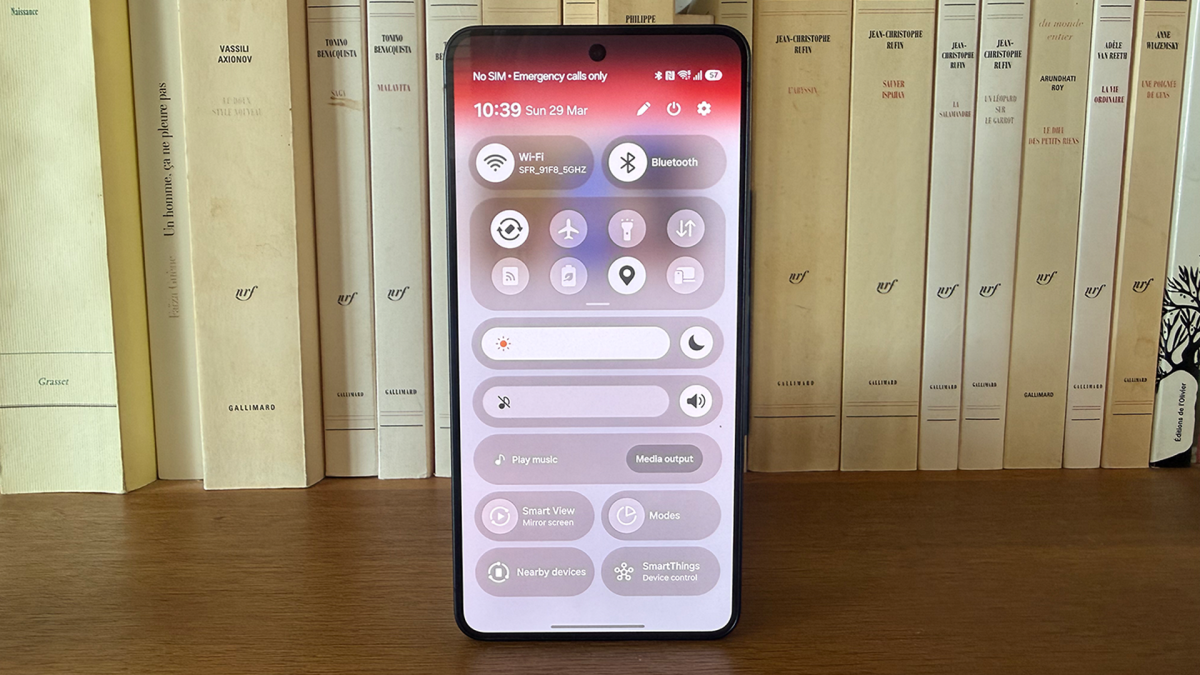
Samsung’s One UI offers a more customised skin with inbuilt features. Samsung pushes its own set of apps, some of which overlap with Google apps. Take the internet browser, for example. It merely duplicates Chrome, adding extra clutter. But other apps and features are genuinely useful. The customisation suite Good Lock, for instance, is something power users actually reach for. Plus, Samsung packs in extra gestures and its own notification panel design.
Neither is objectively better, as it depends entirely on what you want from a phone. If you want a clean interface, the Pixel is usually the better fit. If you want to customise the phone or want the phone to deliver more than just basics, Samsung has the advantage.
One UI has genuinely improved – it’s not the cluttered mess it used to be, but a clean Pixel setup still takes less time to get comfortable with.
If updates matter a lot to you, Pixel gets updates faster than Samsung. Samsung needs more time to release a stable version of One UI.
Camera vs camera
Foundry | Alex Walker-Todd
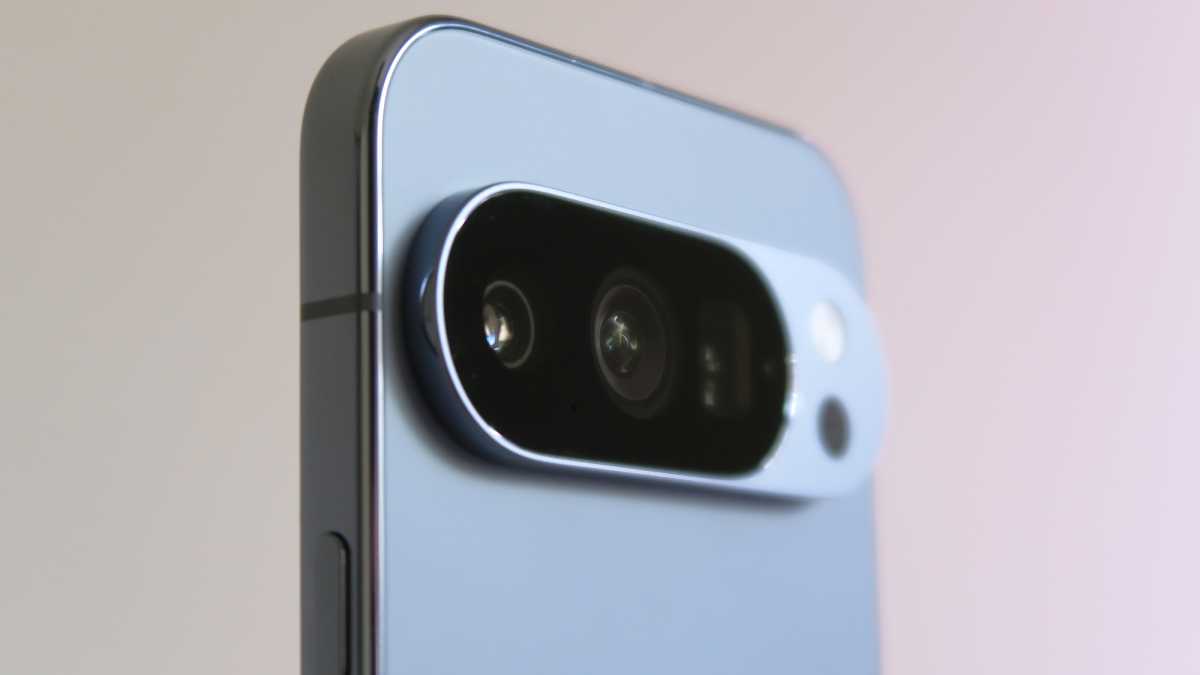
Pixel has generally been the more consistent camera for years. The Pixel 10 Pro XL doesn’t change that. Historically, both Samsung and Google delivered flagships packed with serious camera performance. Neither has ever had a permanent lead.
Samsung’s zoom capabilities (100x space zoom) are well known. Its high-resolution sensors and advanced night mode photography remain among the most versatile on any smartphone.
Where computational photography is concerned, Pixel has set the standard for years. It’s known for superior HDR processing and using AI to create true-to-life results.
The hardware tells part of the story. Take the Pixel 10 Pro XL, for example. It has a 50Mp main sensor, a 48Mp ultrawide, and a 48Mp 5x telephoto. And all three cameras pull their weight. The Galaxy S26 hardware is similar to the Samsung S25, with a triple camera setup. But the difference is in what Google does with the shot after you take it.
Pixel tends to handle image processing more reliably. Take a photo in low light and Pixel’s processing will make it look natural, with less noise. But if you want to go further, the Samsung Galaxy S26 Ultra adds a wider f/1.4 aperture and brings new AI video tools like Nightography and Horizon Lock for steady handheld footage.
This observation also matches with the results of Tech Advisor’s camera comparison of the Pixel 9 Pro and Galaxy S25 Ultra, where Pixel produced more natural-looking shots, while Samsung leaned brighter and more HDR-heavy.
For most people, Pixel is more consistent for everyday shooting. It’s not always the flashiest, but the photos come out well without intervention. But Samsung has an edge if zoom range is important to you.
Performance
Google uses its own Tensor chip. It’s never been a very powerful processor on paper. Nor did it ever aim to top benchmark charts – that’s not the point of it. Google uses Tensor to better optimise Pixel phones for AI features, voice processing, photography and everyday use.
Samsung generally uses high-end Snapdragon processors that offer stronger raw performance. This gives them an advantage in demanding tasks such as gaming, multitasking and sustained heavy use.
The Pixel 10 Pro, for example, uses Google’s new Tensor G5. It’s a meaningful step up from the G4 chip inside the Pixel 9. It’s fast, more efficient, and better at handling AI tasks. Meanwhile, the Snapdragon 8 Elite Gen 5 on Samsung S26 pushes harder, with better thermal management and more raw power. You get superior multitasking and a stronger GPU for sustained gaming.
In benchmarks, Samsung still leads but in daily use you won’t notice any difference. Open Gmail and both phones will feel identical. Most people never push their phone hard enough to feel the difference.
| Phone | Year | Chipset | Benchmark 6 Score (multi-core) |
| Samsung Galaxy S Ultra | |||
| Galaxy S23 Ultra | 2023 | Snapdragon 8 Gen 2 | 4,996 |
| Galaxy S24 Ultra | 2024 | Snapdragon 8 Gen 3 | 7,141 |
| Galaxy S25 Ultra | 2025 | Snapdragon 8 Elite | 9,413 |
| Galaxy S26 Ultra | 2026 | Snapdragon 8 Elite Gen 5 | 11,283 |
| Google Pixel Pro | |||
| Pixel 7 Pro | 2022 | Tensor G2 | 3,162 |
| Pixel 8 Pro | 2023 | Tensor G3 | 3,962 |
| Pixel 9 Pro | 2024 | Tensor G4 | 4,483 |
| Pixel 10 Pro | 2025 | Tensor G5 | 6,333 |
| Pixel Pro XL | 2025 | Tensor G5 | 5,123 |
The real difference shows up under load. Pixels are built for everyday use, editing, and real-time translation. They aren’t designed to run demanding games for hours. Most users don’t need that from a phone but if you do, Samsung is a safer bet.
Display
Adam Smith / Foundry
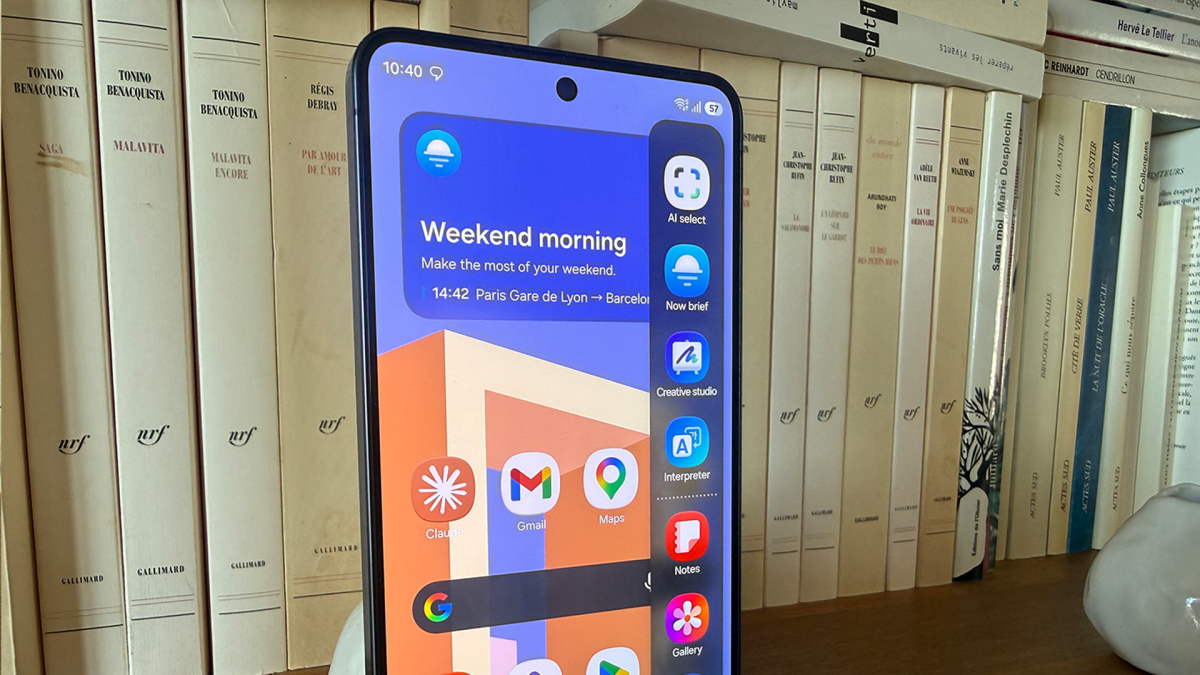
Both brands offer excellent picture quality. Arguably, Samsung still has the edge on display. Google Pixel focuses on colour accuracy and a clean viewing experience. Samsung’s S series is more vivid and punchy.
The S26 screen is the kind of display that makes you want to pick up the phone. The 6.3-inch panel on the model hits 2,600 nits peak brightness. S26 Ultra takes it further with its Privacy Display feature that narrows the viewing angle in crowded places so nobody beside you can read your screen.
The Pixel 10 has a 6.8-inch LTPO OLED. It’s bright, sharp and significantly better than the Pixel 9’s screen. Google has clearly invested here.
Side-by-side, both screens look sharp and vibrant but Samsung generally delivers more vivid colours and offers a better viewing experience. Pixel offers more colour accuracy but Samsung edges it out for most people – that’s just the reality.
Battery and charging
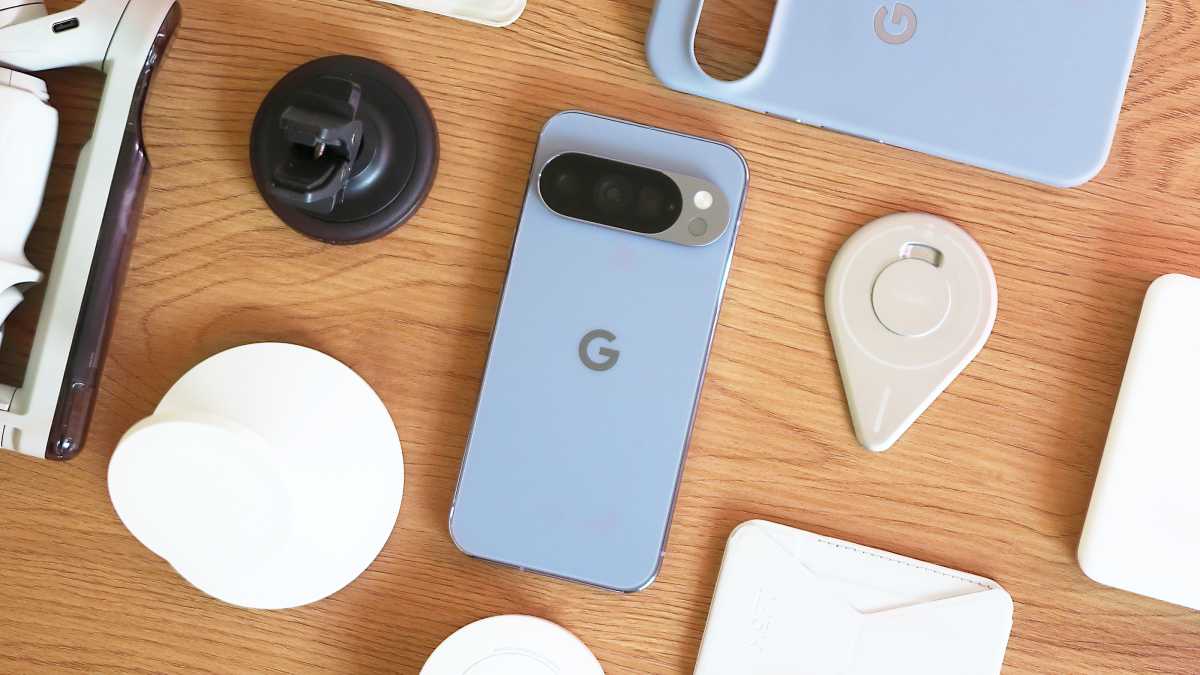
Battery specifics vary enough to be worth paying attention to, as battery life differs depending on the model you choose.
The Pixel 10 Pro XL variant packs a 5,200 mAh battery with faster charging speeds. Samsung’s battery is variant-dependent as well. The S26 model comes with a 4,300 mAh battery, while the Ultra adds 700 mAh more, with significantly faster charging.
The pattern holds across older models as well.
| Model | Battery | Wired Charging |
| Pixel 8 Pro | 5,050mAh | 30W |
| Samsung S24 Ultra | 5,000mAh | 45W |
| Pixel 9 Pro | 4,700mAh | 27W |
| Pixel 9 Pro XL | 5,060mAh | 37W |
| Samsung S25 Ultra | 5,000mAh | 45W |
| Pixel 10 Pro | 4,870mAh | 30W |
| Pixel 10 Pro XL | 5,200mAh | 45W |
| Samsung S26 Ultra | 5,000mAh | 60W |
Battery life varies more by model than brand name. Samsung’s Ultra tier has historically had faster charging. Pixel’s Pro models matched them on battery size but lagged on charging speed, until recently. The S26 Ultra’s jump to 60W means Pixel’s 45W ceiling now looks like the older phone, even when it isn’t.
Features and ecosystem
Adam Smith / Foundry
Pixel’s features are deeply integrated. Some of these have been around for a few generations now, and they still work better than anything Samsung has produced.
You get scam detection that identifies suspicious calls before they reach you. Magic Cue, new on the Pixel 10, surfaces relevant information from your emails and calendar during calls. Live Translate converts conversations in real time using your own voice, not a robotic one.
Most of these features work quietly in the background. You don’t need to configure them and they just do their job.
Samsung’s Galaxy AI suite covers more ground: photo editing tools, Generative Edit, Photo Assist, and Audio Eraser. The S26 and S25 series both pushed these heavily. Some of it is genuinely impressive. Some of it you’ll use once and forget about. Now Brief and Now Nudge are good examples.
Samsung also has a broader connected ecosystem, including Galaxy Watches, Galaxy Buds, and DeX desktop mode. Pixel connects deeply with Google services, Gmail, Google Photos, and Google Maps. For most Android users, that’s already where they live.
Which should you buy?
Across the lineup, the prices are close enough that it rarely decides things. For most people who want a phone that works well without much thinking, the Pixel is an easier recommendation. The camera is consistent and AI features are well integrated with recent generations of models.
If you’re into customisation or want to play long gaming sessions, the Samsung is a better fit. The impressive display is a plus. And if you’re already in the Galaxy ecosystem, the Galaxy S series is one of the most feature-rich Android phones available. That’s hard to argue with.
But capabilities and suitability may not match. Just as Pixel rewards people who want simplicity, Samsung rewards those who want to push their phones to see what they can do – and there’s a lot of space to do that.
Read next: