Every year, thousands of American students and tourists head to Mexico for spring break, drawn by the country’s beaches, nightlife, and warm climate.
However, the U.S. government is urging travelers to stay alert and informed after recent security concerns and ongoing risks in certain areas.
In a public message issued by the U.S. Mission to Mexico on March 2, officials emphasized that while recent unrest has subsided, travelers should remain cautious.
The guidance encourages U.S. citizens to review the latest travel advisories and take proactive safety measures before heading to popular destinations.
Safety Concerns Remain Despite End of Recent Violence
Authorities say the immediate wave of violence triggered by Mexican security operations in late February has ended. However, crime remains a significant concern across parts of Mexico, including areas popular with tourists.
Officials warn that violent crimes such as homicide, kidnapping, carjacking, and robbery can occur anywhere in the country. Spring break destinations—often crowded and nightlife-focused—may present additional risks, particularly late at night.
Travelers are urged to remain vigilant, avoid isolated areas, and stay in groups when possible.
Strict Laws Travelers Should Know Before Arrival
Many travelers may be unaware that some items commonly carried in the United States are illegal in Mexico.
Authorities stress that drug possession—including medical marijuana—is prohibited and can lead to lengthy prison sentences. In recent cases, some tourists have also experienced severe illness or death after consuming synthetic drugs or counterfeit prescription pills.
Mexico also bans vaping devices and e-cigarettes. Bringing them into the country can lead to confiscation, heavy fines exceeding $10,000, or even arrest.
Weapons laws are also strict. Firearms, ammunition, knives, fireworks, and even empty shell casings can lead to serious criminal charges, and U.S. carry permits have no validity in Mexico.
Health and Alcohol Risks for Tourists
Beyond crime, officials highlight several health risks that travelers should consider.
Private hospitals in Mexico may charge higher prices than facilities in the United States and often require upfront payment. Travelers are advised to ensure their health or travel insurance covers international medical care.
Another warning involves unregulated alcohol, which has occasionally been contaminated. Some tourists have reportedly lost consciousness or been injured after consuming tainted drinks. Authorities recommend watching drinks being prepared and never leaving beverages unattended.
Counterfeit medications are also common in some areas. Visitors should purchase medicines only from reputable pharmacies.
Beach and Excursion Safety
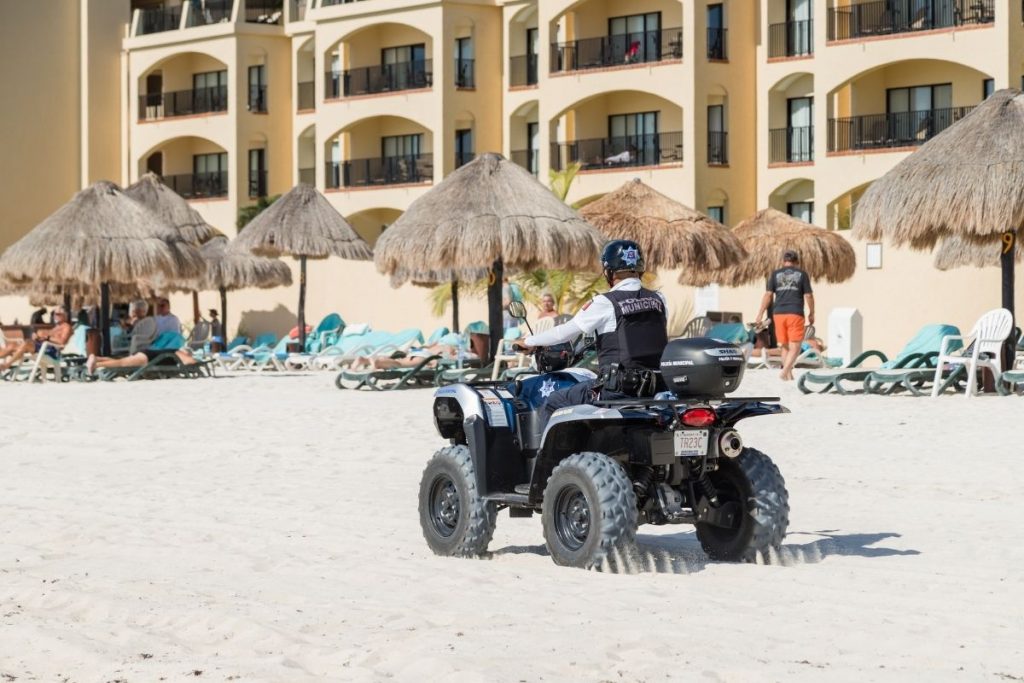
Mexico’s beaches remain a major attraction, but officials caution that strong currents and rip tides can make swimming dangerous. Some beaches lack lifeguards or warning signs.
Travelers are advised not to swim alone, avoid entering the water after drinking alcohol, and respect warning flags posted along beaches.
Those booking excursions or renting vehicles such as ATVs should confirm that operators provide proper safety equipment and insurance. Travelers should also avoid leaving their passports as collateral when renting vehicles.
Avoiding Scams and Staying Connected
The advisory also warns about scams targeting visitors. Extortion schemes—including so-called “virtual kidnappings”—are increasingly common.
Tourists are encouraged to avoid sharing travel plans or hotel details on social media and to be cautious when meeting people known only online.
The U.S. government recommends enrolling in the Smart Traveler Enrollment Program (STEP), which allows travelers to receive safety updates and enables U.S. embassies to contact them during emergencies.
Visitors should also monitor credit card transactions, limit the cash they carry, and use official taxis or ride-share services when traveling.
Practical Steps Before Traveling
Officials recommend that travelers carefully review the latest Mexico travel advisory and confirm their passport is valid before departure.
Tourists visiting popular areas such as Cancun, Playa del Carmen, Tulum, and Cozumel are encouraged to download the local Guest Assist mobile app for emergency services and tourist assistance.
In emergencies, travelers can call 911 in Mexico, though authorities note it may help to have a Spanish speaker make the call.
Ultimately, officials stress that being informed and prepared is the best way to enjoy a safe spring break in one of the world’s most popular vacation destinations.