If you have a cruise booked this summer, this story is not something you can scroll past.
A suspected hantavirus outbreak aboard a cruise ship in the Atlantic Ocean has killed three passengers and left at least three others seriously ill — with 17 American citizens still trapped on board and unable to disembark.
What Happened on the MV Hondius
The three dead were cruise passengers on the MV Hondius, a Dutch-flagged ship operated by Oceanwide Expeditions, currently anchored off Praia, the capital of Cape Verde, an island nation off the west coast of Africa.
The ship left Ushuaia in Argentina about seven weeks ago and made stops in Antarctica and the remote British territory of Saint Helena before anchoring in Cape Verde. Passengers visited some of the world’s most remote destinations along the way, including wildlife-rich islands with whales, dolphins, penguins, and seabirds.
Two of the passengers who died were identified as a married couple — a 70-year-old Dutch man and his 69-year-old wife, who collapsed at Johannesburg’s international airport while trying to fly home and died at a local medical facility. A third death occurred on board. A British national with a confirmed hantavirus diagnosis is currently in intensive care in South Africa.
What Is Hantavirus — and How Worried Should You Be?
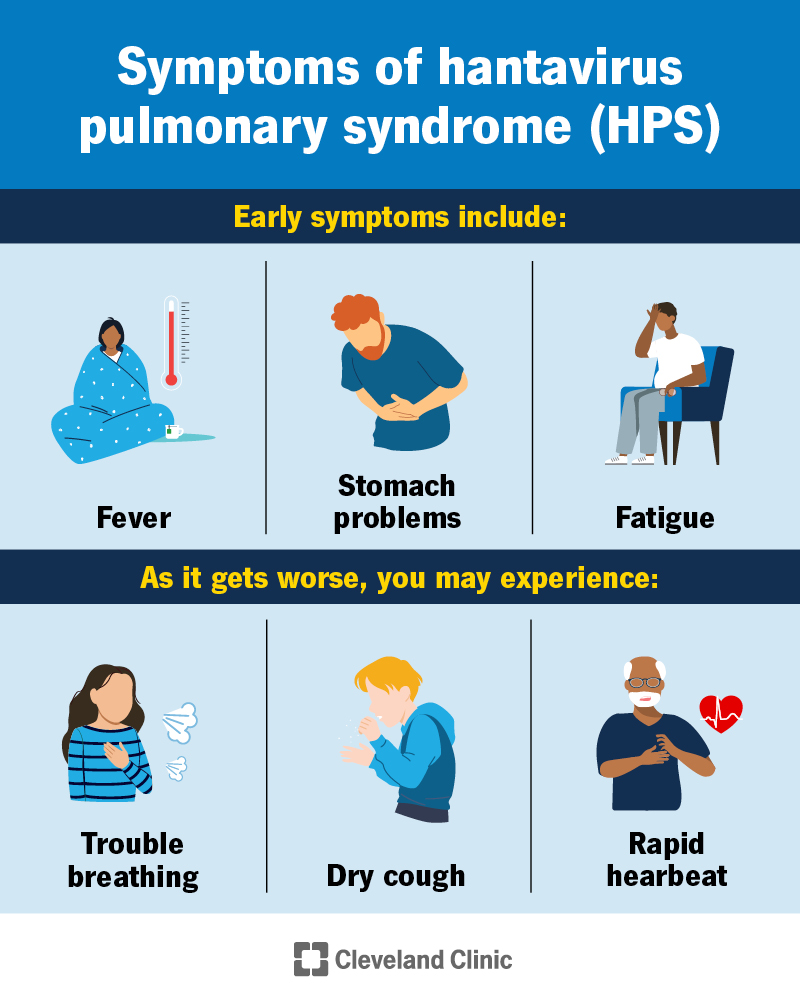
Hantaviruses are usually spread by exposure to the urine, saliva, or feces of infected rodents such as rats or mice. Symptoms typically begin with fatigue, fever, and muscle aches, but can progress to coughing, shortness of breath, and tightness in the chest as the lungs fill with fluid. More than one-third of patients who reach the respiratory stage may die from the syndrome.
One doctor who tracks infectious diseases called the situation deeply unusual. “When I first read this, I thought that they were making a misprint,” said Dr. Scott Miscovich, a family physician and President of Premier Medical Group, after news broke of a suspected hantavirus outbreak occurring on a ship that had not traveled anywhere where the virus is typically endemic.
The reassuring news: the World Health Organization said the outbreak does not represent a broad public health threat, and there is no need for travel restrictions. Only one type of hantavirus — the Andes virus, primarily found in Chile and Argentina — is known to spread from person to person, and even that is rare.
What US Cruise Passengers Should Know Before Boarding This Summer
The 17 Americans still on board cannot leave. Cape Verde’s health minister confirmed that passengers will not be allowed to disembark in the country, though local health authorities have visited the ship and assessed two symptomatic crew members requiring urgent medical care.
This case does not mean you should cancel your cruise — but it is a useful reminder of what to watch for. Before any cruise departure, check whether your ship has had recent health inspection issues through the CDC’s Vessel Sanitation Program at cdc.gov/nceh/vsp. The program grades ships after unannounced inspections and publishes results publicly.
Know your hantavirus symptoms. If you develop fever, muscle aches, and fatigue within one to five weeks of travel to rural or remote areas — particularly in South America — contact a doctor immediately and mention your travel history. Early intervention is critical.
Make sure your travel insurance covers medical evacuation. The MV Hondius case shows how quickly a health emergency at sea can strand passengers with no clear exit. Standard cruise line policies rarely cover the full cost of emergency medical transport, which can reach tens of thousands of dollars.
The MV Hondius situation is unresolved as of this morning. The WHO is actively coordinating a medical evacuation for the two symptomatic crew members still on board.
Sources: CNN, NPR, NBC News, WHO statement — May 3–4, 2026