Eurosummer is right upon us, and suddenly everyone you see on your socials seems to be living it up in an exclusive beach club in Amalfi, or posing for that Insta-perfect blue-dome shot in Santorini.
Listen, it may look like Europe is synonymous with splurging on an $800-a-night Greece villa, or paying upwards of $100 for a less-than-stellar dinner just because it overlooks Positano, but you actually don’t need to go all-out and deplete your savings account to have that dream summer.
These 4 European beach destinations have the turquoise waters, lively atmosphere, Old World charm you can only get on this side of the pond, and most importantly, they won’t bleed your wallet dry… even if you’re not checking the balance every 5 minutes.
Sarandë, Albania
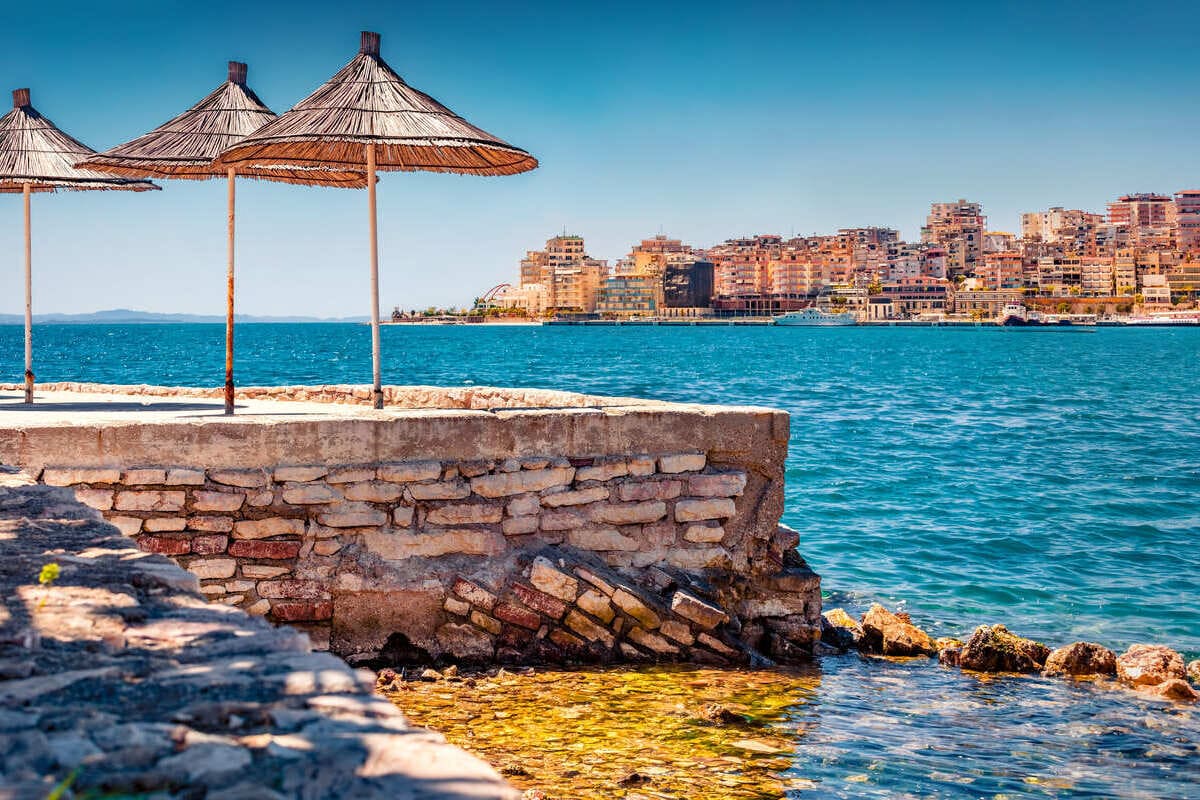
Sarandë may no longer be the hidden gem it once was—the Albanian coast looks no different than the overtouristed parts of Italy or Croatia today—but German crowds aside, it’s still great value for money.
Over in Ksamil, a popular beach in the vicinity, you’ll find powdered-sugar white sands and crystal-clear seas, of the kind you’d expect to only exist in places like the Caribbean or the Maldives, and a sunbed package (usually 1 umbrella + 2 loungers) can cost as little as $10 for the entire day.
Or the equivalent in the local currency, Albanian lek, of course.
In downtown Sarandë, a bustling city center with a long waterfront promenade backed by high-rises, grabbing a kebab-style wrap will set you back $5, while 3-course meals at mid-range restaurants range from $40 to $55… for 2 people.
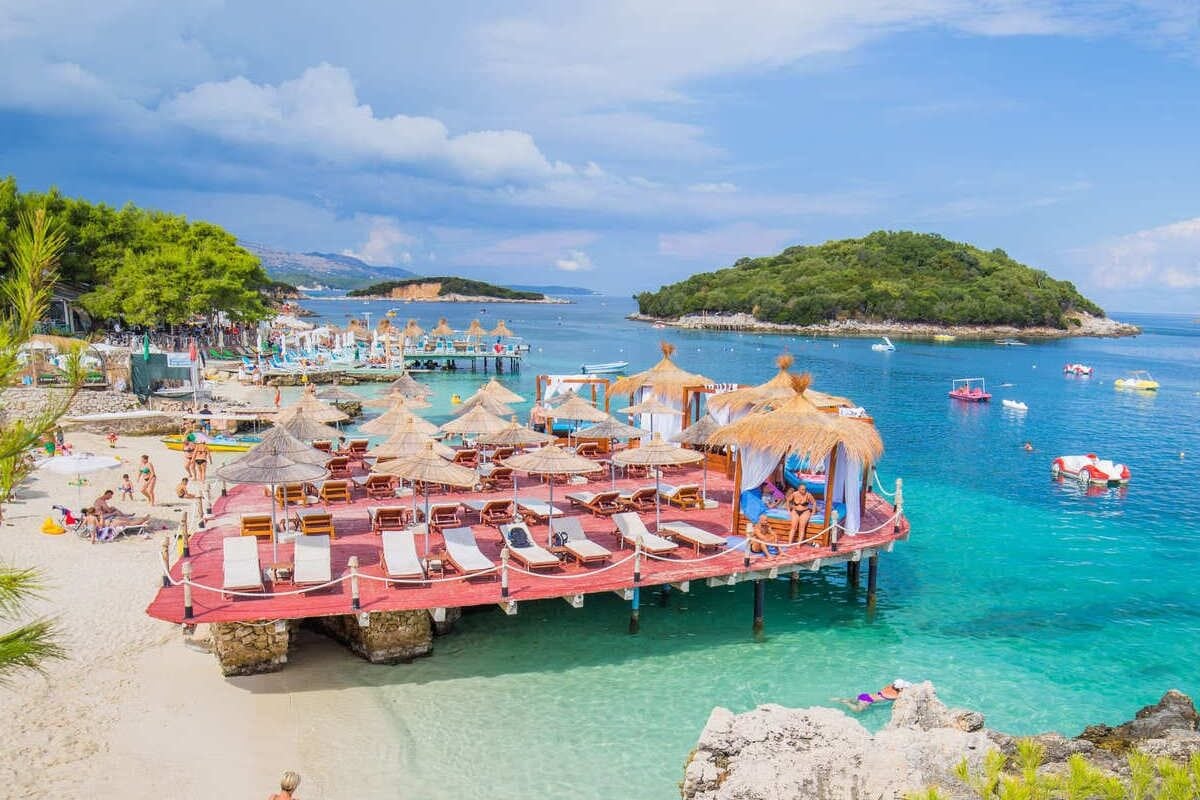
As far as accommodation goes, you can stay central for as cheap as $20-a-night (we’re talking a 2-star hotel or budget guesthouse), or if you don’t mind treating yourself a little, an upscale, condo seafront stay sits at around $120.
Even ancient ruins are cheaper to visit here: the fascinating Butrint National Park, which encompasses the remains of a millennia-old Greco-Roman city, including a half-sunken amphitheater, is behind a $11 paywall. Similar sites in neighboring countries are usually double, or even triple the price to visit.
If you’re not exactly familiar with Albania, you’re probably wondering how actually safe it is to visit.
It currently features at Level 2 on the U.S. Department of State official Travel Advisory, the same rating shared by countries like Italy and France, and it scores an acceptable 83/100 on the Traveler Safety Index:
The average is based on reports by travelers on the ground.
Northern Cyprus
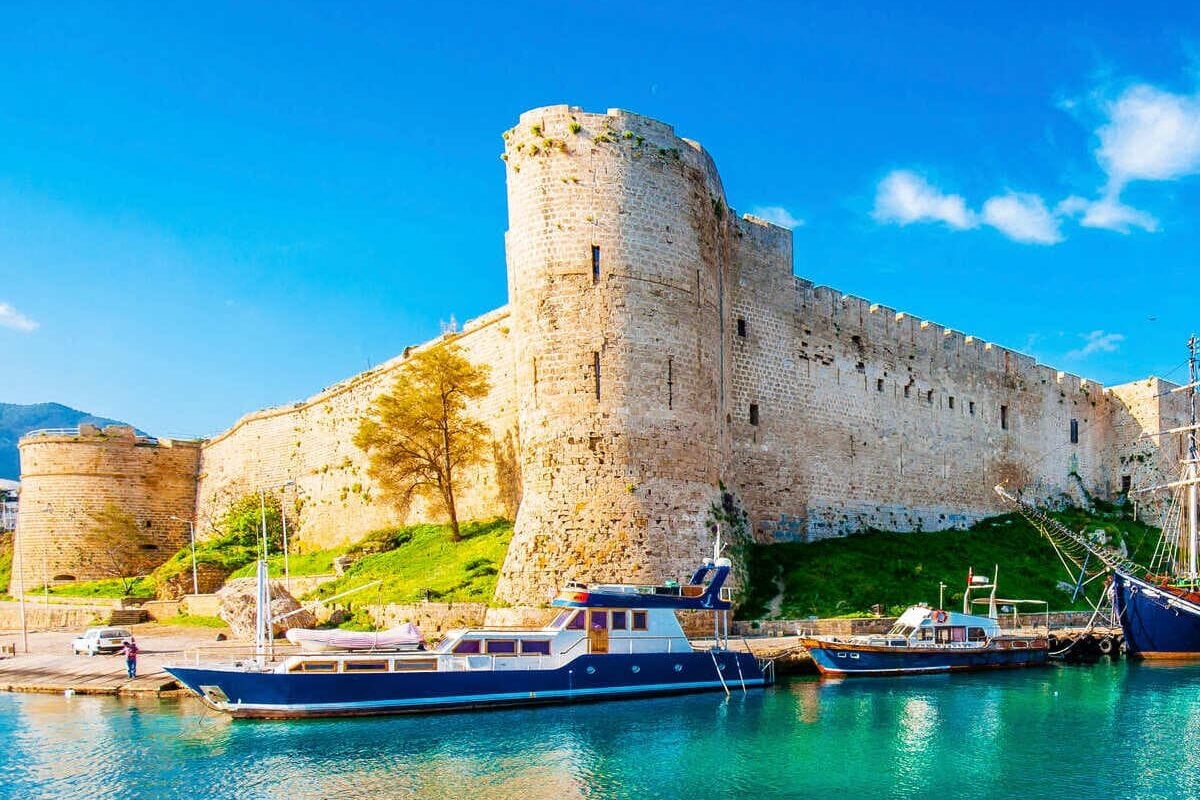
The northern part of Cyprus operates under a separate administration and follows a different system to the Republic of Cyprus in the south. As a result, it has its own institutions, border procedures, and a distinct travel setup, with the Turkish lira used locally instead of the euro.
Prices also tend to differ significantly across the divide: for example, a gyro wrap in the south might cost around $10–$12, while a similar kebab-style meal in the north can come in closer to $3–$5, depending on the spot and exchange rates.
While North Nicosia remains the main administrative and cultural hub, with its Ottoman-era caravanserais and historic mosques, much of the appeal lies further out on the Karpas Peninsula.
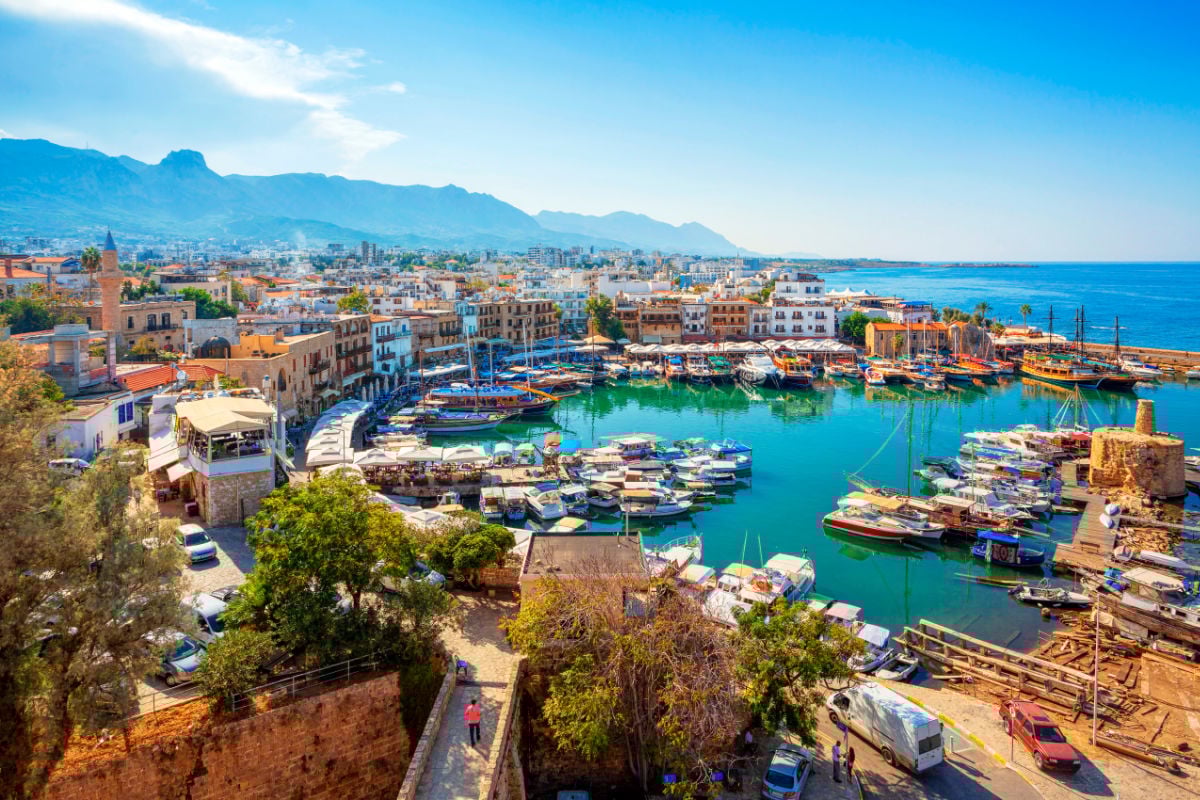
Think long, empty stretches of golden sand, sleepy coastal villages, and guesthouses going for around $40–$70 a night in some areas, often noticeably cheaper than comparable stays in the south.
One important note before planning a visit: access between the two sides is generally done via official crossing points in the capital or along the main dividing line, with entry rules depending on your arrival route. Travellers are advised to check the latest guidance before flying.
The Cyprus situation is one of several complex entry rule cases shaping travel across Europe right now—another reason it pays to double-check Entry Requirements before heading to the airport.
Varna, Bulgaria
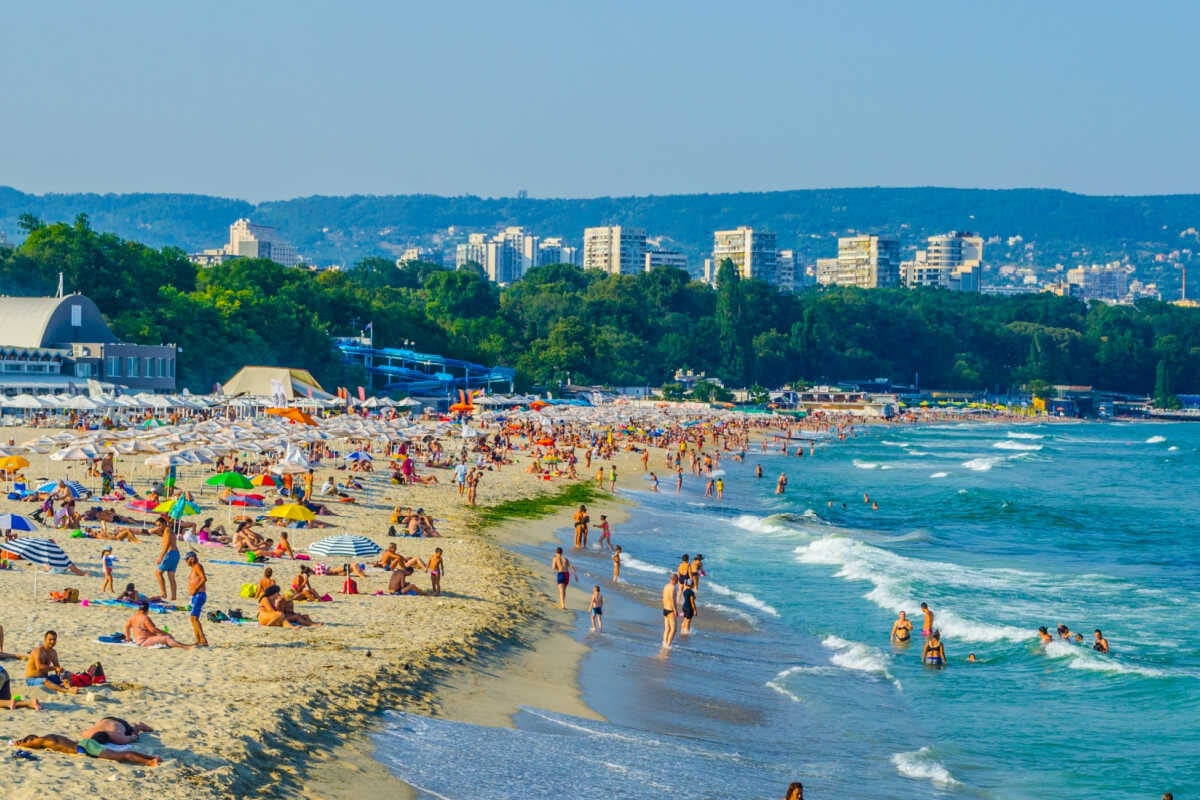
If you think of constant snowfall, ugly commie-era buildings, and Orthodoxy when you read the word ‘Bulgaria’, you might be in for a big surprise here.
Unlike Sofia, which is definitely not unanimously-adored among travelers, the up-and-coming Varna sits on Bulgaria’s sun-drenched Black Sea Coast, where summers closely resemble the Mediterranean, and honey-colored sands extend from the main municipal beach as far as the eyes can see.
The city is located close to the (aptly-named) Golden Sands, a stretch of coastal resorts where all-inclusive stays range from a shockingly-cheap $150 to $250 per night, and the backpacker-centered nightlife gives Ibiza hippy meets St Tropez’ techno babe, minus the attitude, and watered-down drinks with hefty price tags.
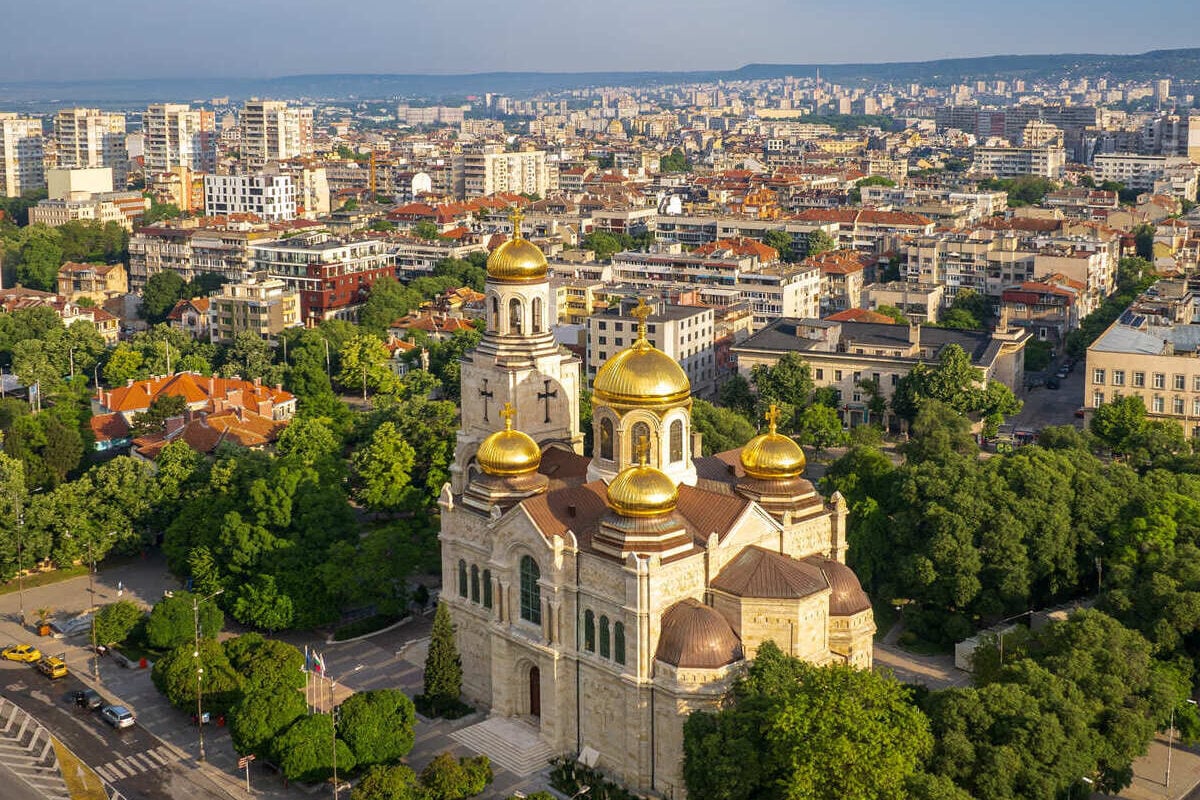
Varna is not only beaches, though: to the foodies out there, you can eat lavishly here and never feel like you’re breaking the bank. A banitsa and sour milk combo averages $4 in local bars, while a 3-course presentation in a fancier rooftop—typically consisting of a soup, a meat-heavy main, and dessert—will run you between $40–$60 for two.
Culture buffs out there, I see you: don’t miss the ‘Gold of Varna’, a 6,000-year-old set of Thracian jewelry discovered in a nearby necropolis, now displayed inside the Archaeological Museum ($11.40), and… ahem, this cute little street-corner Starbucks at 13 Voden Street.
They may, or may not have been built right on top of the ruins of the ancient Roman city of Odessos, and have the most amazing archaeological finds on display.
Kalymnos, Greece
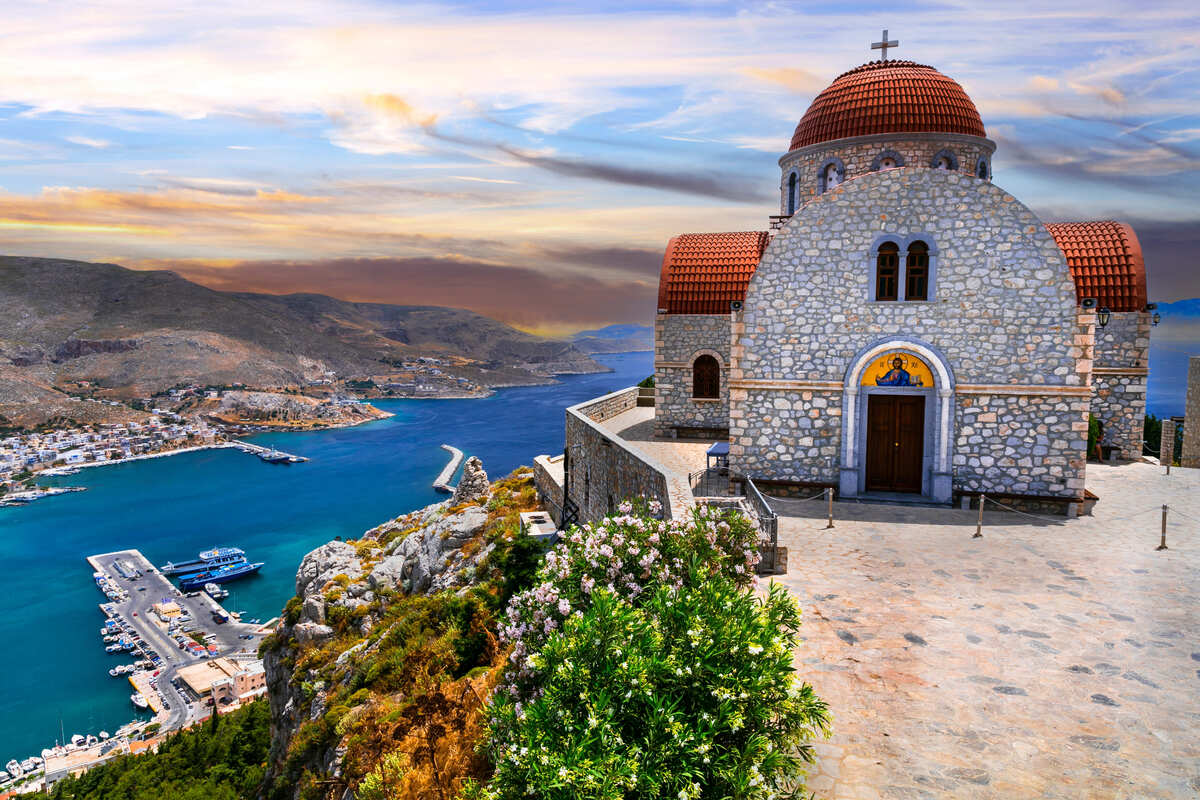
The thing most people, or should I say, one-time visitors get wrong about Greece is that Mykonos and Santorini are far from being representative of the Greek island experience.
Take somewhere like Kalymnos, for instance: a volcanic landmass in the Dodecanese, directly facing Turkey, it is Mamma Mia summer personified, scenic beaches, sleepy fishing villages, pastel-tinted harbors and all, yet none of Santorini’s inflated prices… nor crowds.
Pothia is one of the prettiest island capitals in Greece, with its Venetian-built townhouses arranged amphitheater-style around the harbor, and plethora of aesthetic, family-owned eateries. On that note, a shrimp saganaki, a side of chips and tzatziki, and locally-sourced wine equals roughly $20 in most tavernas.
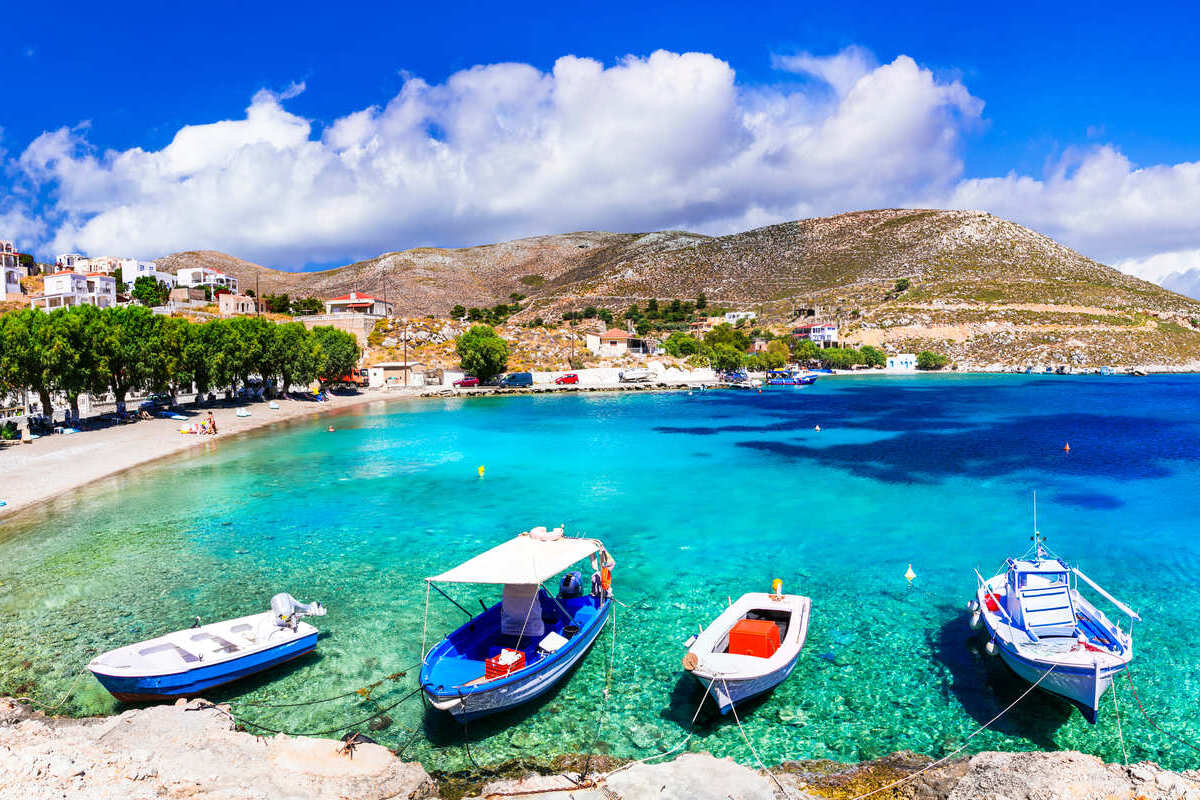
Souvlaki and gyros is even cheaper, costing $6 as takeouts.
Large-scale resorts aren’t really a thing on Kalymnos, but there are plenty of affordable guesthouses, and they’re pretty reasonably priced, too, with nightly rates ranging from $60 to $80. They’re usually cheaper to book in towns like Pothia and Chora, though they might be on the pricier end of the range in beach towns like Masouri and Vathy.
During my 3-night stint in Kalymnos recently, I might have spent around $465 overall, making Kalymnos one of the least-expensive Greek islands that I’ve been to personally, particularly compared to the Cyclades.
Read on about Kalymnos—and why it’s my new favorite Greek island—here.