You don’t always need a passport to feel like you’ve left the country. Sometimes, you just need a full tank of gas and a willingness to drive until the cell service drops.
The United States is massive, and tucked into its corners are towns that defy the standard strip-mall aesthetic. Some look like they were airlifted from the Swiss Alps; others feel like they are frozen in the 1890s or located on the surface of Mars.
These aren’t just “cute” towns. They are places with such a distinct sense of place that you genuinely forget you are in America.
Here are 10 remote U.S. towns that feel like a world away. (PLUS a quiz at the end to find your perfect match!)
1. Leavenworth, Washington
The American Bavaria
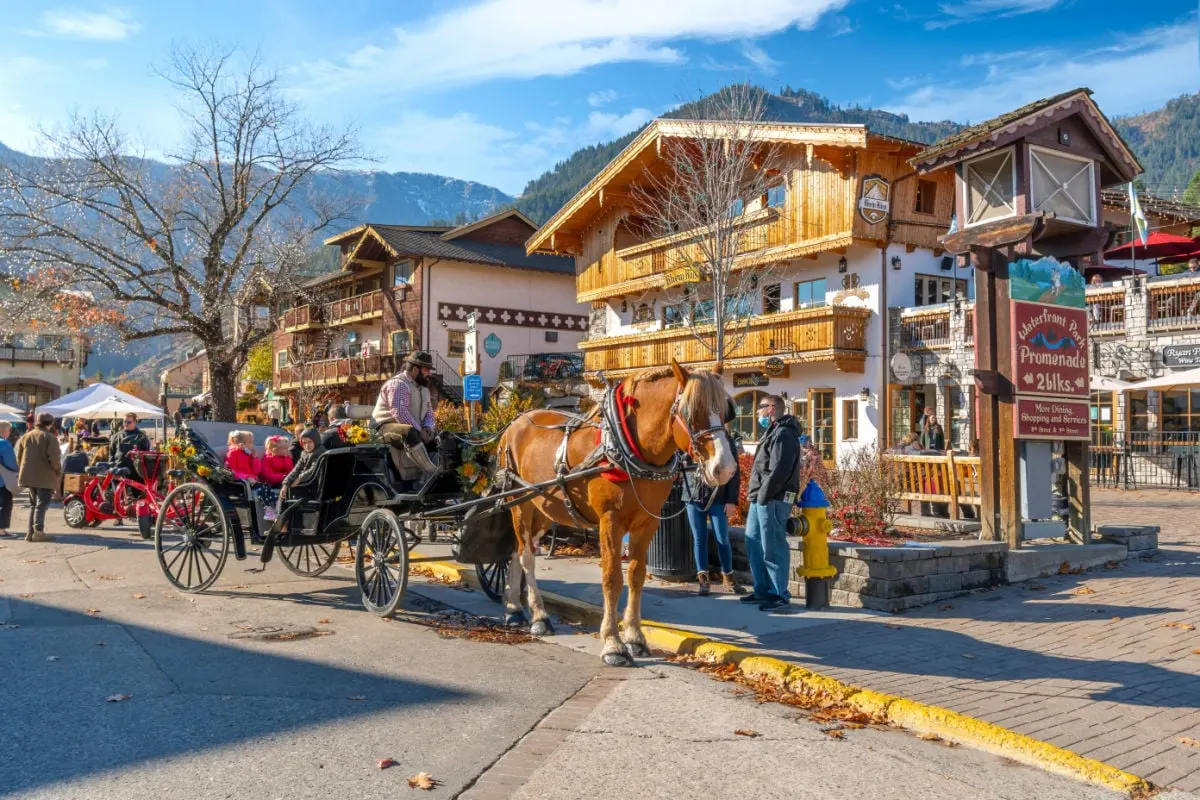
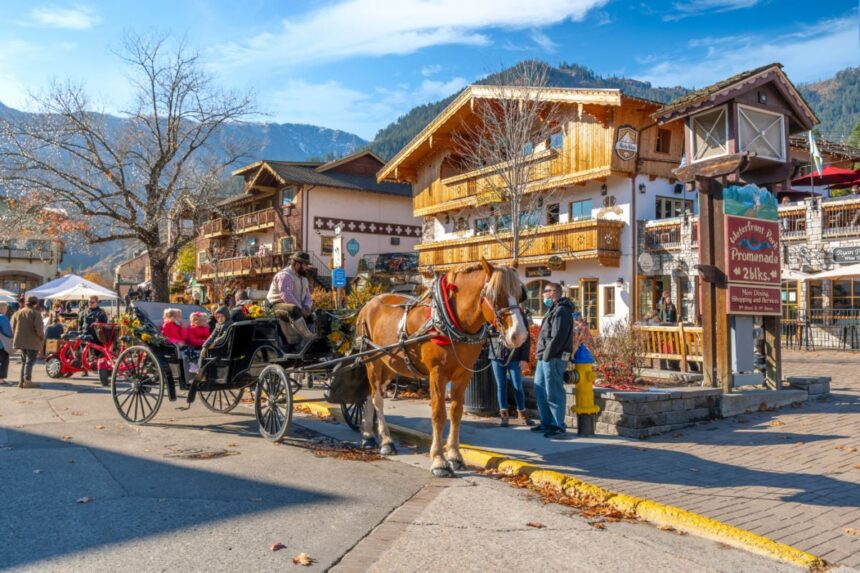
You might think a faux-Bavarian village in the middle of the Cascade Mountains would feel tacky. And honestly? It is a little tacky. But that’s the charm. Leavenworth went all-in on the theme in the 1960s to save the town from economic ruin, and they didn’t half-send it. Every sign (even the gas station) is in Gothic font. The backdrop of jagged, snow-capped peaks makes it look exactly like the Alps.
The Timing Hack:
Skip December. The Christmas lights are famous, but the crowds are suffocating. Go in October (“Rocktober”) instead. You get the fall foliage, the climbing is prime, and the brats taste just as good without the two-hour traffic jam. For food, skip the main street lines and head to Andreas Keller for authentic schnitzel underground.
2. Marfa, Texas
The Art Outpost on Mars

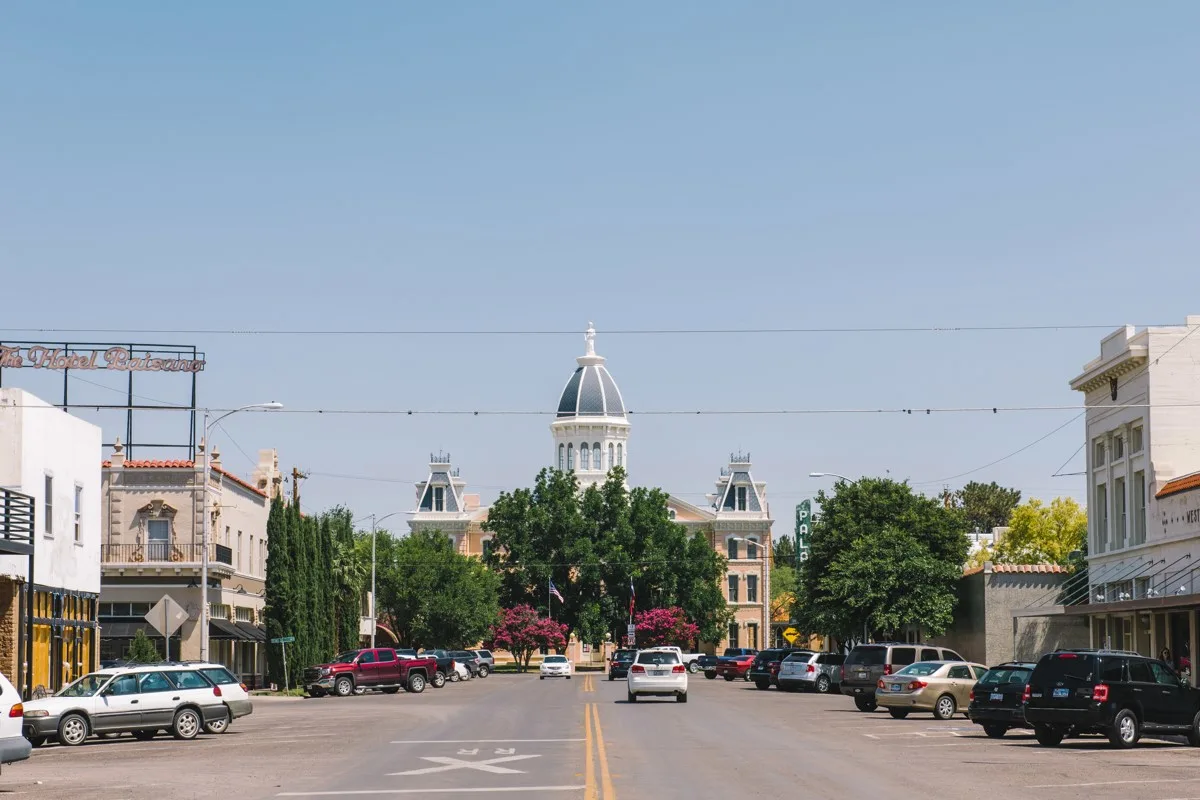
Marfa shouldn’t exist. It is a tiny speck in the high desert of West Texas, hours from the nearest airport. Yet, it is the center of the minimalist art world. You drive through endless scrubland and suddenly find massive concrete art installations, a Prada store that sells nothing, and lights in the sky that science still can’t explain.
The Art Pilgrimage
You didn’t drive all the way out here to skip the Chinati Foundation. Founded by minimalist artist Donald Judd, it’s an old military base transformed into a massive contemporary art museum. The crown jewels are Judd’s 15 untitled works in concrete—huge blocks scattered across a mile of golden desert grass. It is completely surreal to see world-class art baking under the Texas sun. And if you want to see the famous “Marfa Lights” (glowing orbs on the horizon), head to the Viewing Center at sunset. Locals say ghosts; scientists say atmospheric reflections. Either way, it’s spooky.
3. Ouray, Colorado
The Switzerland of America


People throw the word “Switzerland” around a lot, but Ouray earns it. It is wedged into a box canyon so steep that you can’t see the tops of the mountains from Main Street. There are no ski resorts here to clutter the view—just Victorian architecture and sheer vertical rock walls.
The Adrenaline Fix:
You have to do the Via Ferrata. It’s a climbing route with iron rungs bolted into the cliffside. You are dangling hundreds of feet above the canyon floor, but you are clipped in. It is pure adrenaline. Afterward, skip the public pool and soak in the private geothermal tubs at Twin Peaks Lodge.
4. Mackinac Island, Michigan
The Victorian Time Capsule

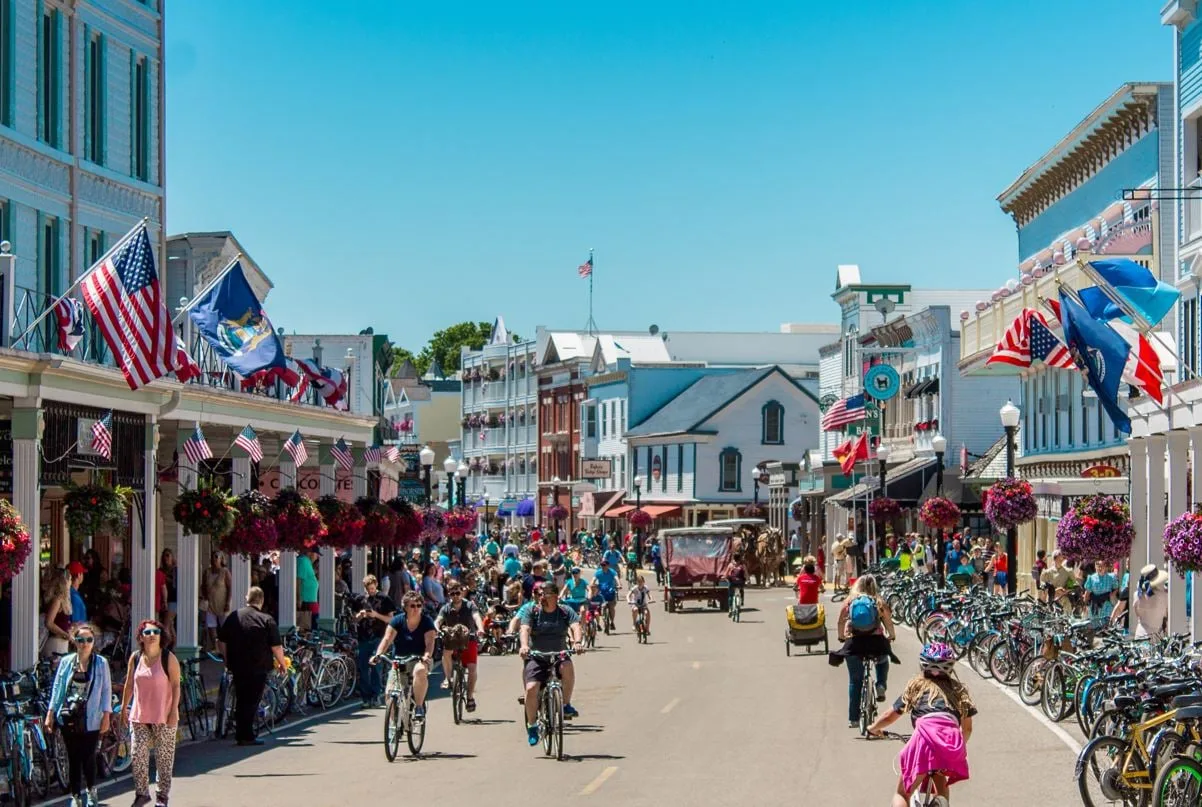
There are no cars on Mackinac Island. Not “few” cars. Zero. They were banned in 1898. You arrive by ferry, and the silence hits you instantly. The only sounds are horse hooves and bicycle chains. It feels like you stepped into a history book, but with better fudge.
How to Do It Right:
Rent a bike the second you step off the ferry. The perimeter road (M-185) is the only state highway in the U.S. where cars are banned. It is an 8-mile loop right on the water, and riding it in the early morning mist is magic. Also, pay the $10 fee to walk onto the porch of the Grand Hotel—it’s the longest porch in the world.
5. St. Augustine, Florida
The Spanish Colonial Fort
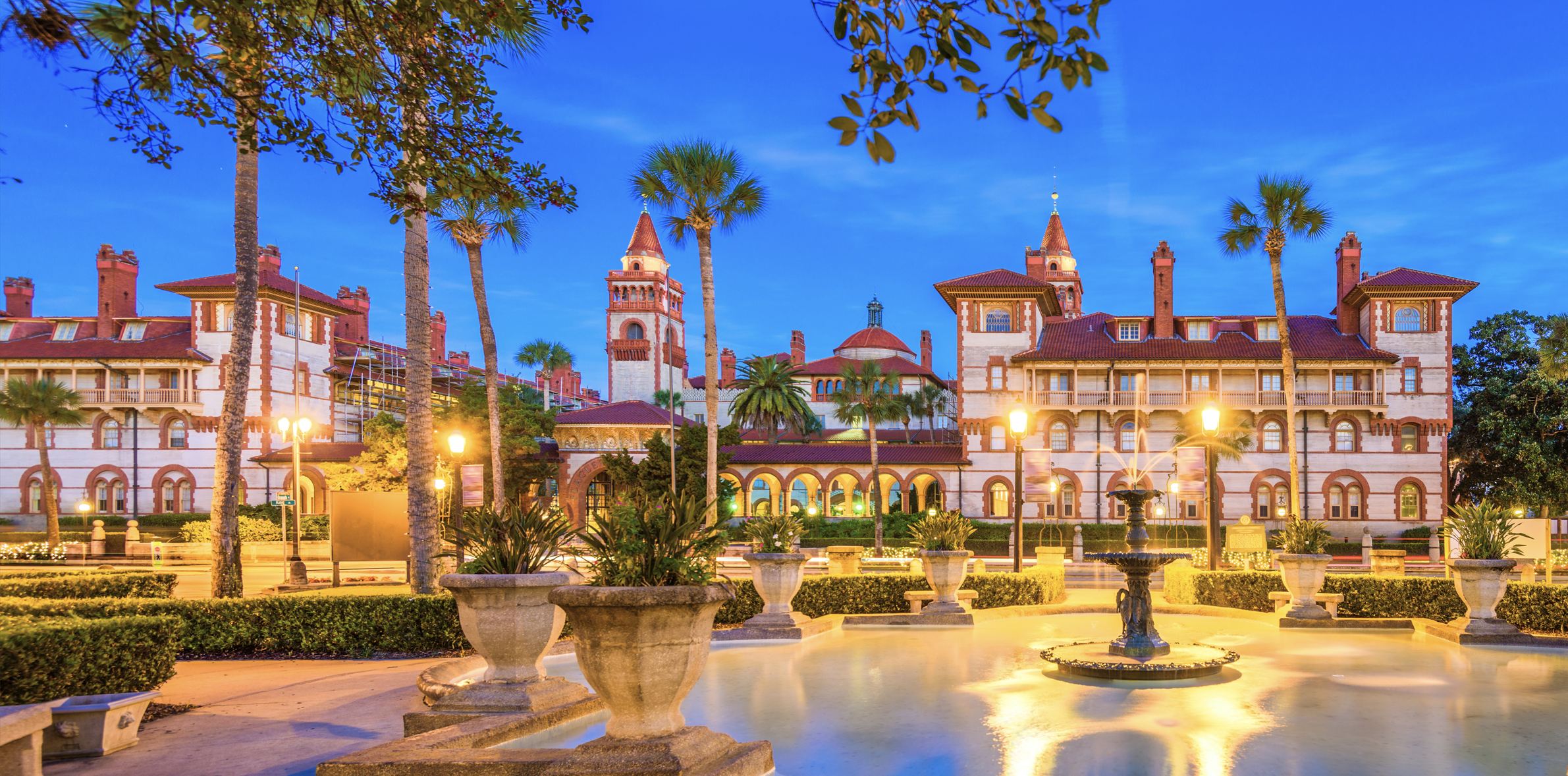
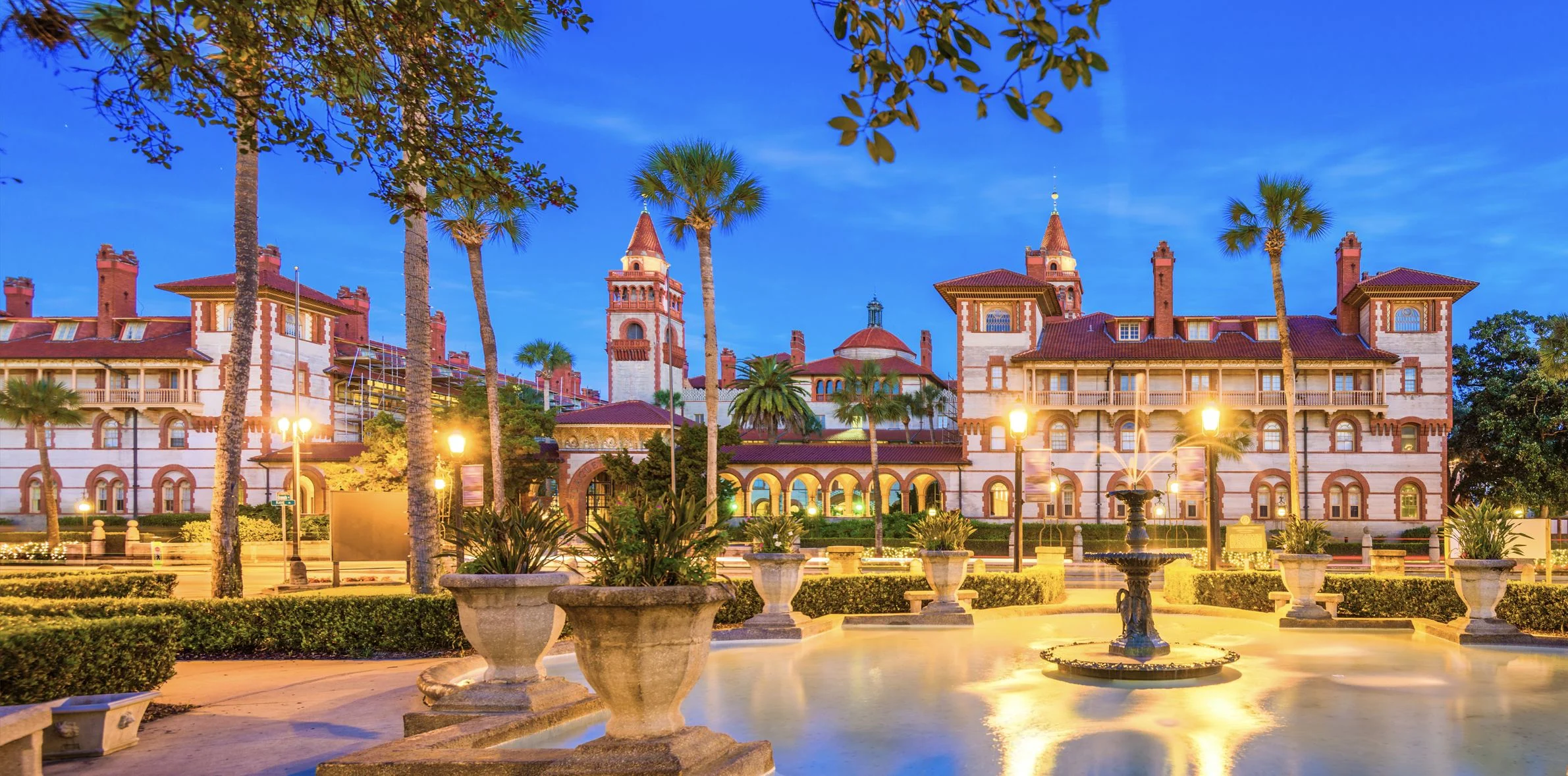
Jamestown gets all the history book love, but St. Augustine is older. Founded in 1565, it is the oldest city in the U.S. Walking the narrow, cobblestone streets of the historic district feels like walking through Seville or Havana. The architecture is distinctly Spanish Renaissance, and the massive stone fortress (Castillo de San Marcos) still watches over the harbor.
Local Secret:
The city changes after dark. The heat dies down, and the lantern-lit streets feel genuinely haunted. For dinner, book a table at the Columbia Restaurant. It’s a Florida classic. Order the “1905 Salad” (made tableside) and the Paella. It feels like old-world grandeur.
6. Solvang, California
The Danish Village

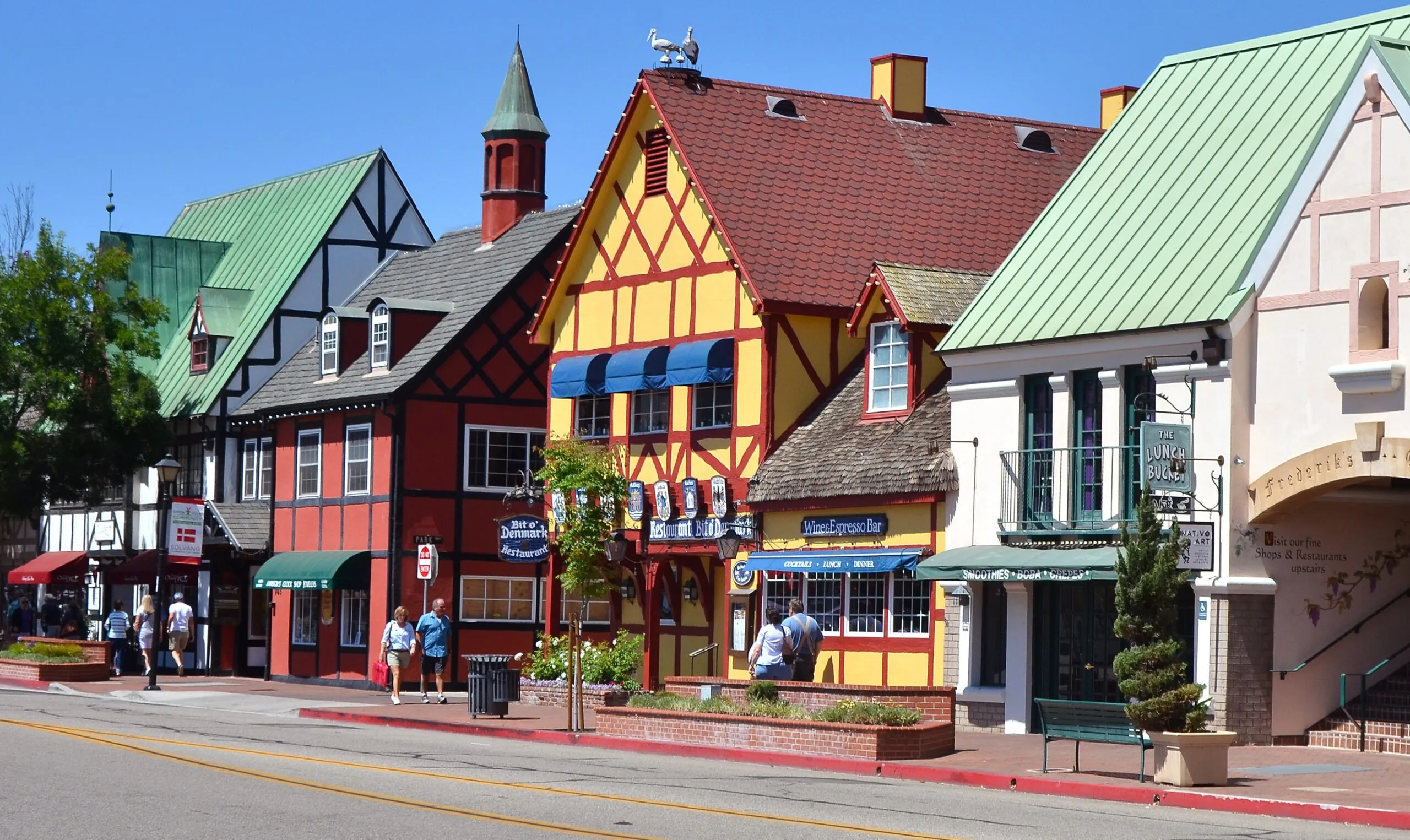
Located in the Santa Ynez Valley, Solvang is surreal. You are driving through California wine country, and suddenly there are windmills, thatched roofs, and statues of Hans Christian Andersen. It was founded by Danes in 1911 who wanted to keep their culture alive. It worked.
Don’t Miss:
You are here for the carbs. Specifically, the aebleskivers (Danish pancake balls). Do a bakery crawl between Olsen’s Danish Village Bakery and Mortensen’s. Since you are in the heart of the Sideways movie territory, renting a bike to tour the surrounding vineyards is the perfect way to burn it off.
7. Taos, New Mexico
The Ancient Adobe
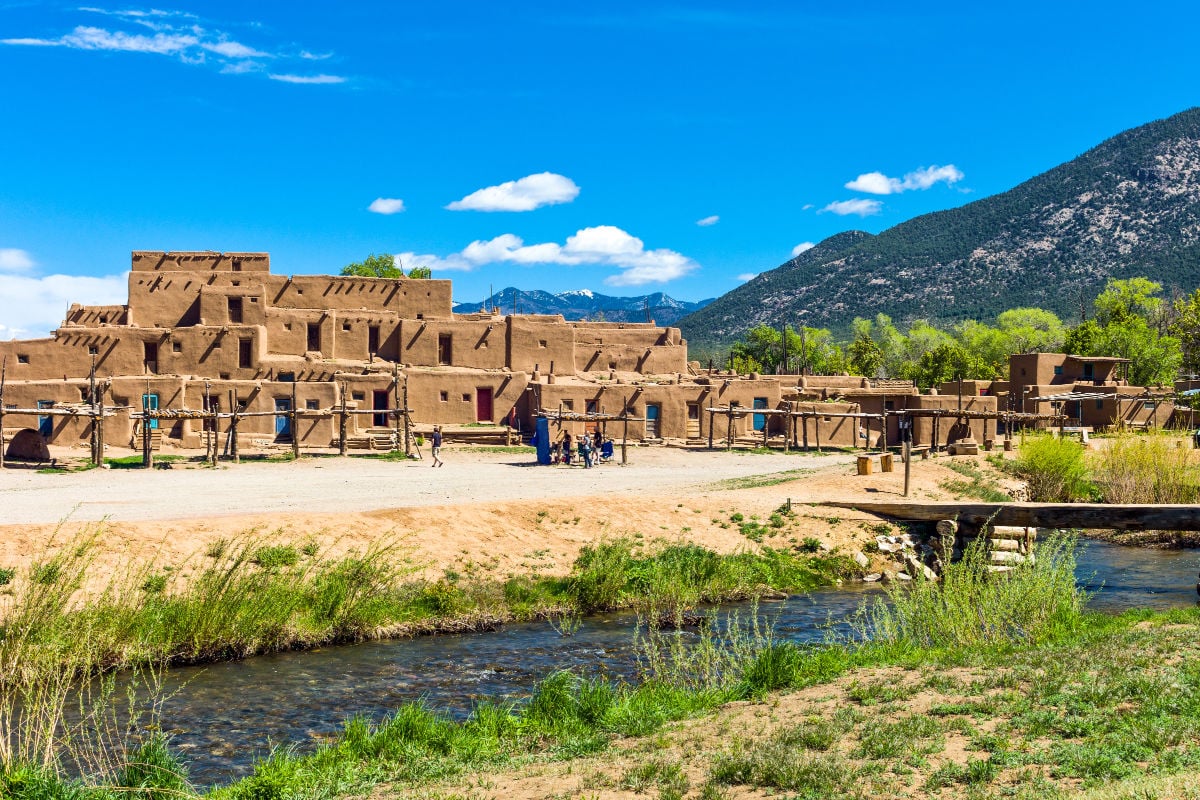
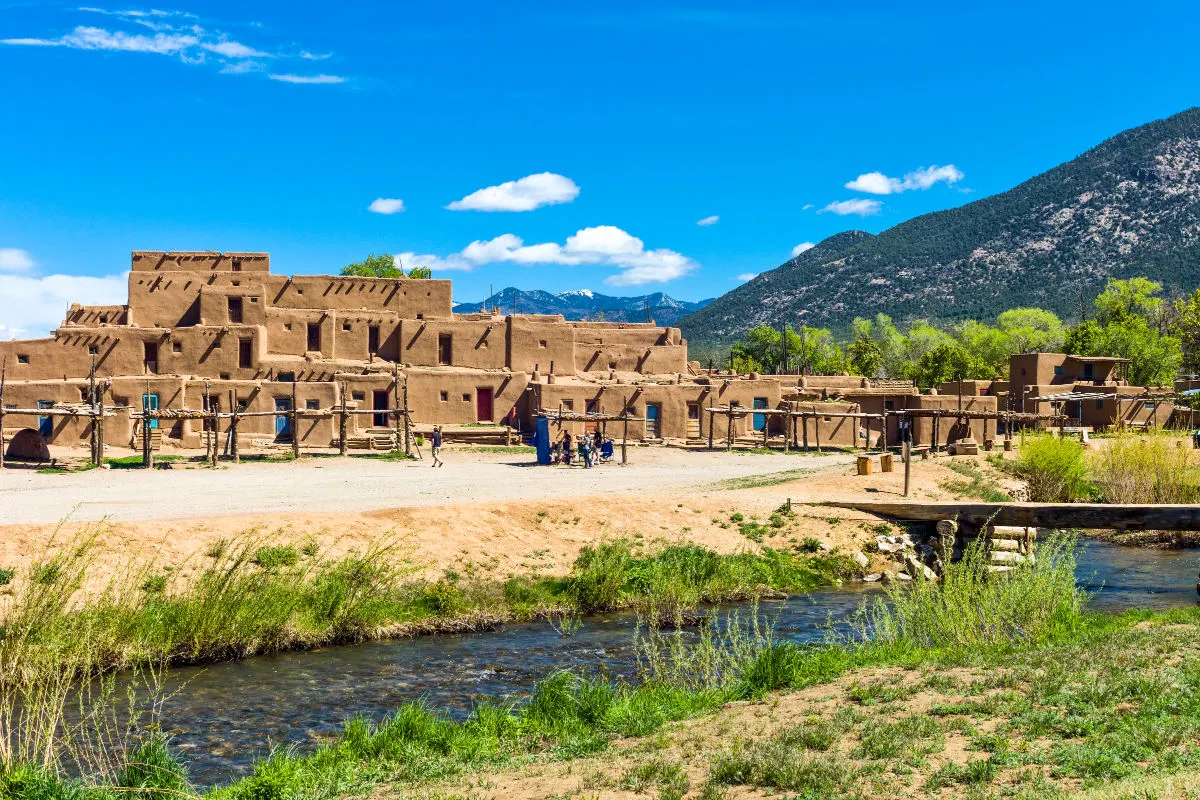
Taos feels ancient because it is. The Taos Pueblo has been continuously inhabited for over 1,000 years. The multi-story adobe buildings framed by the Sangre de Cristo Mountains look like something from a different timeline. The light here is different—it’s why artists like Georgia O’Keeffe flocked here.
The Futuristic Twist:
Drive out to the Earthship Biotecture community just outside town. These are off-grid, sustainable homes made of tires and glass bottles that look like alien pods. You can even rent one for the night. It’s a wild contrast to the ancient history downtown.
8. Sitka, Alaska
The Russian Capital


Before it was American, Alaska was Russian. And Sitka (formerly New Archangel) was the capital. You can still see it in the onion domes of St. Michael’s Cathedral and the Russian Blockhouse. But it’s the setting that makes it feel remote. It sits on an island facing the open Pacific, backed by a dormant volcano (Mt. Edgecumbe) that looks eerily like Mt. Fuji.
The Nature Walk:
Skip the cruise ship shops and head to Totem National Historical Park. Walking the trails here, with the totem poles standing silently in the misty rainforest, is a powerful experience.
9. Bisbee, Arizona
The Haunted Mining Camp

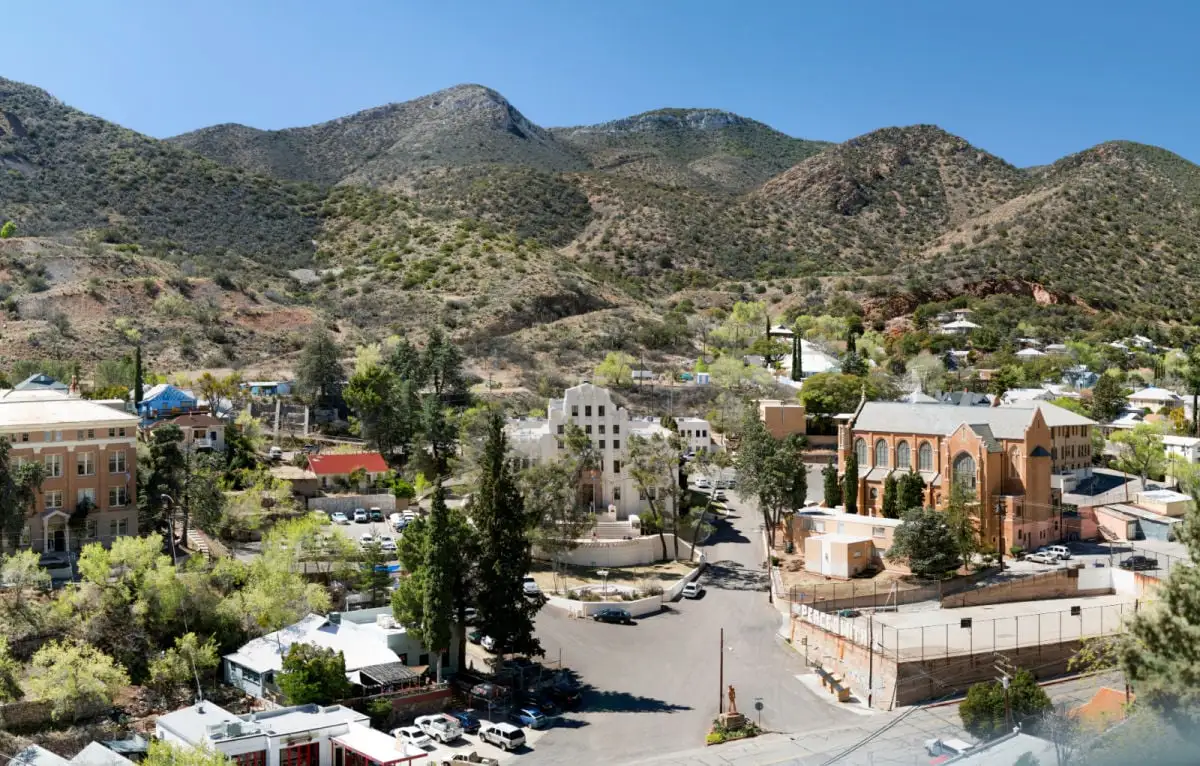
Bisbee is weird in the best way. Tucked into the Mule Mountains near the Mexican border, it used to be the largest city between St. Louis and San Francisco during the copper boom. Now, it’s a haven for hippies, artists, and ghosts. The streets are impossibly steep and narrow, winding up the canyon walls.
The Workout:
Bisbee doesn’t have regular streets; it has stairs. There is an annual race called “The Bisbee 1000,” but you can walk the staircases anytime to find hidden art installations and shrines tucked between houses. If you want to go underground, the Queen Mine Tour takes you deep into the earth in a yellow slicker and hard hat.
10. Tarpon Springs, Florida
The Greek Docks


You expect Florida to be palm trees and flamingos. You don’t expect a bustling Greek fishing village. Tarpon Springs has the highest percentage of Greek Americans in the U.S., built on the sponge diving industry. The Sponge Docks still look like a working port in the Aegean Sea, with sponge boats tied up and Greek spoken on the street.
Where to Eat:
The line is long, but Hellas Restaurant and Bakery is non-negotiable. You need the flaming cheese (Saganaki) and the baklava. Afterward, take a boat tour to see a diver in a vintage, heavy suit jump in and demonstrate how they harvest sponges. It’s old school.

Subscribe To Our Latest Posts
Enter your email address to subscribe to Travel Off Path’s latest breaking travel news, straight to your inbox.