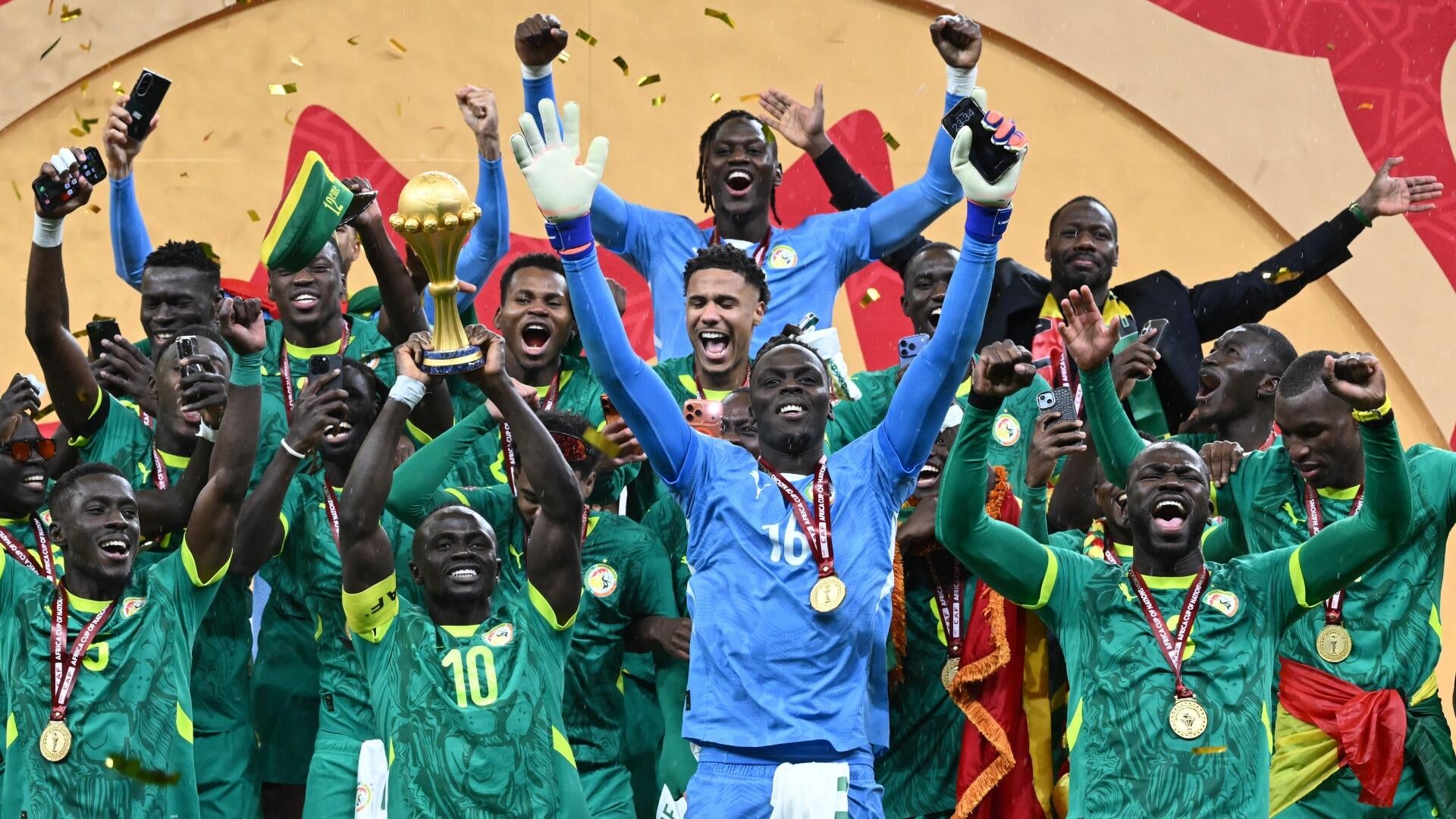
In a move that provided no real clarity, the Confederation of African Football has postponed the 2026 Women’s Africa Cup of Nations just 12 days before it’s orginal kickoff date.
The tournament, which serves as the qualifiers for the 2027 FIFA Women’s World Cup in Brazil, was originally scheduled to run from March 17 to April 3 in Morocco. The host nation was awarded the rights to host the 2026 edition in 2024, after hosting a successful event in 2022, but the tournament will now shift to a summer schedule from July 25 through August 16.
“After discussions between CAF and its partners, FIFA and other stakeholders, CAF decided to reschedule the dates of the TotalEnergies CAF WAFCON 2026 … to ensure the success of this important women’s competition, in the light of certain unforseen circumstances,” a statement from CAF read.
“Preparations … are underway and all the parties are confident that it will be very successful.”
The Women’s Africa Cup of Nations carries prominence as the continent’s top football tournament. It’s a biennial showcase of Africa’s elite talents, and this year’s edition has the honor of serving as the World Cup qualifiers. The four semifinalists will automatically qualify for the 2027 FIFA Women’s World Cup, and two additional nations will have the opportunity to punch their ticket through inter-confederation playoffs.
The curious timing of the postponement could prove disruptive for players who have prepared for months, federations that arranged training camps, and fans who made travel plans. The level of uncertainty adds to further general frustrations, as some top players tied to clubs could see their domestic seasons disrupted as well.
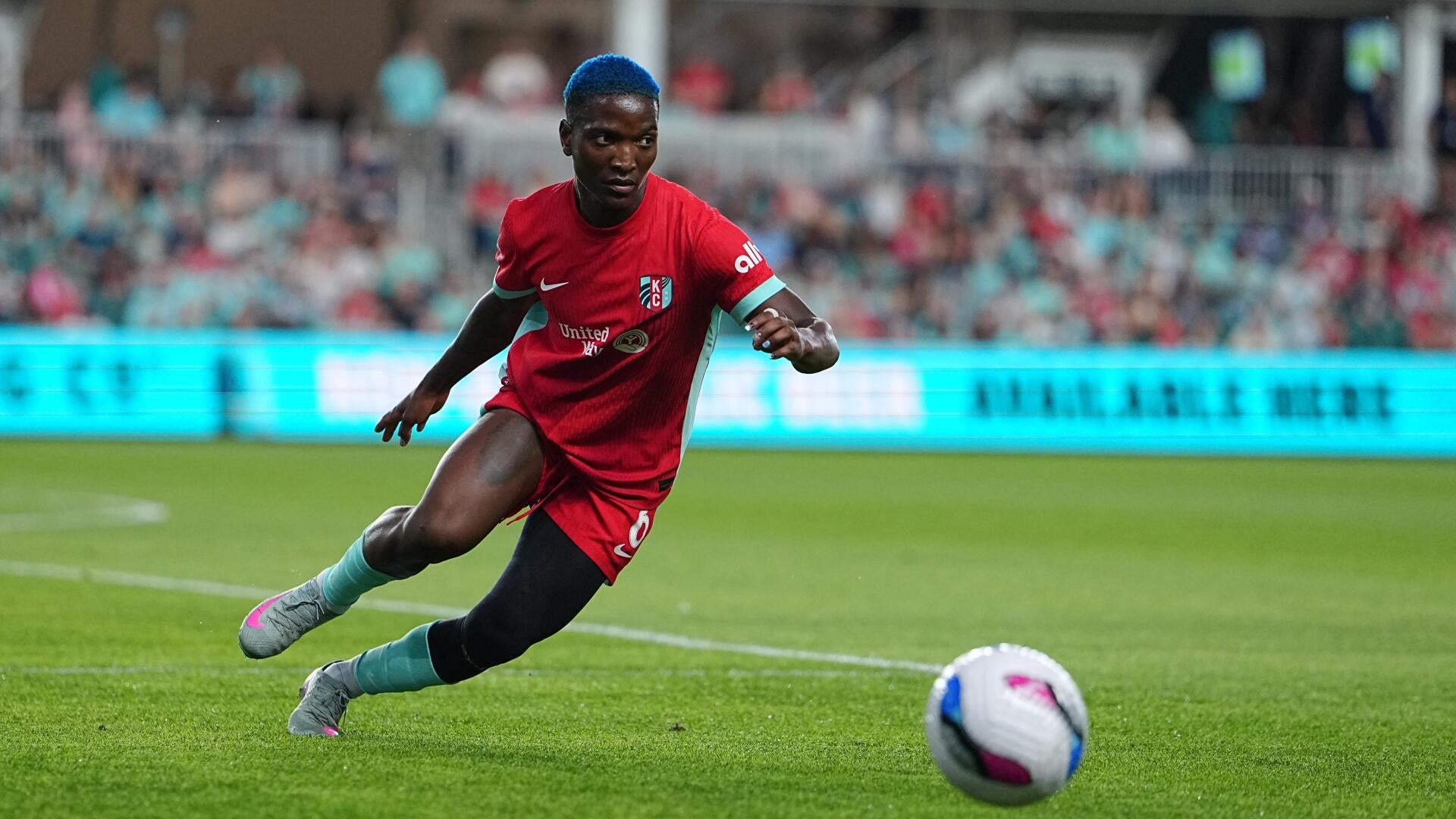
The NWSL is home to some of Africa’s most electrifying players, including Orlando Pride’s Barbra Banda (Zambia) and Kansas City Current’s two-time MVP and Golden Boot winner, Temwa Chawinga (Malawi). With the 2026 Women’s AFCON expanding to 16 teams for the first time, more players will participate, and several club starters across rosters representing African nations play in NWSL clubs, the WSL, Liga MX Femenil, and beyond.
How clubs will manage their rosters with the new postponement will also be a point of concern. The federation’s rash decision to delay, despite Morocco hosting the event previously, now raises unfortunate, familiar questions about the prioritization of women’s football on the continent.