When people think of a Mexico getaway, the first thing that pops to mind is perhaps Cancun’s luxurious five-star resorts and turquoise seas, Puerto Vallarta’s romantic Historic Center and scenic boardwalk, or maybe the buzzing streets and lively markets of CDMX.
We love a do-nothing vacay in the Mexican Caribbean, and we’ve spent years exploring each and every culturally-distinct neighborhood of Mexico City—it truly is the most incredible city in the world.
Still, as Travel Off Path, we’ve literally built a name for ourselves by going off the beaten track and highlighting lesser-known spots that more casual tourists usually sleep on. When it comes to Mexico, it’s no different.
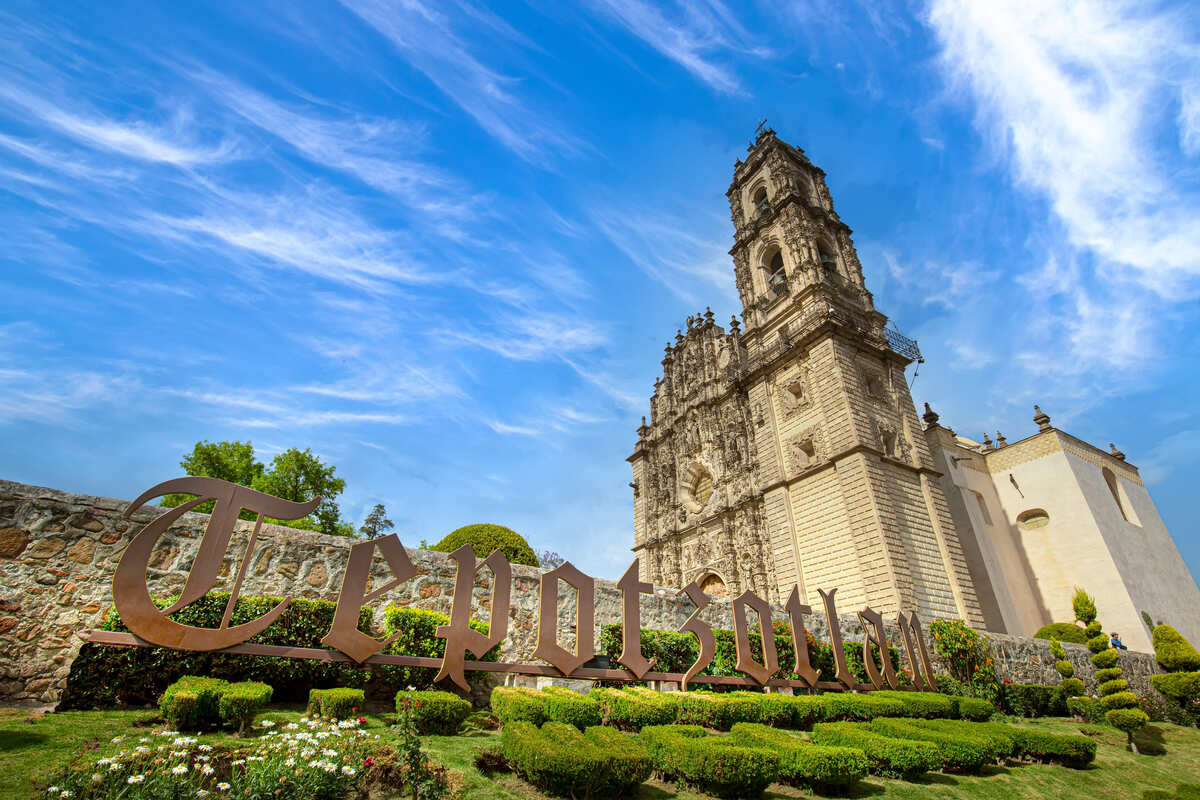
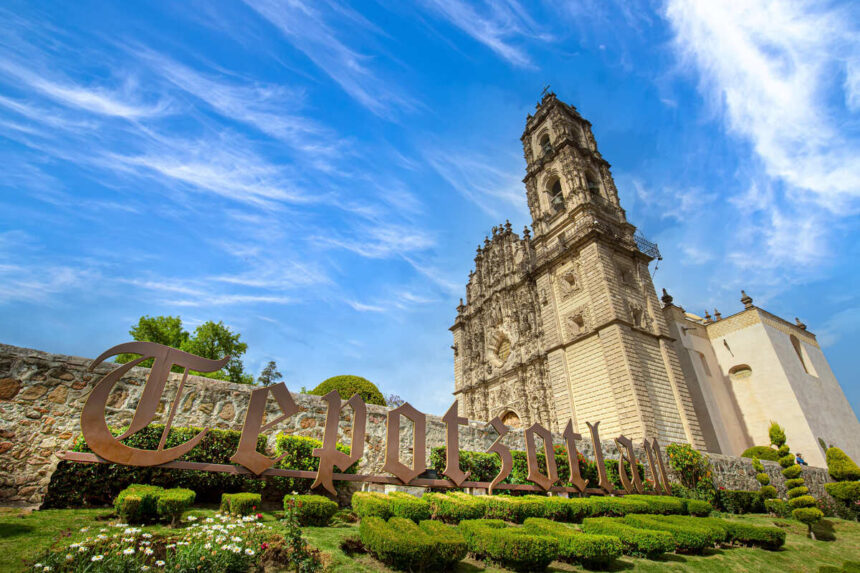
For instance, did you know that one of the prettiest towns in Mexico is a short 50-min drive north of CDMX, and it’s a designated UNESCO World Heritage Site nonetheless?
Is Tepotzotlán The Prettiest Small Town Of Mexico?
Tepotzotlán may sound like just another unpronounceable indigenous town name to the occasional curious tourist fiddling around with Google Maps on the outskirts of metropolitan CDMX, but really, they should be zooming in, not out.
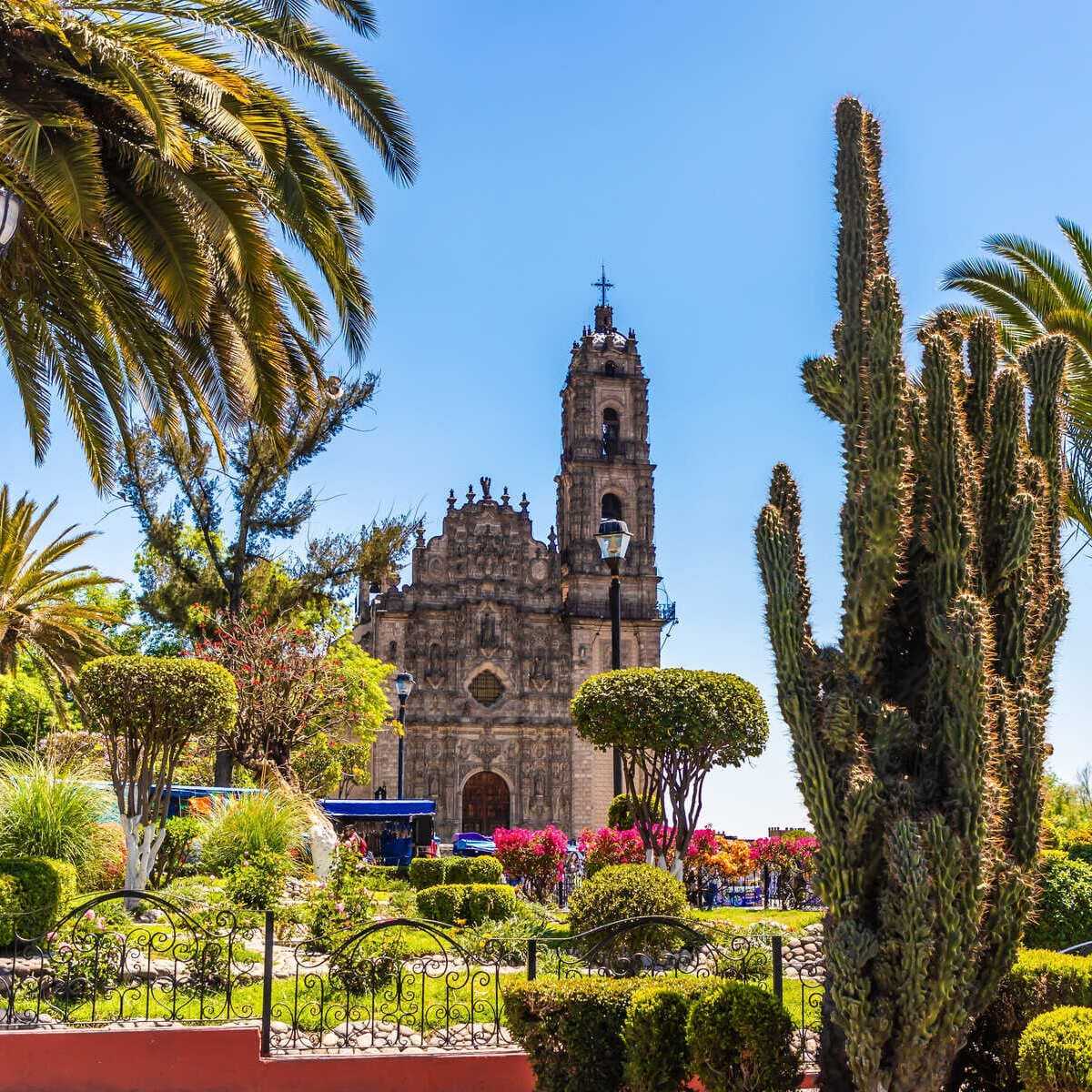
A small municipality with roughly 67,000 residents, it is one of the most culturally significant (yet underrated) destinations in all of Mexico. Why, you may ask?
It just happens to preserve one of the best examples of colonial architecture in the country. That’s why UNESCO decided to take it under its wing, and in all fairness, can you blame them? How actually gorgeous is this Jesuit complex?
Built by a Roman Catholic order of priests in the early 1600s, the Temple of San Francisco Javier is undoubtedly the most spectacular example of Mexican Baroque architecture, or how they call it locally, churrigueresque.
A Baroque Masterpiece
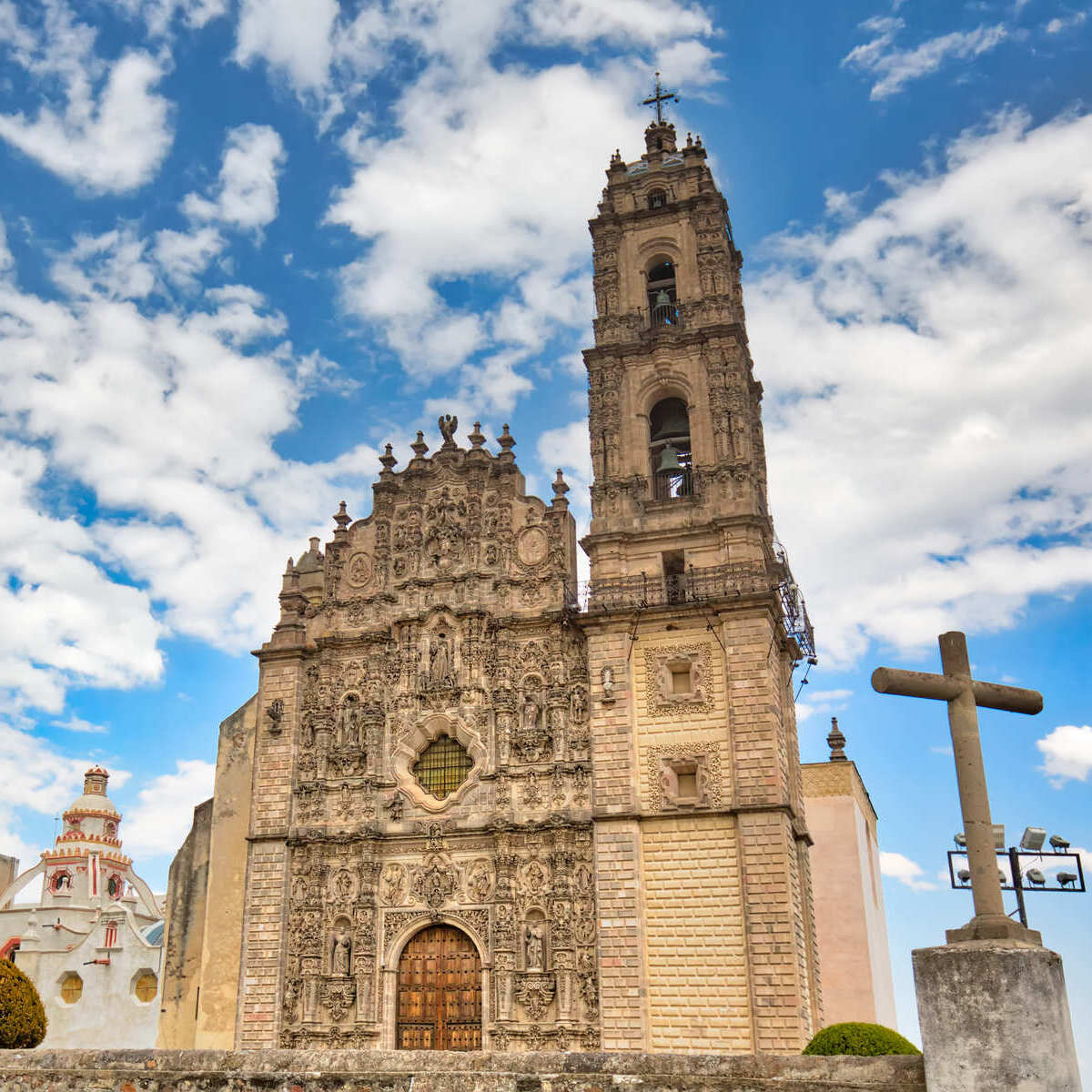
It’s the tallest edifice in the colonial center, which is mostly made up of one to two-story buildings, and it has a distinct reddish-gray façade, built from volcanic stone.
The tower rises vertically like an ornately sculpted column, stacked with statues of saints, angels, and religious symbols, but the true showstopper is the interior: with altars completely covered in gold leaf carvings and beautiful sacred art, it’s nothing short of a feast for the eyes.
Right next to the church, you’ll find the second-most impressive structure in the Jesuit Complex: the former College of San Francisco Javier. Once a major educational and missionary training center, it’s now open as the landmark National Museum of the Viceroyalty.
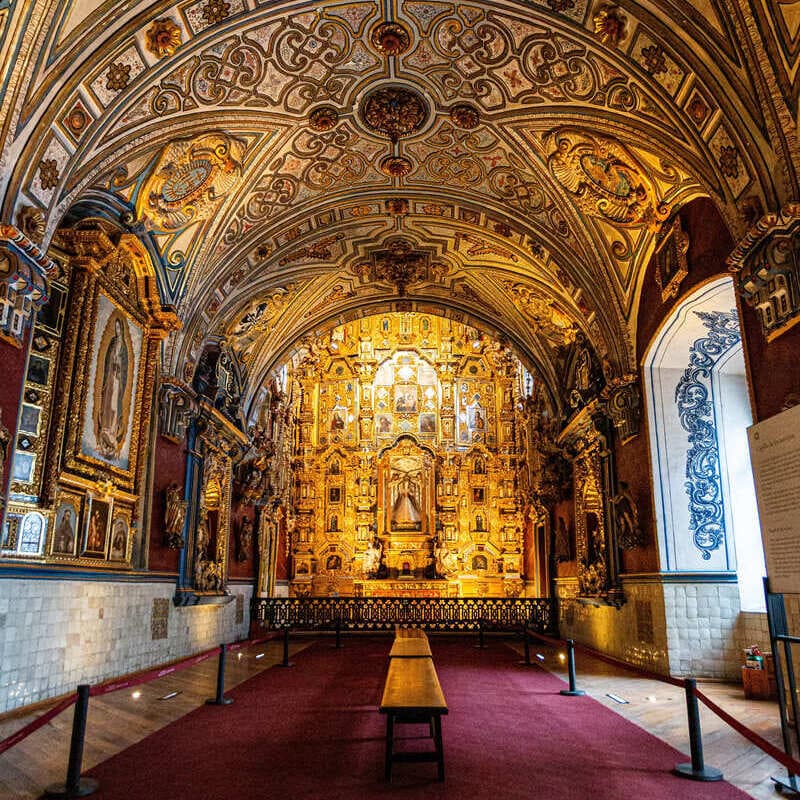
Housing relics of the Spanish era, the museum occupies the mostly intact structure of the 16th-century campus, and other than admiring centuries-old relics, visitors can:
- Wander serene cloisters and courtyards
- Visit the original dormitory areas and the refectory
- Explore the Old Library
- Relax in the well-tended gardens and inner patios
If you’re wondering who was responsible for spreading Christianity across central and northern Mexico, the missionaries once based in this college played a key role in it. Needless to say, Tepotzotlán has helped, both directly and indirectly, shape the nation’s current identity.
A Picturesque Colonial Center
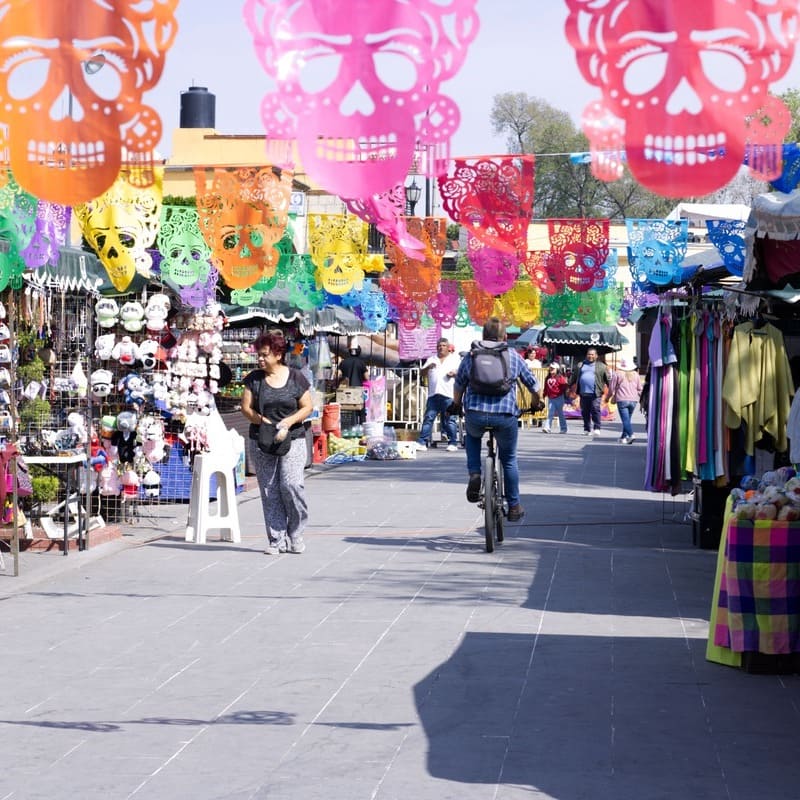
Other than the Jesuit Complex, you shouldn’t miss out on the picture-perfect colonial center that surrounds it. There’s a reason why Tepotzotlán is listed both as a UNESCO Heritage site and a Pueblo Mágico.
This is a Mexico-specific designation recognizing some of the most historically and architecturally relevant municipalities in the country, and given how Tepotzotlán retained much of its colonial layout and atmosphere, it’s no wonder it’s included.
The Main Plaza, or Plaza del Pueblo, is right in front of the Jesuit church, and it’s surrounded by colorful colonial buildings with arcades. Behind them, there’s a string of cafés, traditional cantinas, and quirky souvenir shops.
Starting from the square, there’s a maze of narrow, winding cobbled streets lined with Spanish-era townhouses, with the famous wooden balconies and clay tile roofs, and scattered around the place, you might notice tiny chapels tucked into alleys, romantic stone fountains, and old gates.
Great Traditional Food
During the weekends, Artisan Markets pop up left, right, and center, selling handmade crafts, textiles, pottery, and candies. To our fellow sweet fiends, you can’t leave without trying the fudge-like jamoncillo, or the pulque-based borrachito.
CDMX is already a Food Mecca of the highest order, but if you’re looking for truly authentic indigenous Mexican flavors, you’ve come to the right spot:


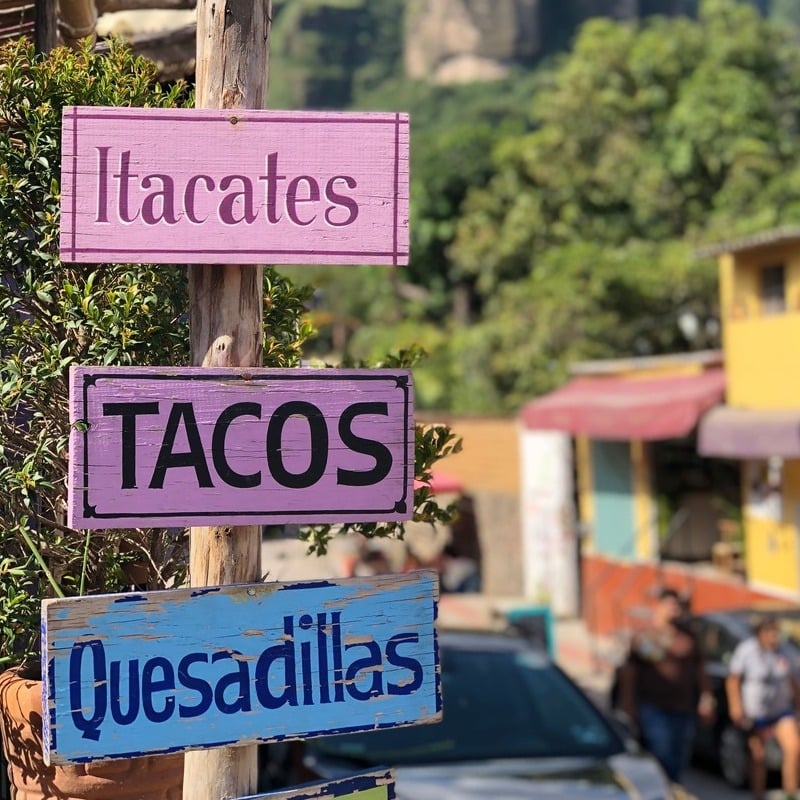
Tepotzotlán is the prime Mexican destination for trying antojitos, either as a sit-down meal or a quick bite from one of the plaza stalls, and carnitas, slow-cooked meats served in local, flavorful sauces. Even their chapulines (the infamous Mexican grasshoppers) are nationwide-famous.
For colonial-style cuisine with an indigenous twist, check out Hosteria del Convento: from American favorite enchiladas and mole, to well-done antojitos that pair well with a fresh, cold drink, they’re the spot to go when those food cravings hit.
Check The Local Safety Guidelines Before Flying
You know what we’re about to tell you next.


Before you go ahead and book the next flight out, do a quick 15-second destination check on the Traveler Dashboard.
The main concern for Americans heading south of the border is safety, particularly after the recent surge in crime across Mexico in recent weeks.
By typing in the name of your destination into the Traveler Dashboard, you get not only security guidance, but all of the following information compiled in clear, simple-to-read language. Need to open several different tabs, from several different sources:
- Entry requirements
- Mandatory fees (if they apply)
- Customs rules
- Current travel advisories (safety warnings)
- Hotel & tour recommendations
Try it for yourself here.