When mainstream publications rave about Mexico’s record-breaking tourism, it’s usually Cancún’s resorts, Mexico City’s cultural buzz, and Cabo San Lucas’s wellness scene grabbing headlines.
Don’t get us wrong, it’s not like they’re exactly off-scent: these 3 are indeed Mexico’s most-visited, arguably most-prestigious international destinations.
Be that as it may, they suffer from the same pressroom eco chamber. Between recycling stories pulled from vague industry reports and chasing clickbait, they typically overlook, or blatantly ignore altogether, other rapidly-rising trends.
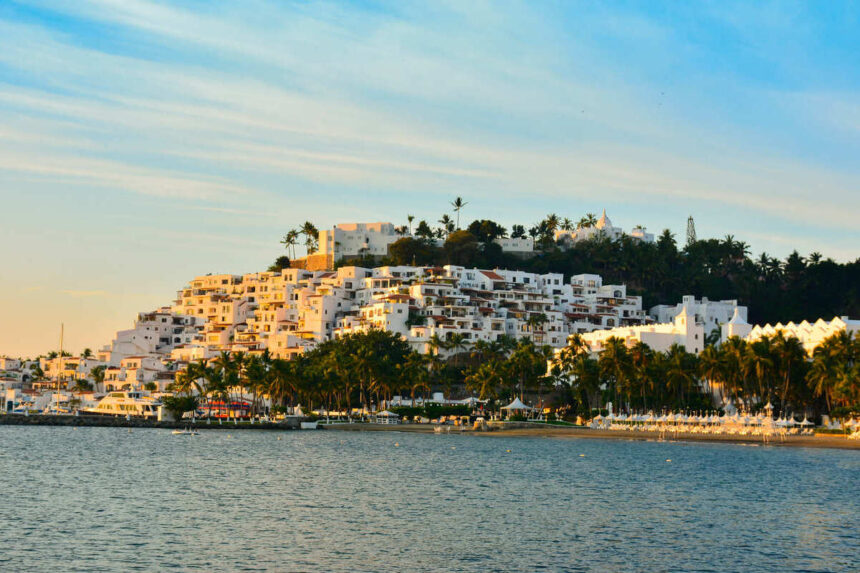
Dubbed the ‘Santorini of Mexico‘, due to its whitewashed villas hugged by azure seas and unrivaled atmosphere, Manzanillo is currently one of Mexico’s fastest-rising coastal spots.
Weirdly enough, apart from the very-faithful repeat American visitors that spend a long weekend there every chance they get, it’s not like it’s been dominating headlines lately:
Mediterranean Vibes Through And Through
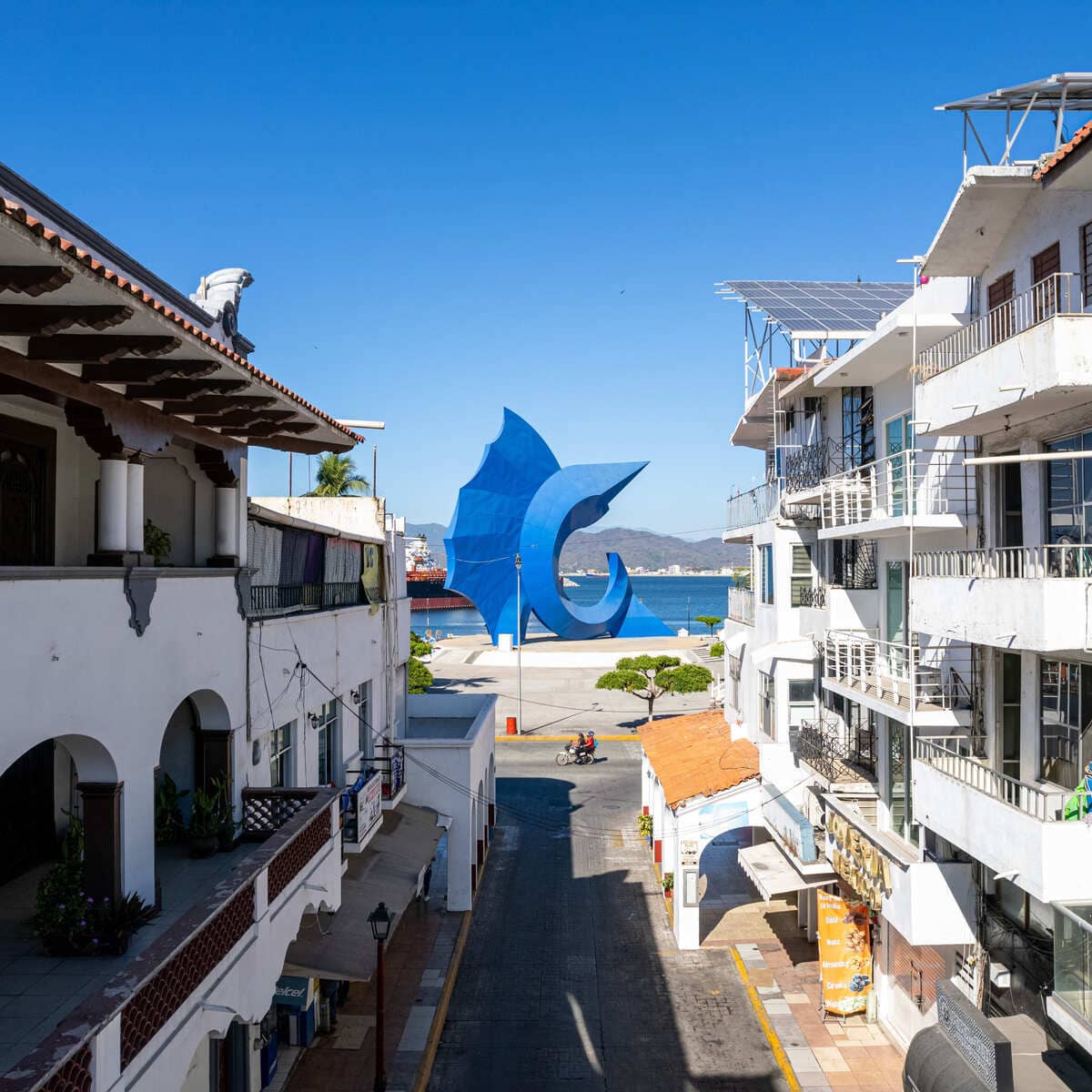
Less of a ‘resort factory’, and more of a real, lived-in port city that happens to host the couple-thousand foreign visitors every now and then, Manzanillo feels local and noticeably more authentic than your average Mexican Pacific American playground.
If you’re wondering where the Santorini comparisons come from, rest assured you won’t find blue Orthodox domes or Greek yiayia yapping fervorously in the town square.
The resemblance is merely down to aesthetics and overall vibes: it straddles the Pacific Ocean, with a beautiful rugged coastline interspersed with quaint fishing settlements, curved bays filled with golden sands, and sunset viewpoints. Very Mediterranean-coded.
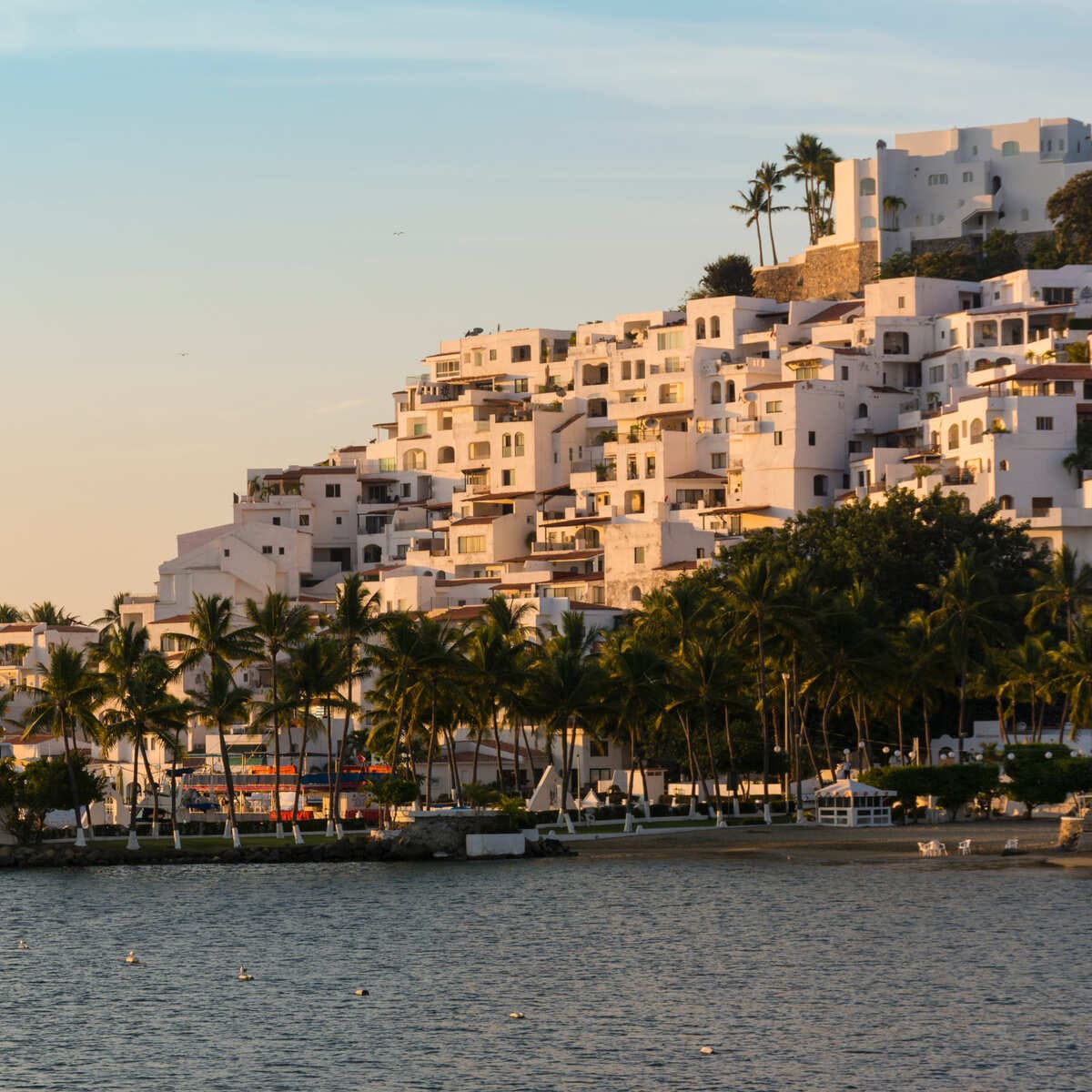
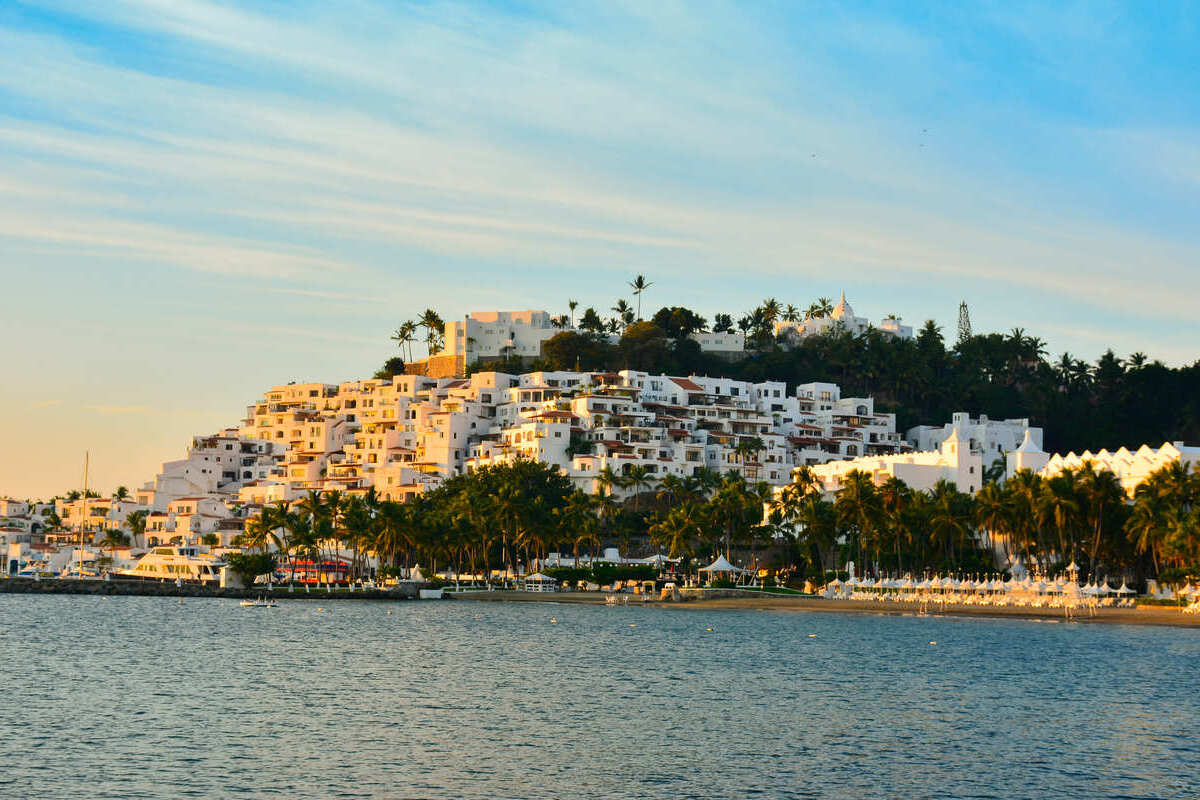
The ‘wow’ factor, however, and the main reason behind the unlikely association, is Las Hadas: much like Oia on the timeless Aegean island, it is a cluster of glistening-white villas bestriding a coastal cliff, stacked on top of each other amphitheater-style.
Were it not for the fast-paced Spanish of the locals, and the taco stalls along the promenade—oh, and the absence of donkeys, of course—one could easily mistake it for a Thira district.
Manzanillo Keeps Rising In Popularity
Risen from the pandemic ashes like a true phoenix, the state of Colima, which includes Manzanillo, registered a whopping 1.5 million visitors in 2023, and numbers have kept on groing for both 2024 and 2025.


In 2025 alone, it’s registered a 3.7% increase in tourism, higher than the national average, and even the growth rate seen in Mexico City,
In 2025 alone, it posted a 3.7% tourism increase above the national average and even Mexico City’s growth rate. Though these are statewide figures, Manzanillo leads Colima’s tourism metrics in hotel occupancy, with a 4.67% year-on-year rise.
This left us wondering: a bunch of chalk-white houses only faintly evocative of Greece can’t be the sole driver behind the uptick.
So what else has Manzanillo got up its sleeve?
Mexico On A Budget


In general, Manzanillo is markedly cheaper, and more peaceful than the major Pacific resort towns, especially for those you’re staying long term.
It’s still largely on the radar of 40-something expats and crowd-wary beachgoers disillusioned with Mexico’s usual party-heavy haunts.
Living costs are lower across food, utilities, and housing, with downtown apartments averaging $704/month, roughly 46.4% cheaper than a similar spot in Cabo.
Over the years, it’s become a darling of sorts for Americans seeking an offbeat winter base south of the border, and if we’re being honest, they’re the city’s main foreign clientele.


That said, it’s not like Manzanillo’s hasn’t got anything to offer short-term vacationers: looking at BudgetYourTrip, the average hotel cost for a one-week stay is an economical $640.
Surely these aren’t larger-than-life, all-inclusive Cabo-level luxury resorts, but if you’re happy with double rooms steps from the beach, expansive continental breakfasts, and 4-star amenities, Manzanillo delivers.
In a sense, it can punch way above its weight for the value for money it offers:
- It has that picture-perfect Malecón, ideal for walks, people-watching, and pre-dinner snacking (we can’t resist a curbside street food stall in Mexico ourselves).
- The beaches are laid-back and cater to a variety of guests: Playa La Audiencia near Las Hadas has calm, swimmable waters, while Playa Miramar draws a lively crowd of surfers.
- The local resort zone takes aesthetics seriously: this is the Santorini of Mexico, after all. Unlike Cancun or Puerto Vallarta, Las Hadas doesn’t feel like a string of architecturally-disjointed tourist complexes lacking unity. It’s a whole vibe.
- It doubles as a sailing and fishing destination. In fact, some Americans fly here specifically for sailfish and sport fishing, giving it an edge over resort-dominated spots.


What About Safety?
Now, it’s time to address the elephant in the room.
Colima is not every American’s go-to destination in Mexico for good reason: between turf wars and gang drama, and Manzanillo sits right on the state’s prized coast.
There’s no way of sugarcoating it: if you’ve used our Travel Advisory Checker lately, powered by the U.S. Department of State’s own travel warnings, which gives up-to-date safety info on Mexican states and cities, Colima sits squarely in the high-risk “red” zone, not safe “green”, or even moderately-safe “yellow.”


That’s why we can’t possibly stress it times enough: before you fly anywhere this spring, head to our Traveler Dashboard and verify the actual situation on the ground in advance.
If the latest crime shenanigans in Mexico are any indications, your personal safety is not something you want to play with when vacationing in Colima.
Now, it’s important to be nuanced: there’s a wide range of perspectives to be noted here, including numerous reports from travelers across platforms like Reddit that rate Manzanillo as a medium risk destination.


The Actual Reality On The Ground
Some say tourist areas feel quiet and relatively normal, particularly Las Hadas and other touristy beach distrcits, while adding that the real danger is being out on the open roads of the state at night, or untouristy municipalities inland where a huge percentage of Colima’s crime rates derive from.
As a general rule, by exercising basic precautions, like avoiding the flashing of valuables, walking in poorly-lit areas at night, using official taxis only, and not leaving items unattended on public beaches, risks are already drastically-reduced.


At the end of the day, it doesn’t take a genius to understand Manzanillo’s appeal, especially for savvy travelers who prioritize value, authenticity, and beaches over dramatic headlines:
Stick to tourist zones, don’t display wealth, and you’ll unlock that Mexican Santorini magic. If 60-year-old retired Joe from Austin can do it, so can you.