Oil prices surged to $106.80 per barrel in early trading on Friday as the United States and Iran remain deadlocked over control of the Strait of Hormuz — and the consequences for summer travelers are becoming impossible to ignore.
Brent crude, the international benchmark, climbed nearly 5% from its Wednesday closing price after Washington and Tehran escalated their tit-for-tat seizures of commercial vessels in the strategically vital waterway. The Strait carries approximately 20% of the world’s oil supply and between 25% and 30% of global jet fuel — and it has been effectively closed to normal traffic since the U.S. and Israel launched strikes on Iran on February 28.
The ripple effects across global aviation are now severe. Jet fuel prices have more than doubled since the outbreak of the war, and European airlines — which import roughly a third of their jet fuel from Middle Eastern refineries — are bearing the brunt of the crisis. Germany’s Lufthansa announced this week that it would cut 20,000 flights from its schedule through the fall in a bid to reduce fuel consumption. The figure drew immediate alarm from aviation analysts.
The warning signs are now coming from the highest levels of international energy governance. The International Energy Agency confirmed on Thursday that several European countries may face jet fuel shortages within six weeks if Strait of Hormuz traffic does not resume. IEA Executive Director Fatih Birol described the situation as “the greatest global energy security challenge in history,” adding that Europe’s jet fuel imports from the Middle East are “basically now almost zero.”
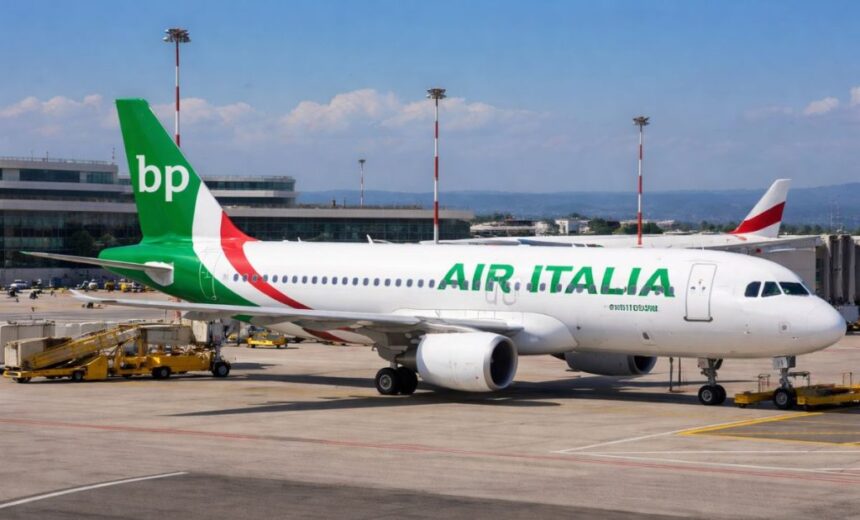
Italian airports in Bologna, Milan, Venice and Treviso have already begun rationing refuelling services due to limited fuel availability. Ryanair CEO Michael O’Leary warned passengers to expect cancellations of between 5% and 10% of summer flights if the Strait remains closed. In the United States, Alaska Airlines disclosed that rising fuel prices are expected to add $600 million in additional expenses between April and June alone — costs the airline is passing directly onto passengers through higher fares and increased baggage fees. Across the U.S. industry, domestic airfares have risen 18% and international fares by 7.5%, according to travel research firm Going.com.
Critically, analysts warn that even a full reopening of the Strait today would not bring immediate relief. “It’s going to take until at least July,” said Matt Smith, head U.S. analyst at energy consultancy Kpler. “And even that may be optimistic at this point.”
For now, travel experts are urging anyone with summer flights booked — particularly to or through Europe — to purchase travel insurance immediately, switch to refundable fares where possible, and monitor airline schedules closely in the coming weeks.
Sources: Al Jazeera, “Oil rises above $106 per barrel as US, Iran deadlocked in Strait of Hormuz,” April 24, 2026 · NPR, “Airlines are about to run out of jet fuel because of the Iran war,” April 23, 2026