Summary created by Smart Answers AI
In summary:
- Tech Advisor highlights six critical errors in Emerald Fennell’s Wuthering Heights adaptation, including controversial casting of Jacob Elordi and Margot Robbie that deviates from the source material.
- The film removes essential characters like Hindley and Hareton while abandoning core themes of race and class struggle for superficial aesthetics resembling music videos.
- Despite rumors of erotic content, the adaptation fails as both romance and social commentary, transforming Brontë’s complex novel into a hollow spectacle.
From the moment it was announced, Emerald Fennell’s adaptation of Wuthering Heights has been an emotional rollercoaster for me.
My initial joy was quickly overshadowed by the bizarre decision to cast Jacob Elordi and Margot Robbie as Heathcliff and Catherine. The on-set photos and the first trailer left me even more confused. However, the excellent marketing campaign dissolved my scepticism to some extent. I even started to think that I would take back the claim I made after the first trailer aired, that Fennell’s Wuthering Heights is made for the TikTok generation.
Sadly, my first impression turned out to be correct. The new adaptation of a novel that’s beloved to me feels like a music video or a very long perfume ad. It’s not that the director departs from the writer’s vision – she brutally guts it, offering nothing in return but a hollow set of over-aestheticised shots.
But what really went wrong? Here are six mistakes Fennell made that turned the new Wuthering Heights into an awful film and even worse adaptation.
1. Erasing Hindley Earnshaw
Emily Brontë’s novel is a complex patchwork of personalities and motivations. The previous adaptations often omitted characters to condense the story; these cuts mainly affected second-generation characters.
Emerald Fennell, however, goes a step further, getting rid of Catherine’s obnoxious older brother, Hindley. In the film, alcoholism and gambling are the vices of Catherine’s father Mr Earnshaw, who becomes the abusive figure tormenting the children.
The conflict with Hindley is one of the driving forces behind Heathcliff’s vendetta. Removing Catherine’s brother is to pull out a cornerstone of that motivation – and a degenerate father can’t fill that void.
Along with Hindley’s disappearance, his son, Hareton, Catherine’s daughter, Cathy, and Heathcliff’s son, Linton, are erased as well. Omitting all of them means that the story lacks the theme of male rivalry and plot line involving the struggle for the Earnshaw estate.
Warner Bros. Discovery
Without this storyline, Fennell’s film wobbles from the very beginning. What’s worse, its second part lacks any substance – where there should be a story of class battle and generational trauma, there’s merely a colourful video clip.
At some point, the question arises that, since Catherine’s brother and his son don’t exist, her father is dead, and Heathcliff owns the manor and his own estate, what exactly is preventing the lovers from getting together?
2. The misconception of Catherine Earnshaw
There was a lot of controversy around the casting of Jacob Elordi as Heathcliff, a person of colour. But fans of the novel also weren’t happy with Margot Robbie as Cathy, pointing out that, unlike the Australian actress, the heroine was dark-haired and, more importantly, a teenager for a key section of the action.
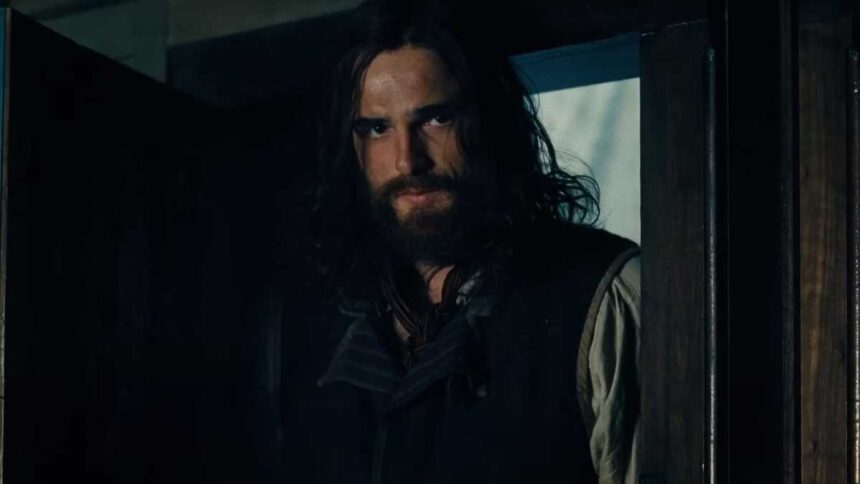
Elordi, infusing his role with a mixture of madness and charm, is a decent Heathcliff
The film’s plot offers no justification for those changes – they seem completely random. Luckily, Elordi, infusing his role with a mixture of madness and charm, is a decent Heathcliff and, with a better script, might have flourished. However, the same can’t be said for Margot Robbie.
Warner Bros. Discovery
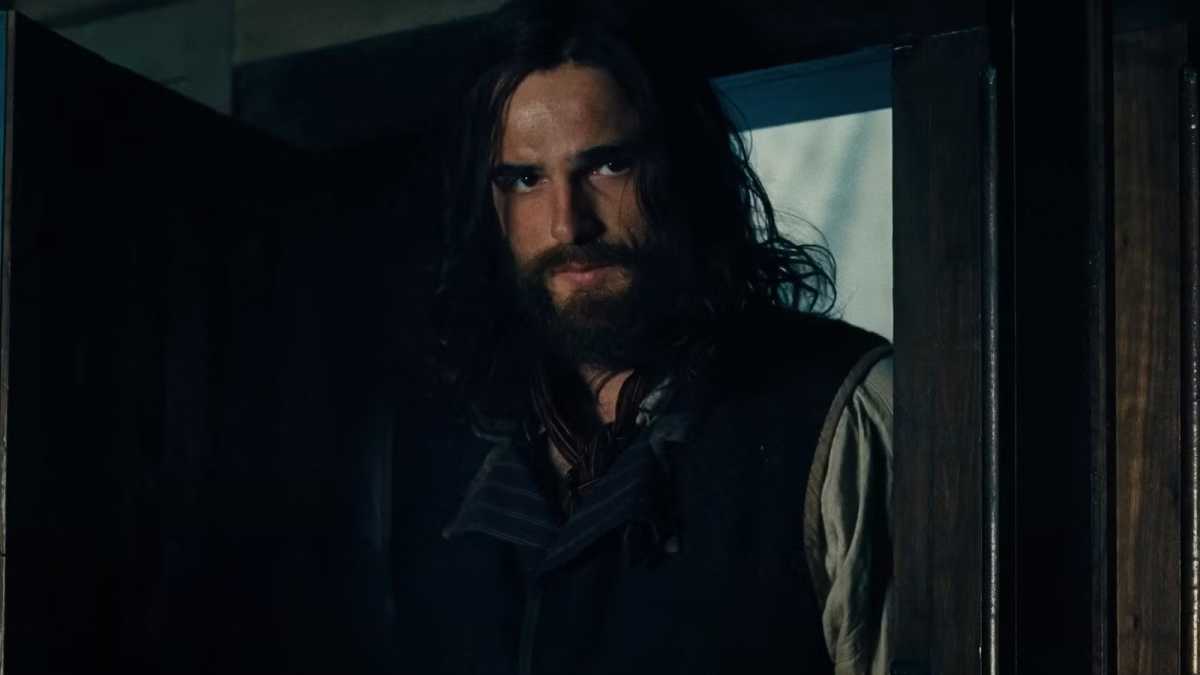
Despite her beauty, the actress definitely doesn’t look like a teenage girl – yet she tries to act like one. Catherine, in the book, was a wild child of nature: stubborn, violent and spoiled. There was a certain logic behind her behaviour, not to mention the social commentary on women’s position in society. In Fennell’s film, Cathy is nothing more than an irritating brat – and her childish behaviour, played out by a clearly adult woman, seems odd.
3. Marginalising Edgar Linton
Ironically, kind and sensible Edgard Linton isn’t a fan favourite. However, in the novel, he’s a well-rounded character who, in both personality and appearance, contrasts with Catherine and Heathcliff, highlighting their restless natures.
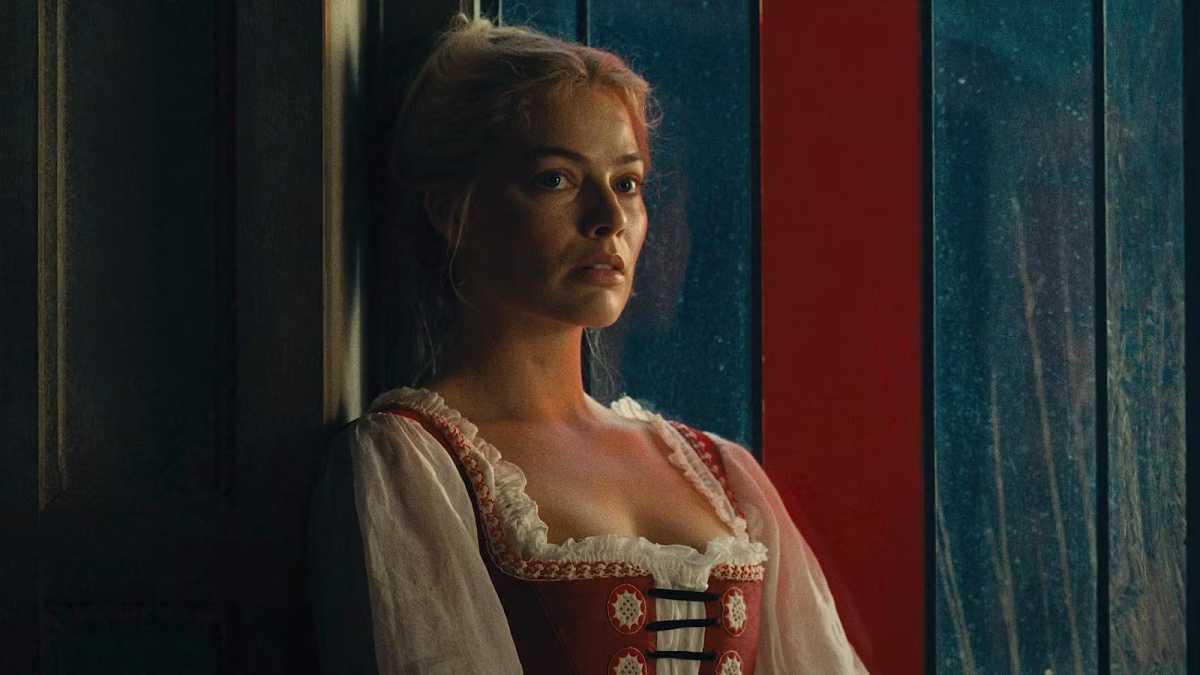
In Emerald Fennell’s Wuthering Heights, Edgar is demanding and despotic, yet feels insignificant in the love triangle. Before the proposal, he and Catherine don’t share a single scene, which makes their relationship seem absurd. It’s difficult to believe in any feelings between him and Cathy – good or bad. While she at least explains her motivation for marrying Edgar to Nelly and Heathcliff, what actually drives Linton remains a mystery.
Warner Bros. Discovery
The choice between the gentle yet boring Edgar and the violent, yet appealing Heathcliff could serve as a pretext for reflecting on the cultural fascination with brutal men. Fennell, however, isn’t interested in meta-commentary. She simplifies and marginalises Linton, giving all her attention to Heathcliff, thereby making the famous Wuthering Heights love triangle seem shallow.
4. Turning Isabella Linton into a comic character
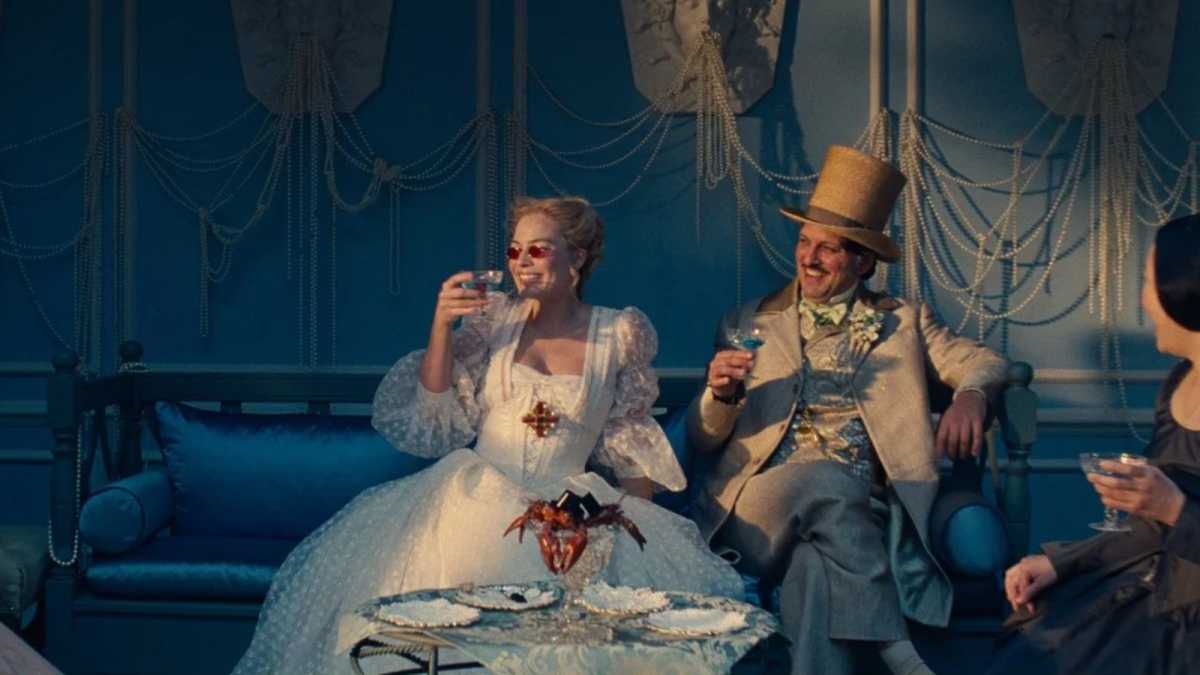
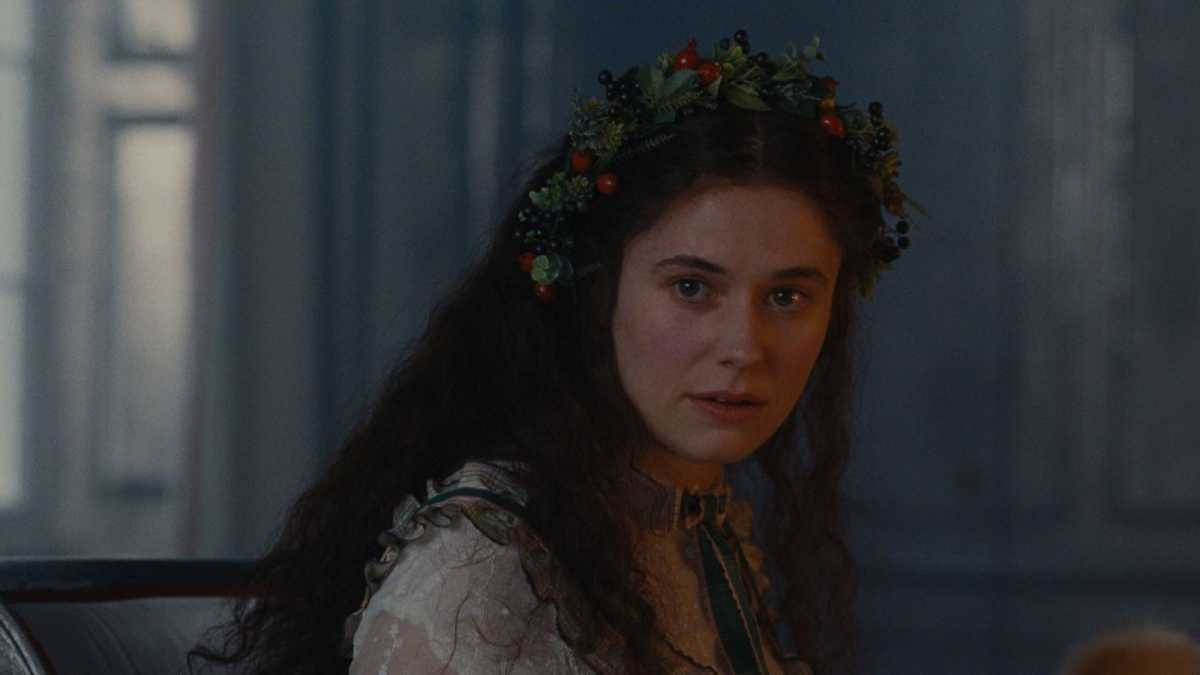
In Brontë’s novel, Isabella Linton’s fate was terrible – but nothing compares to what Fennell does to Edgar’s sister. In the film, instead of a naive, sweet girl, she’s a quirky, annoying child in a woman’s body.
Fennell takes particular delight in tormenting Isabella, turning nearly every one of her scenes into a low-key comedy. In the film, Isabella isn’t just emotionally immature – she’s embarrassingly dumb. Most likely, the director intended it to be a parody of a certain type of female character, but it comes across as cringey rather than funny.
Warner Bros. Discovery
What’s more, Fennell once again kills the psychological subtleties that Brontë so carefully creates. Isabella’s sexual awakening is delivered in an in-your-face manner and, at the same time, the nature of her relationship with Heathcliff is changed.
In the novel, Linton’s sister, who’s an ‘I can fix him’ girl, serves as a cautionary tale against romanticising brutal men. But Fennell turns this story thread into a BDSM romance that’s too poorly written to be either shocking or exciting.
Let’s be honest, film adaptations have rarely delved into the themes of race and class that run through Heathcliff’s story. A tale of fiery romance and ruthless revenge has always seemed so much more appealing. However, given the zeitgeist and the current wave of ‘eat the rich’ films and TV series, it’s astonishing how ruthlessly Fennell cut out the class struggle from her movie.
Fennell’s Wuthering Heights feel cold and hollow
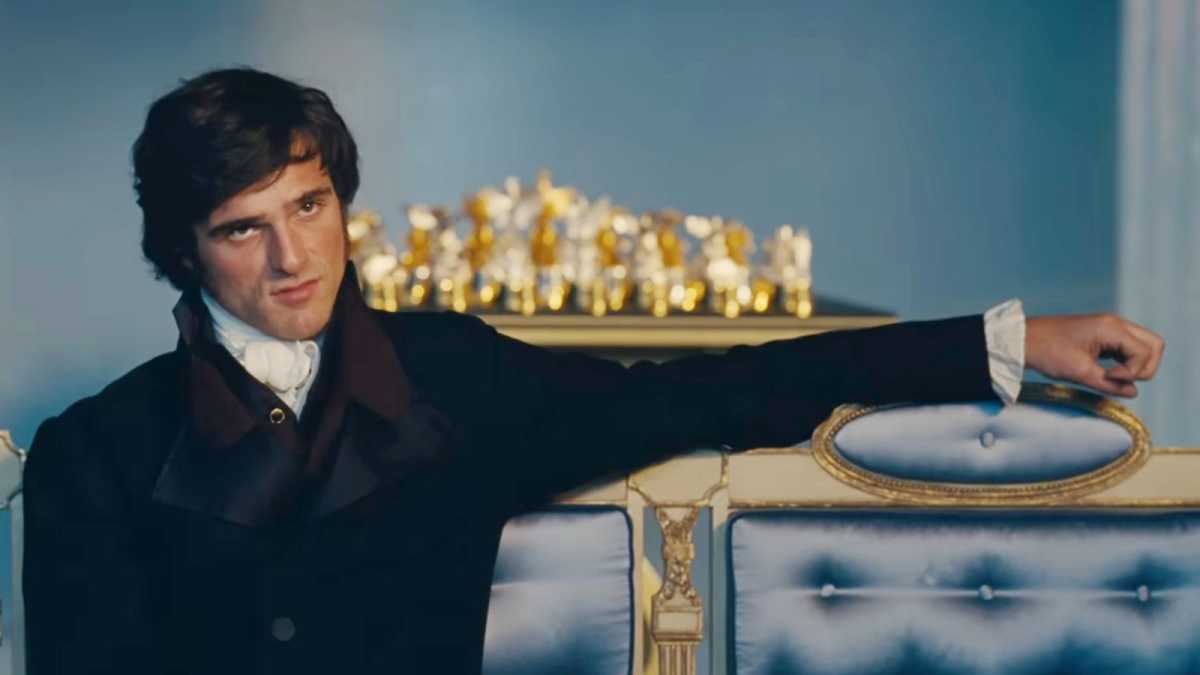
Three kinds of desire fuel the Brontë’s novel: for sex, revenge and social advancement. They create a web in which the characters are stuck like insects – it’s their struggle that drives the passionate plot. Escapist and focused solely on romance, Fennell’s Wuthering Heights feel cold and hollow.
Warner Bros. Discovery
The director just as easily abandons feminist reflections, and, to make matters worse, she simplifies or changes the heroines’ personalities and motivations. It’s weird watching a movie made by a woman in which all the female characters lack emotional depth, being mostly horny, mean or stupid.
6. Destroying the erotic tension
Before the release of Wuthering Heights, rumours spread about the film’s alleged over-sexualisation of scenes. Fennell herself cited films such as The Night Porter and Crash as her inspirations, suggesting that her adaptation would explore BDSM themes. However, if anyone expected to see erotic transgressions or at least a steamy romance in the new Wuthering Heights, they will be sorely disappointed.
She approaches the eroticism with the creativity and subtlety of a fan-fiction-writing teenager
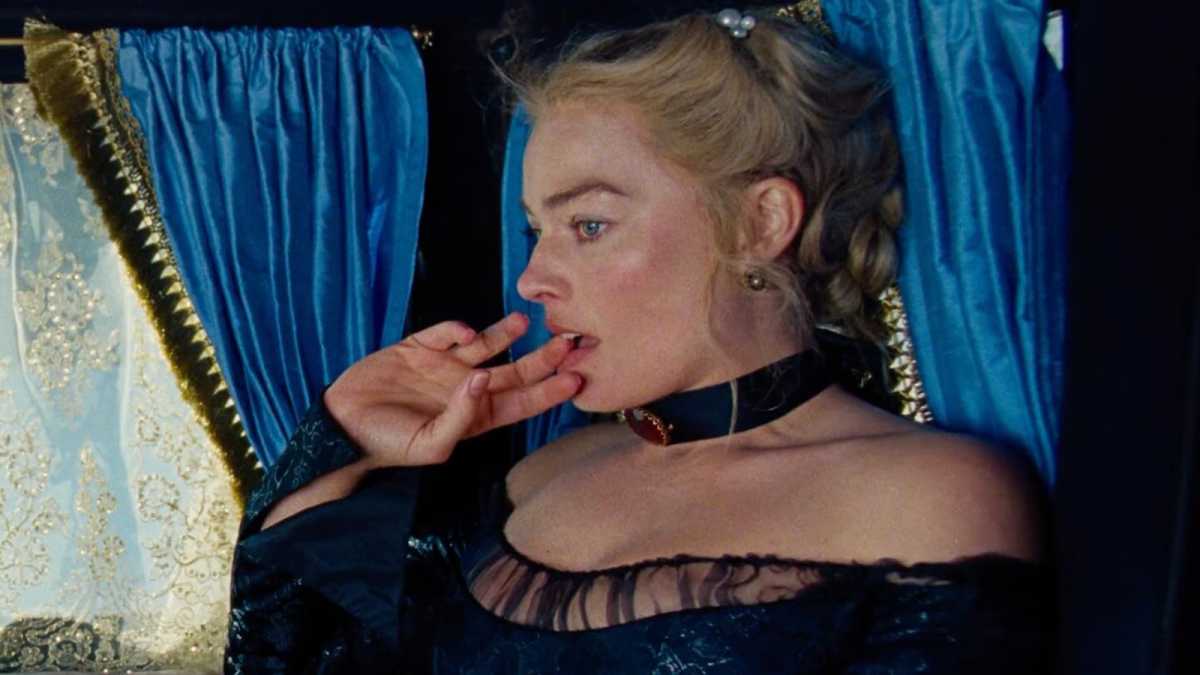
On one hand, Fennell introduced a lot of sex scenes; on the other, she butchered the erotic tension between the lovers. Brontë’s characters are driven by inextinguishable desire. For Fennell, it could be an opportunity to tell the story through symbols and explore sensuality from a female perspective. However, she approaches the eroticism with the creativity and subtlety of a fan-fiction-writing teenager.
Warner Bros.
The long, stylised and surprisingly conservative sex scenes, accompanied by a Charlie XCX track, resemble music videos. They’re literal, tedious and cold, which is why Wuthering Heights fails not only as a social commentary and revenge story, but also as a romance.