In 2026, the sargassum seaweed season in the Cancun area appears to be starting earlier than previously forecast.
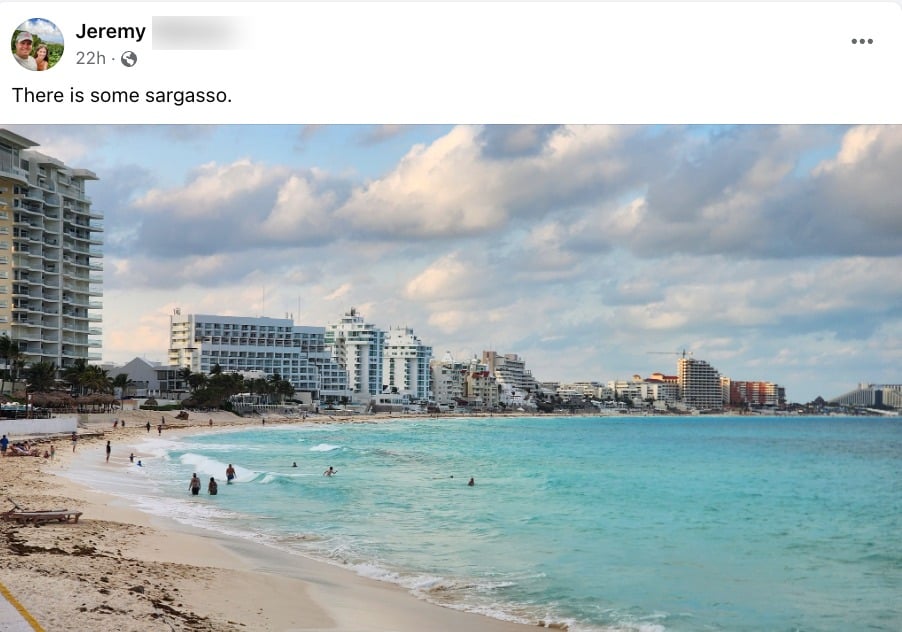
Facebook photo reports and satellite data analyzed by researchers at Florida Atlantic University indicate that sargassum concentrations in the Atlantic are already increasing, raising concerns that this year’s influx could rival the severity of last season.
While exact landfall timing remains uncertain, early indicators suggest that coastal areas in the Mexican Caribbean may once again face significant environmental and economic challenges in the months ahead.
Generally, the beaches most affected by high concentrations of algae include Cozumel, Playa del Carmen, Tulum, Akumal, and certain areas between Cancun and Puerto Morelos.
However, accurately predicting which beaches will be affected and to what extent is extremely difficult, as conditions change almost daily and often without notice.
Read on for the latest information on the sargassum situation at Mexico’s beaches.
What is the seaweed sargassum and what is causing it?
Sargassum is a floating brown seaweed distinguished by its leafy structure and small, air-filled bladders that enable it to remain buoyant at the ocean’s surface.
In recent years, large-scale sargassum blooms in the Caribbean and across the Atlantic have been increasingly linked to a combination of nutrient pollution from agricultural runoff and wastewater, rising ocean temperatures driven by climate change, and shifting ocean currents. Together, these factors accelerate sargassum growth, resulting in significant environmental disruption and economic strain for affected coastal communities.
When Does Seaweed Season Start In Cancun (Mexican Caribbean)?
According to the data from the last 2 years, the seaweed season in Cancun starts in February and peaks between April and August. Some parts close to Cancun, such as Playa del Carmen, Cozumel, and Puerto Morelos, see the start of the peak already in February.
Sargassum Forecast 2026
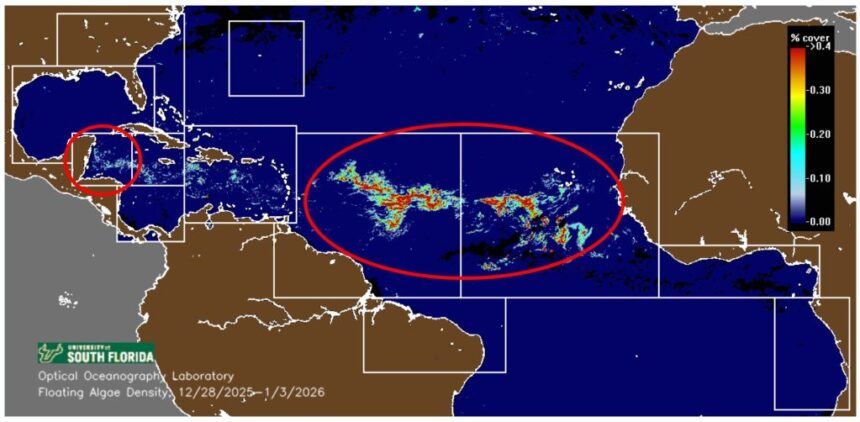
Satellite imagery from the Optical Oceanography Laboratory at the University of Florida is used as a key tool to monitor and estimate the progression of the sargassum season.
However, precise forecasting remains difficult, as sargassum movement is influenced by a range of dynamic variables. Ocean currents and sea surface temperatures play a particularly significant role in determining how and where sargassum mats travel and eventually reach coastal areas.
Based on the satellite imagery shown below, current indicators point to another potentially severe sargassum season, with concentrations expected to begin increasing as early as February.

Sargassum Seaweed in Cancun Area Right Now: 2026 Updates
January 20, 2026: Visitors are reporting early arrivals of sargassum in the Tulum, Cancun, Playa del Carmen, and other areas
Our Traveling Lifestyle sargassum reporting FB group has been flooded by photos of big sargassum arrivals already in early January.


ARCHIVES and PHOTOS from the 2025 Sargassum Seaweed Season
June 20: Mexican Beaches Overwhelmed by the Worst Sargassum Arrival Ever


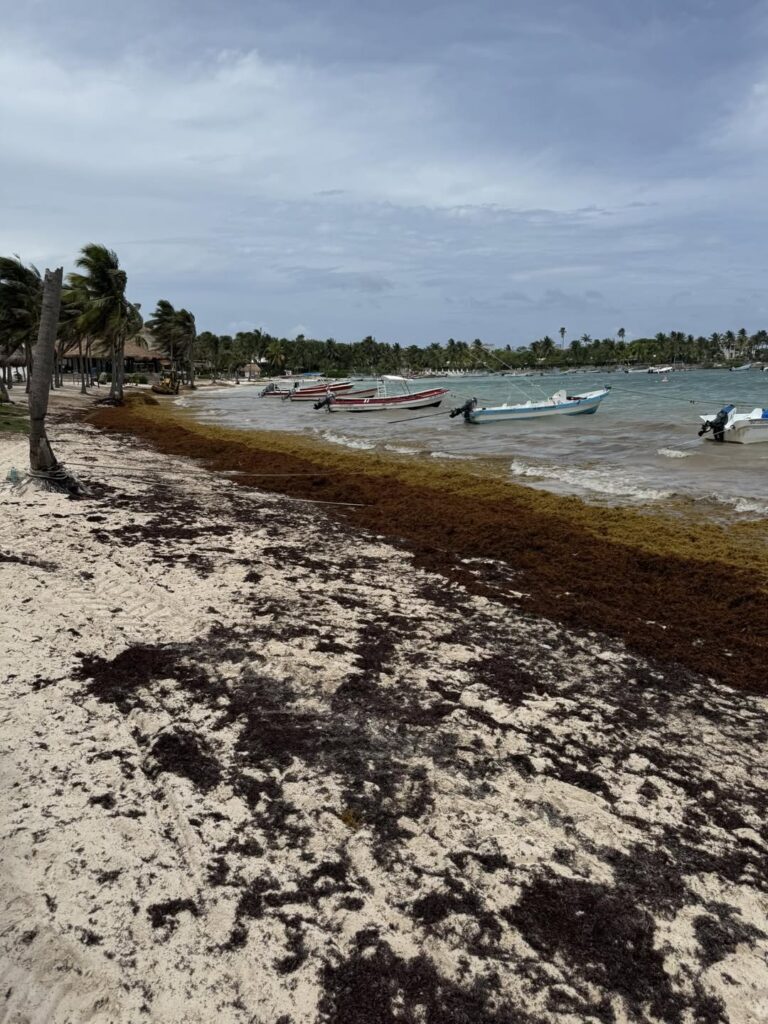


Satellite images show continuous sargassum seaweed invasion coming into the Caribbean

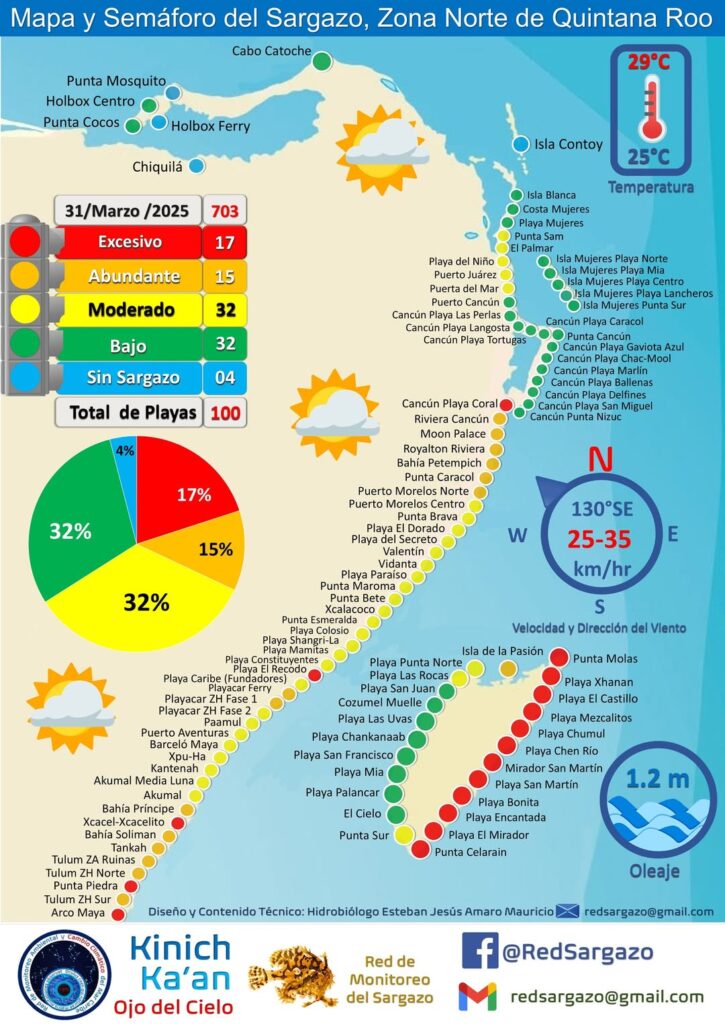
April 2: Latest Images of Sargassum Seaweed Situation from FB Reporting Group + MAP + Satellite Image
Latest images and videos of sargassum seaweed arrivals along the Mexican Caribbean coast.


Latest MAP of the sargassum seaweed distribution along the Mexican Caribbean coast.
Latest satellite images of the sargassum distribution across the Atlantic Ocean and Caribbean Sea
From the images below, we can expect a massive seaweed arrival in April.


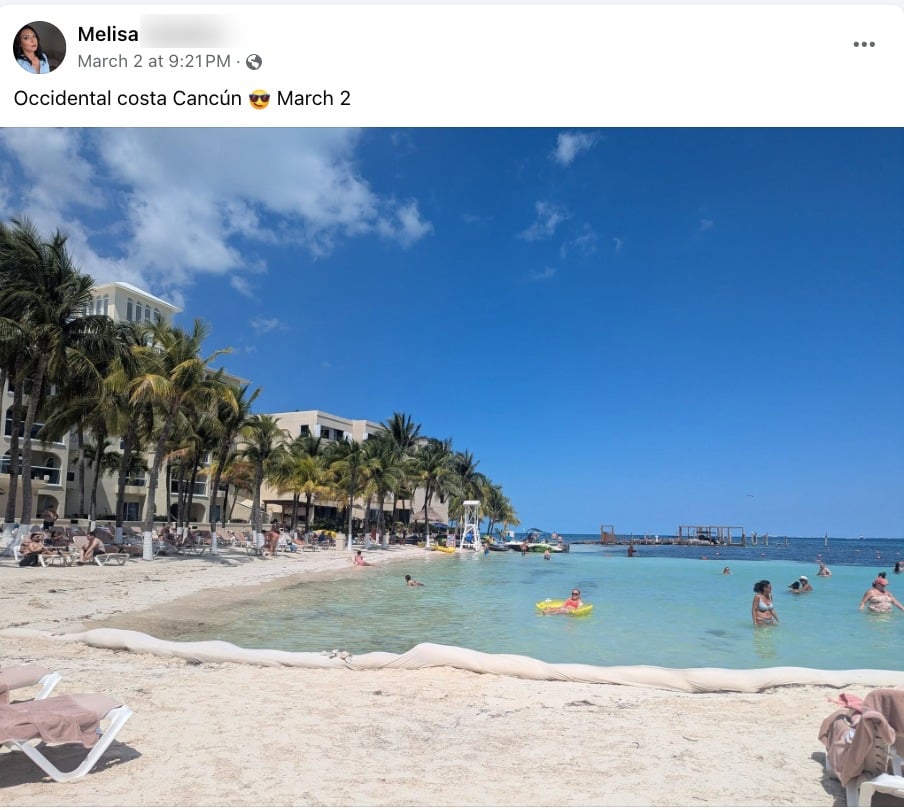
March 4: Latest Images of Sargassum Seaweed Situation from FB Reporting Group




February 27: Sargassum Seaweed Map of the Mexican Caribbean Coast & Satellite Images


March 1: Third Wave of Sargassum Reaches Yucatán Coast and Quintana Roo Expects 30,000 – 40,000 tons of Sargassum in 2025
Following the passage of seven meteorological systems this year, including Cold Front 28, Yucatán’s coastline has been impacted by a third wave of sargassum. The most affected area is the northern municipality of Yobaín, particularly the port of Chabihau, where local fishermen, such as Rubén, report severe disruptions to their work due to the accumulation of seaweed in their nets. This influx of sargassum has affected 12 beaches along a 110-kilometer stretch from Puerto Chuburná to Dzilam de Bravo. Javier Medina, a representative of the Yucatán Fishermen’s Association, explained that heavy rainfall has loosened sediment from the seabed, exacerbating the issue. Authorities report that 12,000 tons of sargassum have been collected in Yucatán so far this year—5,000 more than during the same period in 2024.
In neighboring Quintana Roo, sargassum deposits are also increasing, with projections indicating this year could see the highest influx in four years. According to the state’s Sargassum Monitoring Network, satellite imagery from NASA shows vast patches of sargassum in the Atlantic Ocean moving toward the region. Esteban Amaro, from the monitoring network, estimates that between 30,000 and 40,000 additional tons of sargassum may arrive in the Mexican Caribbean.
February 24, 2025 – Sargassum Seaweed Update (Cancun, Tulum, Playa del Carmen, etc.
Mexican Caribbean saw a massive sargassum arrival last week, marking the beginning of the sargassum seaweed season 2025. As the temperatures in the region are rising, we can expect an influx in daily sargassum seaweed arrivals.
Latest images from FB reporting group between February 19 – 24, 2025:


Latest Satellite Images by Optical Oceanography Laboratory of the University of South Florida (between February 16 – February 22, 2025)

Latest News: Could South Florida see a major seaweed event by spring 2025? Satellite imagery suggests so (NBCMiami.com)
Dr. Dennis McGillicuddy recalls fishing off Miami with his grandfather, searching for sargassum because it signaled abundant marine life. Sargassum provides habitat for various species, including juvenile mahi-mahi, but excessive blooms can cause problems.
Satellite images from the University of South Florida (USF) show an unusually high amount of sargassum in the Central and East Atlantic as of December 2024—ranking above the 75th percentile for the past 15 years. While still far offshore, some of it is expected to reach Florida.
Sargassum thrives with sunlight and nutrients, doubling in size every 10 days. Experts predict 2025 could be another major bloom year, depending on nutrient availability.
Latest Satellite Images by Optical Oceanography Laboratory of the University of South Florida
Satellite images from January 20–26 reveal a vast sargassum mass drifting in the Atlantic Ocean, expected to reach the Mexican Caribbean by March or April 2025.


ARCHIVES and PHOTOS from the 2024 Sargassum Seaweed Season


May 22 – June 7