
Following within the footsteps of Croatia, which introduced solely final week that People will begin getting fingerprinted as soon as touchdown within the nation, it is now time for the second hottest vacation spot worldwide to impose the identical requirement.
Having hosted a record-breaking 94 million vacationers final yr, solely behind France, Spain is the second European nation to verify they’re prepared to begin fingerprinting international vacationers beginning October 12.

Spain’s resolution follows the EU’s new ‘EES’ directive, and it’ll impression thousands and thousands of vacationers arriving within the nation from the date of implementation.
We all know, it is all troublesome acronyms and complicated terminology, however don’t fret. That is what Journey Off Path is for: translating all that complicated authorities lingo into easy-to-understand, day-to-day English, with out the pointless fluff.
So what’s the EES all about, and why is Spain (and beforehand Croatia) abruptly going to such unprecedented lengths to register guests?
What Does The EES Stand For?


The EES stands for Entry/Exit System, and it is the European Union’s new border process that may completely exchange the decades-old passport stamps.
For a few years now, when People land in Europe, they’ve been instructed upon arrival to move to an immigration desk, the place they get briefly interviewed concerning the rationale for his or her go to by a border agent, who then assesses whether or not to allow them to in or not.
As soon as a constructive resolution was made, the border guard would then place an entry stamp on the customer’s passport.
With the EES, passport stamps will change into a factor of the previous, as when you enter a European nation below the brand new guidelines, you’ll have to present not solely your passport but in addition your biometric knowledge. Extra particularly, 4 fingerprints and a face scan.
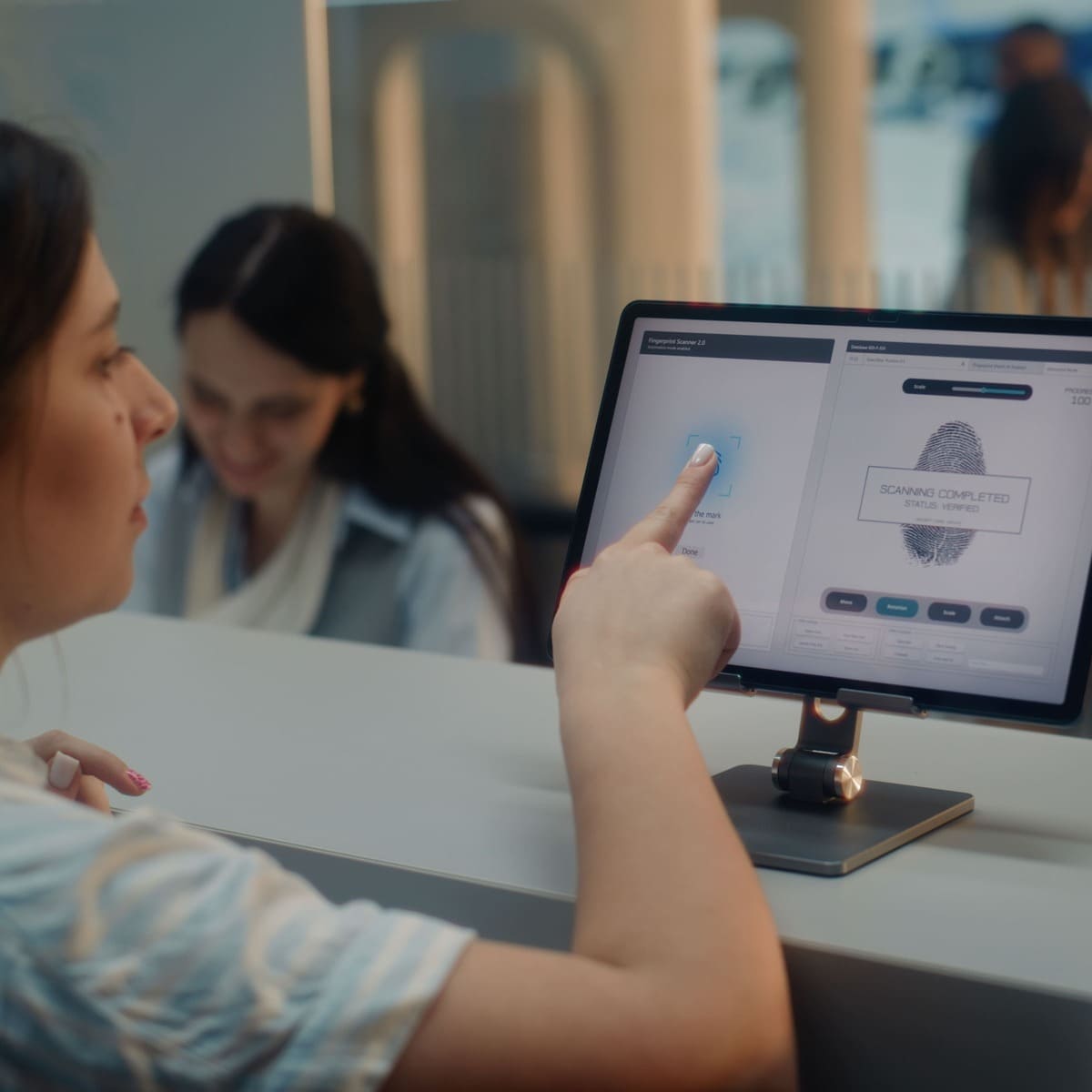
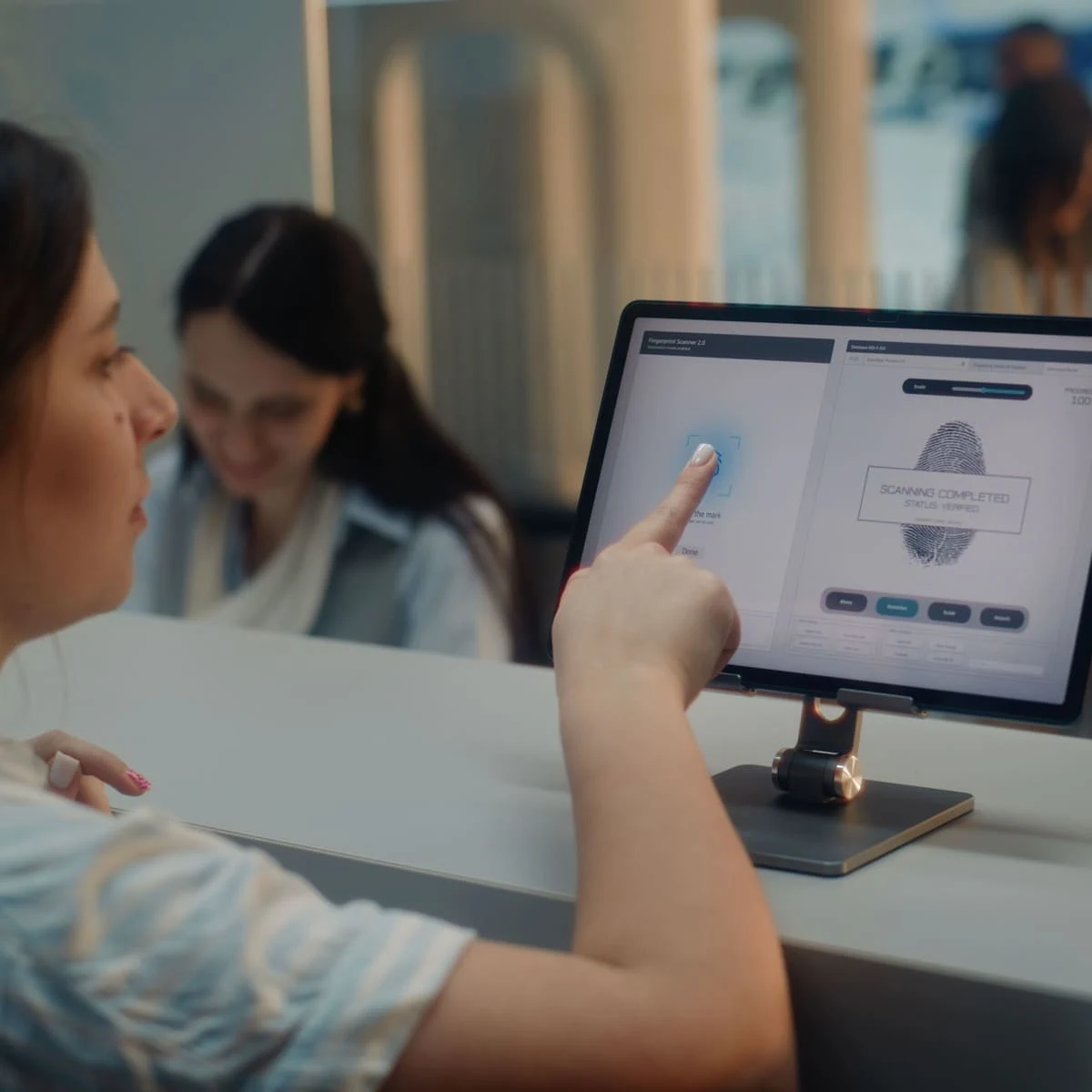
In line with EU officers, the knowledge might be saved securely for ‘three years’, so on future journeys, the method might be far much less arduous. Touchdown in Europe once more upon preliminary registration, all you will have to do is scan your face to confirm your identification, and the automated gate will open.
Why Has Rollout Been This Difficult?
Though the official launch date of the EES is October 12, a number of European nations will not be but prepared to modify to the brand new digital border.
Solely a handful, akin to Croatia and now Spain, have confirmed that they’ve the required infrastructure in place to begin the biometric registration of holiday makers from the launch date. On the similar time, a number of others have reported implementation setbacks and might not have the ability to implement the EES till April 2026 on the newest.


That’s as a result of the EU has allowed its member states a ‘grace interval’ of 6 months, throughout which EES implementation might be gradual, and the fingerprinting will not be necessary.
Be that as it could, Spain has already confirmed it’s going to be among the many first to attempt the brand new system.
Spain Prepared To Roll On October 12
As seen on a press release revealed by the Spanish Ministry of the Inside, the Iberian nation’s adoption of EES will happen in three levels:
- Airports – starting exams on October 12, particularly at Madrid-Barajas Airport
- Land borders – primarily regarding Gibraltar, a British territory within the south of Spain, and the Spanish exclaves of Ceuta and Melilla, on the coast of Morocco, at a later date
- Maritime borders – solely when necessary technical upgrades are accomplished


The Ministry has not set actual deadlines for the implementation of EES throughout different main Spanish hubs, akin to Barcelona, Mallorca, Ibiza, or Málaga. Nonetheless, provided that the ultimate deadline set by the EU itself is April 10, 2026, we’ve got a tough concept of the dates we’re working with.
So how will it work in observe?
How Will The EES Registration Work?
Once you fly into Madrid on October 12, as a substitute of being guided to an immigration sales space for non-Europeans to bear border management, you will be directed to an EES kiosk.
Consider it as a ‘check-in’, ‘check-out’ kiosk:


You may first scan your passport and look forward to the knowledge to pop up on the display screen. As soon as it does, it would ask in your fingerprints and a photograph. The subsequent step is to reply a couple of fast safety questions on the display screen.
It’s designed to be as easy a course of as attainable, and it’s meant to scale back wait instances at passport verify, which, at sure instances of the day, may stretch for hours relying on the inflow of latest arrivals.
How Is The EES Totally different From ETIAS?
There’s additionally numerous confusion concerning one other acronym that many use interchangeably with EES, but has a totally completely different that means: the ETIAS.


As we identified beforehand, the EES and ETIAS are completely separate entities:
- EES: the bodily registration on the border. It is going to contain offering your fingerprints and different biometric data, and it appears set to interchange handbook passport stamps.
- ETIAS: a digital entry allow that you’re going to want to use for earlier than flying to Europe. It prices $7.50 and it’ll solely launch in late 2026.
Each are necessary, and that is why the rollout (and its communication to the broader public) has been suboptimal at greatest.
To sum it up, the EES is launching already subsequent month, and as we do not know proper now what’s the full checklist fo EU entry factors the place will probably be enforced, you ought to be ready for a brand new entry course of regardless. In Madrid-Barajas and in Croatia, the EES rollout on October 12 is confirmed.
As for the ETIAS, you need not concern your self with it till the final quarter of 2026 on the earliest.

Subscribe To Our Newest Posts
Enter your e mail deal with to subscribe to Journey Off Path’s newest breaking journey information, straight to your inbox.