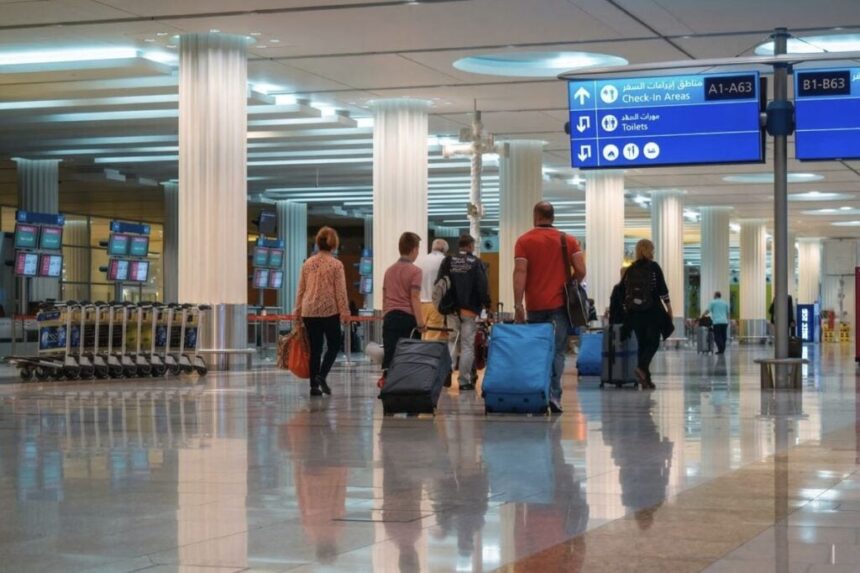
The global travel landscape has shifted from “caution” to “active disruption” in the last 24 hours. While mainstream media remains focused on broad geopolitical narratives, our Traveler Dashboard has surgically tracked 17 critical updates issued by U.S. Embassies between March 9 and March 10, 2026.
We have now officially entered a period of “Global Spillover.” For the first time since the onset of Operation Epic Fury on February 28, the security footprint of this conflict has expanded beyond the Middle East, triggering a Worldwide Caution that affects travelers in Europe, Africa, and South America.
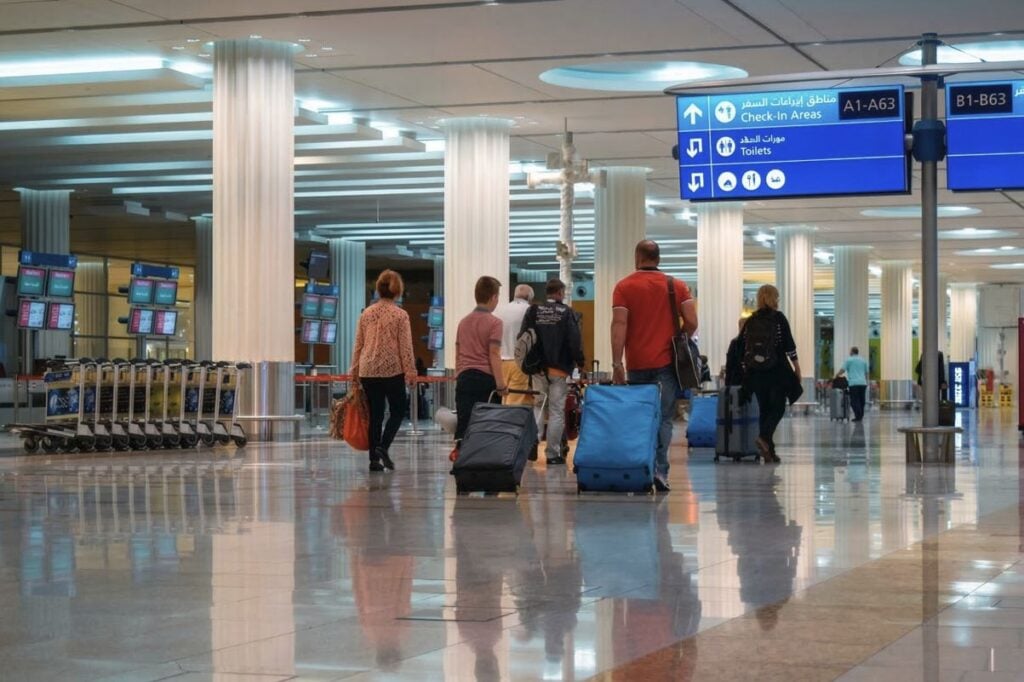
The Global Spillover: New Alerts Outside the Middle East
While the combat operations remain centered on Iranian IRGC airbases in Isfahan and drone command centers, the retaliatory ripples are hitting traditional tourism hubs.
Chile & Brazil – March 10 Large-scale demonstrations against U.S. foreign policy have triggered specific security alerts. In Santiago, Chile, protests are scheduled for 6:00 PM today directly at the U.S. Embassy. In Porto Alegre, Brazil, localized protests are actively disrupting traffic and municipal services in the city center.
- Actionable Item: If you are in either city, maintain a low profile, stay indoors during protest windows, and completely avoid the Embassy district in Santiago and the Açorianos Park area in Porto Alegre. Do not attempt to cross protest lines.
The Traveler Safety Index for Chile is currently at 75.
Portugal (Lisbon) – March 10 The U.S. Embassy in Lisbon has officially issued a Security Alert following a Department of State Worldwide Caution. This is a massive shift for a Level 1 destination. Travelers are being told to practice “increased vigilance” and avoid all demonstrations.
Despite the new alert, the Traveler Safety Index for Portugal has remained stable.
- Actionable Item: If you are in Lisbon, stay away from the U.S. Embassy and major public squares like Praça do Comércio. Pro-regional sentiment is high, and peaceful protests can escalate into traffic shutdowns or confrontations without notice.

Nigeria (Abuja/Lagos) – March 10 In a rare and specific move, the U.S. Embassy has warned of a credible terrorist threat targeting U.S. government facilities and U.S.-affiliated schools. This is the highest level of specific intent we have seen in the West African region this year.
- Actionable Item: If you are an expat with children in international schools in Abuja or Lagos, vary your drop-off/pick-up routes daily. Do not establish a pattern. The Embassy is advising “unpredictable movement” as the primary defense against targeted threats.
Kosovo (Pristina) – March 10 Heightened security measures are now in effect at all U.S. facilities in Kosovo. Routine consular services are being “throttled” to prioritize emergency security posture. If you are in the Balkans, ensure your Smart Traveler Enrollment Program (STEP) profile is active; this is the baseline for receiving extraction coordinates if regional tensions boil over.

The Crisis Zone: Active Extraction & Airspace Collapse
In the Middle East, the “Update 1” pings for March 10 confirm that the window for standard commercial travel is effectively closed. The U.S. government is now prioritizing land-based extraction logistics.
Israel: The Taba Extraction Route As Ben Gurion Airport remains restricted to El Al and a handful of local carriers, the Taba (Egypt) crossing has become the primary 24-hour exit route for Americans.
- The Ground Truth: The Israeli Ministry of Tourism is now running dedicated shuttle buses from Herzliya, Tel Aviv, and Beersheba to Taba.
- Actionable Item: You must carry at least $85 USD in cash on your person. Local ATMs at the border are reportedly empty. You will need $35 for the Israeli exit fee, $30 for the Egyptian visa-on-arrival, and $20 for a mandatory letter of guarantee. Do not attempt this crossing without physical USD.
The Traveler Safety Index for Israel continues to drop and is now sitting at 27 along with dozens of reports of active conflict by travelers on the ground.

Kuwait: 100% Airspace Closure As of late March 9, the U.S. Embassy confirmed that all commercial flights in Kuwait are suspended due to the active threat of incoming Iranian missiles and UAVs.
- Actionable Item: Do not head to Kuwait International Airport. It is currently a high-value target and a “no-go” zone. Your only viable exit is the overland route to Saudi Arabia, but expect extreme delays as security screenings have tripled.
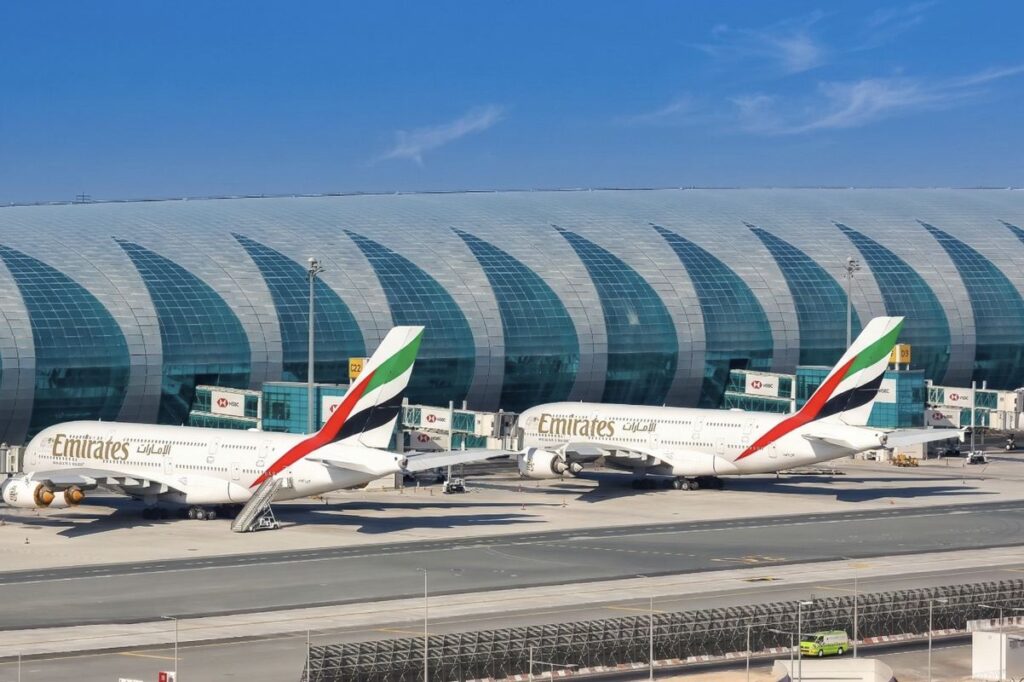
UAE & Saudi Arabia: Ordered Departure The ordered departure of non-emergency staff and families is now fully active. In Dubai and Abu Dhabi, airport access is restricted strictly to confirmed ticket holders.
- Actionable Item: The “Show Up and Fly” era is over. Security perimeters are being set miles away from the terminals. If you do not have a digital or printed PNR (booking code) for a flight departing within 6 hours, you will be turned back at military checkpoints.
- The Traveler Safety Index for Dubai is at 40 with the biggest concern by travelers being reported as transportation problems due to flight restrictions.
Cutting Through the Noise
In the past week alone, we have processed over 100 U.S. Embassy security alerts covering 27 countries across 6 continents.
Right now, the Traveler Dashboard is the only platform where you can instantly search worldwide embassy alerts specific to your exact trip in one centralized place.
We filter the raw feeds so you don’t have to. When you search your destination on the dashboard, we strip away the government jargon and give you pure, actionable security data. It tells you immediately if your flight corridor is compromised, if a shelter-in-place has been ordered, or if a land-border extraction has been triggered. You get the exact, real-time information you need to make fast decisions about your trip.


The Bottom Line
The re-issuing of these alerts as “Update 1” on March 10 signals a solidification of the conflict. With the Strait of Hormuz effectively closed to commercial shipping and air corridors being severed by the hour, you must move now while land borders remain operational.
You can check live real-time traveler safety scores for your destination here.
You can check all worldwide Embassy alerts for your destination here.
You can read all current travel advisories by the U.S. State Department Here.