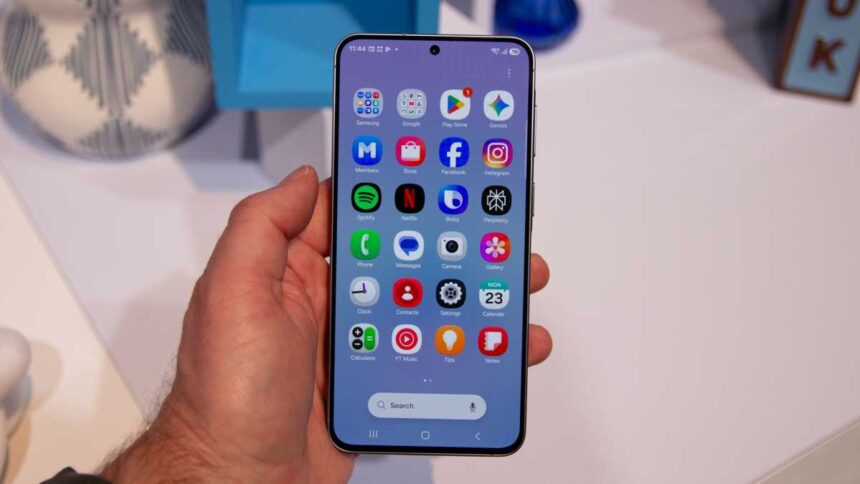
Let’s be honest: life without Samsung is possible, but for many it’s unimaginable. The brand is the Bayern Munich of the smartphone world – you can’t ignore them; they come out on top in almost every review. And perhaps you have that one friend who loves the company like they’ve just inherited shares.
But just because Samsung phones are successful doesn’t mean we have to turn a blind eye to their little (and big) quirks. Quite the opposite.
Perhaps you’re fed up with your phone piling up pre-installed apps? Or that you have to wait so long to charge it?
We take a cheeky look at the dark side of the Galaxy empire – and find alternatives that shine where Samsung stumbles.
1. Bloatware party: Who invited all these unpopular apps?
Chris Hall / Foundry
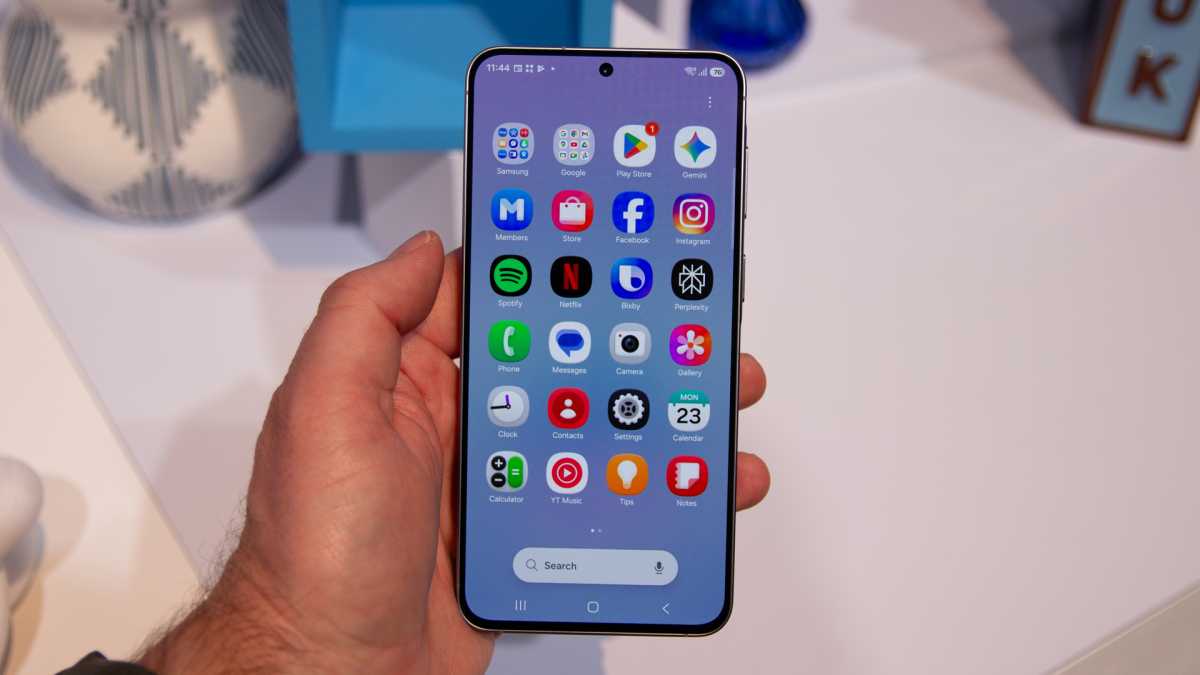
When you switch on a new Samsung phone, it often feels like you’re at a party where half the guests weren’t even invited. Why do I have two calendars, two browsers and two app stores? Samsung loves to pack its own Galaxy version of every Google app onto its devices. This takes up valuable storage space and leads to long lists of apps that are as cluttered as a bargain bin at a clearance sale.
The antithesis to such intrusive software: the Google Pixel 10. Here you get pure Android – clean, properly smart and, thanks to the new Tensor G5 chips, now running at near-warp speed.
2. Charging nightmares: Enough time for a new hobby
Luke Baker
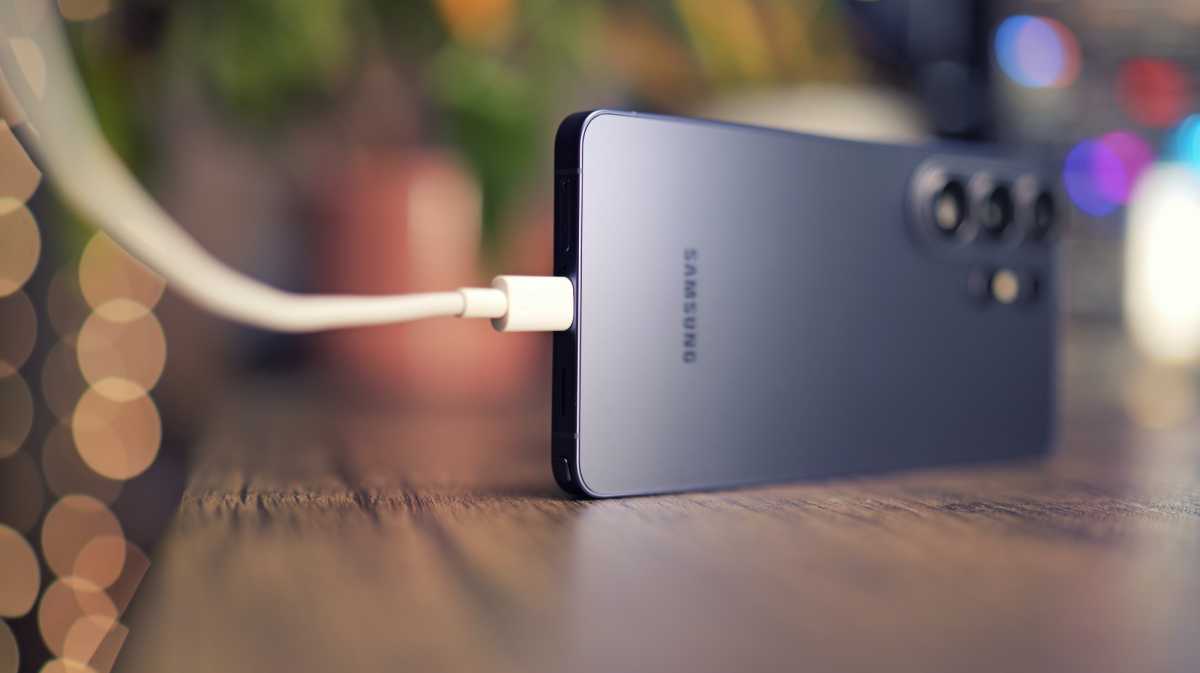
While the Chinese competition charges their smartphone batteries so rapidly that there’s barely time for an espresso, Samsung remains conspicuously cautious – not to say sedate – when it comes to charging speeds. Anyone charging their device at 25 or 45 watts needs one thing above all else: patience. A great deal of patience. You could almost think Samsung is deliberately encouraging us to make good use of the charging time, perhaps with a good book or a few language lessons.
Salvation for the impatient: the Xiaomi 15T Pro. With its 90-watt ‘HyperCharge’, the 5,500 mAh battery is back to 100 per cent in around 36 minutes. While the Samsung user is still staring at their charging bar, you’ll already be back on the move. Even when charging wirelessly, the Xiaomi charges faster at 50 watts than the Galaxy does on a cable.
3. Exynos roulette: Getting lucky with processors (or not)
Mattias Inghe
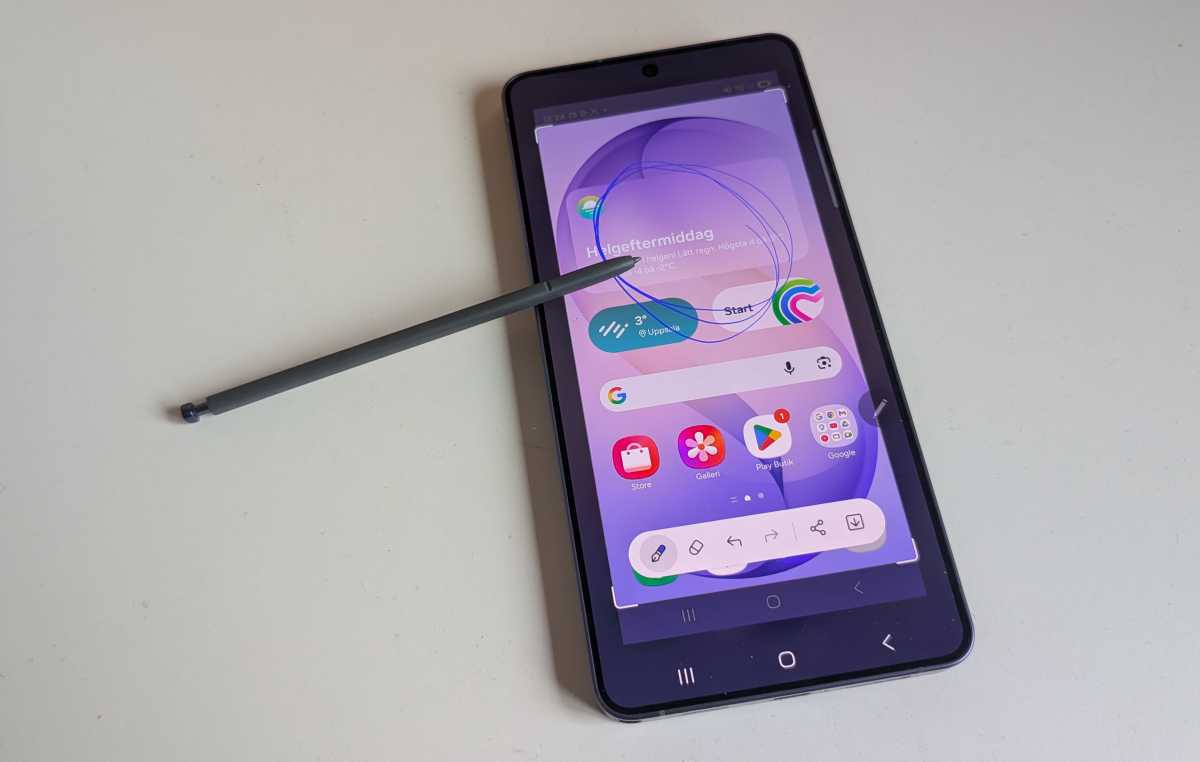
In Europe, Samsung buyers often have the misfortune of drawing a blank in the chip lottery. While US models often whizz through all computing tasks with efficient Snapdragon processors, on this side of the Atlantic we are generally served the in-house Exynos chips.
The result? Phones get as warm as a hot water bottle when gaming or under heavy use, and the battery runs out in record time.
The performance king: the OnePlus 15. The manufacturer isn’t doing things by halves here and has fitted the brand-new Snapdragon 8 Elite worldwide. No experiments, no overheating – just pure, brute force performance that doesn’t falter even after three hours of gaming. If you’re in Europe and you’re not keen on a second-rate processor, this is the perfect choice.
4. Photo delay: I’m sorry, your subject has left the frame
Luke Baker
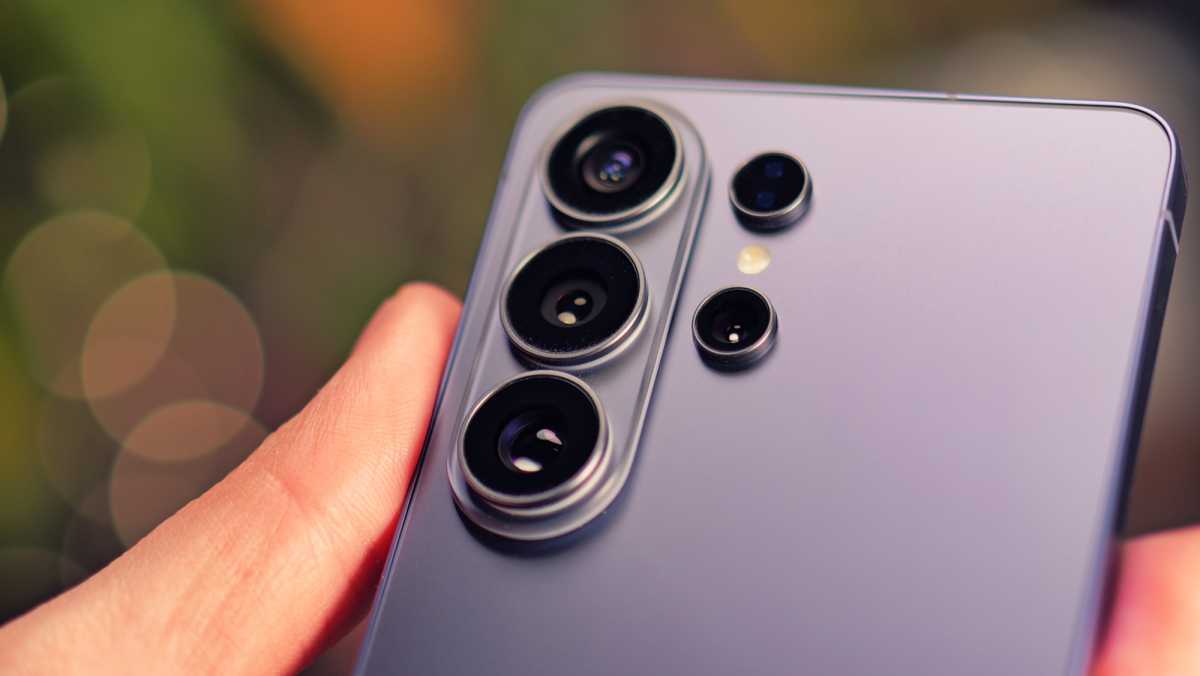
Samsung cameras take phenomenal pictures – as long as the subject isn’t moving. The tiny delay when taking a photo (the infamous ‘shutter lag’) regularly means that instead of a dog playing, you end up with only a blurred tail at the edge of the frame. By the time the camera clicks, the subject has long since taken off.
The paparazzo substitute: the Honor Magic 8 Pro. With its new AI-powered automatic snapshot mode, this phone triggers so lightning-fast that it virtually freezes movement before you’ve even fully pressed your finger against the screen. While the Samsung user is still cursing, you’ve already got the perfect action shot in the bag.
5. Design déjà vu: Which mobile phone am I actually holding?
Chris Hall / Foundry
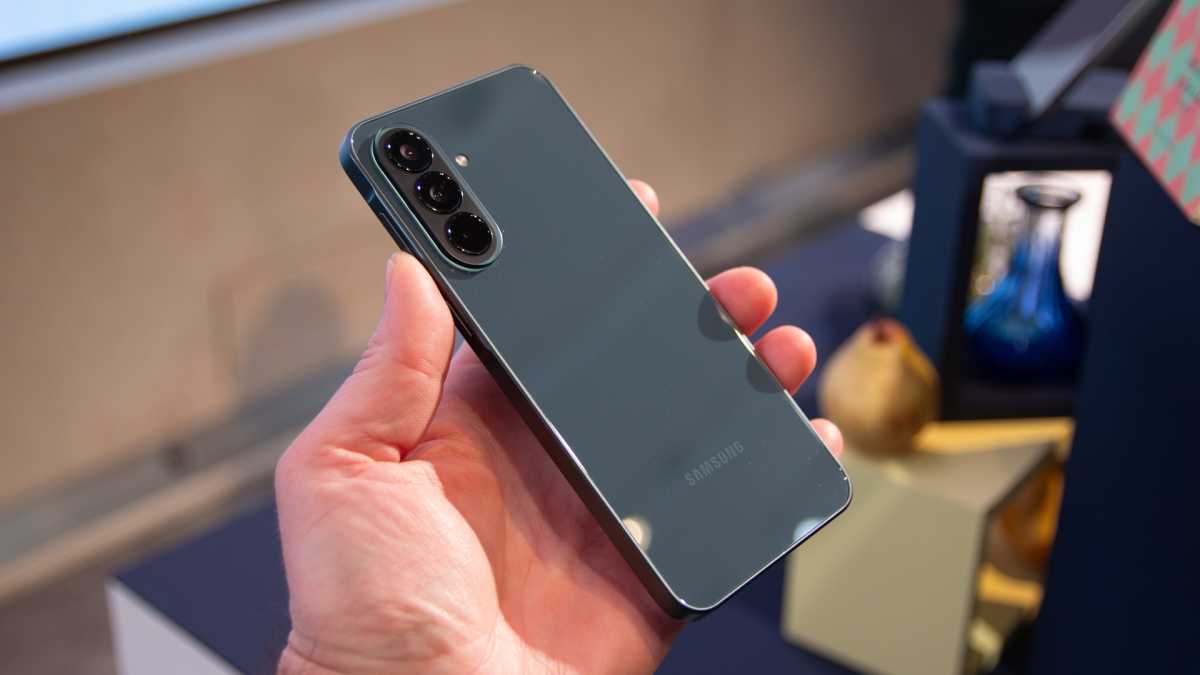
Visually, Samsung is currently in a phase of – let’s put it kindly – remarkable consistency. More critical voices would simply call it boring. Whether you’re buying a budget A-series model or a flagship S-series device, it’s almost impossible for the average person to tell the difference. So you’re treating yourself to a bit of luxury – but no one knows, because the devices all look as if they’ve been pressed in the same mould.
An eye-catcher for individualists: the Nothing Phone (3). Nothing here is ordinary. With an iconic transparent back and the now truly impressive Glyph interface (smart LED strips), it looks like a prop from a sci-fi blockbuster. It’s the ultimate statement against the mass-produced crowd – and is sure to spark conversation as soon as it’s placed on the table.
The verdict: Why we (almost) all love Samsung after all
Before you ritually bury your Samsung smartphone in the garden, there are certainly good reasons that Samsung has been defending the smartphone throne so tenaciously for years. The brand does, in fact, have a few aces up its sleeve:
- Display cinema: Hardly anyone builds screens as brilliant, colourful and bright as Samsung. This really comes into its own when watching films.
- Update marathon: Samsung has transformed itself from an update laggard into a model student: top models receive updates for seven years – just like Google.
- Ecosystem runs like clockwork: Once you start using a Samsung smartwatch, Galaxy Buds and tablet, they work together seamlessly – but only as long as you don’t bring other manufacturers on board.
The verdict: Ultimately, the relationship with a Samsung smartphone is reminiscent of a long-standing marriage: you appreciate the reliability and the well-oiled teamwork – but you also know how quickly the harmony can falter if you start flirting with the competition.
The tech simply works best as long as you stay within Samsung’s ecosystem. If you use smartwatches or headphones from other manufacturers, the whole thing noticeably grinds to a halt.
If you’re not keen on this (gentle) brand lock-in or are tempted by high-speed charging and uncluttered software, there’s fortunately no shortage of alternatives. See our top recommendations in our round-up of the best phones we’ve tested.
This article originally appeared on our sister publication PC-WELT and was translated and adapted from German.