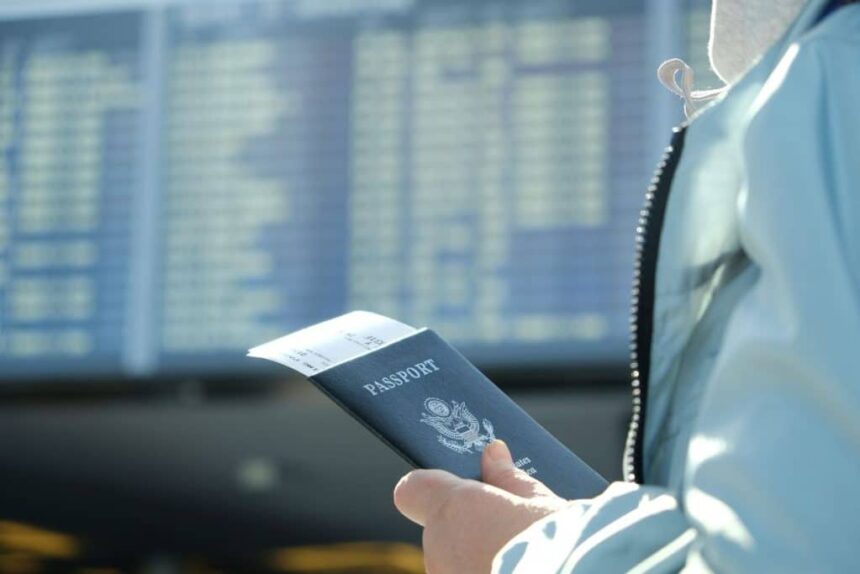
Europe launches new digital border checks — and U.S. vacationers will discover the change.
The European Union formally rolled out its Entry/Exit System (EES) in the present day, changing conventional passport stamps with biometric registration for all non-EU guests, together with U.S. residents touring to Europe.
The EES is now dwell at main airports and border crossings throughout the Schengen Space, with full deployment anticipated by April 2026.
What Is the EES?
The brand new system routinely data the entry and exit of non-EU nationals visiting Europe for brief stays (as much as 90 days in any 180-day interval).
As an alternative of a passport stamp, vacationers can have their faces and fingerprints scanned at an automatic kiosk or by border officers. The objective: sooner, safer borders and higher enforcement of visa-free limits.
What It Means for American Vacationers
- U.S. residents don’t want a visa, however should register biometrics upon their first arrival after October 12, 2025.
- The method takes a couple of minutes; information stays legitimate for about three years.
- Longer wait instances are anticipated throughout the transition, particularly at busy airports.
- The system tracks entries routinely, decreasing the danger of overstaying.
Youngsters beneath 12 are exempt from fingerprinting, although a photograph should be required.
Why the Change?
EU officers say the EES is a part of a broader “sensible borders” modernization, enhancing safety and effectivity throughout Europe. It’s additionally step one towards ETIAS, a journey authorization system for visa-free guests due in late 2026.
Sources: Reuters | Financial Times | European Commission