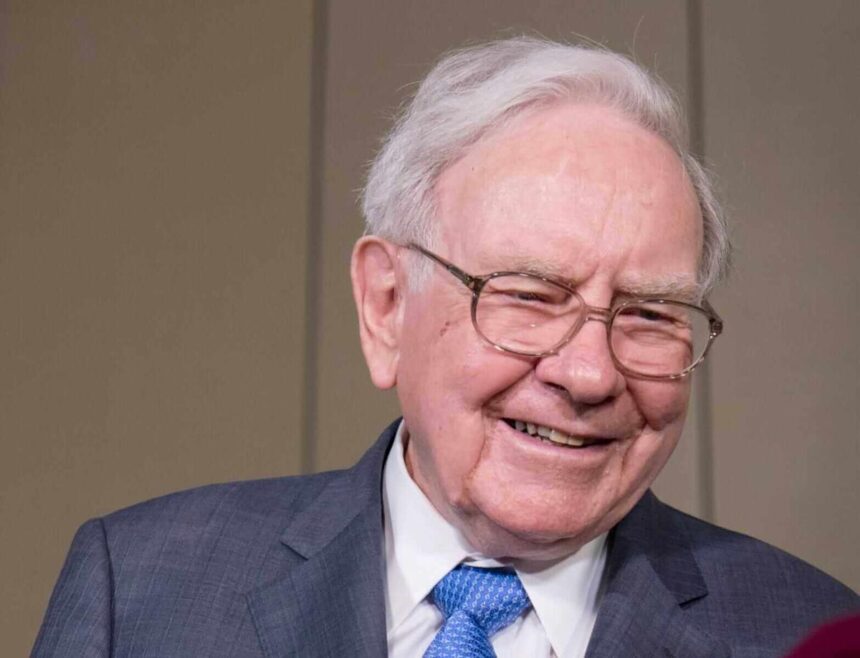

Warren Buffett, chairman and CEO of Berkshire Hathaway (BRK.B) (BRK.A), is understood for his capacity to mix sharp monetary evaluation with memorable storytelling. In his 1981 shareholder letter, Buffett provided a vivid metaphor to explain the pitfalls of acquisition-driven optimism: “Many managements apparently had been overexposed in impressionable childhood years to the story by which the imprisoned good-looking prince is launched from a toad’s physique by a kiss from an exquisite princess. Consequently, they’re sure their managerial kiss will do wonders for the profitability of Firm T(arget).”
He continued, “In different phrases, buyers can all the time purchase toads on the going worth for toads. If buyers as a substitute bankroll princesses who want to pay double for the precise to kiss the toad, these kisses had higher pack some actual dynamite. We’ve noticed many kisses however only a few miracles. However, many managerial princesses stay serenely assured concerning the future efficiency of their kisses — even after their company backyards are knee-deep in unresponsive toads.”
This analogy is extra than simply colourful language; it encapsulates Buffett’s skepticism towards high-premium mergers and acquisitions. All through his profession, Buffett has noticed that many executives are pushed by a perception that their management can rework underperforming firms into market leaders merely via managerial effort. This “prince and toad” optimism, he argues, usually results in overpaying for acquisitions and disappointing outcomes for shareholders.
Buffett’s authority on this topic comes from a long time of disciplined investing and capital allocation. Since taking the helm at Berkshire Hathaway, he has steered the corporate away from empire-building and towards investments rooted in intrinsic worth. Reasonably than chasing offers for the sake of progress or status, Buffett has constantly prioritized companies with sturdy fundamentals, competent administration, and cheap buy costs. His strategy stands in distinction to the frequent company impulse to pursue acquisitions as a shortcut to growth, no matter whether or not the economics justify the premium paid.
The 1981 shareholder letter’s message is particularly related in any period of heightened merger exercise or market exuberance. Buffett’s warning that “buyers can all the time purchase toads on the going worth for toads” serves as a reminder that the inventory market presents direct entry to most companies at truthful worth, with out the necessity for expensive and speculative takeovers. When firms pay important premiums within the hope of miraculous turnarounds, the chances are seldom of their favor.