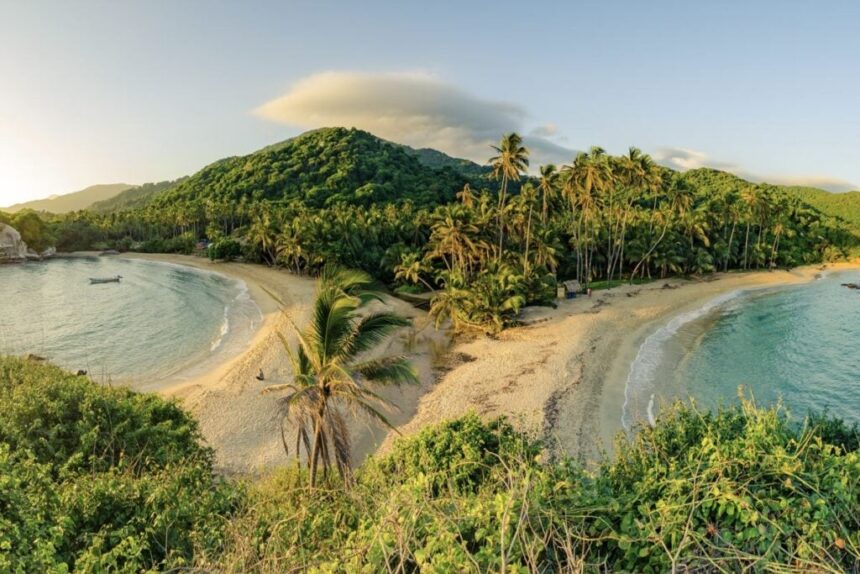
While the masses fight for that perfect pool chair in Cancun, a new wave of travelers is quietly heading to the “Next Big Things.”
Let’s be real: the big resort towns lost a level of authenticity a decade ago. If you are looking for better value, fewer crowds, and places that haven’t been completely sanitized for mass tourism, you need to look at the fringe.
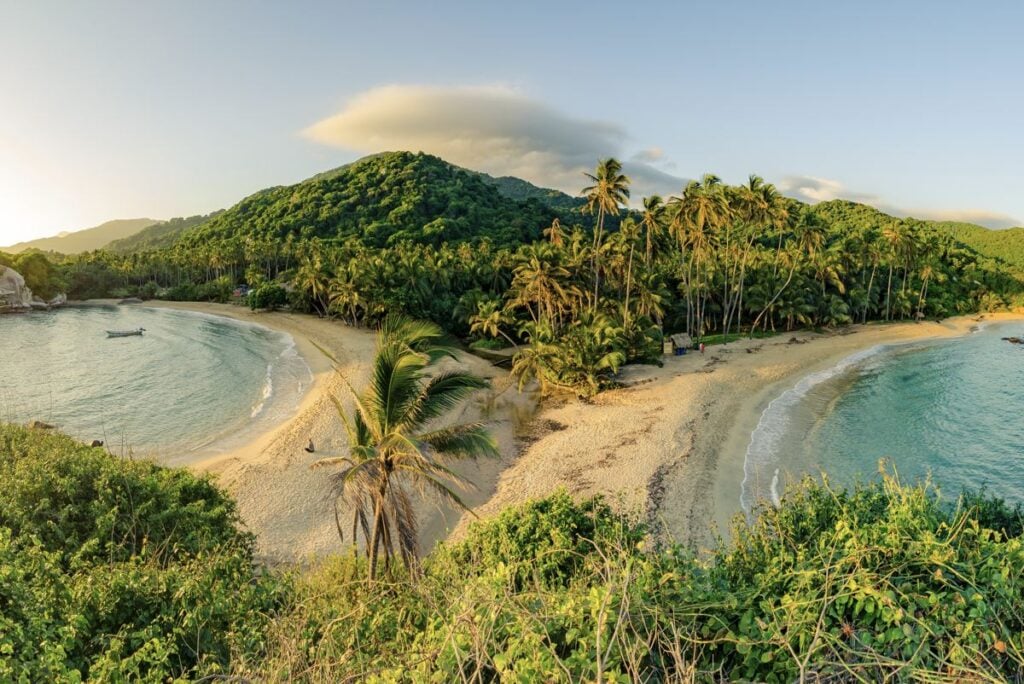
These 7 destinations are hitting their peak in 2026. The infrastructure is finally ready, but the tour buses haven’t ruined them yet.
🌴
Tap To Reveal Destination
🏔️
Tap To Reveal Destination
🚐
Tap To Reveal Destination
🪁
Tap To Reveal Destination
✈️
Tap To Reveal Destination
🦩
Tap To Reveal Destination
🌵
Tap To Reveal Destination
1. Miches, Dominican Republic
The Vibe: The “Punta Cana of 20 Years Ago.”
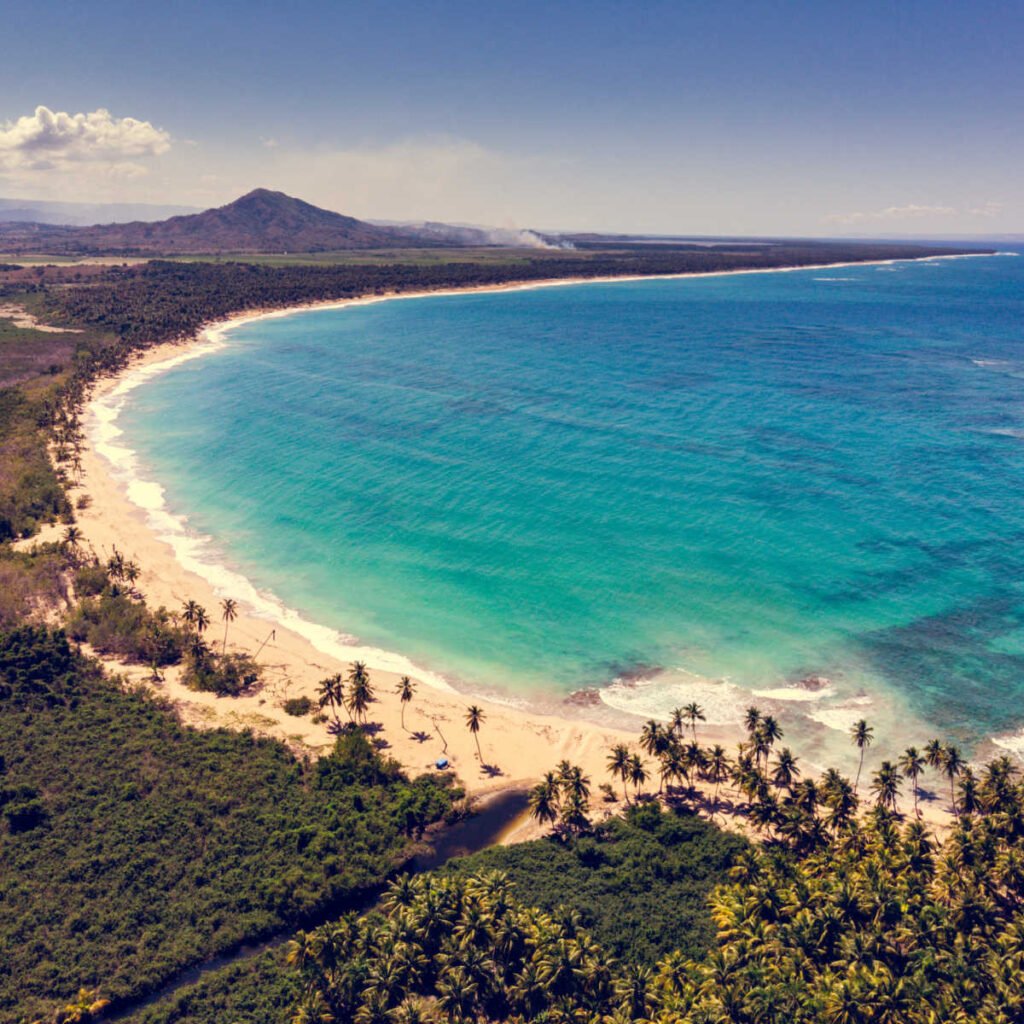
While Punta Cana is manicured perfection, Miches is raw, lush jungle meets the ocean. For years, this was just a difficult day trip for adventurous tourists.
That ends in 2026.
With the new Highway 104 making it a smooth 60-minute cruise from the airport and the massive Zemi Miches All-Inclusive (Hilton Curio) opening its doors, 2026 is the year this town graduates to the “Main Event.” It is the last year you can visit before the “Mega-Resort” boom fully takes over.
Do not visit Montaña Redonda at 11:00 AM. You will wait 45 minutes in the scorching sun for one photo.
The Fix: Arrive at 4:00 PM.
The tour buses from Punta Cana all leave strictly by 3:30 PM. If you roll in at 4:00 PM, you will have the swings entirely to yourself, the heat breaks, and the sunset lighting is perfect.
2. Santa Marta, Colombia
The Vibe: The “Smart” Alternative to Cartagena.
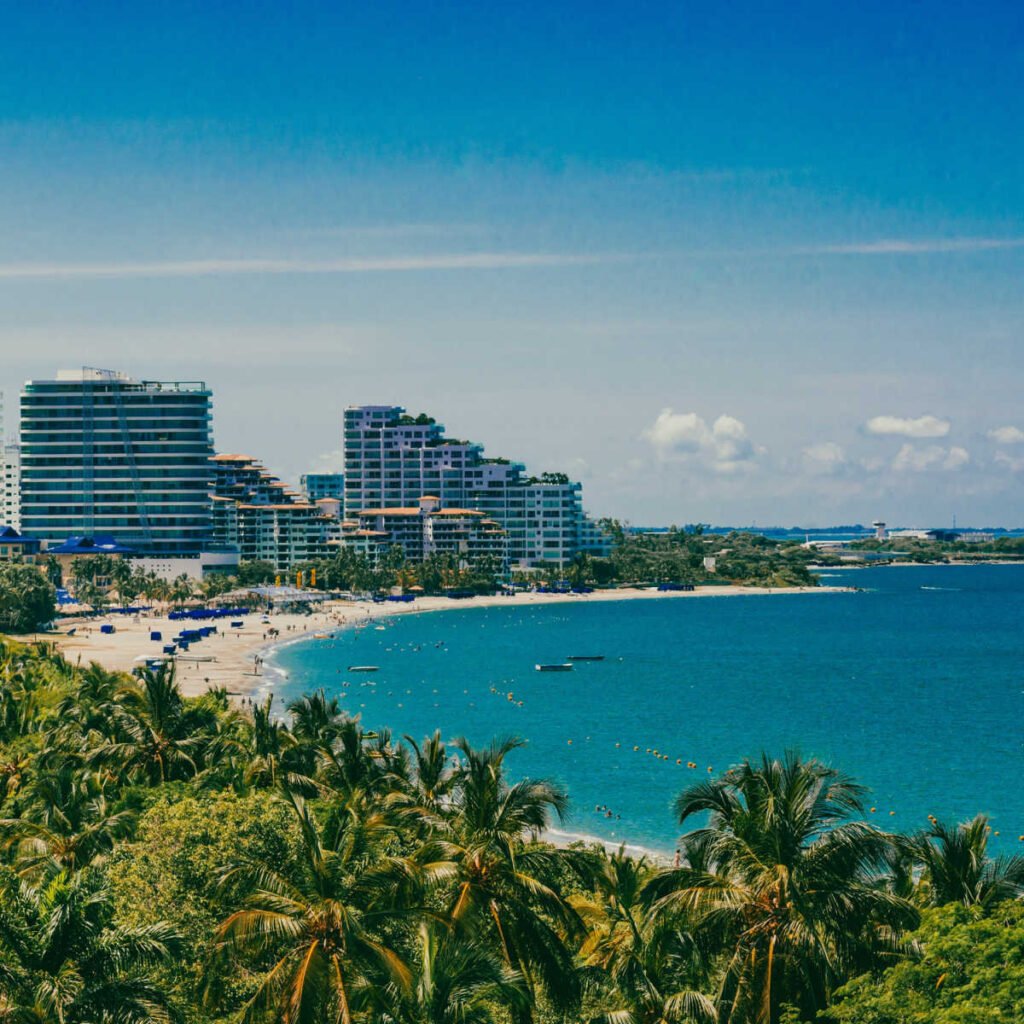
Cartagena is beautiful, but let’s be honest: it has become overpriced and aggressively crowded. Santa Marta offers the same Caribbean heat but with a grittier, more authentic soul.
It is the gateway to the Tayrona National Park jungle and the Sierra Nevada mountains. With new direct flight routes opening up Colombia’s tourism north coast, this is rapidly becoming the “Nature/Trekking” capital of the Caribbean.
Do not swim in the city center beach (Bahía de Santa Marta).
It is right next to a major commercial port and locals strictly avoid it due to cleanliness issues.
The Fix: Take a $5 Uber 15 minutes south to Bello Horizonte (near Zazué Plaza) or take a boat from the marina to Playa Blanca. That is where you find the crystal-clear water you see on Instagram.
3. Lo de Marcos, Nayarit
The Vibe: The “San Pancho Exit.”
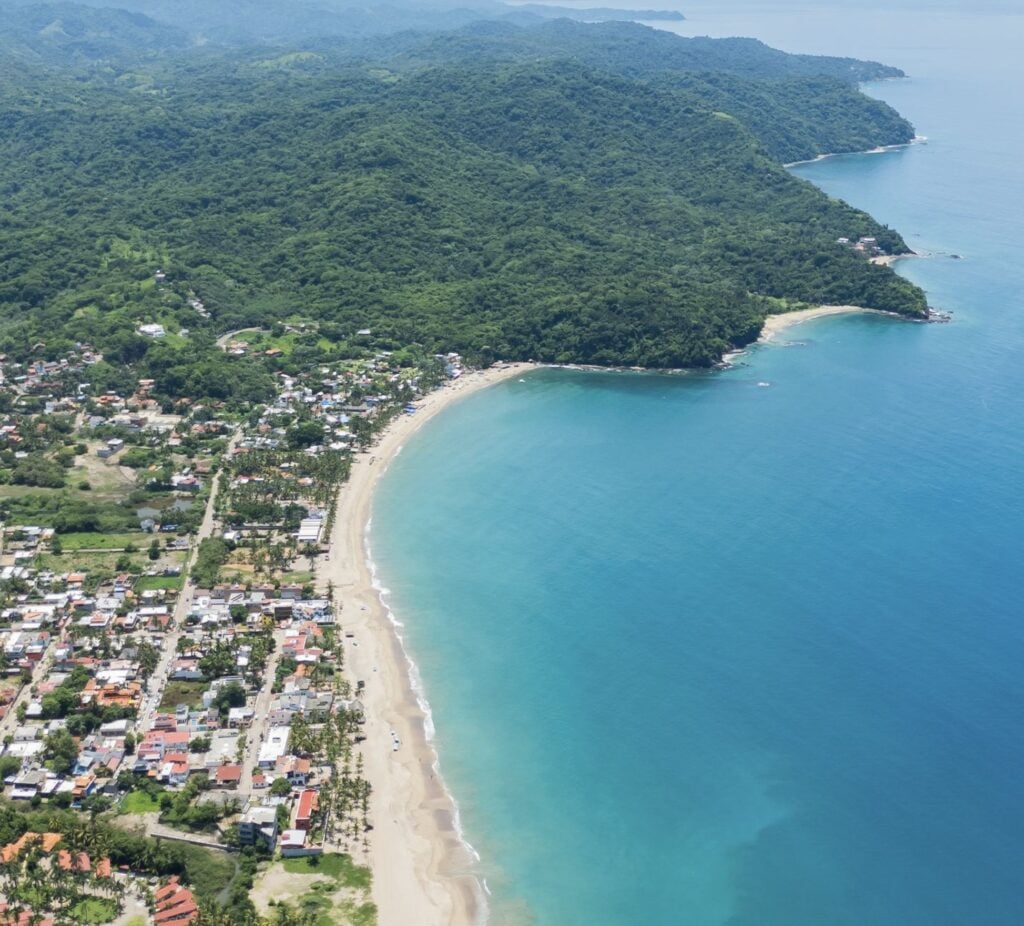
San Pancho and Sayulita have been fully “discovered” (and priced up). Lo de Marcos is where the long-term expats have moved to escape the noise.
It is a quiet, dusty pueblo with a wide, golden beach and a strong RV/Trailer culture that keeps the vibe unpretentious. It serves as the “End of the Line” for the Riviera Nayarit before you hit the wild north.
Bring 100% of your spending money from Puerto Vallarta.
Lo de Marcos often has only one ATM (at the gas station entrance), and it frequently runs out of bills by Saturday afternoon.
Most local taco stands and palapas are Solo Efectivo (Cash Only). If you run dry, you have to drive 20 minutes back to Sayulita just to find a working bank.
4. El Cuyo, Yucatán
The Vibe: Holbox 2012.

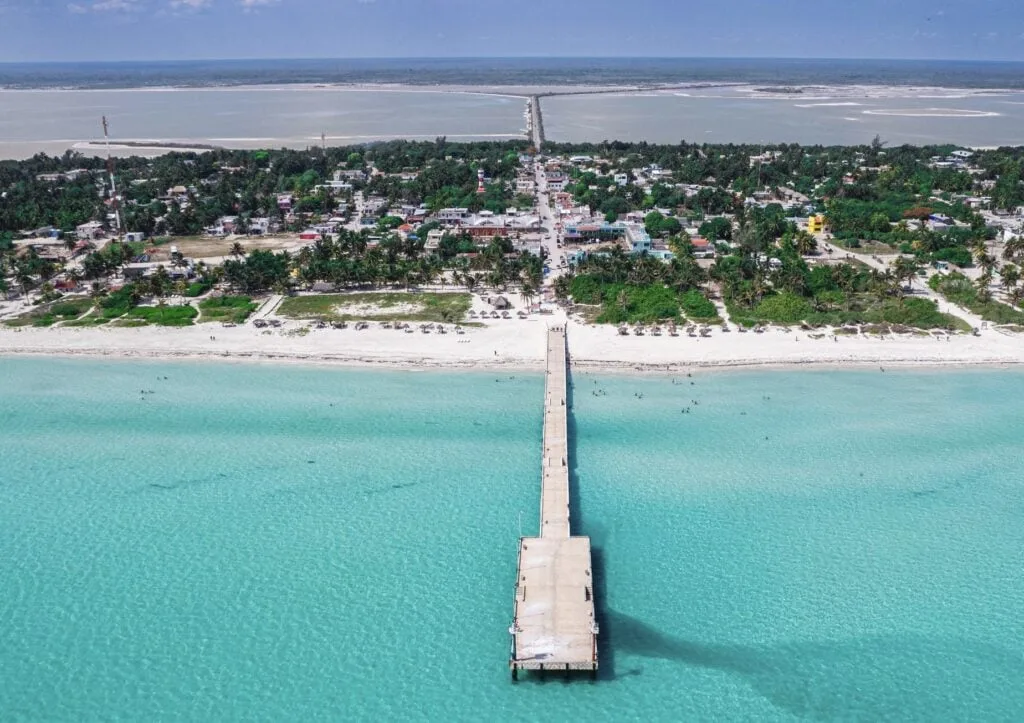
If you miss the days when Holbox was just sand roads and zero influencers, go to El Cuyo. Located within a biosphere reserve, no mega-hotels will ever be built here. It is windy, wild, and incredibly quiet.
As Holbox struggles with infrastructure issues and flooding, El Cuyo is the only legitimate alternative for the “Barefoot Luxury” crowd in 2026.
There are essentially no reliable banks in El Cuyo.
The internet is notoriously spotty, which means credit card terminals at restaurants and hotels frequently fail.
The Fix: You must stop in the city of Tizimín (45 minutes prior) to withdraw all the pesos you need for your entire trip.
Bonus Tip: This is a kite-surfing destination for a reason. Plan your casual beach swims for the early morning before the afternoon gusts pick up and the kites take over the water.
5. Costalegre, Jalisco
The Vibe: The Billionaire’s Coast (Before the Airport Opens).
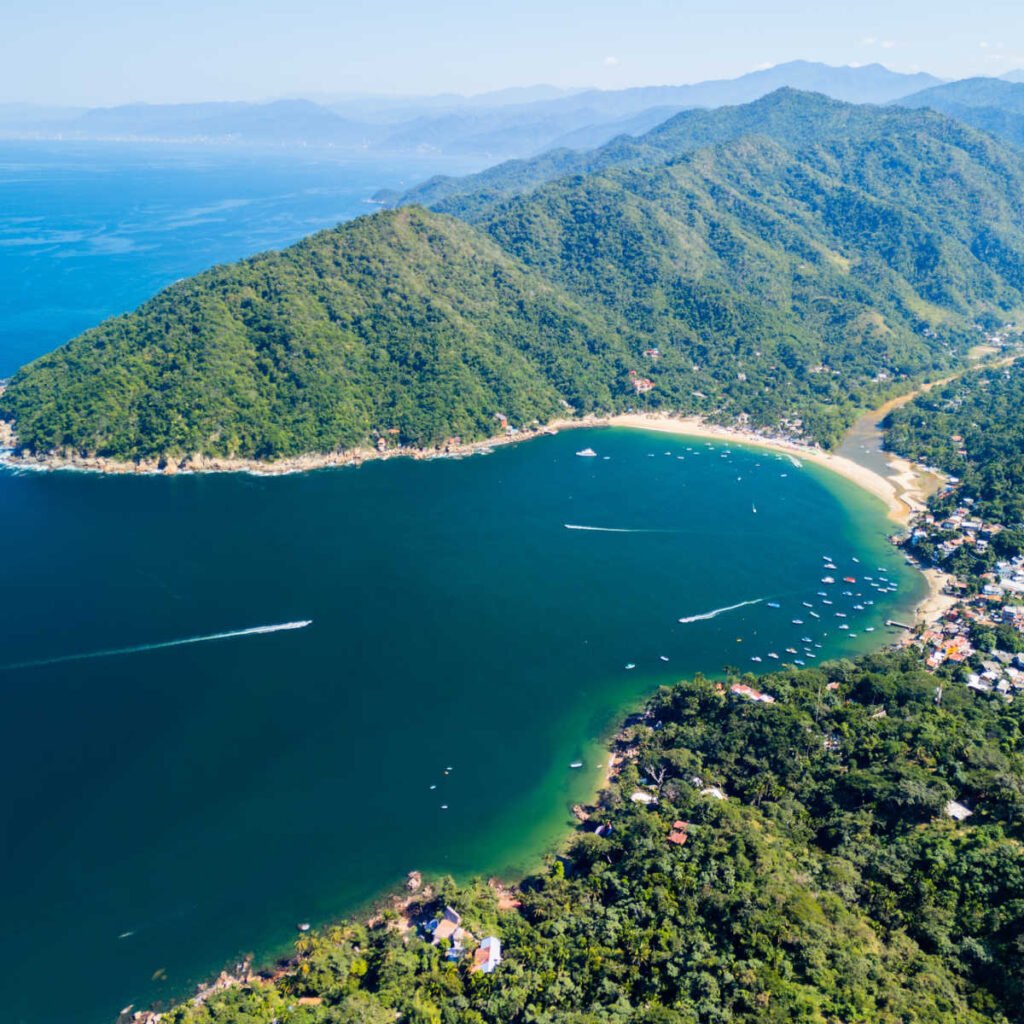
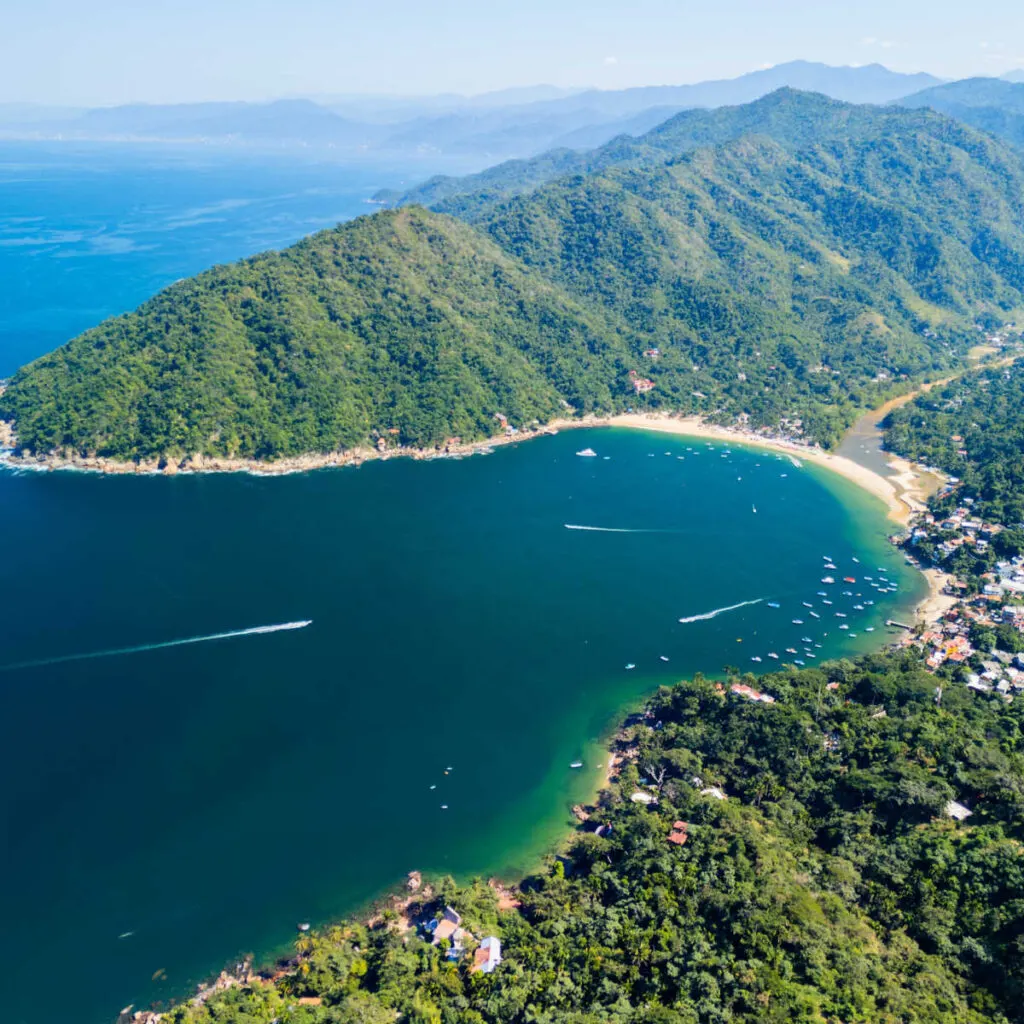
This stretch of virgin coast south of Puerto Vallarta is dotted with ultra-luxury enclaves like Careyes but remains largely empty.
Why does it matter now? The Chalacatepec Airport is finally coming online for commercial flights, turning a nauseating 2.5-hour drive into a 20-minute flight. Go now before the direct flights turn it into the next Cabo.
The pristine nature of Costalegre comes with a price: tiny, invisible midges called Jejenes. They are most active at sunrise/sunset and their bite itches for days.
The Fix: Like in Miches, standard bug spray often fails. Locals use a mixture of Baby Oil and Alcohol or strong citronella to stop them from landing.
6. Sisal, Yucatán
The Vibe: Mérida’s Backyard.
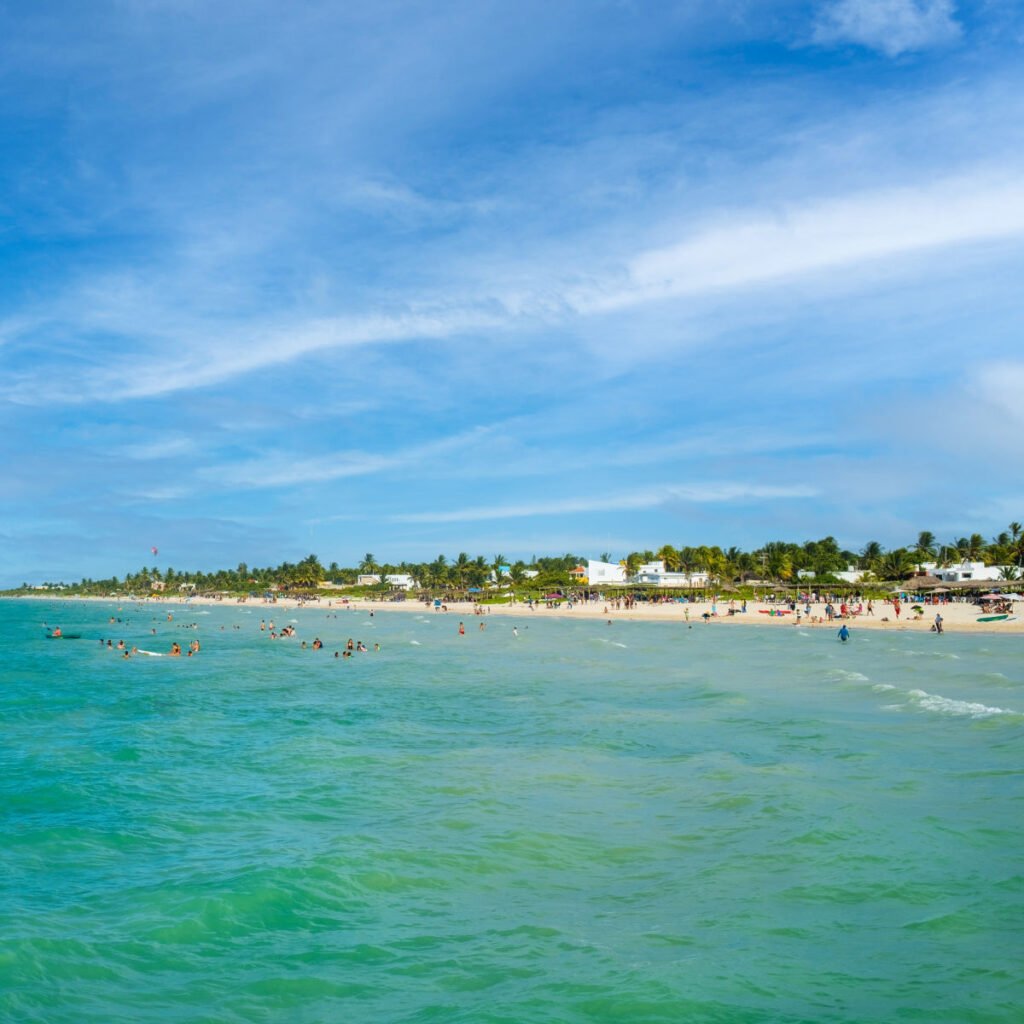
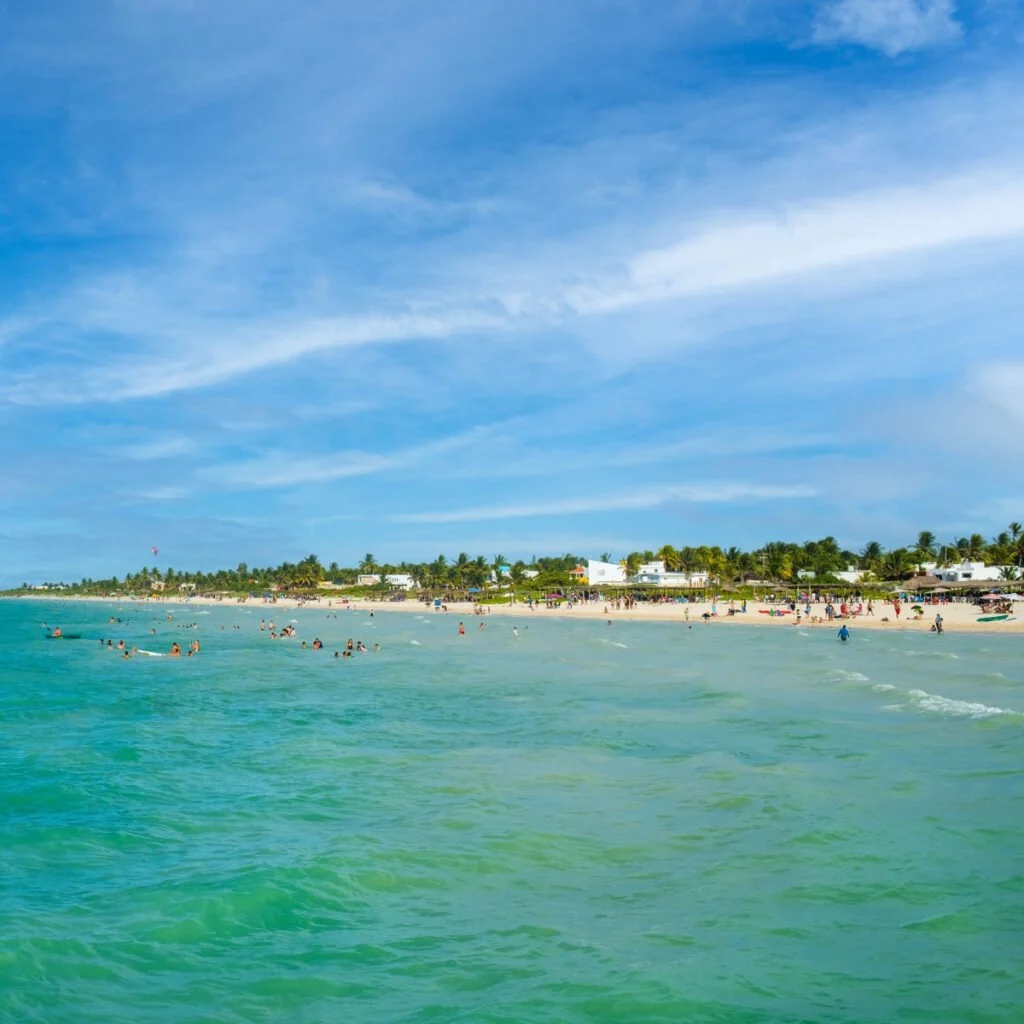
While tourists flock to Progreso (which is often crowded with cruise shippers), the locals go to Sisal.
Recently named a Pueblo Mágico for its history and stunning mangroves, it is quieter, cleaner, and arguably the most charming beach town in the state. The Maya Train connects to Mérida, but Sisal is where those travelers will go to actually find the beach.
You can easily get an Uber from Mérida to Sisal (about $30 USD), but getting one back is nearly impossible because drivers don’t want to drive out there empty to pick you up.
The Fix: If you don’t have a rental car, you must plan to take the local “Oriente” bus or the white Colectivo vans back to Hunucmá/Mérida. They leave from the town center but stop running early in the evening.
7. Mulegé, Baja California Sur
The Vibe: The Desert Oasis.
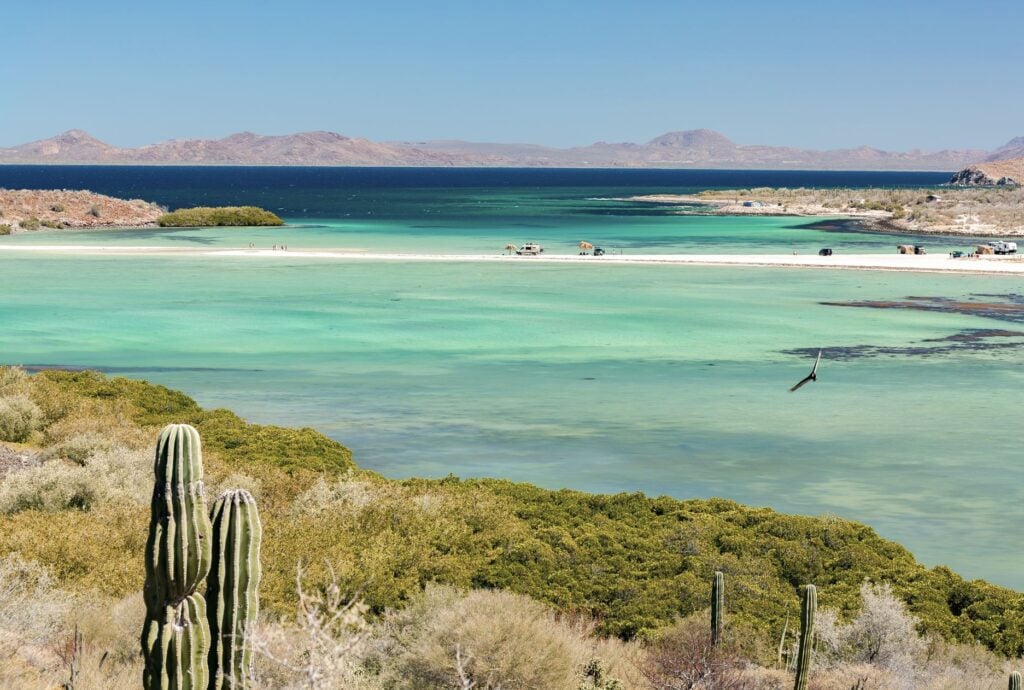
Forget Todos Santos. Mulegé is the real Baja adventure. It’s a river valley in the middle of a cactus desert that opens up to Bahía de Concepción—a bay with water so calm and blue it looks like a swimming pool.
It is the ultimate “Road Trip” destination for travelers who have already done La Paz and Los Cabos.
Absolutely NEVER drive Highway 1 into Mulegé at night.
The road is narrow, unlit, and black cows (and burros) drift onto the warm asphalt to sleep after dusk. Hitting livestock is the #1 cause of accidents for tourists in Baja.
Bonus Tip: Stock up on beer and ice at the market by the town arch—there are zero stores once you head south to the beaches (Requesón/Coyote).
The Clock Is Ticking
Let’s be clear: authenticity has a shelf life.
A decade ago, Tulum was just a dirt road with no electricity. Today, it’s a $500-a-night theme park for influencers. The destinations on this list are currently sitting in that magical “Goldilocks Zone”—the infrastructure is finally good enough to get there comfortably, but the soul of the place hasn’t been sold off yet.
But make no mistake—the developers are already pouring the concrete. The highways are being paved, the airports are opening, and the “Secret” is officially out.
If you want the version of these towns that we just described—raw, real, and reasonably priced—you don’t have five years. You barely have 12 months.
2026 is your green light. Don’t be the traveler looking at photos in 2030 saying, “I wish I went back then.”
Check the latest entry requirements and travel advisories for your destination with the TOP 1 Minute Trip Check
Subscribe To Our Latest Posts
Enter your email address to subscribe to Travel Off Path’s latest breaking travel news, straight to your inbox.