Mexico’s impressive colonial heritage may be well-documented, and it’s a huge reason millions of tourists flock here every year—other than, of course, your standard Mayan ruins and Caribbean resorts.
Still, we can’t help but feel most tourists keep missing out on the lesser-known colonial gems:
To the casual traveler, Mexico’s Spanish-era architecture can be reduced to a handful of Europeanized districts in CDMX, the university city of Guadalajara, or maybe the pink-washed cobbled alleys of San Miguel de Allende.
Don’t get us wrong, these are all gorgeous spots, and true historic gems that define the country, but how many even realize there’s this one hidden city, tucked away in the untouristy state of Michoacán, home to one of the most beautiful Neo-Gothic cathedrals in the country?
Mexico’s Best-Kept Colonial Secret
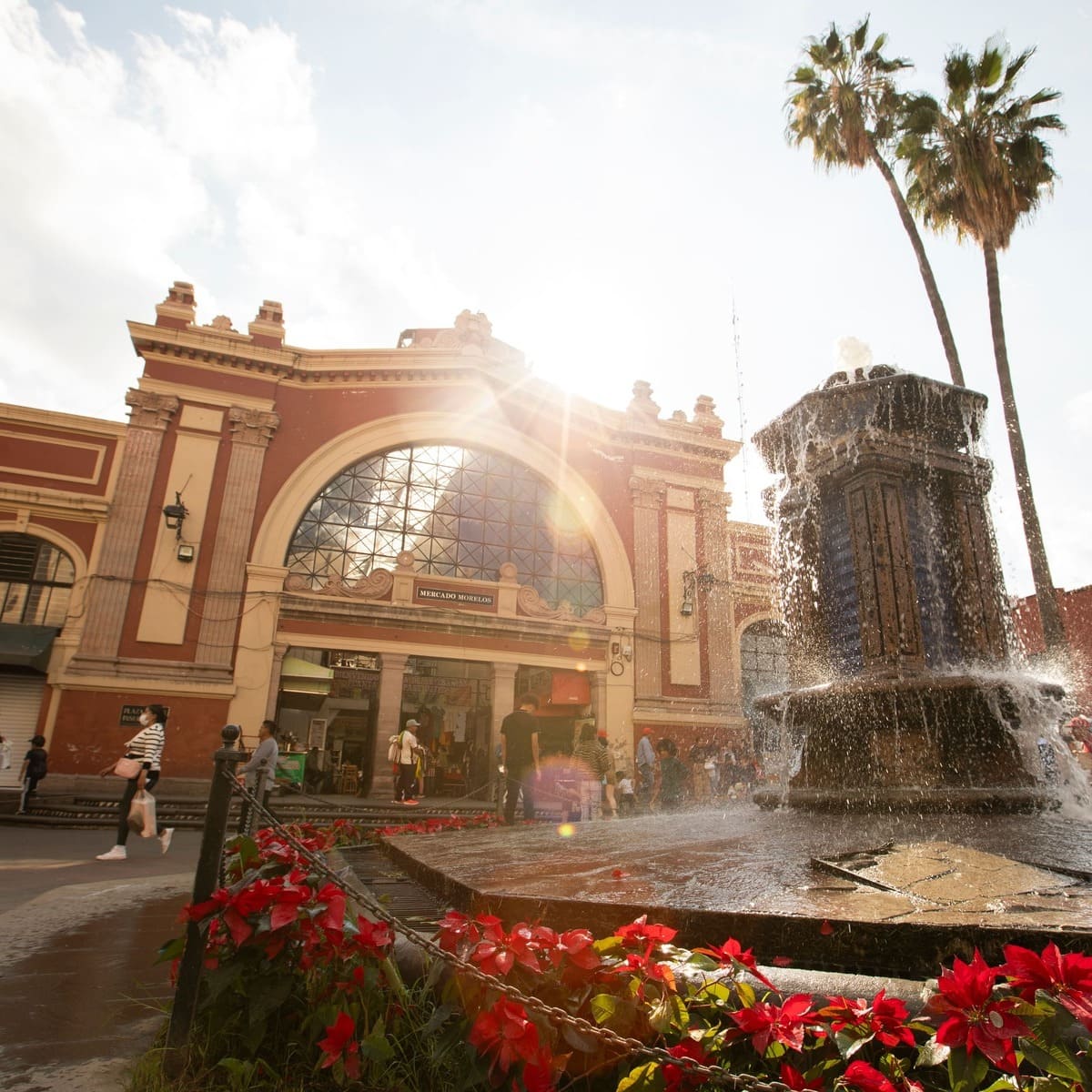
Founded as early as 1574, peak Age of Discoveries, Zamora de Hidalgo has a charming center with colonial roots and significant heritage, though you usually won’t find it in those AI-generated Top 5 Historic Destinations To Visit In Mexico.
Granted, the colonial core isn’t as vast as the ones you see in Morelia or Guanajuato, and maybe that’s why it’s blatantly ignored, but what is left is worth going out of your way to see.
We’re talking a colonial city grid with narrow streets lined with old casonas (Spanish-style townhouses) and traditional shops, elegant civic buildings rich in detail, and leafy gazebo plazas centered dotted with wrought-iron benches.

In fact, Zamora’s historic center is a designated heritage zone in Mexico, with several structures dating back over 100 years, and there’s been a notorious municipal effort to conserve it.
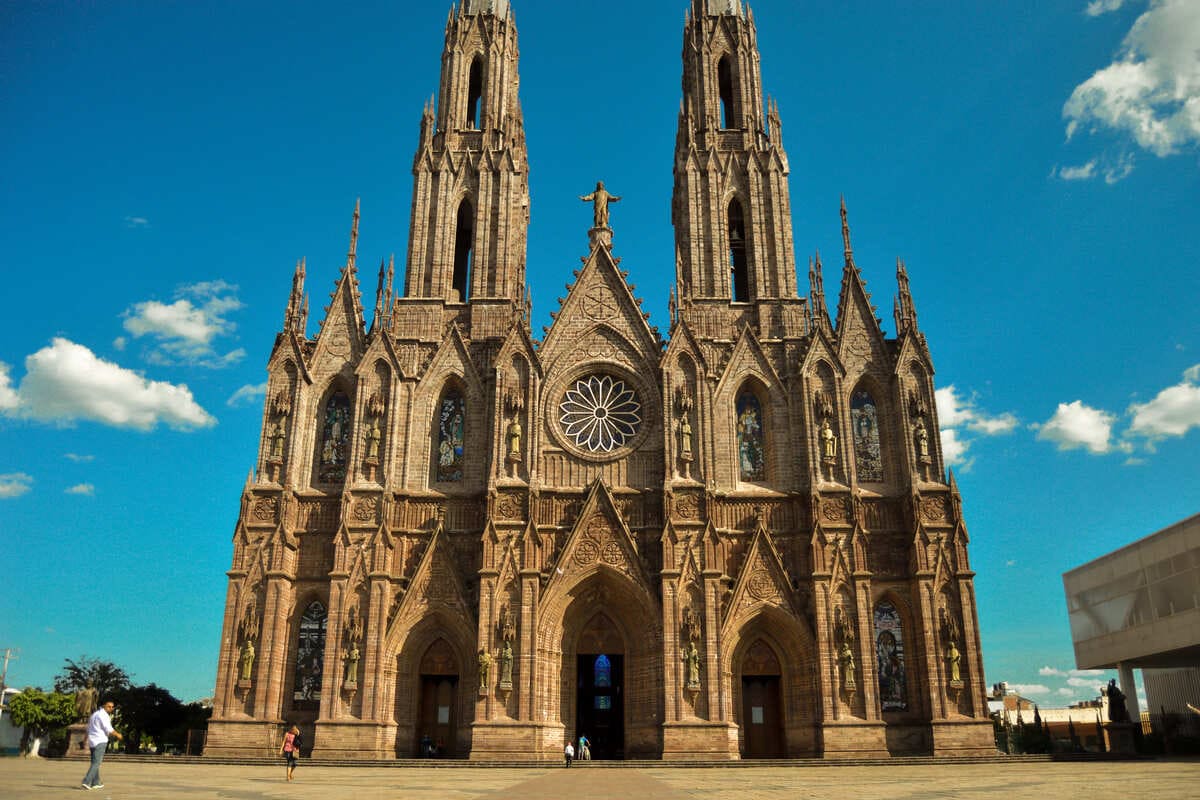
At the heart of it all, there stands what’s possibly the most impressive Neo-Gothic offering south of the border: the Diocesian Sanctuary of Our Lady of Guadalupe, built in the late 19th-century.
The Tallest Church In Mexico
Despite not being as old as some other Mexican cathedrals, which are approaching their 400th-year anniversary, Our Lady of Guadalupe is a rare example of Gothic church-building in the country, with the kind of soaring spires, pointed arches, and vaulted ceilings you’d more commonly find in Europe.
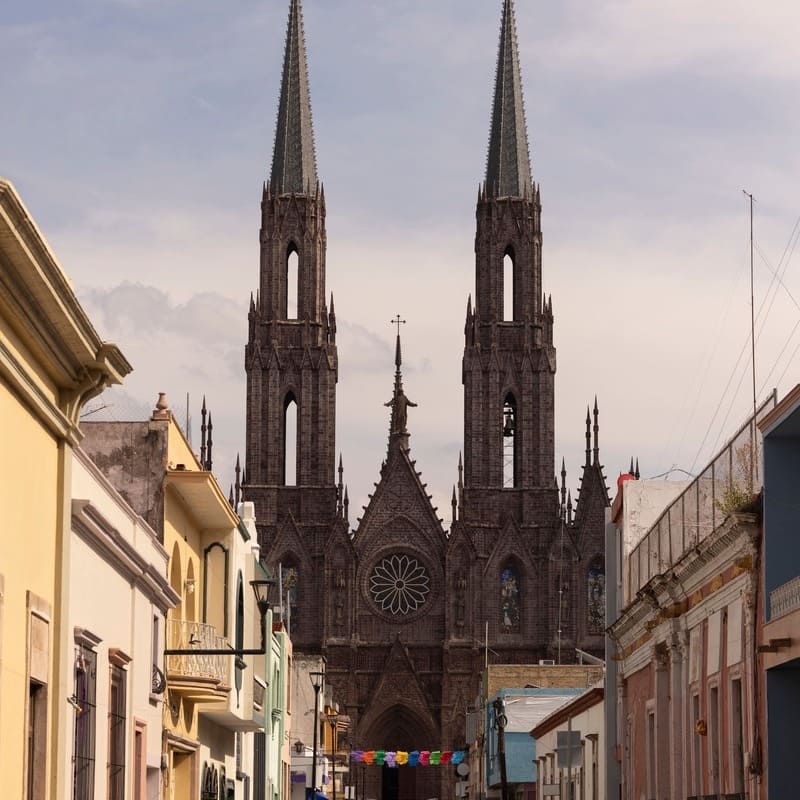
Historically, Spanish settlers in Mexico have almost strictly adhered to the Baroque school of architecture: exuberant decoration, grand altars, theatrical main portals, as dictated by forward-thinking colonization trends.
Meanwhile, Zamora’s landmark church looks like it could belong in medieval Europe instead.
With towers reaching 107.5 meters, it’s also the tallest church in Mexico—no wonder it completely dominates Zamora’s skyline—and the most fascinating part?
It took over 100 years to complete, making it a living testament to the locals’ perserverance, faith, and community engagement.
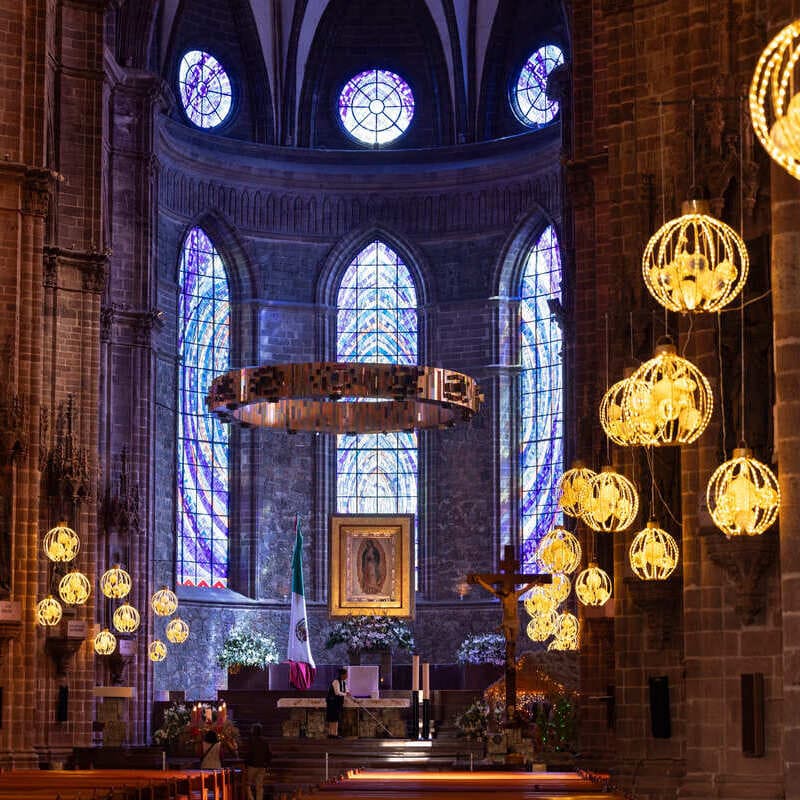
It’s not some old Spanish relic, like most churches in Mexico, but living, breathing proof of modern-day Mexican’s unshakable Catholic devotion.
On top of that, Zamora de Hidalgo ranks among the most affordable destinations in the country:
Zamora Is A Steal Of A Deal
You know whenever tourists go, prices tend to skyrocket in response. Well, since we last checked, there’s very few gringos wandering about the town’s picture-perfect backstreets.
Everyday costs are extremely low, from food to accommodation, and eating out in particular is remarkably expensive.


Basic cantina meal deals can cost as cheap as $6 (and up to $14 in more well-established, upscale eateries), while sitting down in a bar for a good two hours of beer-drinking and people-watching will cost you just a few USD.
You’ll barely register the dent on your bank account.
When it comes to hotels, rooms in the city can be found for very modest prices, usually around $30–$50 per night, making short stays incredibly budget-friendly, and overall, all living cost indexes show Zamora being cheaper than many other Latin American destinations.
The biggest challenge is getting there.


How To Get To Beautiful Zamora This Spring
Zamora does not have its own international airport.
This means Americans headed there need to fly to one of 3 major nearby airports, located 68–186 miles from the city itself, and then arrange transportation for the final stretch.
- Morelia Airport (MLM) → Zamora: 68 miles, 1 hr40 min via Mexico 15D
- Uruapan Airport (UPN) → Zamora: 81 miles, 2 hr15 min via Mexico 37 / 15D
- Guadalajara Airport (GDL) → Zamora: 186 miles, 3 hr30 min via Mexico 80D / 15D
Given the short distance, the MLM → Zamora route is the fastest and most practical one for travelers.

If you’re not renting a car, there are multiple bus options from nearby airports/cities.
From Morelia, the closest major airport city, there are about 10 to 15 departures a day from the Central de Autobuses de Morelia. The total joruney time is around 2 hours, and the carriers you’re looking for are Primeira Plus, Autobuses Elite, or Autovías / La Línea.
Before you travel to Mexico this spring, make sure you check out our free-to-use Travel Advisory Checker, to ensure you’re up to date with the latest safety advice applying to your specific destination within Mexico.
No more vague, countrywide warnings.
Just type in the state or city you’re traveling to, and you’ll be able to get the spot-on, destination-specific security information you need.