If the prospect of sipping margaritas by the poolside and treating yourself to a week-long duty-free shopping spree in downtown Cancun doesn’t stir as much excitement as it used to, chances are you’ve been bitten by what we like to call the Real Mexico bug.
In other words, maybe it’s time you try something a little different.
Mexico is an incredibly vast country, home to world-class coastal resorts, sure, but also a plethora of historic colonial cities that leave nothing to be desired when compared to their European counterparts. This year, one in particular seems to be trending with travelers.
As reported by local media, Oaxaca is one of the most sought-after Mexican destinations this year, and it’s time we took a look at some of the reasons why:
A Colonial Gem Frozen In Time
The capital and largest city of the eponymous state, Oaxaca stands alongside Mexico City and Mérida as one of the oldest cities in Mexico.


Though it has a record of pre-Columbian inhabitation dating back to around 500 BCE, when the nearby Monte Albán rose as the cultural heart of the Zapotec civilization, Oaxaca itself was born and flourished as an urban center following the Spanish colonization of the territory.
The modern city, whose full name is Oaxaca de Juárez, was founded by the colonists in 1532, and it quickly clashed with Zapotec strongholds.
As the earlier civilization waned, the Spanish went ahead to reuse stones from abandoned Zapotec settlements, including in Monte Albán and Mitla, to build churches, convents, and official buildings, and this is how it turned out:


Authentic Mexico Like You’ve Never Experienced Before
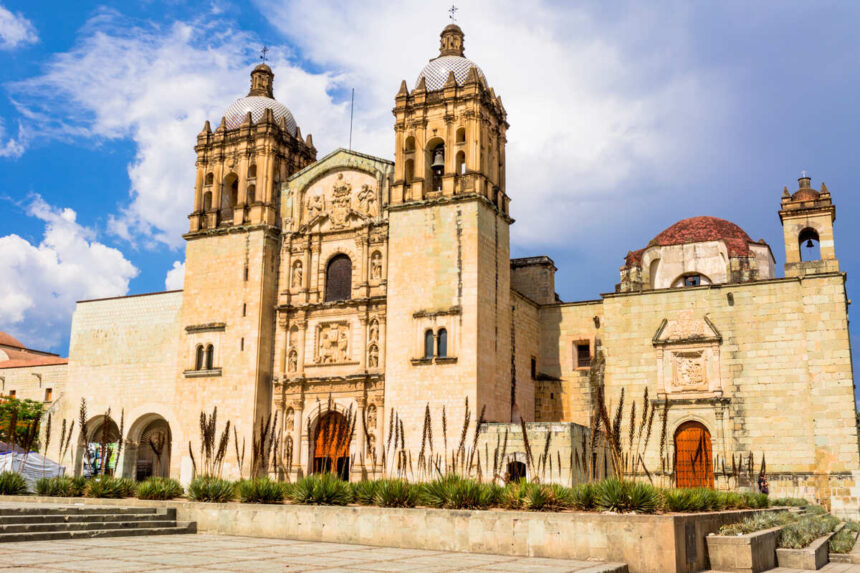
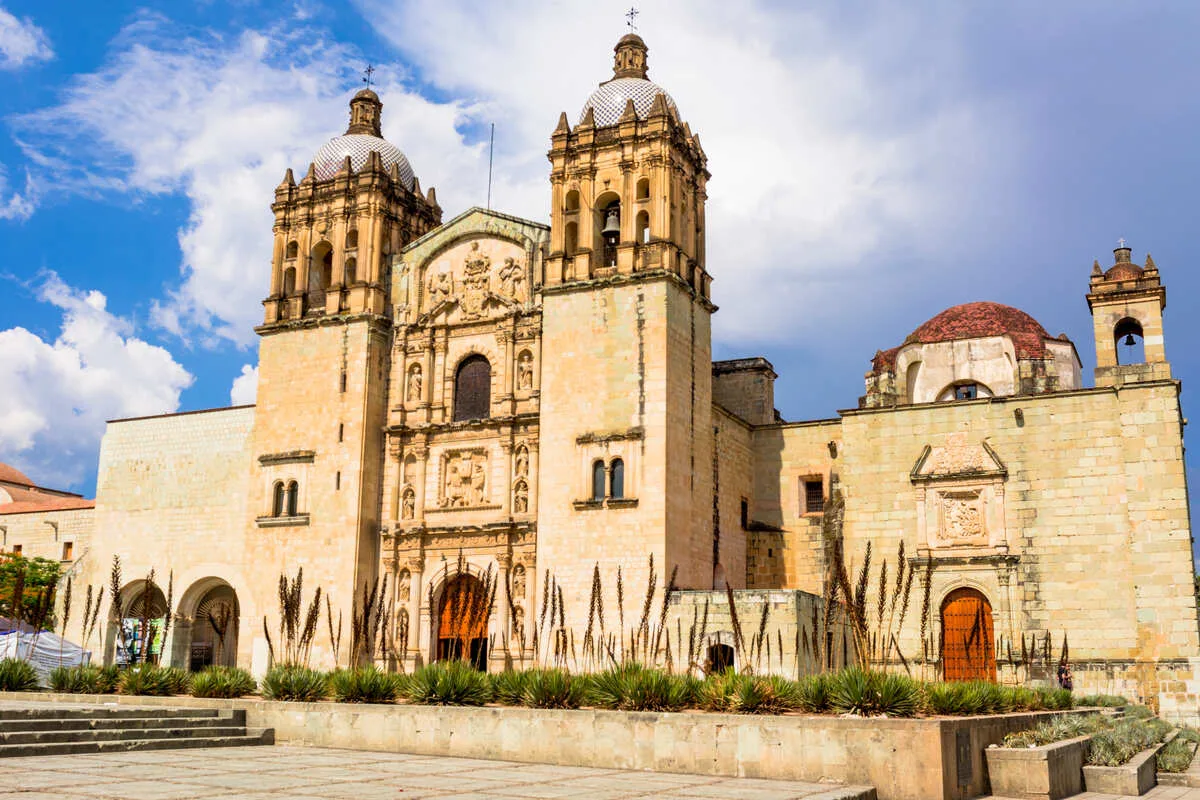
Oaxaca is your typical Spanish colonial town, revolving around a lively Zócalo, or main square, where there stands a stone-carved cathedral. Built with thick walls to withstand earthquakes and a distinctive green cantera façade, it is a jaw-dropping Baroque masterpiece.
In the vicinity of the cathedral, Templo de Santo Domingo de Guzmán is yet another Baroque gem, and a former monastery famous for its ornate, gold-leaf interior.
Carefully restored with a mix of original Dominican stonework and modern elements, the Ex Convento de San Pablo doesn’t get half the praise, yet it’s home to a calm courtyard, and the contrast between old and new is nothing short of striking.


As you can imagine, Oaxaca is packed full not only of sites of religious importance, but also a number of historic townhouses. In fact, the home of Oaxaca-born Benito Juárez, the most important Mexican figure of the 19th century, is now open as a museum.
All around town, there are also charming small parks to relax in. Noteworthy examples include Jardin de Pañuelito, just behind the cathedral, surrounded by colonial houses and cafés, and the verdant Jardín San Francisco, dotted with wrought-iron benches and criss-crossed by cobblestone paths.
Don’t Come Here On A Diet


It’s not a trip to Mexico until you’ve checked out the local market. After all, it’s the center of local life, where natives socialize, do their daily groceries, and where the best food is typically located, and there’s truly nowhere better to sample Oaxacan delicacies than Mercado Benito Juárez.
Roughly 5 minutes on foot from Andador Turístico, the main pedestrian street in Oaxaca, lined with historic edifices, this market is known for fresh produce (freshest fruit and vegetables anywhere in the state!), mezcal stalls, and traditional foods.


Think unusually large tortillas, particularly tlayudas, topped with refried beans, quesillo, and shredded meat, their smaller, bite-size version, memelas, an open-faced tortilla pizza, and delicious, generously filled tamales.
On that note, Oaxaca is definitely on the cheaper side of Mexico: takeout meals here will set you back an average $2–4, or the equivalent in Mexican pesos, if ordered from a street vendor.
Overall, casual tourists can get by on around $200–250 if they’re staying in town for 3 nights:
Average Prices In Oaxaca, Mexico


Nearby Must-Visits

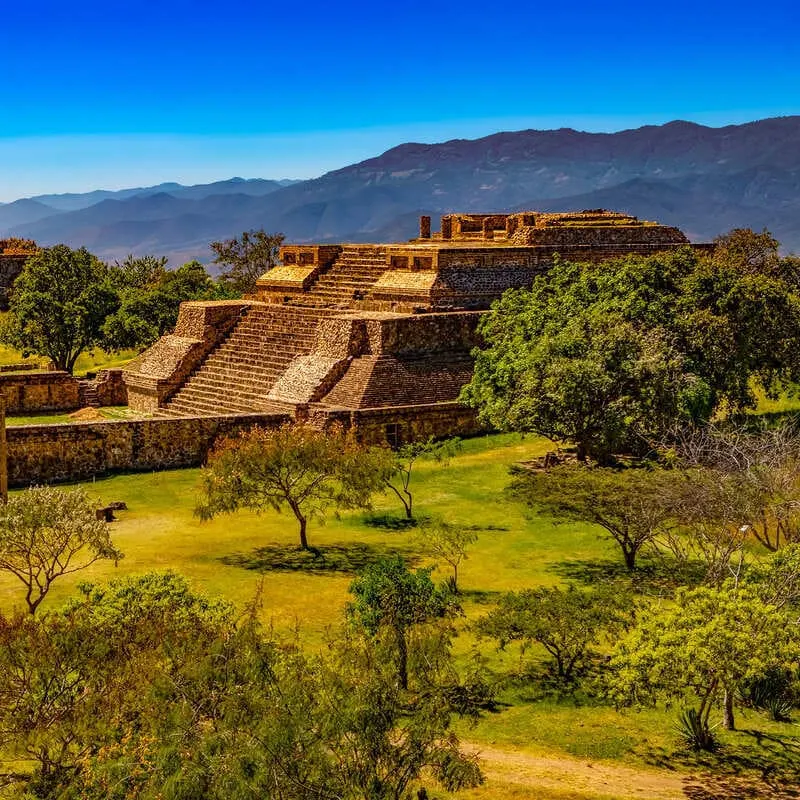
- Zona Arqueológica de Monte Albán: one of the most impressive pre-Columbian sites in Mexico, just outside Oaxaca
- Hierve el Agua: naturally-petrified waterfalls and pools, within easy access of the city
Tips For Visiting
- Wander on foot downtown to explore more charming streets, hidden cafés, and local boutiques
- Make sure you try local specialties, like tlayudas, Oaxacan mole, and mezcal from local markets
- Avoid suburban zones where policing levels are lower than in tourist-heavy areas

Subscribe To Our Latest Posts
Enter your email address to subscribe to Travel Off Path’s latest breaking travel news, straight to your inbox.