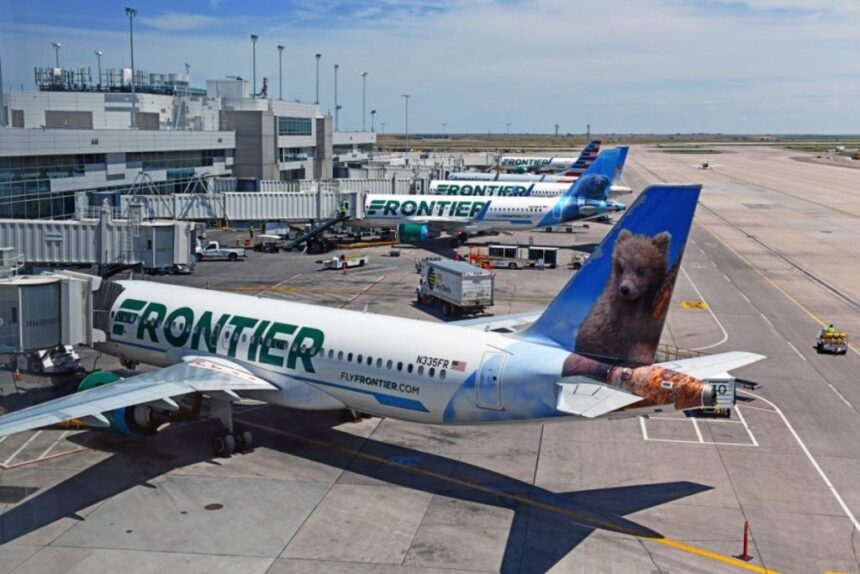
Frontier Airlines is set to expand its domestic footprint in early 2026, announcing four new routes that will connect key regional markets and strengthen the carrier’s position as one of the leading ultra-low-cost airlines in the United States. The new services, scheduled to launch in January 2026, will operate across seven airports and are intended to provide travelers with more affordable options during a period of rising airfare and heightened travel demand.
According to the airline’s announcement, the expanded network will focus on enhancing point-to-point connectivity — an approach that has become central to Frontier’s strategy as it competes with both legacy carriers and other low-cost operators. By targeting underserved or high-value leisure markets, the airline aims to offer travelers additional flexibility and budget-conscious alternatives during peak and off-peak seasons alike.
Industry analysts note that the timing of the expansion reflects growing consumer demand for domestic travel as hybrid work models, extended weekend trips, and regional tourism continue to influence traveler behavior. The introduction of new routes is expected to appeal particularly to cost-sensitive travelers, families, and remote workers who rely on affordable and frequent domestic mobility.
Frontier emphasized that the new routes will feature the airline’s signature low fares, with promotional pricing anticipated in the weeks leading up to the January launch. The carrier also highlighted ongoing fleet upgrades and operational improvements designed to enhance reliability and boost on-time performance — areas where budget carriers have historically faced scrutiny.
The move comes amid broader shifts within the U.S. aviation sector, where both major and low-cost airlines are reevaluating route structures to meet evolving demand patterns. Frontier’s latest announcement demonstrates confidence in continued travel growth through 2026, despite economic uncertainties and rising operational costs.
With its expanded route map, Frontier aims to make domestic travel more accessible to a wider pool of passengers. As 2026 approaches, travelers can expect additional announcements from budget carriers competing to capture the expanding leisure and hybrid-travel markets.