If your idea of a beach vacation involves fighting for umbrella space in front of a 30-story condo, stop reading now. You can go to Myrtle Beach or Destin for that.
But if you are looking for the “Old America” version of the coast—the version where the dunes are actually dunes, not construction sites—you have to look harder. You have to find the places that are slightly inconvenient.
We call this “friction.” Maybe it’s a ferry ride, a confusing road system, or a strict visitor quota. Most tourists hate friction. But for the smart traveler, friction is a filter. It keeps the masses out and preserves the magic.
Here are 5 under-the-radar U.S. beach sanctuaries that are worth the extra effort in 2026.
1. Fripp Island, South Carolina
The Gated Ecological Zone
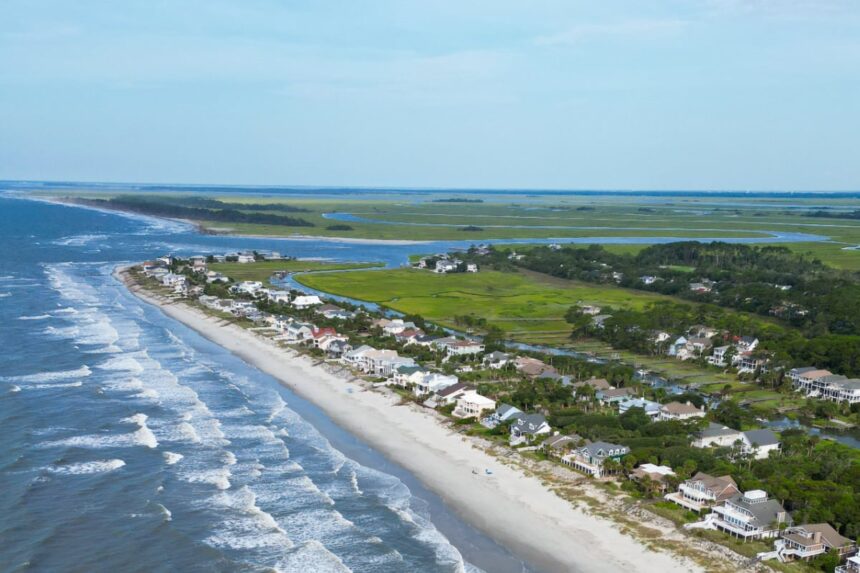
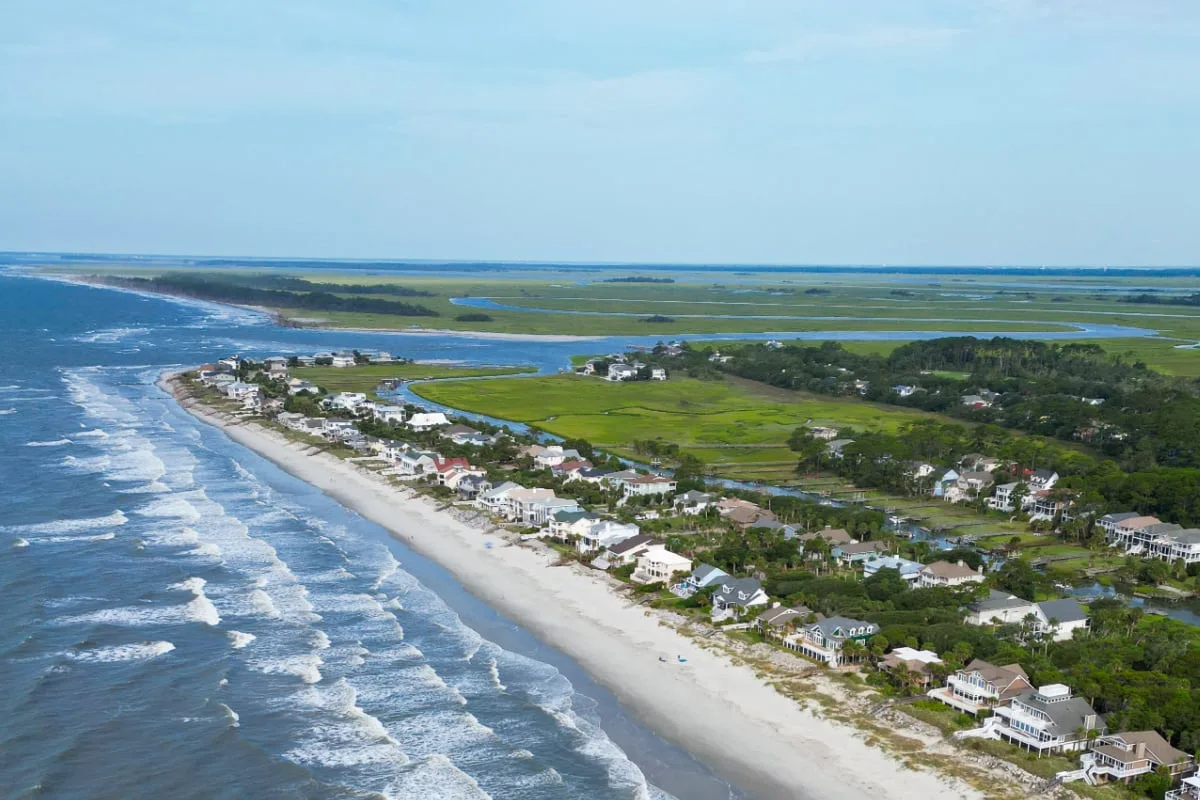
Fripp isn’t a town; it’s a private world. Located at the very end of the road past Beaufort, SC, this island has zero hotels. None. It is entirely vacation homes, and the whole place is a designated wildlife sanctuary.
Because there is no hunting and no predators, the deer population here is fearless. I’m not talking about spotting a deer in the woods; I’m talking about herds of them lounging on the beach dunes and walking right up to your golf cart. It feels like a Disney movie, but real. You’ll also see gators on the golf course. They are pretty docile from a distance, but watch your small pets!
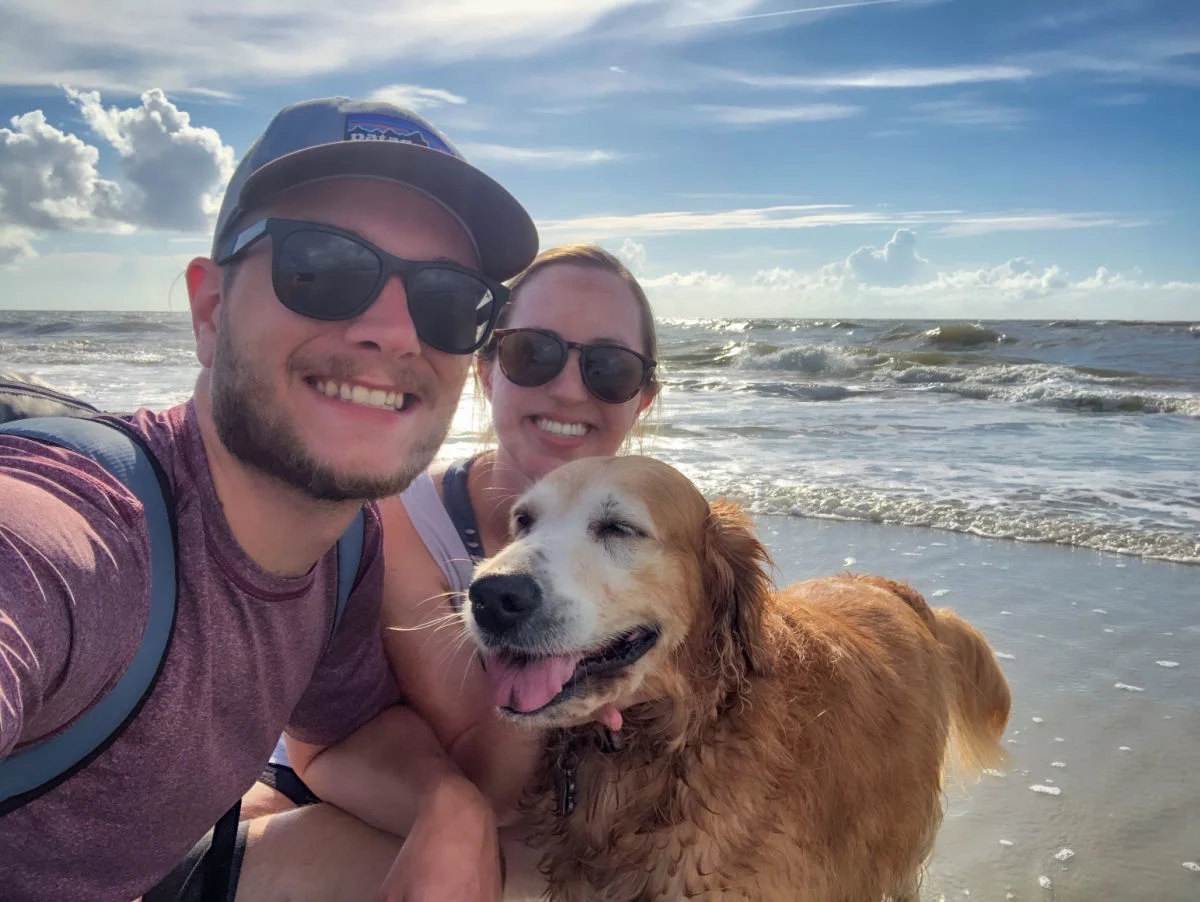
And speaking of pets, this was also my dog Nala’s favorite place to vacation. The beaches are massive when the tide is low, and it’s one of my favorite places on earth to go for a walk.

The Barrier:
Fripp is a private, gated community. You can’t just drive on to look around. You have to be renting a home or be a guest. Also, if you want to use the pools or restaurants, you have to buy “Amenity Cards” (which can cost $50+ per person/week). It’s an extra cost (usually included in your rental), but it is 100% worth it.
The Insider Move:
Rent a golf cart immediately upon deciding you are going here. Seriously, they book up months in advance, and if you wait, you won’t get one. Cars are allowed, but nobody uses them. The island is small (3.5 miles long), and cruising the marsh boardwalks at sunset in a silent electric cart is the peak Fripp experience.
2. Cape San Blas, Florida
The “Forgotten Coast”
Florida has two modes: High-rise chaos (Miami, Panama City) and… this.
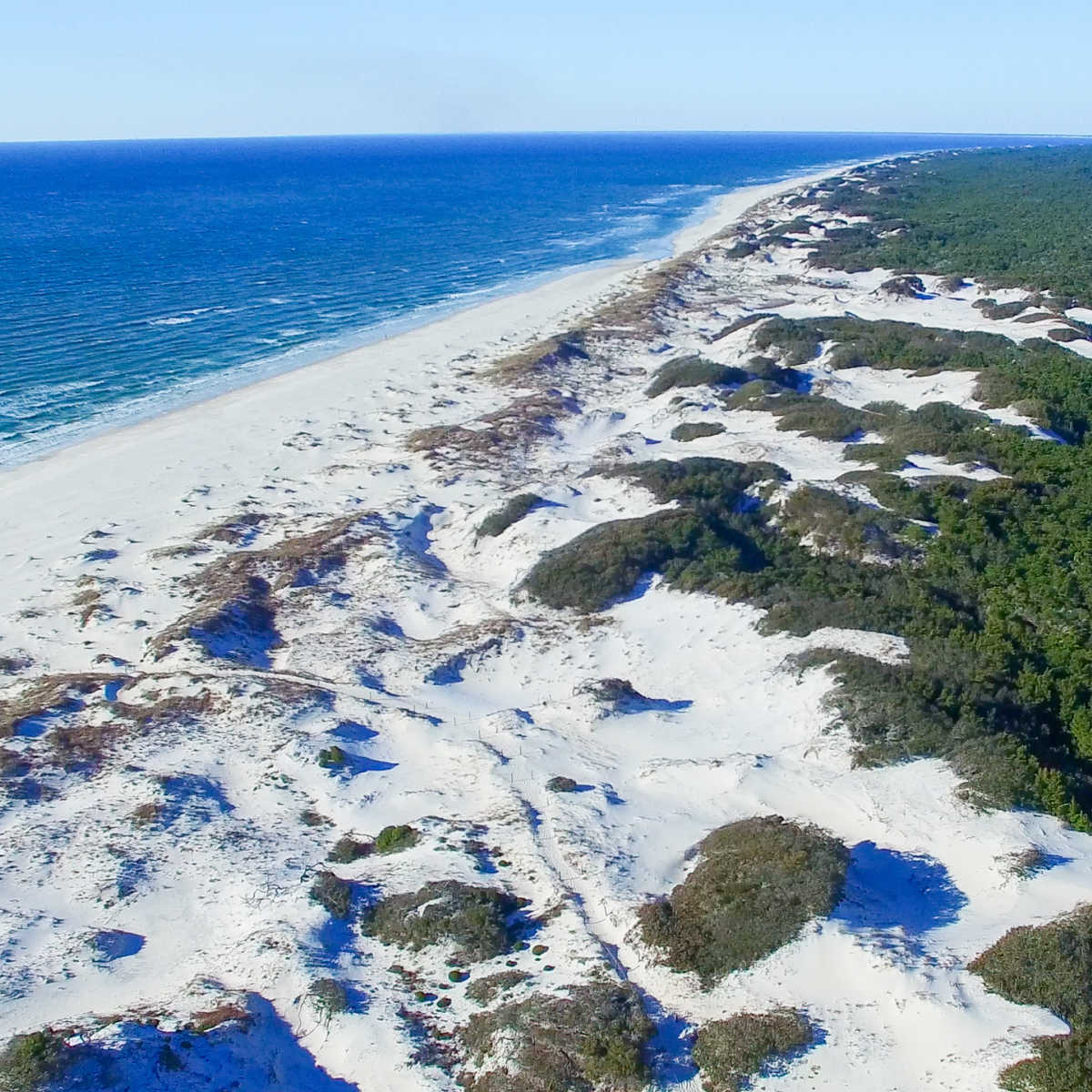
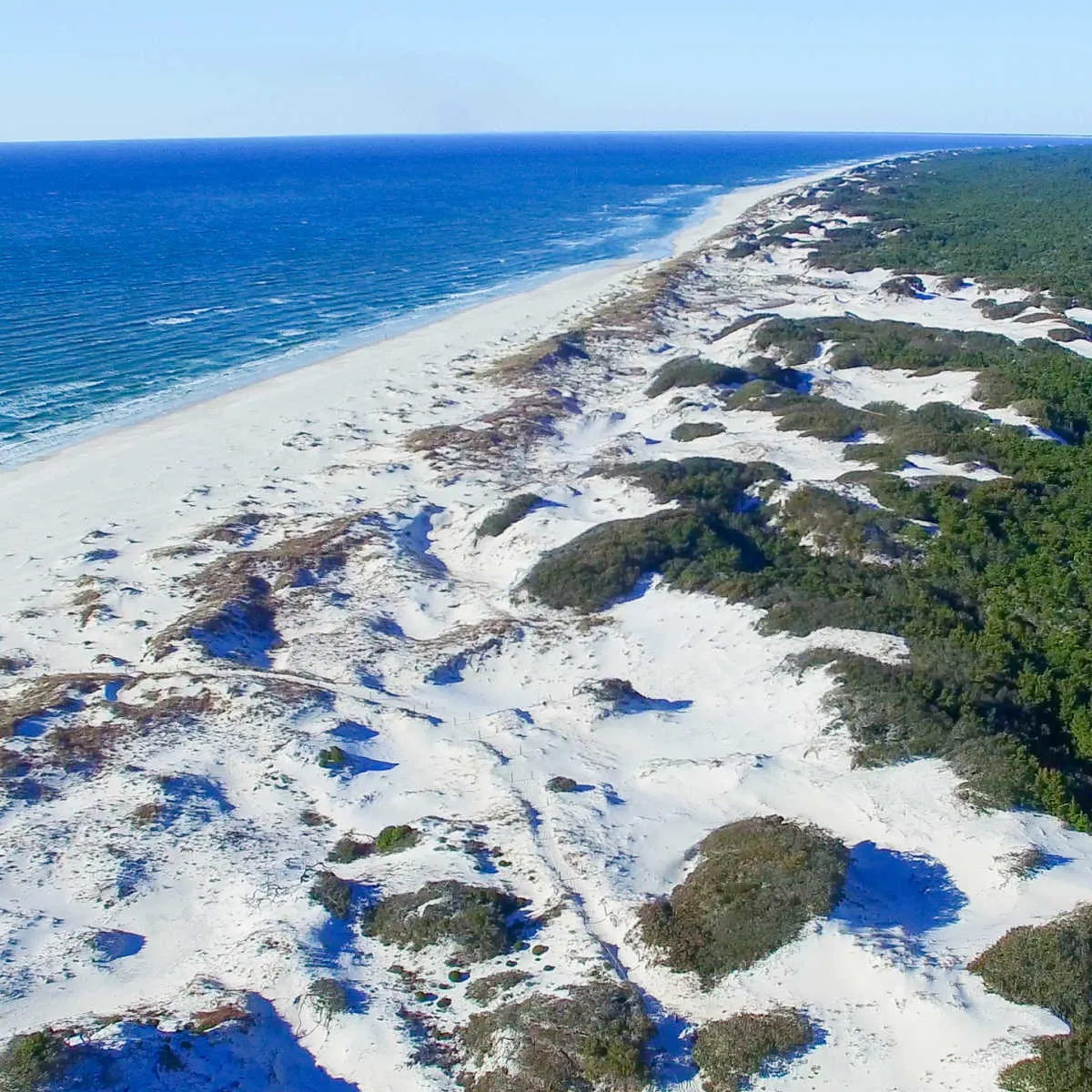
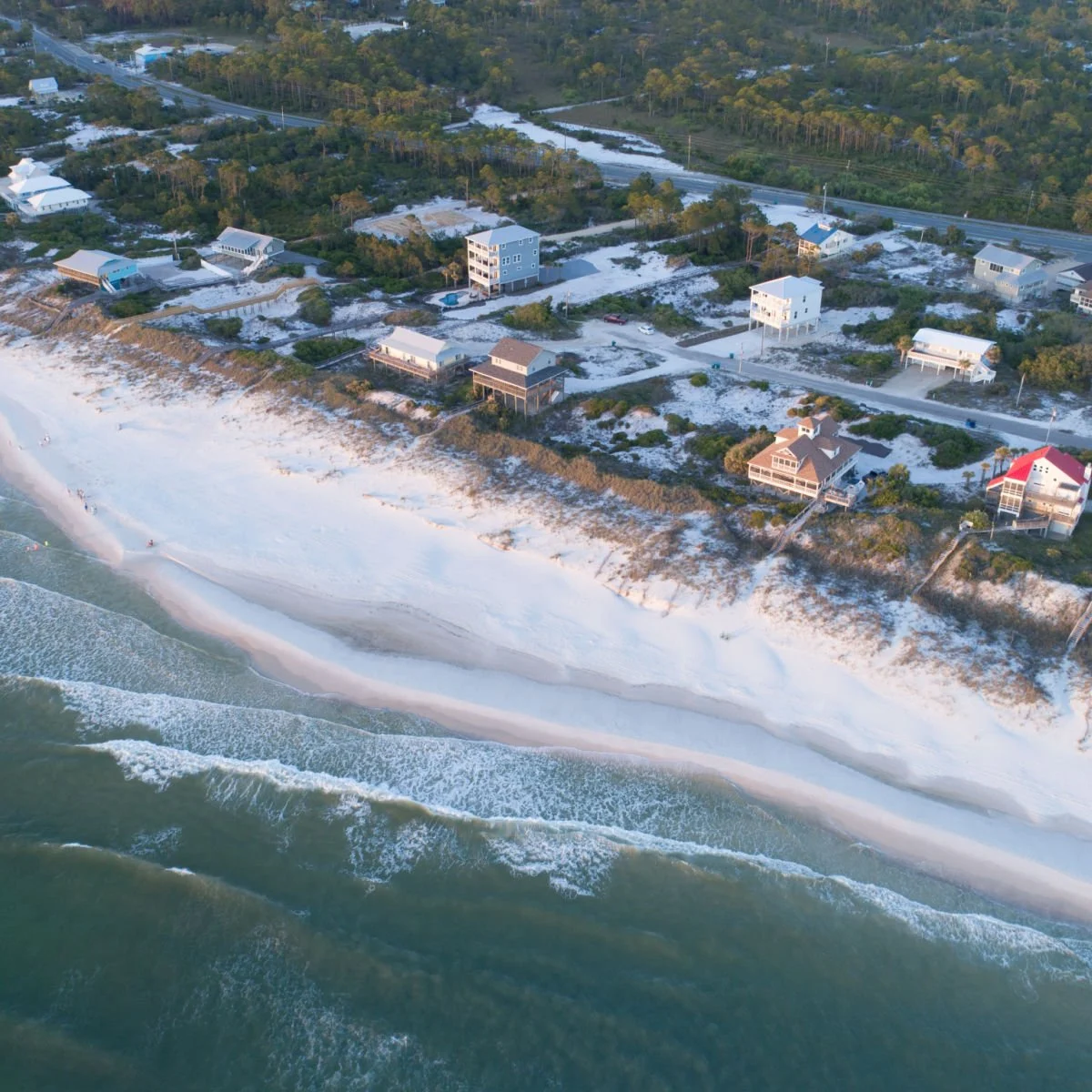
Cape San Blas is a skinny, 17-mile hook of land in the Panhandle. It is often less than a mile wide, meaning many rental homes have the bay on one side (sunrise) and the Gulf on the other (sunset).
After Hurricane Michael in 2018, the Cape rebuilt slowly and intentionally. There are no stoplights here. No neon signs. Just towering dunes and some of the clearest water in the Gulf.

The Barrier:
It is “on the way” to nowhere. You have to intentionally drive off the interstate and navigate small roads to find it. That isolation keeps the spring break crowds away.
The Insider Move:
Go between July and September for Scallop Season. You don’t need a boat; you can wade into St. Joseph Bay with a mesh bag and a mask and pick scallops right off the grass floor. Afterward, head to the Indian Pass Raw Bar. It operates on the honor system—you grab your own beers from the cooler and mark your own tab.
3. Ocracoke Island, North Carolina
The Island With A Moat
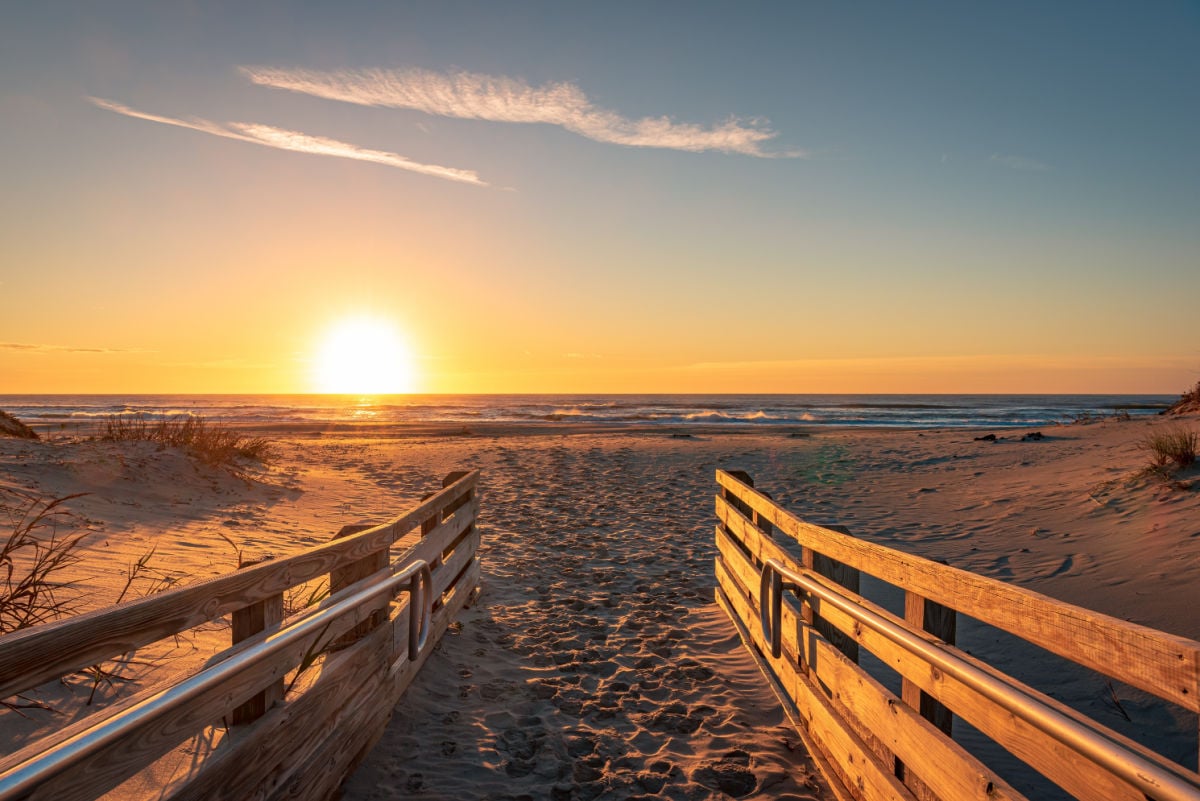
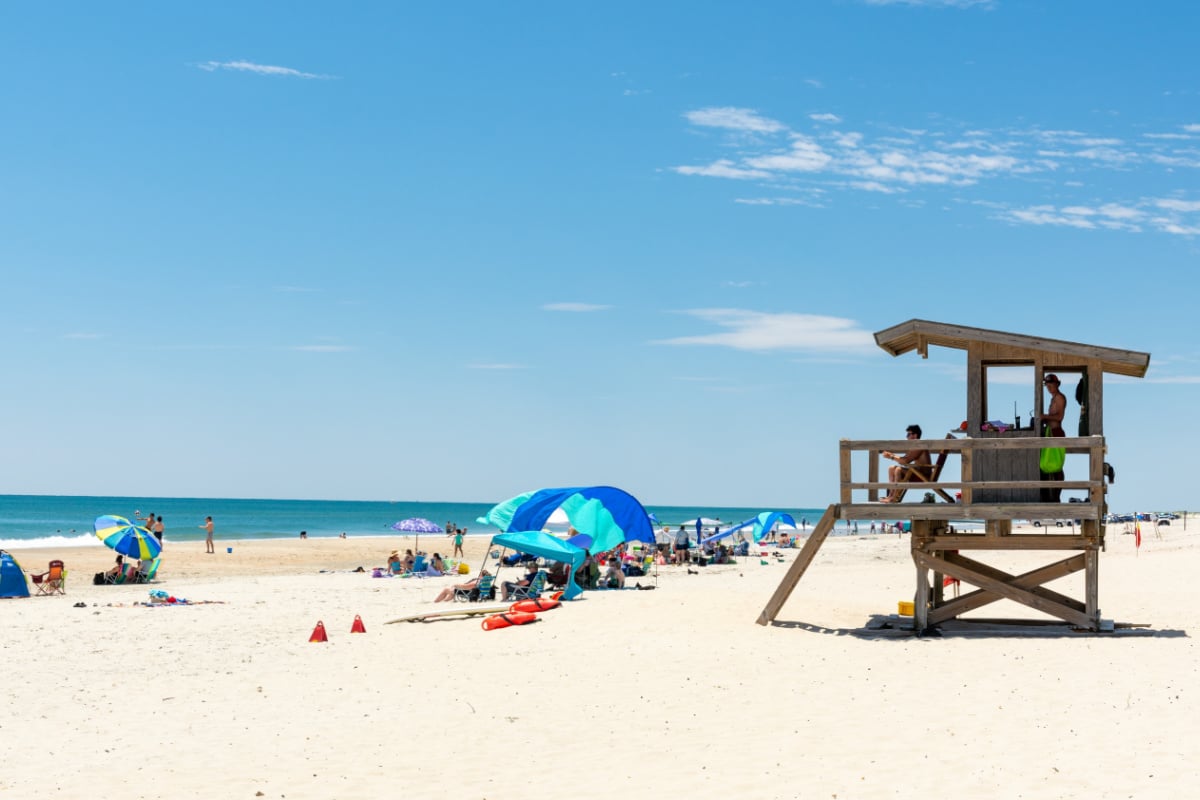
Ocracoke is the ultimate filter. There is no bridge. You cannot drive here. You have to put your car on a ferry (usually from Cedar Island or Hatteras) and commit to the journey.
Because of this “moat,” Ocracoke has preserved a village vibe that has vanished from the rest of the Outer Banks. It’s the place where Blackbeard the pirate was killed, and locals still speak with a “Hoi Toider” brogue—a relic of Elizabethan English preserved by isolation.
The Barrier:
The ferry ride takes time (up to 2.5 hours from Cedar Island) and requires reservations. It forces you to slow down before you even arrive.
The Insider Move:
Leave the car at your rental cottage. The entire village is walkable or bikeable. End your day at SmacNally’s Waterfront Bar, right on the docks. Watch the fishing boats unload mahi-mahi and tuna, then order some for yourself.
4. North Captiva Island, Florida
The Island Without Roads
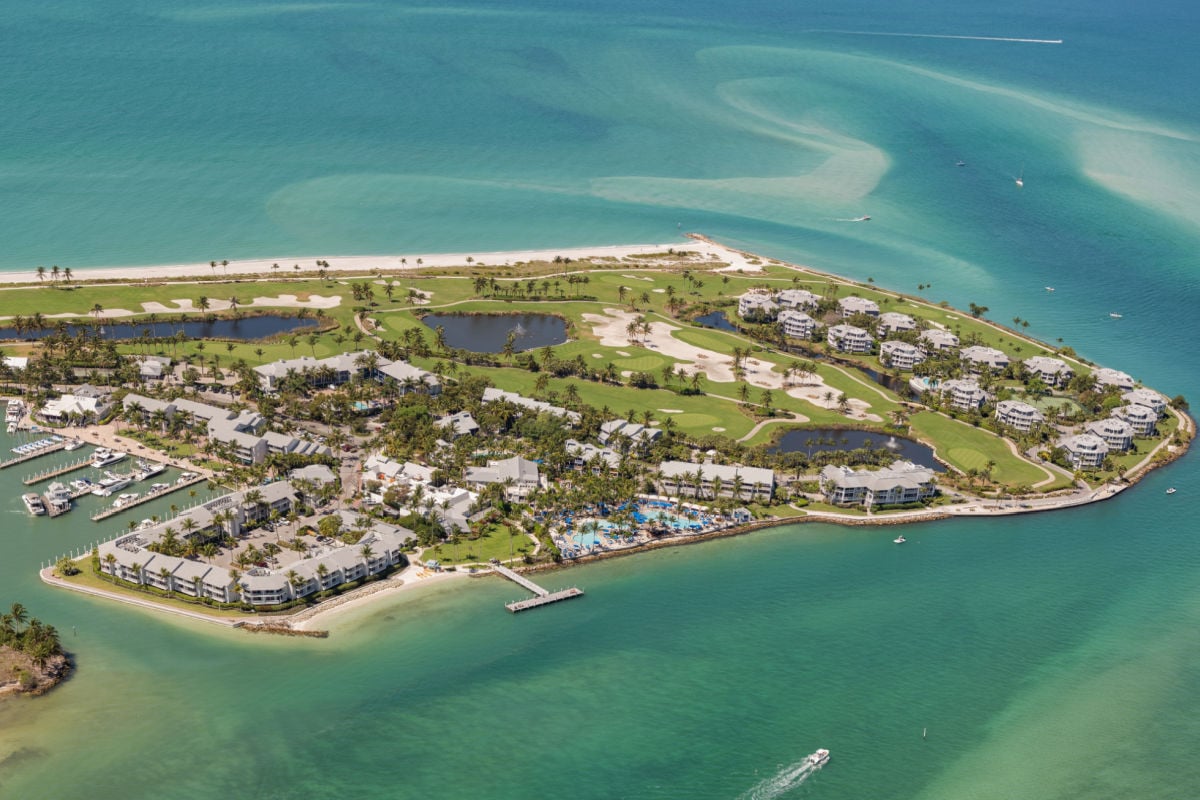
Do not confuse this with Captiva or Sanibel. North Captiva (or “Upper Captiva”) is a separate island, severed from the mainland by a hurricane in the 1920s.
There are no bridges here. There are no paved roads. There are no cars.
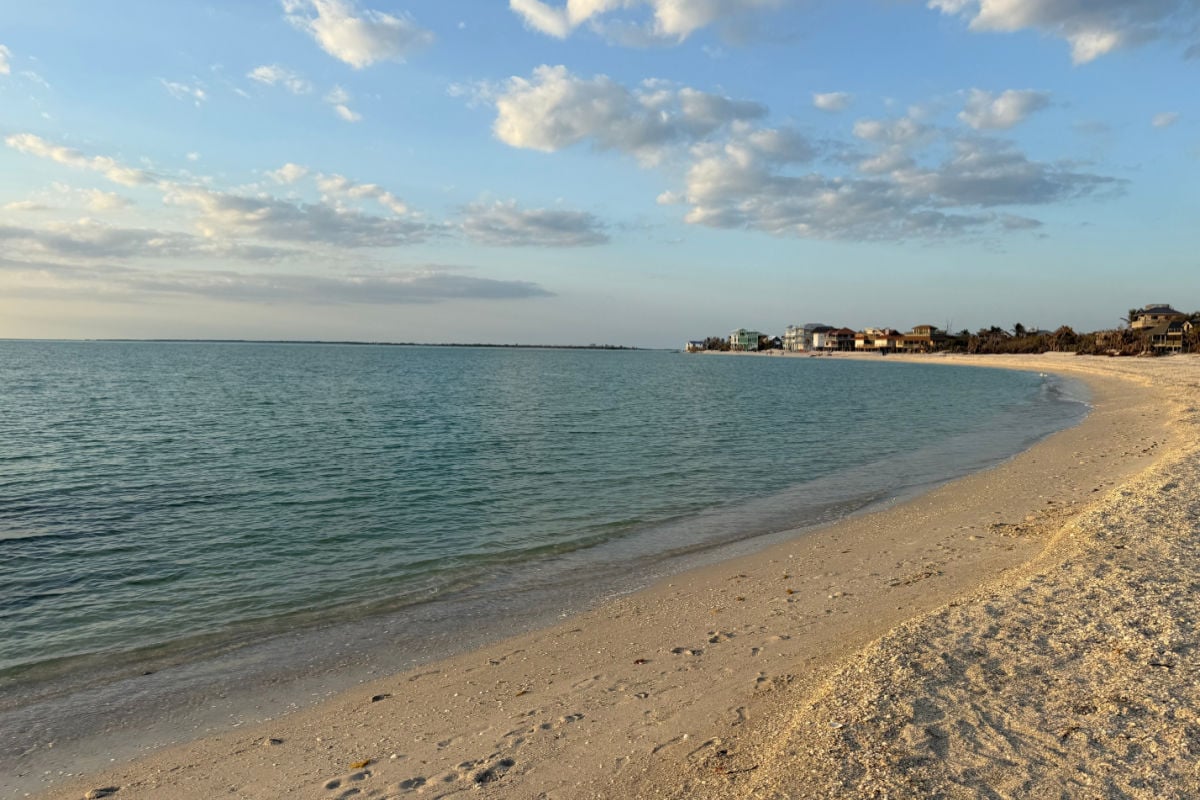
Once you step off the ferry, the only way to get around is by electric golf cart on sandy trails. It feels less like Florida and more like a castaway outpost in the Caribbean. Half the island is a protected state park, meaning you can walk for miles on the beach and see nothing but driftwood and dolphins.
The Barrier:
You cannot drive here. You have to take a passenger ferry (like Island Girl Charters) or a private boat. Because there are no grocery stores on the island, you have to buy all your food on the mainland, pack it in coolers, and haul it over on the boat. It is a logistical workout, but it filters out 99% of the tourists.
The Insider Move:
Rent a boat for a day (or hire a guide) to take you to Cayo Costa State Park just north of the island. It is completely uninhabited.
5. Bay St. Louis, Mississippi


The “Secret Coast”
Most people skip the Mississippi coast on their way to New Orleans or Alabama. That is a mistake.
Bay St. Louis isn’t an isolated island; it’s a cool, artsy town that survived Katrina and rebuilt itself as the “Secret Coast.”
It has a distinct “New Orleans meets the beach” energy. The Old Town is packed with art galleries, antique shops, and shotgun houses. It’s sophisticated, walkable, and fiercely local.
The Barrier:
The barrier here is psychological. People assume the Mississippi coast is just casinos (Biloxi). Bay St. Louis is the antidote to that stereotype.
The Insider Move:
Go to The Blind Tiger on the water and order the Mahi-Mahi Tacos and a Buschwacker, thank me later!
Subscribe To Our Latest Posts
Enter your email address to subscribe to Travel Off Path’s latest breaking travel news, straight to your inbox.