RTD administrators confronted a barrage of public opposition, then made controversial selections late Tuesday to restructure the company’s Entry-on-Demand service, which has offered free rides to folks with disabilities on industrial providers equivalent to Uber and Lyft.
The administrators largely accredited a employees proposal to impose a base fare of $6.50, scale back the utmost per-ride subsidy from $25 to $20 for as much as 60 rides monthly, and lower the 24/7 availability (by two hours) throughout the Regional Transportation District’s 2,342-mile service space. They modified the proposal to set the bottom fare at $4.50 on a 10-5 vote, and agreed to the opposite modifications in a second 10-5 vote.
For greater than a 12 months, RTD’s 15 elected administrators have been wrestling with the modifications that Chief Govt and Common Supervisor Debra Johnson advisable to make Entry-on-Demand “financially viable.”
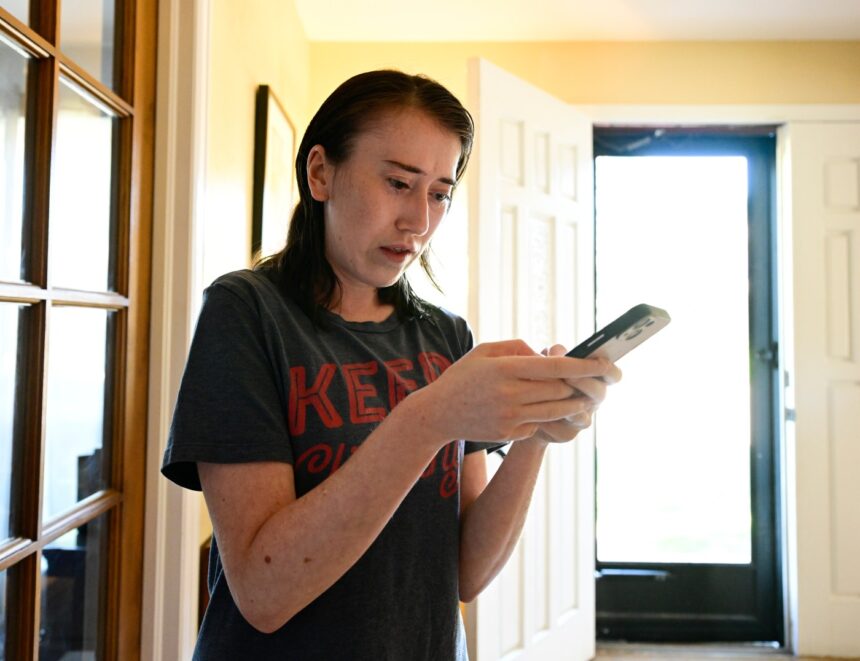
Their selections left leaders of metro Denver’s incapacity rights motion dismayed. “We need to experience, and we are going to combat for that simply the way in which we fought for wheelchair lifts on buses,” stated Daybreak Russell, organizer for American Disabled for Attendant Packages As we speak (ADAPT), an activist group. “I needed to scream tonight,” Russell stated. “We failed.”
Earlier than RTD administrators accredited the restructuring, they listened to greater than three hours of appeals by metro Denver residents with disabilities who urged them to take care of a service they described as a lifeline.
A transit fare of $6.50 “might not sound like a lot to you. However it will make it in order that I can’t afford to go to work,” Gabby Gonzales, who works part-time at a pizza restaurant and estimated her month-to-month revenue at about $1,100. “Please hold it as it’s. Make it reasonably priced for me.”
It’s a matter of “freedom,” stated Molly Kirkham, who advised administrators Entry-on-Demand “modified my life,” enabling her to reside independently and work. “We need to be locally.”
State Sen. Religion Winter referred administrators to a letter signed by 30 lawmakers against the modifications, which Winter stated “will hurt our group.” And James Flattum, spokesman for the grassroots advocacy group Better Denver Transit, stated preserving the service was the fitting factor to do. “Please don’t increase fares for our disabled neighbors on this group,” Flattum stated.
RTD administrators have mentioned potentialities for launching a complete evaluation of transit for folks with disabilities in metro Denver, one that may embody Entry-on-Demand and in addition the separate, legally required Entry-a-Trip service that calls for day-before reservations for shared mini-bus rides with a typical fare of $4.50. Final 12 months, Johnson commissioned a “peer evaluation” of Entry-on-Demand by public transportation officers from different cities who concluded that RTD ought to restructure this system to make sure “monetary sustainability.” Entry-on-Demand prices about $17 million out of the RTD’s $1.2 billion annual funds.
The month-to-month ridership utilizing Entry-on-Demand reached 73,000 in July, based on RTD data. That’s greater than 10 occasions the ridership when company administrators launched Entry-on-Demand 5 years in the past.
Get more Colorado news by signing up for our Mile High Roundup email newsletter.
Initially Revealed: