As mortgage charges stay stubbornly excessive and residential affordability out of attain for a lot of patrons, a brand new kind of rental competitors is rising in among the nation’s hottest housing markets.
“Worsening for-sale supply-demand situations are creating new institutional rivals: unintentional landlords,” notes a current report by Parcl Labs.
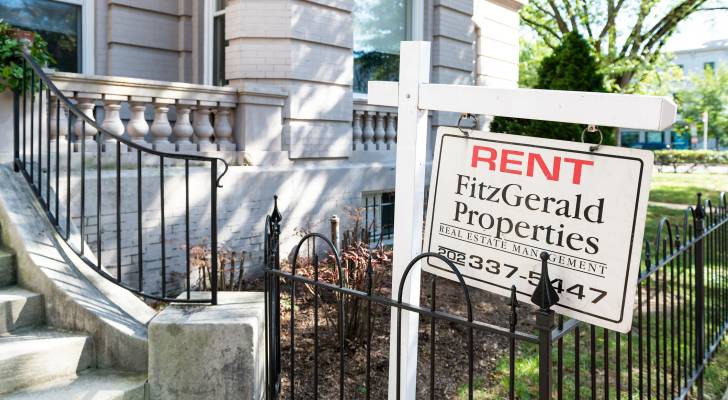
These ‘unintentional landlords’ are householders who tried to promote however couldn’t fetch the value they wished — and as a substitute have determined to hire out their properties till situations enhance.
“When these house sellers can not discover patrons, they face three selections: delist and wait, discount to seek out market clearing degree, or convert to rental. The final possibility creates what Parcl Labs phrases ‘unintentional landlords’: house owners who enter the single-family rental market not by design however by necessity,” the Parcl Labs researchers wrote.
It’s a rising development that could be quietly disrupting the single-family rental market and placing strain on large institutional landlords like Invitation Properties, American Properties 4 Hire and Progress Residential.
The phenomenon is most concentrated in the identical metros the place institutional landlords have traditionally constructed up massive portfolios: Atlanta, Dallas, Houston, Phoenix, Tampa and Charlotte. In response to Parcl Labs, these six cities characterize 36.8% of all institutional single-family rental holdings nationwide.
However these similar cities at the moment are seeing house listings pile up, resulting in a surge in householders pulling their listings and turning them into leases as a substitute.
Houston and Dallas noticed the most important will increase in properties that did not promote and had been transformed into leases, adopted by Tampa, Phoenix and Atlanta. Charlotte, an outlier, really had a modest decline within the variety of properties that did not promote.
In the meantime, single-family stock is up sharply too year-over-year, averaging a 32% enhance in these key cities.
This development is a part of a broader reshuffling of the U.S. housing market, the place fewer persons are ready or prepared to promote as a result of excessive mortgage charges.
Many homeowners who purchased or refinanced throughout the pandemic at sub-4% rates of interest are reluctant to promote and tackle a brand new mortgage at 7% or extra. That so-called “lock-in impact” is forcing a rising variety of individuals to grow to be landlords by default.