When Mary Shelley’s Frankenstein got here out in 1818, she most probably couldn’t have imagined that 200 years later, Twenty first-century audiences would nonetheless be drawn to her story.
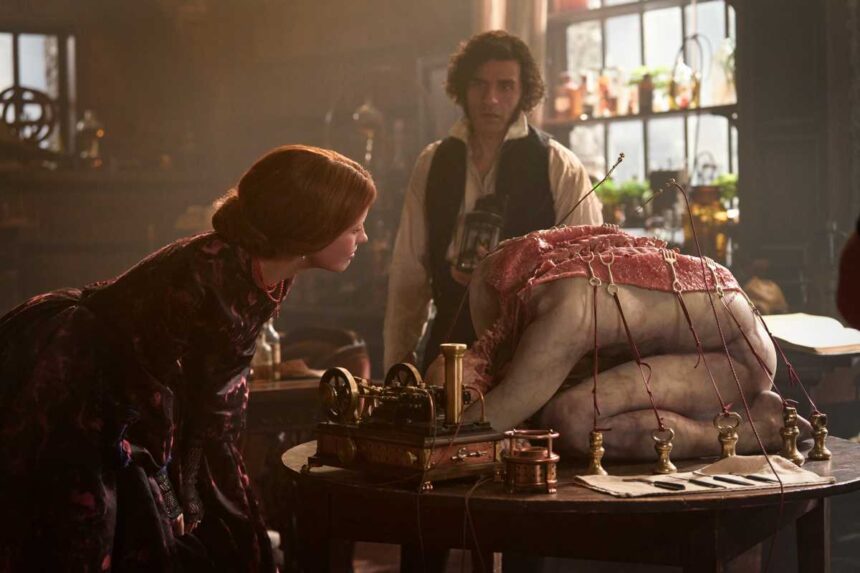
Netflix and Guillermo del Toro’s Frankenstein is the most recent revival of the Victorian character that refuses to remain useless. This recent adaptation (which simply dropped) arrives at a time when monsters in horror are not simply scary figures, however advanced characters carrying human feelings.
Jacob Elordi’s portrayal of Frankenstein’s Creature and Oscar Isaac’s Victor convey a brand new perspective to Shelley’s story, emphasising the emotional stakes behind the monster’s actions – but it surely’s not the one movie to take action. From the bloodthirsty zombies in 28 Years Later to the morally gray vampires of Sinners, immediately’s villains are reimagined with sudden depth.
However why are we all of the sudden sympathising with the monsters we as soon as feared?
Spoilers for Frankenstein, Sinners and 28 Years Later Beneath
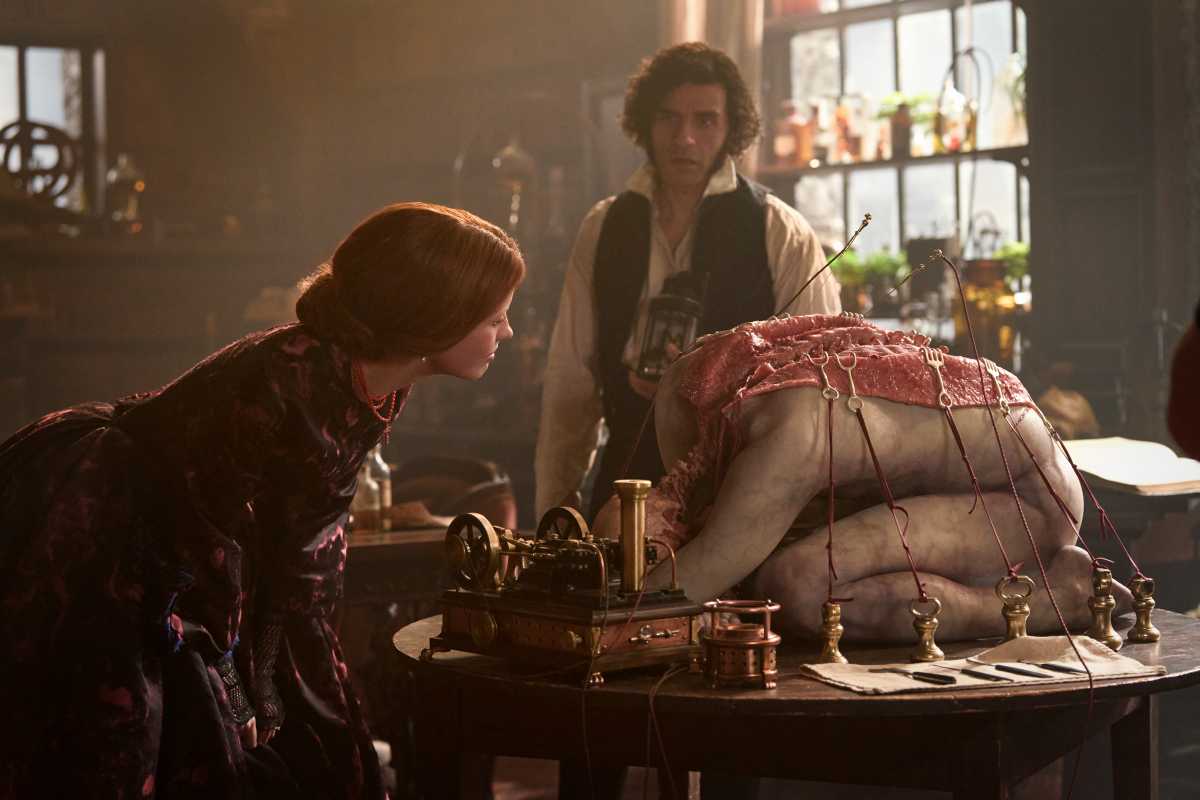
Ken Woroner/Netflix
Fashionable horror isn’t nearly monsters lurking at midnight, it’s about what’s beneath the floor. In del Toro’s adaptation, we first meet Frankenstein’s Creature on a warpath to confront Victor for cursing him with everlasting life. His violent tendencies, lurking within the shadows, and energy sign hazard.
As soon as they reunite (not with out casualties), Victor is decided to set the file straight. The story unfolds via each Victor’s and the Creature’s views.
The monster because the protagonist
We comply with the Creature via key moments in his life, however that is an adaptation of Frankenstein’s monster like no different. Gone are the bolts and steel which have beforehand marked him as otherworldly.
As a substitute, his physique bears scars and patches that inform a narrative of trauma and survival, creating a way of vulnerability. Maybe for the primary time, via his battle wounds, we see the Creature not as a monster to concern, however as a determine to empathise with.
Because the Creature lastly involves life, Victor’s lengthy and time-consuming efforts lastly succeed, however he doesn’t see it as a win. His creation initially has the identical cognitive talents as a small baby. We watch as he learns to talk, even slowly studying Victor’s identify. Elordi’s efficiency provides a component of innocence that means monsters aren’t born merciless, however are influenced by what’s round them.
In some ways, the Creature is sort of a helpless toddler. His innocence and dependence make Victor’s frustration even sadder. He’s framed as a neglectful father or mother slightly than a superb scientist. His fixed rejection of his ‘baby’ makes him laborious to love.
The place Victor turns away, Elizabeth (Mia Goth) exhibits the tenderness he can not, revealing that the Creature’s means for empathy and human emotion was all the time there. The actual horror lies in Victor’s failure to nurture this.
Whether or not del Toro meant to or not, the Creature’s perspective is much extra participating. Even when Victor tells his aspect of the story, his creation appears like a ball of sunshine. Whereas Victor, regardless of his age and intelligence, usually behaves like a petulant baby.
On this adaptation, Victor’s frustration and repeated abandonment paint him because the true antagonist, whereas the Creature turns into the protagonist we root for. In del Toro’s arms, horror takes the backseat and human connection drives the story.
Whether or not del Toro meant to or not, the Creature’s perspective is much extra participating
The parallels between Sinners and Frankenstein
Jack O’Connell’s portrayal of Remmick the vampire in Ryan Coogler’s Sinners is a personality the viewers initially fears, however his backstory invitations empathy. We first meet him being chased by a bunch of Choctaw vampire hunters. Looking for shelter, he arrives on the home of two Ku Klux Klan members, who he later turns into vampires.
We subsequent see all of them making an attempt to get an invitation into the Juke Joint the 2 predominant characters, twins Smoke and Stack (Michael B Jordan) have simply bought.
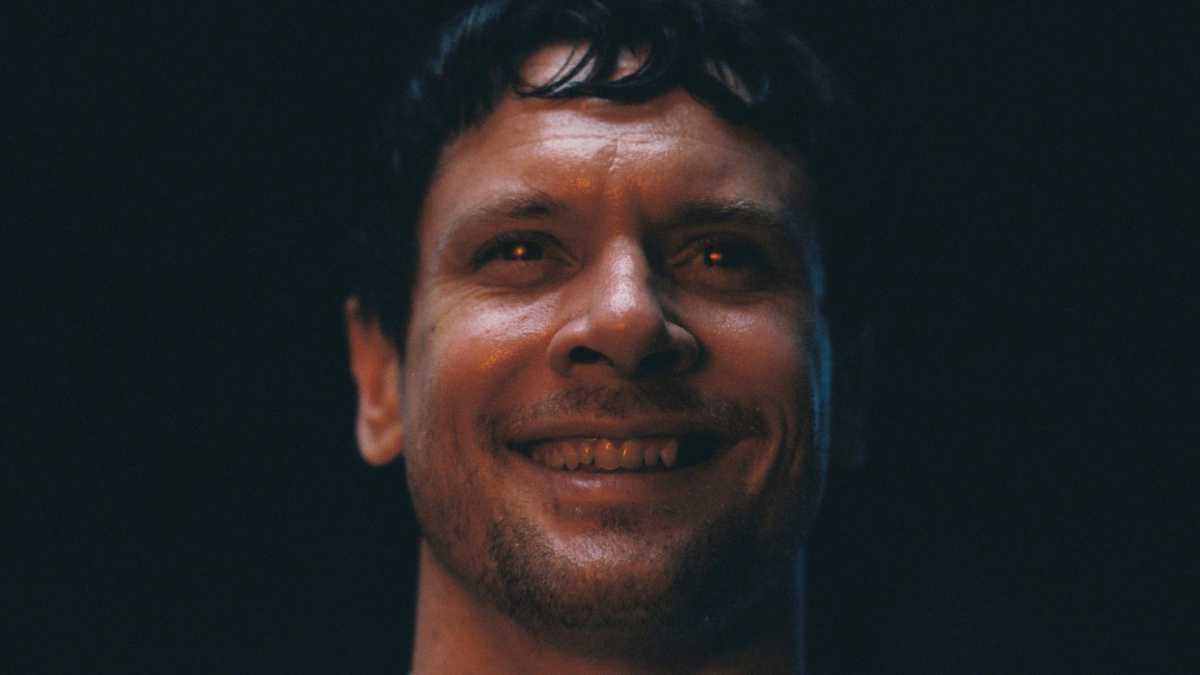
Warner Bros. Photos
Along with his Irish roots, Remmick has skilled colonisation, oppression and violence. These moments that form his worldview assist clarify, however don’t excuse his morally ambiguous behaviour.
He turns harmless individuals into vampires, manipulates, and harms others, however he does reveal that the landowner Smoke and Stack bought their membership from is a member of the Ku Klux Klan and plans to kill them the subsequent day. This revelation complicates our view of him. He isn’t a simple villain.
That is additional explored as soon as he visits the Juke Joint. He is not only searching people, he’s drawn to Sammie’s (Mile Caton) music, whose supernatural powers supply him a fleeting sense of belonging.
The scene forces each the twins and us to ask what freedom actually means. Dwelling without end as a vampire or confronting a world that has by no means allow you to belong?
The packed venue represents neighborhood and is symbolic of Black cultural id. However whereas Remmick’s intrusion into this area is exploitative, it reveals a longing born from his personal colonised previous. This craving turns into clear when he tells the twins that he can save them. In his personal phrases, he feedback that society doesn’t care about them. “It received’t allow them to construct, received’t allow them to fellowship,” he says, promising they’ll do this collectively if he turns them into vampires too.
His phrases present how oppression has twisted his actuality. His promise of connection rests on the identical energy imbalance he claims to withstand. The scene forces each the twins and us to ask what freedom actually means. Dwelling without end as a vampire or confronting a world that has by no means allow you to belong?
On this means, Remmick shouldn’t be dissimilar to Frankenstein’s Creature, who can be formed by abandonment and seeks connection after being rejected at each flip. At the same time as we recoil at Remmick’s actions, his story additional highlights that fashionable horror figures are outlined not simply by what has been executed to them, however what drives them additionally.
Humanity within the Contaminated
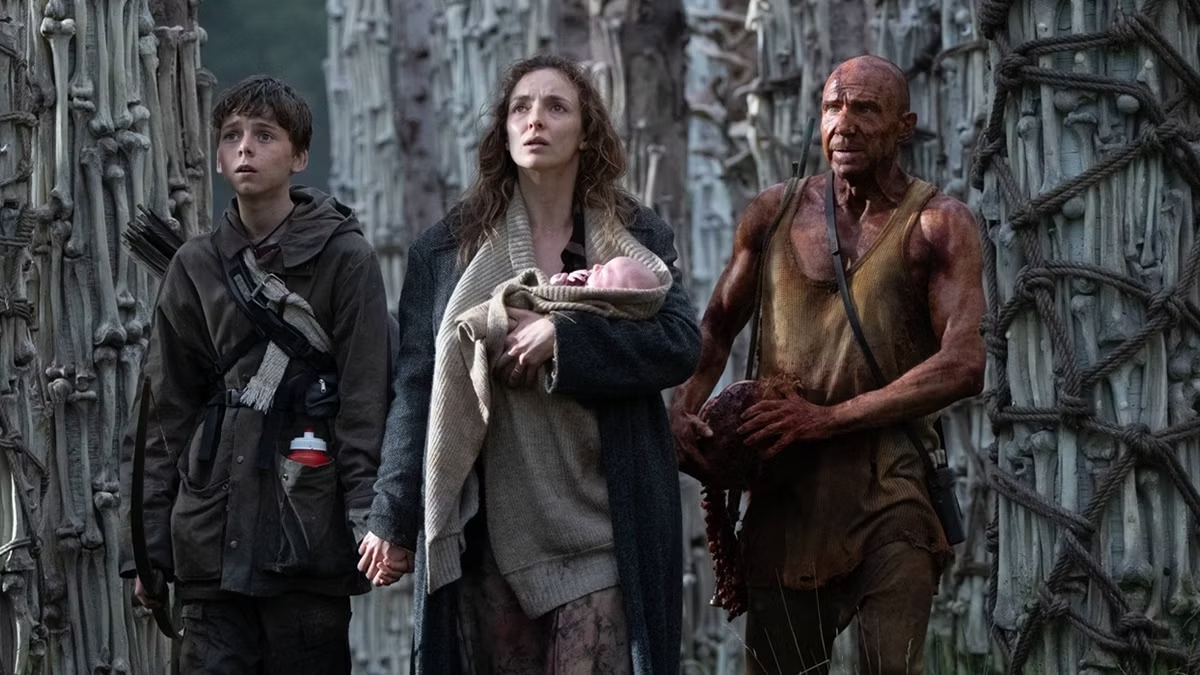
Danny Boyle’s 28 Years Later takes an analogous strategy, humanising the movie’s antagonists, the Contaminated, in an sudden second of vulnerability.
One pregnant zombie lady goes into labour and is helped by Isla (Jodie Comer) This regular rabid monster struggles, leans on one other particular person for assist, and divulges a second of softness that utterly contrasts with the violent horror sometimes related to the Contaminated, who’ve compelled civilisation to enter hiding.
SONY
Although she dies shortly after giving beginning, the scene highlights that even creatures outlined as monsters can have moments of humanity. It serves as reminder to the viewers that the Contaminated have little management over their actions.
Like Remmick in Sinners and Frankenstein’s Creature, the Contaminated are formed by circumstances past their management. On this case, a virus. This tender scene permits us to empathise. Regardless of our concern of the zombies, it doesn’t take away their capability for fragility and wish for neighborhood.
From del Toro to Coogler to Boyle, fashionable horror has now modified. It’s not about who or what to concern. Frankenstein’s Creature, Remmick and the Contaminated present that the scariest monsters are formed by trauma and human emotion. Vulnerability and empathy can exist alongside violence, flipping the style on its head.
In 2025, essentially the most terrifying factor isn’t the monster, however the world that’s made them.