Motorola’s Moto G line holds a special place in my heart.
2015’s Moto G3 was my first ever smartphone, so whenever I see a new model launch, I’m immediately transported back to my college days.
Unfortunately, that nostalgia was very short-lived when I read about the latest batch of handsets: the Moto G77, G67, G17 and G17 Power.
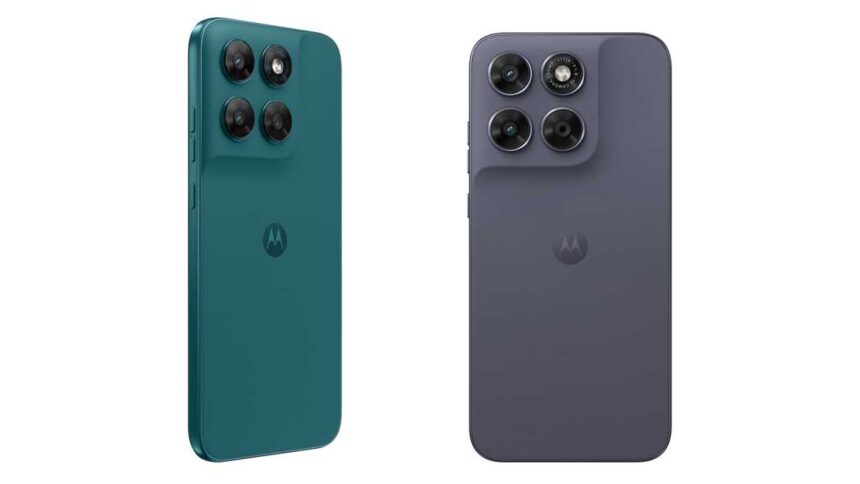
Now, don’t get me wrong, they look like competitive budget and mid-range phones with several standout specs. However, they have a common, fundamental flaw, which means no one should seriously consider buying them.
The longevity dealbreaker
In 2026, it’s generally accepted that any new phone should be safe to use for several years. Sadly, Motorola didn’t get the memo.
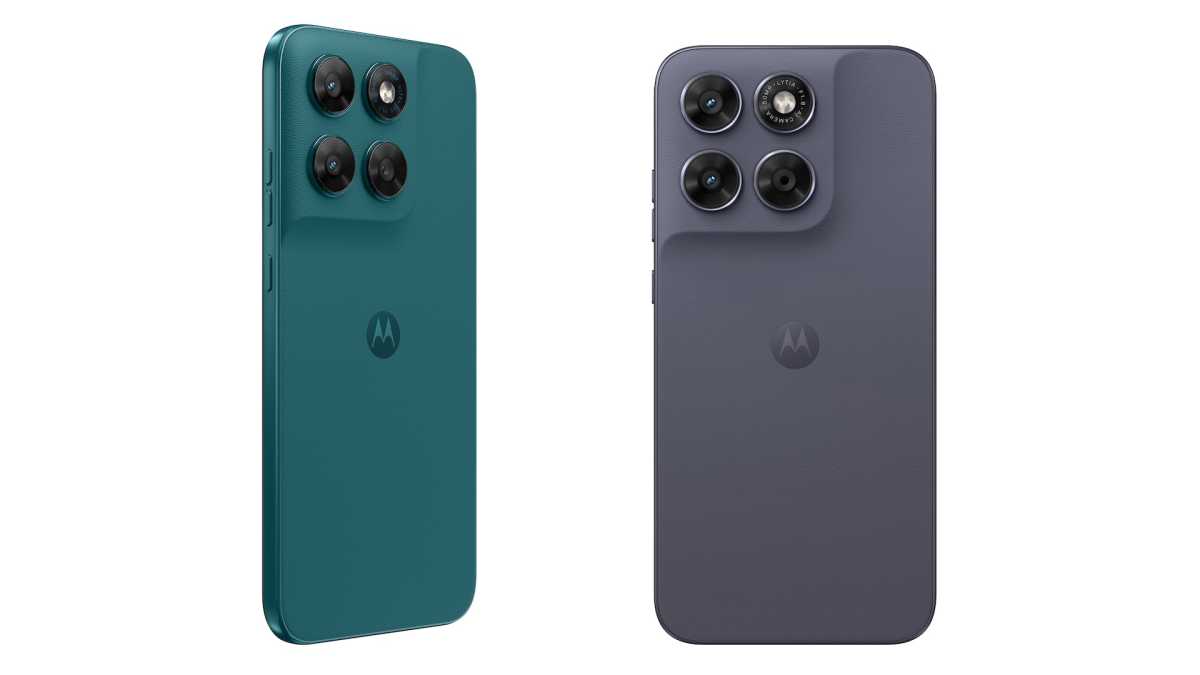
Take the Moto G77 as an example. Its software support is the best of the new lineup by some distance, but three years of major OS upgrades and four and a half years of security patches is a distinctly underwhelming commitment.
For just a little more than its £249.99 starting price, you can currently get the excellent Nothing Phone (3a), which matches Motorola on OS updates yet boosts security updates to a full six years. Samsung’s Galaxy A26 offers six years of both – more than many flagship phones.
Motorola
The £199.99 Moto G67 loses 5G, but also software support. A measly two years of OS updates means it’ll miss out on the expected Android 19 in 2028, while four years of security support isn’t anything to write home about.
Again, it’s blown out of the water by similarly priced competition, with the CMF Phone 2 Pro (three years of OS, six years of security) and Galaxy A17 5G (six years of both). There’s really no excuse.
It gets worse
When you get down to the Moto G17, the situation is even more dire.
Now, I’m not expecting wonders from a £149.99 phone, but ZERO major OS updates? That’s frankly pathetic.
Only two years of security patches isn’t much better, meaning the device will be unsafe to use beyond 2028.

Motorola
Motorola’s lack of commitment is even more embarrassing on the G17 Power, which gets a battery and charging boost in exchange for a higher €279 price tag (not sold in the UK). Not improving the software support feels like an insult.
In conflict with the EU?
The decision is all the more bizarre when you consider that the European Union (EU) passed new regulations in June 2025 (known as ‘Lot X’) that require all smartphones and tablets sold there to offer at least five years of OS and security updates.
In response to Tech Advisor’s questioning on this, Motorola responded with the following statement:
“Lenovo and Motorola Mobility are committed to meeting the principles set out in the Lot X regulation and will continue to provide security, corrective and functionality updates to our phones and tablets, to help ensure the longevity and operation of our products. We are working to further enhance the longevity of our products through enhanced repair and OS update policies (governing security, corrective and functionality updates).”
This appears to suggest that Motorola may improve the software support of its new Moto G phones in order to comply with the EU and sell the handsets in its 27 member states.
Of course, since Brexit, these regulations no longer apply to the UK, where the Moto G77, Moto G67 and Moto G17 are all available now. The Moto G17 Power won’t be coming to Britain, and there’s no word on whether the devices will be sold in the US.

Unless something significantly changes, people in the States really aren’t missing out. As a significant sub-brand of one of the world’s biggest tech companies (Lenovo), Motorola has a big opportunity to be a leader in sustainability and the environment.
By putting planned obsolescence at the core of these handsets, it’s doing the exact opposite.
With the exception of the G17 Power, you can buy the new Moto G phones from the Motorola UK website now, but I’d highly encourage you to look at other options first.