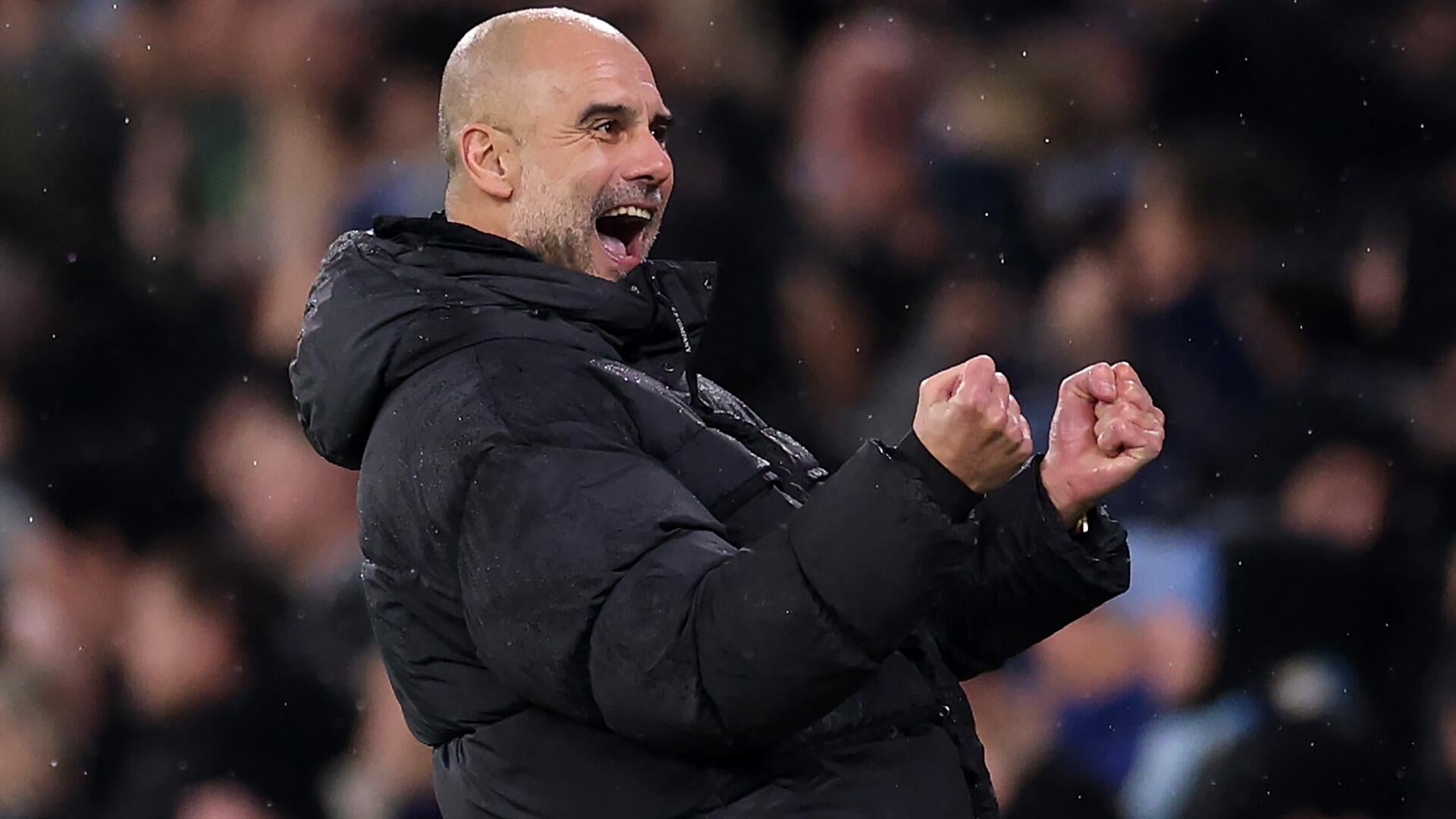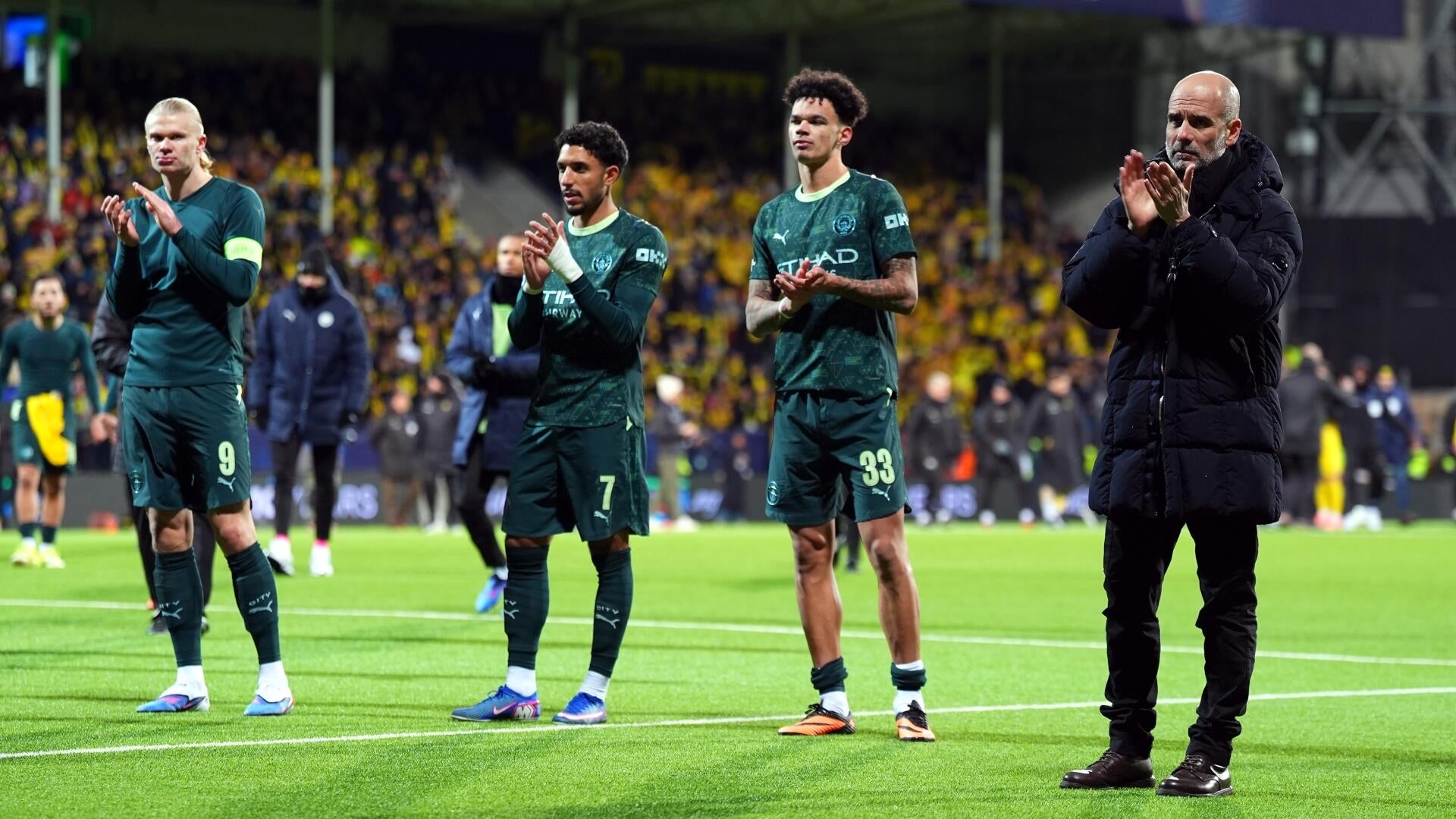
Manchester City’s trip to Bodo/Glimt on Tuesday in the UEFA Champions League was a classic mismatch in a lot of ways, but the stakes are always a little different for City. Every defining feature of the team is rooted in an ability to overpower their opponents; the financial might of a nation-state makes that possible, but the glory days where they could barely put a foot wrong really creates the lasting image. Their period of incredible, undeniable dominance is not all that distant a memory, either, so much so that when Liam Gallagher opens the nostalgia-tinged classic “Champagne Supernova” by asking how many special people change and how many lives are living strange, it may as well be about the singer’s beloved club.
Even for City’s well-documented faults, their capitulation in a 3-1 defeat at Bodo/Glimt on Tuesday felt like a new low. They unraveled completely above the Arctic Circle, each of their weaknesses fully exposed by an opponent with a lengthy list of disadvantages, chief among them the fact that they had not played a competitive match since Dec. 10. The hits came fairly quickly, too – Kasper Hogh had a brace by the 24th minute, while Jens Petter Hauge’s 58th minute goal was enough to dig City into a hole they could not climb out of.
Glimt have a reputation for being a tricky opponent but they were helped by the fact that City’s injury crisis left them without several of Pep Guardiola’s first choices in the back line. They took full advantage, overperforming their 1.35 expected goals tally from eight shots and racking up goals in a way City used to be known for. It is an impressive way for the team to notch their first-ever win in the Champions League, and even more impressive considering the fact that they were doomed to be eliminated with anything other than a victory.
The fact that City even dug themselves into that hole, though, is remarkable in its own right, even if the reasons why are not all that difficult to identify. City’s once-untouchable offense has been in noticeable decline for upwards of a year now and sputtered again on Tuesday, generating just 1.16 expected goals from 16 shots and a single goal from Rayan Cherki in the 60th minute along the way. Their overreliance on Erling Haaland continues to cost them; the Norway international was essentially removed from the game with just 14 touches over the course of the 90 minutes. He could not get on the scoresheet and is now on a four game cold streak, and now has just one goal in his last eight across all competitions. City have just three wins during that eight-match stretch, unable to keep the attack going on days Haaland is unable to contribute.
City seem to be well aware of these issues, too, already spending around $100 million on Antoine Semenyo to bolster their attacking operation and Marc Guehi to provide depth in defense, the pair merely the latest additions to a team that has been in transformation for a year now. Guardiola and company have fully embraced that this is a rebuilding season, something that is obvious in every way – the results and the performances demonstrate that in equal measure, and there have been plenty of days where it seems like they are on the right track. Cherki in particular has been a meaningful addition to Guardiola’s squad, the fact that he scored on Tuesday perhaps a sign he can become a reliable attacker even on days the team’s sum does not add up to its parts.
The recognition that a rebuild was needed, though, has somehow made the growing pains all the more difficult. Even if Guardiola is still working out all the details for his new-look team, there may still be more work to do. Take, for example, Ballon d’Or winner Rodri – he was easily worthy of the accolade he won in 2024, the most essential player in Guardiola’s most dominant version of City. He has yet to return to that level since recovering from a lengthy ACL injury, though, and had quite the lapse in judgement after picking up two yellow cards in quick succession in the second half.
Even in a rebuilding phase, though, City were still good enough to string together a stronger performance on Tuesday, just as they could have in a 2-0 loss to Manchester United over the weekend. The poor run of form in the fall of 2024 that inspired a spending spree that has lasted a year – and show no signs of slowing down – has not really disappeared, a signal that perhaps lining up brand-new players is not the only fix to the team’s longstanding issues. If that is the case, Guardiola has his work cut out for him.