Let’s cut right to the chase: yeah, that headline is a bold claim.
Visiting 100+ medieval European towns takes years of obsessive travel, and a borderline-nerdy passion for Gothic history that’d make most big-brained Oxford scholars jealous.
I’m no prof, but I’ve always loved getting lost in the shadowy alleys of a 15th-century walled town. Spot a castle on the hill? I’m racing up like a kid chasing dragons and damsels.
I guess I can count myself lucky for living right in the heart of Europe, and having the chance to escape to these Disney-esque fairytale lands every other weekend.
I’ve been to every European country at this point, and if I’m keeping it real, 100 is actually a pretty conservative estimate.
Truth is, I’ve lost count at this point, and it’s probably north of 100, but here’s 5 absolutely gorgeous Old World gems I could revisit forever (and never stop being amazed):
Český Krumlov, Czechia

Most Americans hop around Europe border-to-border, ticking capitals like that’s the end-all-be-all of a country’s soul. You’ve probably heard of Prague’s stone bridges and hundred spires, but unless you’ve dug deeper into Czech history, Český Krumlov probably sounds like a completely foreign name.
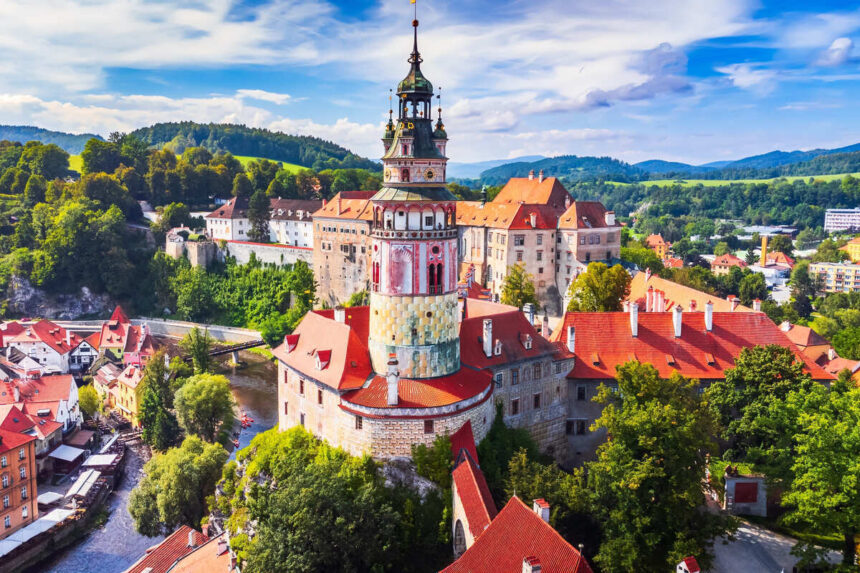
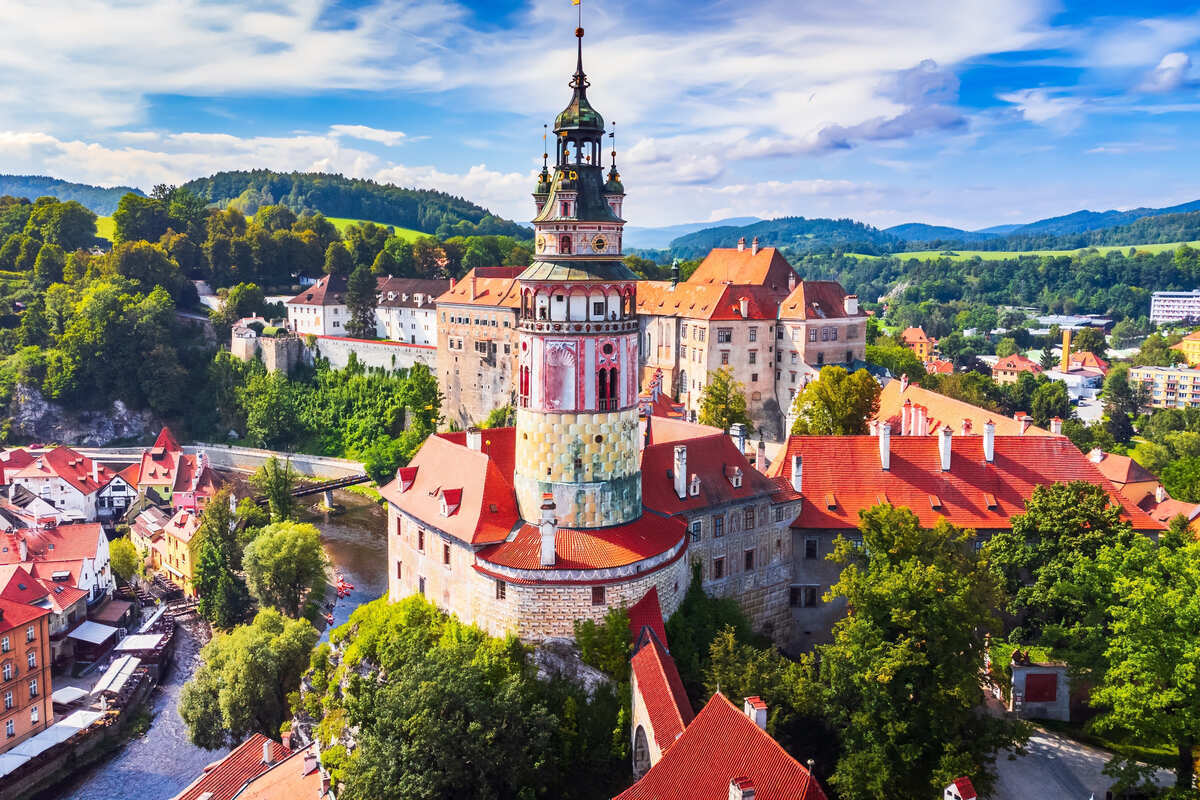
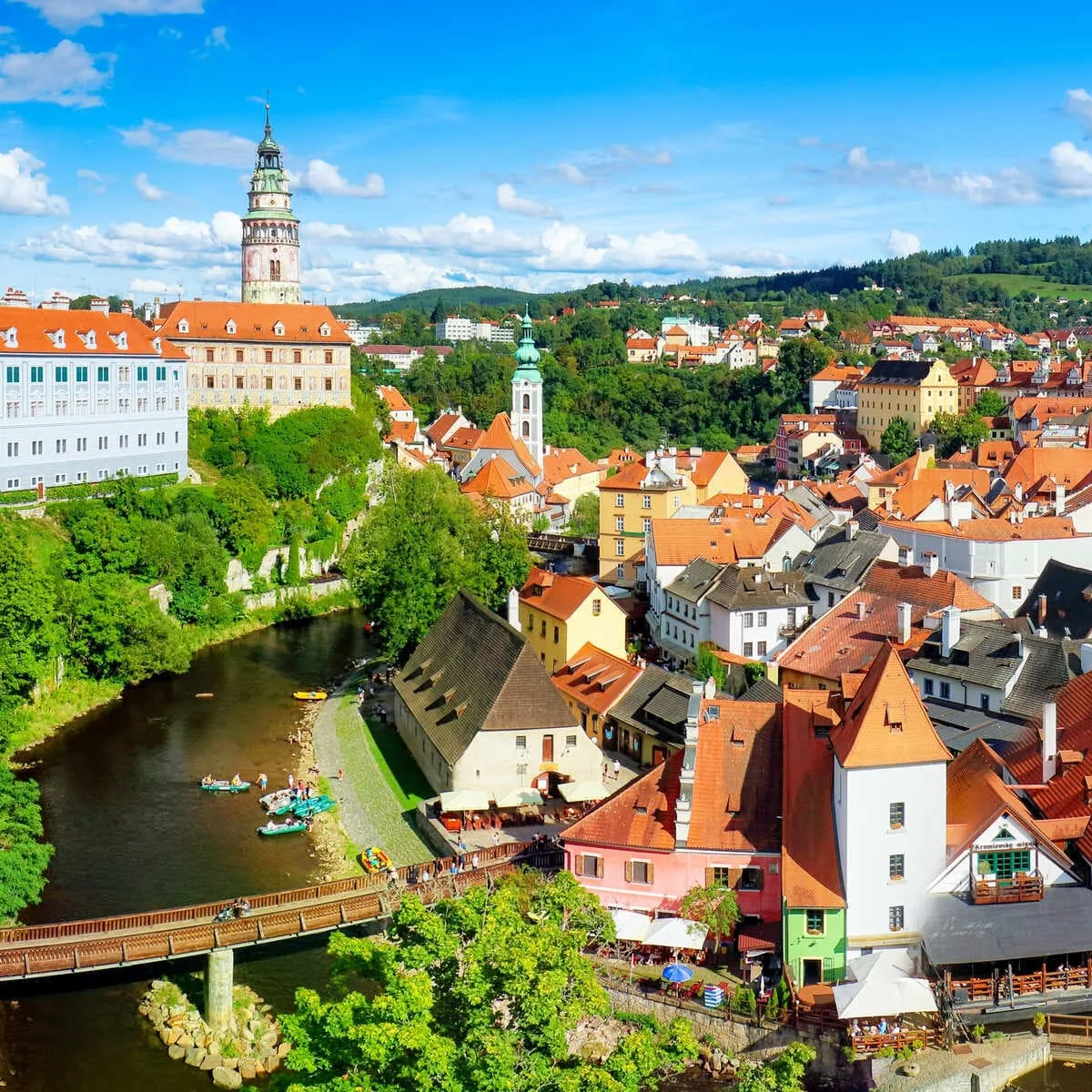
The quintessential storybook town, it’s perfectly preserved from the Middle Ages, with cobbled streets lined by pastel-hued houses, picturesque church squares flanked by family-owned cafés, and a monumental castle on a hill visible from miles away.
The castle is the star: dominated by a Renaissance tower covered in illusionist frescoes and housing a landmark Baroque theater with ongoing performances, it’s one of Europe’s most romantic forts.


Spanning the void between the castle courtyard and the gardens, the Cloak Bridge is not to be missed, either: a covered three-story crossing lined with statues of saints, and featuring massive stone arches, it offers the best views over the Old Town’s belfries and gables.
One last thing, Český Krumlov isn’t your average European ‘hidden gem’. In reality, it is flooded with Prague day-trippers, especially during weekends. Best hack: stay overnight and explore at dawn before the Chinese tour buses roll in.
Lindau, Germany
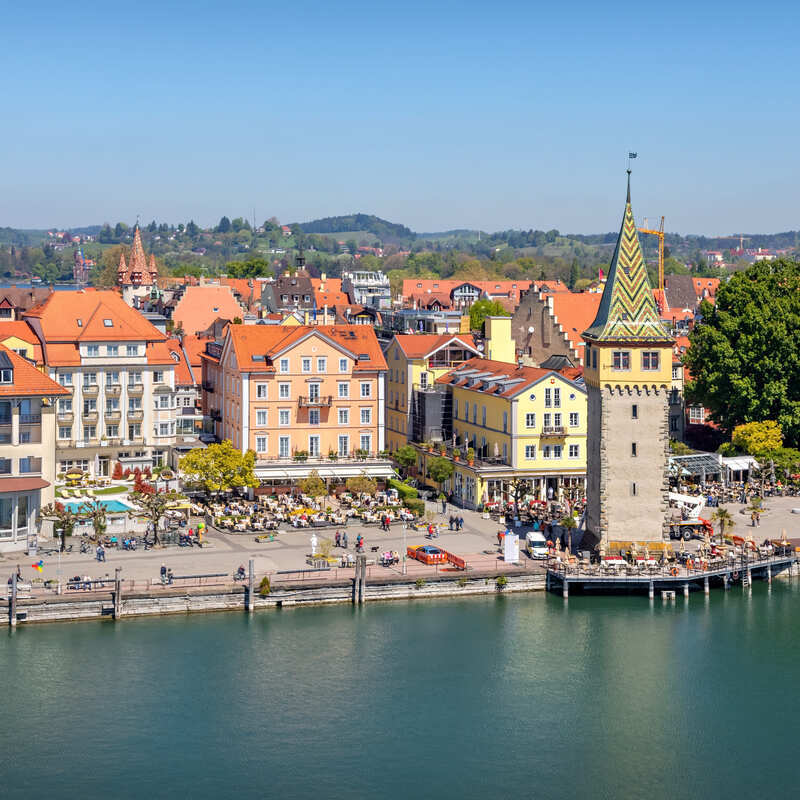
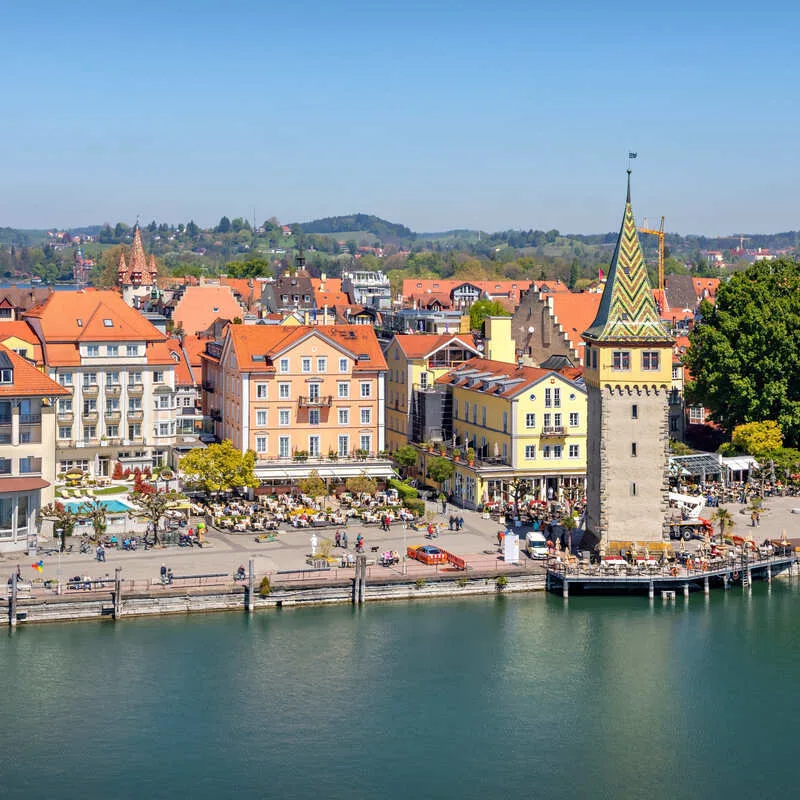
Sharing a crystal-clear Lake Constance with Austria and Switzerland, Lindau is a peaceful haven revolving around a namesake Lindau Island, where most of the half-timbered buildings, timeless lamp-lit cobbled lanes, and marvelous Baroque treasures are found.
An Old Town of the highest order.
It’s home to one of the most stunning medieval churches I’ve seen: the Catholic Minster of Our Lady, with frescoed ceilings, ornate stuccowork, and a bright-white interior glowing with colorful paintings.
Its Protestant counterpart, the less-pompous St. Stephen’s, may not dazzle visually the same way, but the solemn interior with ornamental patterns and wooden carvings is just as captivating.
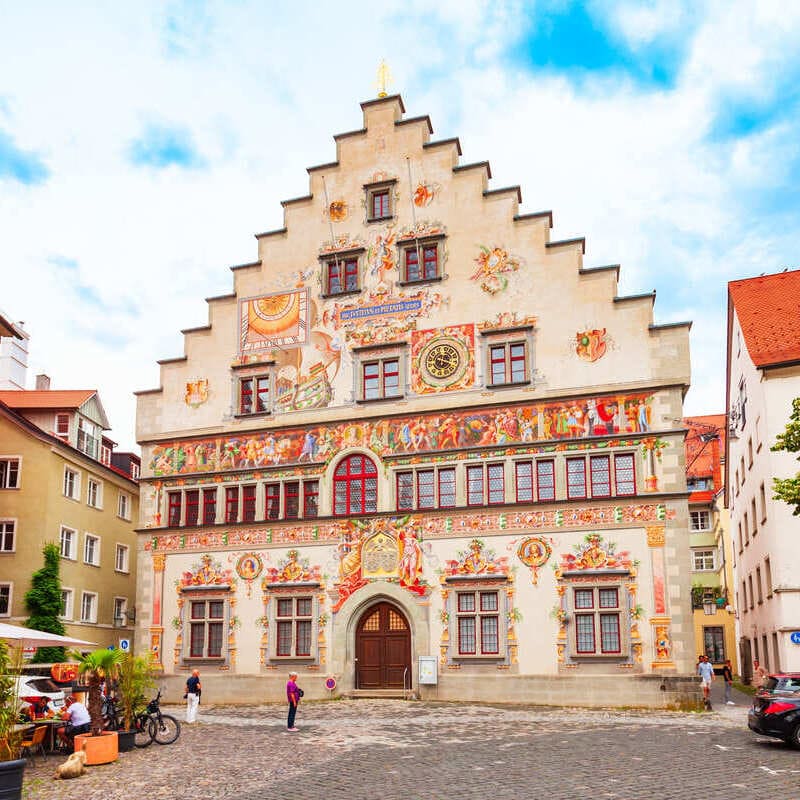
Lindau’s pride and joy, however, is the Gothic Altes Rathaus, or Old Town Hall. This has to be Europe’s most elaborate painted façade: historical scenes alive with red-orange, deep-blue, and dark-green strokes, and if I may share a little insider secret with you, it looks even prettier from behind.
German motifs aside, my favorite thing about Lindau has to be its Seepromenade: a lakefront stroll lined by a 12th-century watchtower with a pointed tiled roof, leading to an old stone lighthouse, which delivers those epic panoramic views of Switzerland that feel like an actual living postcard.
Rhodes Town, Greece


The capital of Rhodes, in the Greek Dodecanese, Rhodes town ticks every box when it comes to medieval charm… and then some. No wonder I keep coming back.
Its current form owes much to the Knights Hospitaller, the legendary crusaders who fought in the Holy Land, and brought back their savoir-faire and military expertise as they retreated west.
Based in Rhodes for much of the Middle Ages, they heavily fortified the town with walls, bastions, gatehouses, and moats, and paved the cobblestones of the UNESCO-protected Street of the Knights, often hailed as Europe’s prettiest medieval street.


Lined with 15th-century Knights’ inns, divided by nationality into French, Italian, German, and Spanish quarters, it’s arguably Rhodes’ most emblematic lane, and the main artery cutting through the wall-encircled Old Town.
Beyond the arches and palatial halls, Rhodes Town is also shaped by indelible Ottoman influences: the Turks added towering minarets, hammams, and ablution fountains, while the Italians, who ruled during the interwar period, left elegant civic buildings and market halls around Mandraki Harbor.
In sum, Rhodes Town is like a layered tapestry of history: while much of its character comes from the Crusader era, you can also spot Ancient Greek, Ottoman, French, and Italian influences, which give the city its unique and enduring appeal.
Toruń, Poland
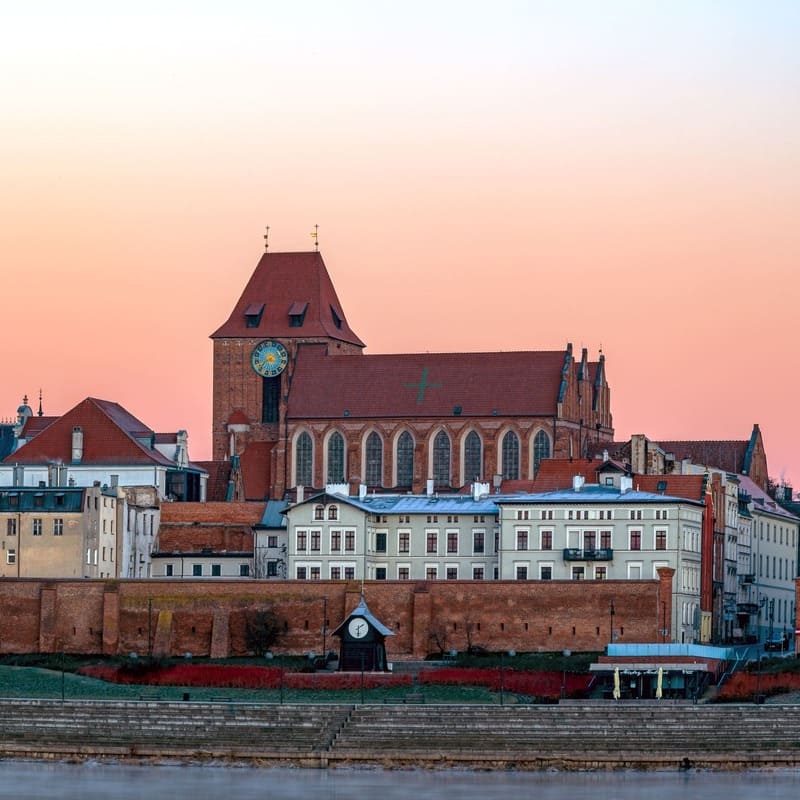
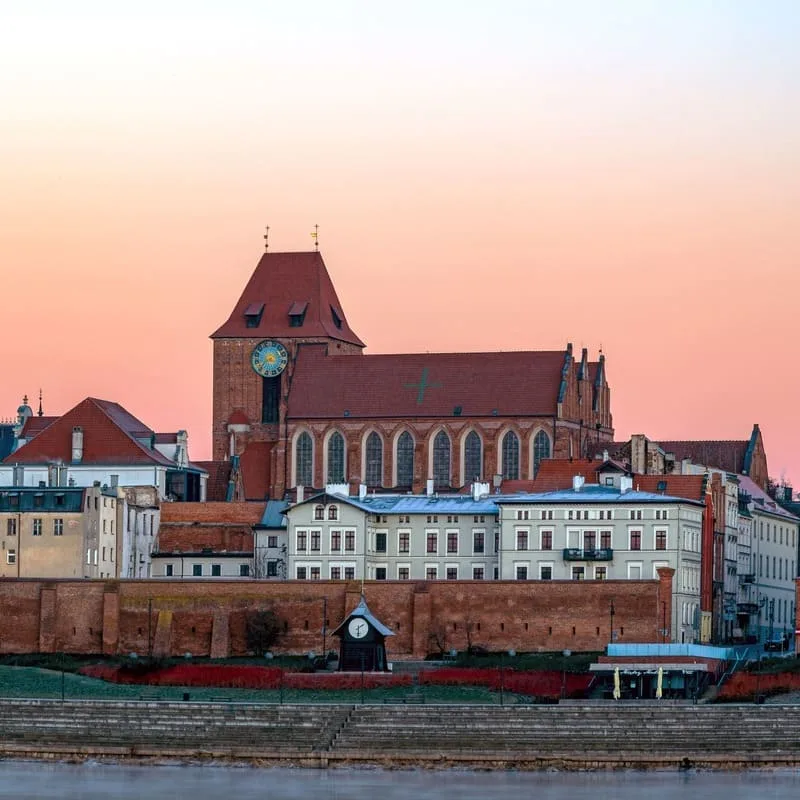
Straddling the Vistula River in northern-ish Poland, Toruń is that red-brick-built, fantasy medieval town you never knew you desperately needed visiting.
Not only is it one of the best-maintained medieval centers still inhabited in Europe, with an intact medieval street layout from the 1200s, defensive walls, and a massive market square, this UNESCO-protected stunner is the birthplace of Nicolaus Copernicus.
You know, the same guy who proposed the Earth orbits the Sun, not the other way round? Him.
You can visit his actual birthplace at Mikołaja Kopernika 15/17, right in the heart of the Old Town. A typically-Hanseatic brick townhouse with a stepped roof and tall glassed-in windows, it’s a rare example of a 15th-century survivor that’s barely seen the passing of the centuries.
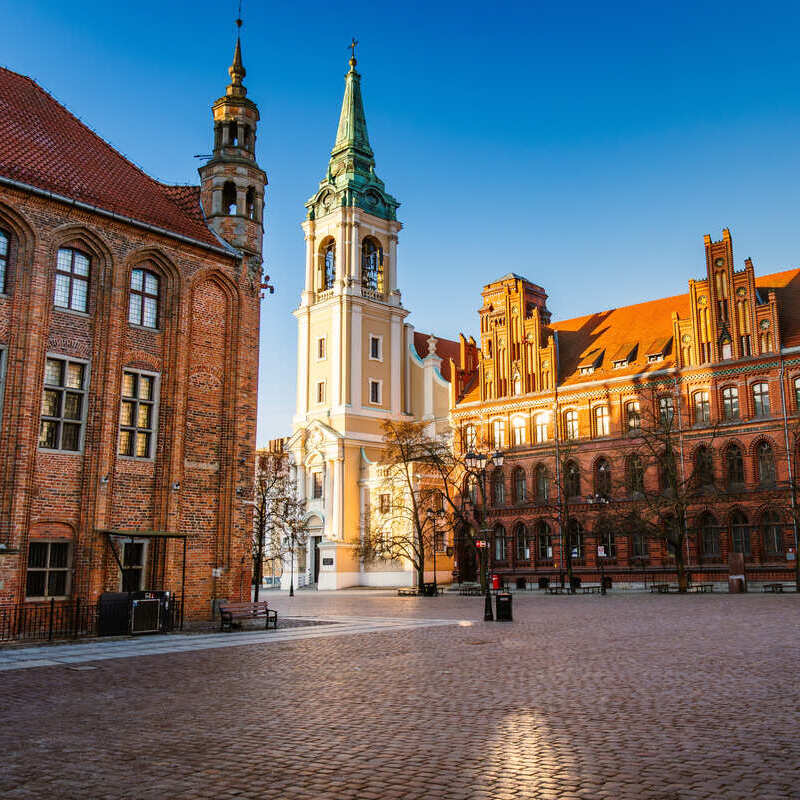
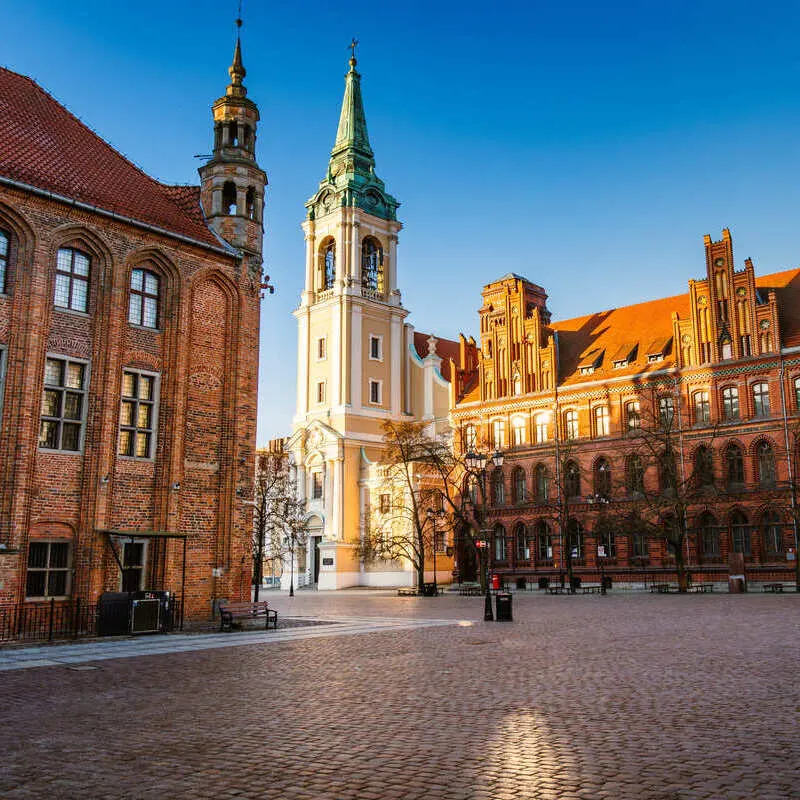
On that note, part of the reason Toruń is so special is that it wasn’t heavily bombed in World War II: unlike Warsaw or Gdańsk, which had to be rebuilt from scratch, much of what you see around Toruń is what medieval residents would have seen themselves.
Oh, something else you should know about Toruń is that they’re famous for their original medieval gingerbread recipe. These sweet treats can be found all around town, but if you’re looking for the small artisan, hand-decorated version, Piernikowy Raj is your spot.
Besalú, Spain

If you’ve ever driven up to a medieval town in Europe before, you’ve probably passed first the ‘new’ part of town, with your usual uninspiringly grey social housing, busy thoroughfares, and strip malls.
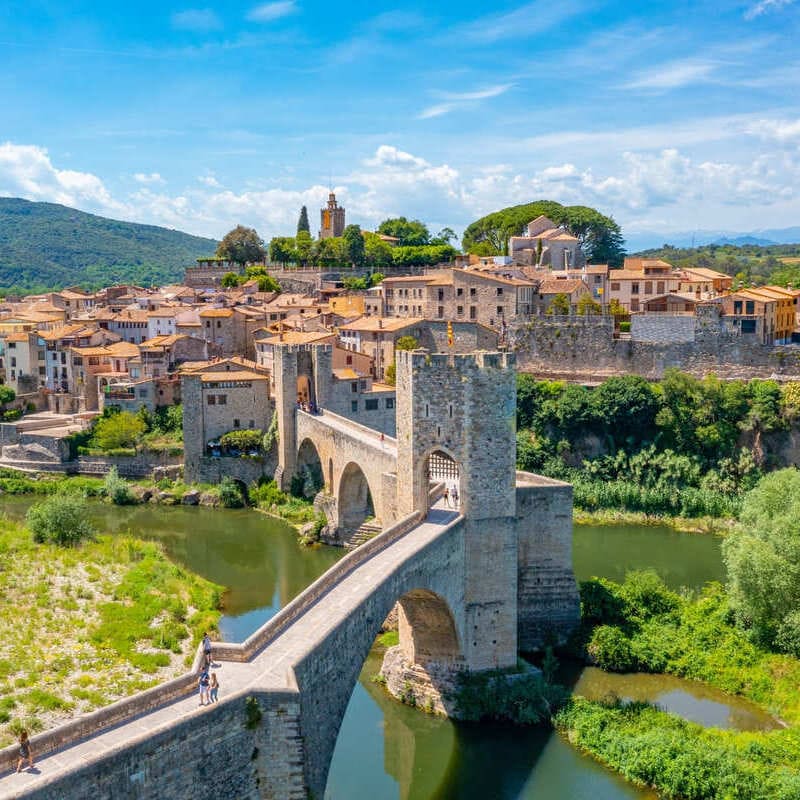
The picturesque center with the castle and the market square is somewhere in the middle, magical but surrounded by the sprawl of the modern era. Well, not Besalú, this gem tucked away in the hilly Catalonian hinterlands of Spain:
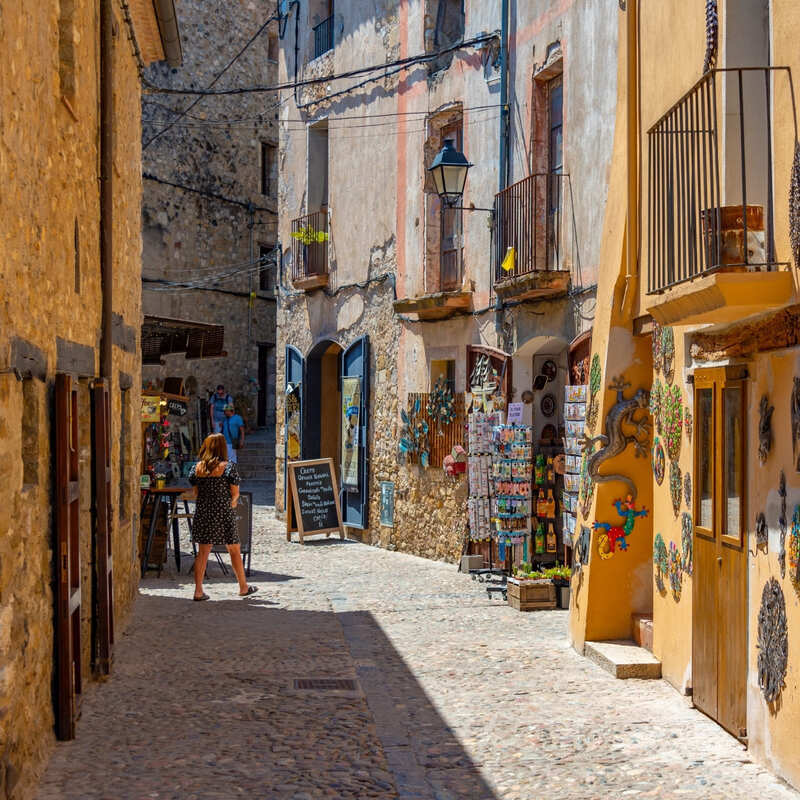
Having kept its original 11th-century layout, it feels like a period movie set through and through, with no invasive housing blocks in the skyline. I’m talking narrow stone alleys, Romanesque churches, and old town plazas guarded by medieval gates at every turn.
The most iconic monument in Besalú, the zig-zag-shaped Pont Vell, is a seven-arch stone bridge crossing a fast-flowing river, distinguished by its checkpoint-style watchtower in the middle, and breathtaking views.
Though Girona gets all the fame, Besalú is actually home to one of Spain’s best-preserved Jewish Quarters, or as they call it locally, El Call. A must-see? The 12th-century mikveh, a Jewish ritual bathhouse, is one of the last few untouched in Europe.
What About The 5 Medieval Towns I Avoid Like The Plague?
I’ve given you the 5 most beautiful European medieval towns I could go back to time and time again, but what about the ones that didn’t live up to the hype?
There’s been a fair few, but if I had to narrow it down to 5 again, those would be:
Dubrovnik, Croatia
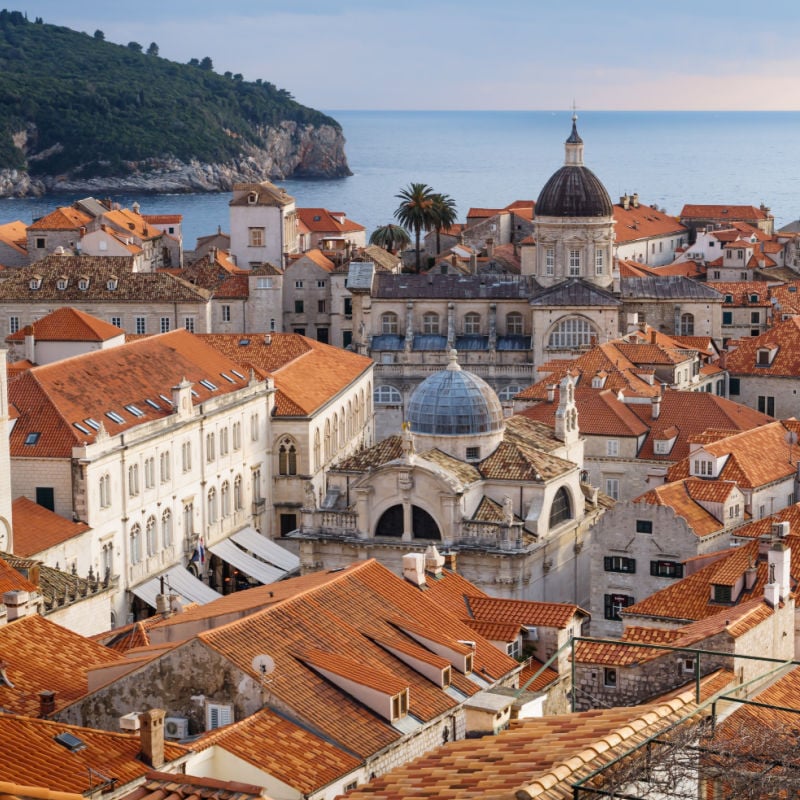

Fortified harbor town hugged by the turquoise Adriatic, with ramparts, embattlements, and drawbridges you’d think could only exist in Dungeons & Dragons—but speaking of dragons, they’re precisely the reason why Dubrovnik didn’t do it for me.
Formerly the deeply historic Ragusa with rich Roman roots, it’s been reduced to the real-life King’s Landing from HBO’s Game of Thrones.
Crazy crowds, GoT tours, and Walk of Shame photo ops: hardly the authentic medieval escape I’m chasing, so let the George R.R. Martin diehards have it.
Ghent, Belgium
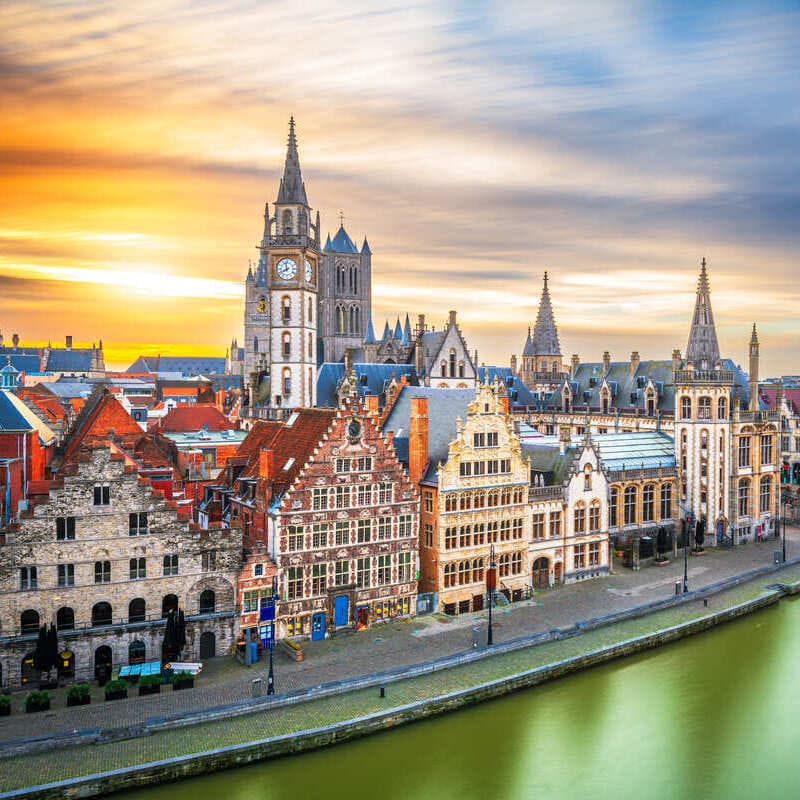
I’m not a huge Belgium fan. Towns blend into one monotonous pattern: stepped gables, canals with aged-brick warehouses, and main squares with guildhalls.
Maybe it’s seeing a dozen “Ghents” first, or the persistent gloomy weather, but Belgium’s “hidden gem” didn’t exactly wow me. The moated castle is cool, the waterfront is pretty, but I just couldn’t shake that ‘seen it before, and better‘ feeling.
Plus, 30 plus dollars for mid-at-best pub grub? Nah, it’s a skip. Fries are good, though.
Riquewihr, France

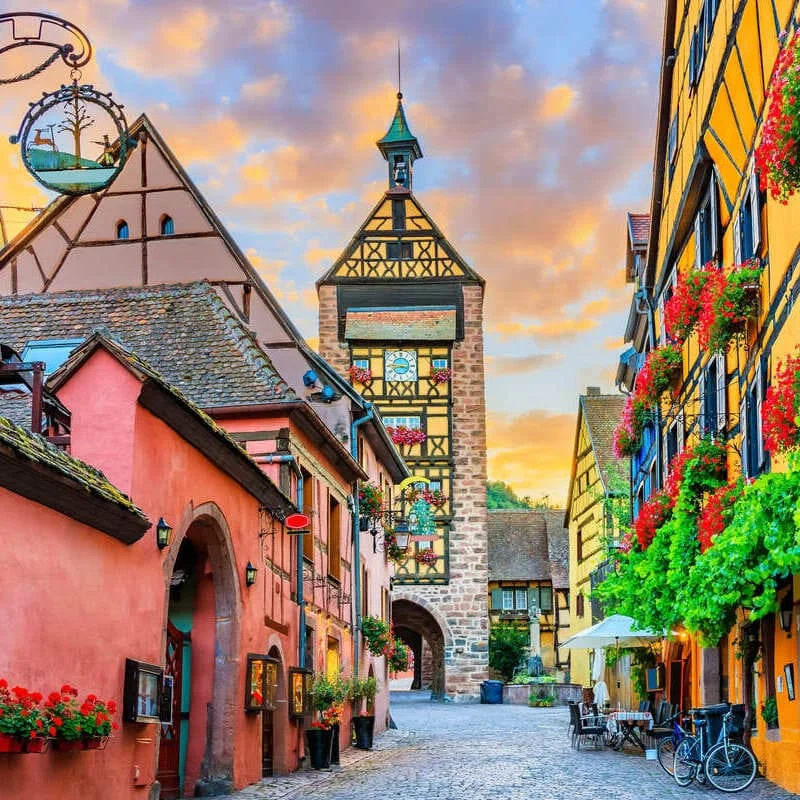
Since I had the questionable idea of hitting Riquewihr during peak Christmas last December, I swore next time I’d village-hop Alsace in the next global crisis when everything shuts down.
Given the current state of the world, it might not be long…
Back to Riquewihr, I never grasped shoulder-to-shoulder chaos until I paid their Old Town a visit. A 300-meter stroll down the main cobbled street lined with iconic colorful Alsatian half-timbered houses takes over an hour of waddling through the human blob.
You can’t even see those beautiful façades anyway, buried under twinkling lights and stalls, and I swore to God, one more manic Disney adult belting Beauty and the Beast at a wishing well, and I’d hurl myself into the nearest vin chaud vat.
Pitié.
Hallstatt, Austria


Hallstatt used to be one of the most serene, postcard-perfect alpine towns, with wooden chalets and a storybook belfry on the shores of a crystal-clear lake, swans gliding across, snowflakes gently falling all around… until it became Austria’s very own little Chinese exclave.
I don’t know what draws so many of our Chinese friends there—they’re obsessed enough to build a kitsch replica back home—but at this point, it feels like anything but a traditional Austrian village.
Locals know it, authorities know it, we all know it. They’re now curbing mass tourism, even turning away genuinely interested tourists who aren’t just there for selfies.
Nope, not even photographing the postcard waterfront is allowed anymore. Thanks to the hordes, the once-perfect viewing platform is fenced off and obstructed. Kudos, social media.
Gjirokaster, Albania


Now, listen, I don’t dislike Gjirokaster. It’s a solid UNESCO Ottoman-era stone town in southern Albania, dodging Europe’s typical medieval plagues: no overtourism, no garish chains, no litter everywhere.
Gray-slate and limestone buildings are Pinterest-perfect (does anyone use that anymore?), food’s delicious, and the hilltop castle with its clock tower is the cherry on top… but would I go out of my way to visit again? I doubt it.
Gjirokaster’s one of those one-offs you breeze through, and spend a satisfying couple of hours wandering, then you’re off on your merry way. Likely to the Blue Eye or Ksamil, if I know the first thing about how tourists plan their Albania road trips.
Maybe it’s just me, but it didn’t leave a mark. I’d even forgotten I’d been myself until Apple’s photo collage dredged it up for one of those end-of-year collages. Cute, but not rave-worthy.
How To Stay Safe Traveling Around Europe


With the ever-changing world of geopolitics and the varying levels of safety around Europe right now, you might want to read up on the security situation on the ground and prepare in advance for that Transatlantic trip.
Our Traveler Dashboard allows you to do just that.
No complicated foreign-Government lingo, and definitely no deciphering complex travel advisories on your own, that leave you even more confused: simply type in the name of your destination on the search bar, be it a country or a city, and you’ll get the full run-down of it.
Which safety regulations apply at the moment, which is particularly relevant given the raging wars, what visa requirements are imposed on U.S. passport holders, and which mandatory fees you must pay as a tourist.
Easy, straightforward, and in clear, plain language. No BS, no beating around the bush, and no bias.
Now take the quiz below to find your perfect Old World escape!