With millions of tourists expected to visit the Dominican Republic in 2026, travelers are seeking clarity on whether it remains a safe destination.
Recent updates from government sources in Canada and the United States offer valuable insight into current travel conditions and potential risks.
This report outlines the general safety landscape, official advisories, specific areas to avoid, and essential safety tips for those planning a trip.
General Safety Overview
The Dominican Republic continues to be one of the most visited countries in the Caribbean, drawing over 10 million international travelers in 2025, according to the Ministry of Tourism.
While the majority of visits are incident-free, crime and health concerns remain notable in certain areas.
The country experiences a moderate level of crime, particularly in urban centers such as Santo Domingo and Santiago. Common incidents include pickpocketing, ATM fraud, and robbery.
Violent crime, while less frequent, can still occur and is typically related to gang activity or local disputes, rarely targeting tourists directly. However, travelers are advised to remain vigilant, especially when venturing beyond resort zones.
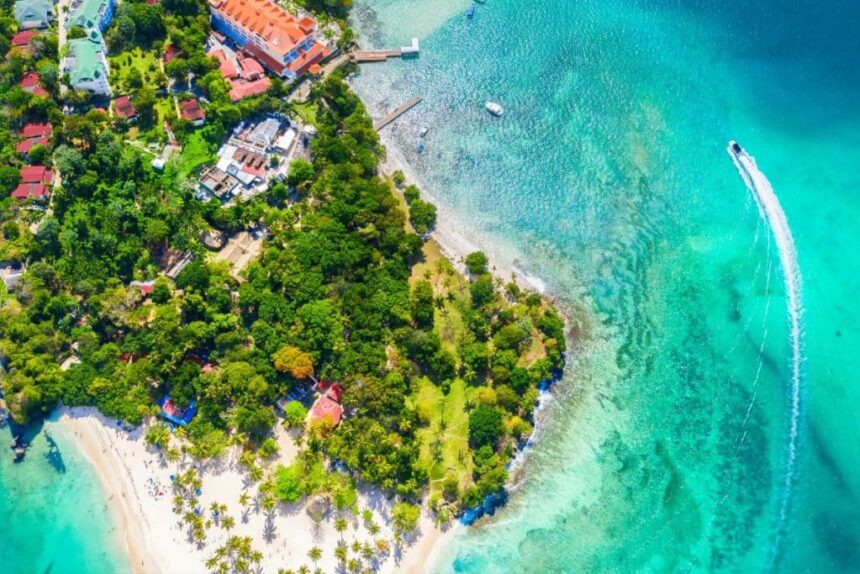
Tourist police units (Politur) have increased patrols in key areas, particularly around beaches, hotels, and nightlife zones. This has helped improve the perception of safety in popular destinations like Punta Cana, Puerto Plata, and La Romana.
Additionally, infrastructure continues to improve. Roads between major tourist hubs are generally in good condition, and transportation regulations for tour operators have been tightened to reduce risks.
Official Reviews (Canada & US)

Both Canada and the United States have issued Level 2 advisories for the Dominican Republic, urging travelers to exercise increased caution due to crime.
According to the U.S. Department of State’s 2026 travel advisory, visitors should be particularly careful in urban areas after dark. It notes that “violent crime, including armed robbery, homicide, and sexual assault, is a concern throughout the Dominican Republic.” However, the advisory also highlights that resort areas tend to be better policed and more secure.
The Government of Canada’s travel advice echoes these concerns, warning of “a high rate of violent crime,” particularly in large cities and certain regions of the capital. It also notes that emergency services and healthcare quality can vary widely by location.
Both countries encourage travelers to register with their embassy or consulate before visiting and recommend travel insurance that includes emergency medical evacuation.
Areas to Avoid
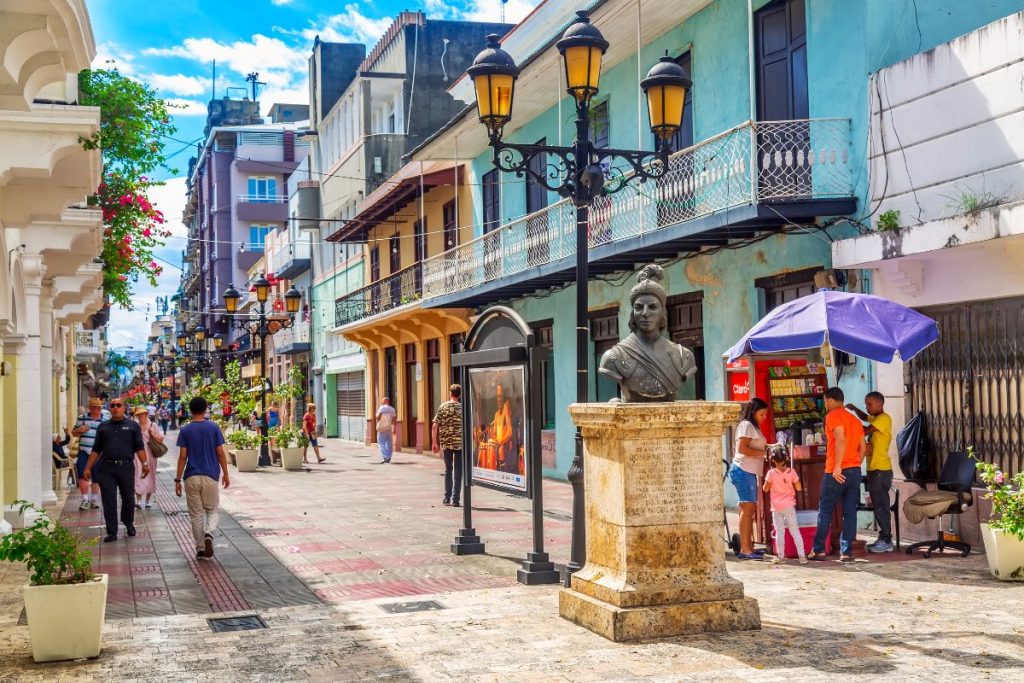
While most resort areas are considered safe, some parts of the Dominican Republic are best avoided by tourists, especially if traveling independently.
In Santo Domingo, neighborhoods such as Cristo Rey, Villa Consuelo, and La Ciénaga are known for higher crime rates. Similarly, in Santiago, visitors should avoid areas like Cienfuegos and Pekín. These districts often face socio-economic challenges and limited police presence.
Border areas near Haiti have experienced sporadic tensions and a higher risk of crime and smuggling activity. The Dajabón and Elías Piña provinces, in particular, should be avoided unless travel is essential and accompanied by local guidance.
Certain beaches and nightlife zones in Boca Chica and Sosúa have been associated with illicit activities, including drug trafficking and sex tourism. While not inherently dangerous, these areas may expose travelers to unwanted attention or scams.
Safety Tips
Travelers can significantly reduce their risk by following basic safety measures. The following practices are widely recommended by local authorities and embassies:
- Avoid walking alone at night, especially in non-tourist neighborhoods or poorly lit areas.
- Use authorized taxis or ride-sharing services like Uber, which operates in Santo Domingo and some resort areas.
- Keep your valuables secure and out of sight. Leave passports in the hotel safe and carry photocopies instead.
- Stay informed about local news and weather, particularly during hurricane season (June to November). Reliable sources include the National Emergency Operations Center (COE) and the U.S. National Hurricane Center.
- Be cautious with alcohol consumption, especially at local bars. Avoid accepting drinks from strangers and watch your beverage at all times.
- Only book excursions through licensed operators, and verify credentials before committing.
Additionally, tourists are encouraged to learn a few basic Spanish phrases, as English is not widely spoken outside of resort environments. Cultural respect and polite interaction can also go a long way in avoiding misunderstandings or confrontations.
In summary, while the Dominican Republic does present some risks, it remains a relatively safe destination for travelers who plan ahead and use common sense.
With heightened awareness and adherence to travel guidance, tourists can enjoy the country’s rich culture, beautiful landscapes, and warm hospitality.