A growing staffing crisis within the Transportation Security Administration (TSA) is beginning to disrupt operations at airports across the United States, raising concerns about delays, long security lines and even potential temporary closures if the ongoing government shutdown continues.
Thousands of TSA officers are currently working without pay, following a lapse in funding for the Department of Homeland Security that began in mid-February. While these employees are classified as essential and required to report to duty, increasing numbers are unable to do so, citing financial strain.
According to multiple reports, absentee rates among TSA workers have surged well beyond normal levels. Call-out rates, which typically remain below 2%, have climbed into double digits nationwide, with some airports reporting far higher figures. In cities such as Atlanta and New Orleans, absenteeism has exceeded 30%, while certain checkpoints in Houston have experienced rates as high as 50% on specific days.
Long Security Lines and Mounting Delays
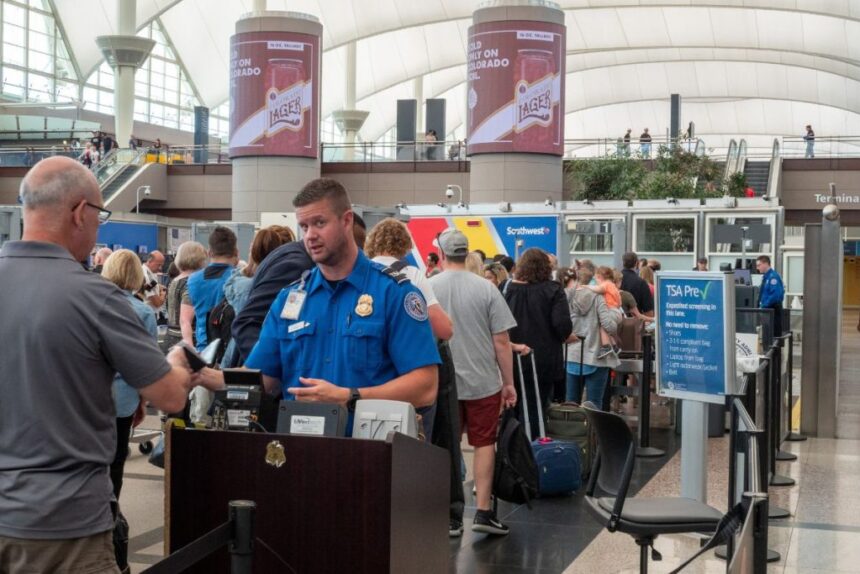
The immediate impact of these staffing shortages is being felt at airport security checkpoints. Fewer available officers mean fewer open screening lanes, leading to significantly longer wait times for travelers. At several major airports, passengers have already reported delays of two to three hours just to clear security.
TSA PreCheck lanes, often relied upon by frequent travelers to expedite screening, have also been affected. In some cases, these lanes have been temporarily closed due to insufficient staffing, eliminating one of the few mechanisms designed to reduce congestion.
A TSA spokesperson acknowledged the strain, stating that the agency is “continuing to monitor staffing levels and working to maintain safe and efficient operations despite current challenges.”
Smaller Airports at Greater Risk of Closure
While major hubs such as Atlanta’s Hartsfield-Jackson, New York’s JFK and Los Angeles International Airport are better equipped to absorb staffing fluctuations, smaller regional airports are considered significantly more vulnerable.
Airports operating with lean staffing models may be forced to suspend operations if they cannot meet minimum security requirements. Federal officials have indicated that without sufficient TSA personnel to safely staff checkpoints, flights cannot legally depart.
This raises the possibility of temporary closures at certain facilities if absentee rates continue to rise. The situation underscores the critical role TSA officers play in maintaining not only security, but also the basic functionality of the nation’s air travel system.
Travelers Urged to Plan Ahead
Despite the growing disruption, flights are still operating, and airlines have not yet broadly adjusted schedules in response to the shutdown. However, authorities are urging travelers to take precautions.
Passengers are advised to arrive at least three hours early, even for domestic flights, to account for extended security wait times. Missing a flight due to delays at checkpoints is currently considered the most immediate risk for travelers.
Industry experts note that while airlines can adjust schedules in response to weather or mechanical issues, security staffing shortages present a more complex operational challenge.
Uncertain Timeline as Political Standoff Continues
The duration of these disruptions remains uncertain. The government shutdown stems from an ongoing political impasse in Washington, primarily centered on immigration policy, and there is no clear timeline for resolution.
Until funding is restored and TSA employees receive their pay, staffing shortages—and the resulting strain on airport operations—are expected to persist.
For now, the situation continues to evolve, with both travelers and airport authorities closely monitoring developments that could further impact the reliability of air travel across the country.
Sources: