
Moneywise and Yahoo Finance LLC could earn fee or income by means of hyperlinks within the content material beneath.
Once you enter into a wedding, you anticipate your partner to be devoted. However typically, a distinct kind of infidelity — monetary — can rear its ugly head.
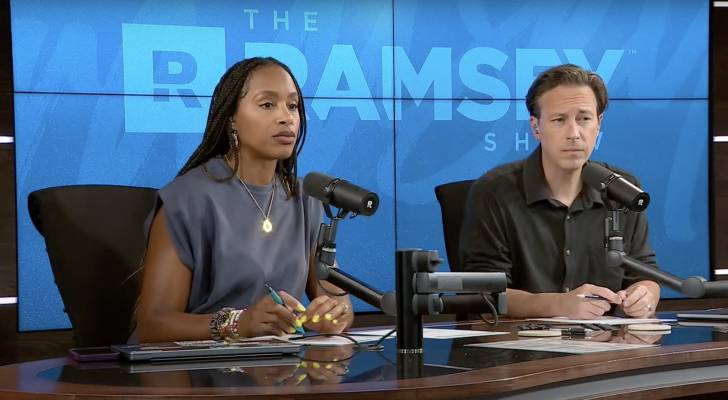
That is what occurred to Cathy from Dallas, Texas, who just lately known as into The Ramsey Present in search of pressing monetary recommendation.
Cathy revealed to co-hosts Ken Coleman and Jade Warshaw that she suspects her to-be ex-husband has racked up near $1 million in debt behind her again — and she or he’s most likely on the hook for half of it.
Here’s what Coleman and Warshaw needed to say.
Cash is usually a enormous driver of marital strife, particularly when one partner retains secrets and techniques.
A 2021 survey by the Nationwide Endowment for Monetary Training discovered that 43% of individuals with mixed funds in a relationship have dedicated monetary infidelity.
For 39%, that meant hiding a purchase order or financial institution assertion from their accomplice. For 19%, it meant hiding money. And for 16% of {couples}, monetary infidelity in the end led to divorce.
Cathy, in the meantime, discovered that her husband hadn’t paid earnings taxes for three-years and owed $80,000 in bank card debt. The kicker? Cathy and her soon-to-be ex have a $550,000 mortgage for an workplace constructing that she co-signed on.
Learn extra: Wealthy, younger Individuals are ditching the stormy inventory market — here are the alternative assets they’re banking on instead
Even worse, Cathy does not have a report of how that cash was spent.
“I really feel like an fool,” Cathy stated.
Coleman thinks Cathy owes at the least $250,000.
If, like Cathy, you’re battling substantial debt, there are some things you are able to do. One choice is tapping into your own home’s fairness by means of a Residence Fairness Line of Credit score (HELOC), particularly when you’ve made constant mortgage funds.
A HELOC is a secured line of credit score that leverages your own home as collateral. Relying on the worth of your own home and the remaining steadiness in your mortgage, you might be able to borrow funds at a decrease rate of interest from a lender as a type of revolving credit score.