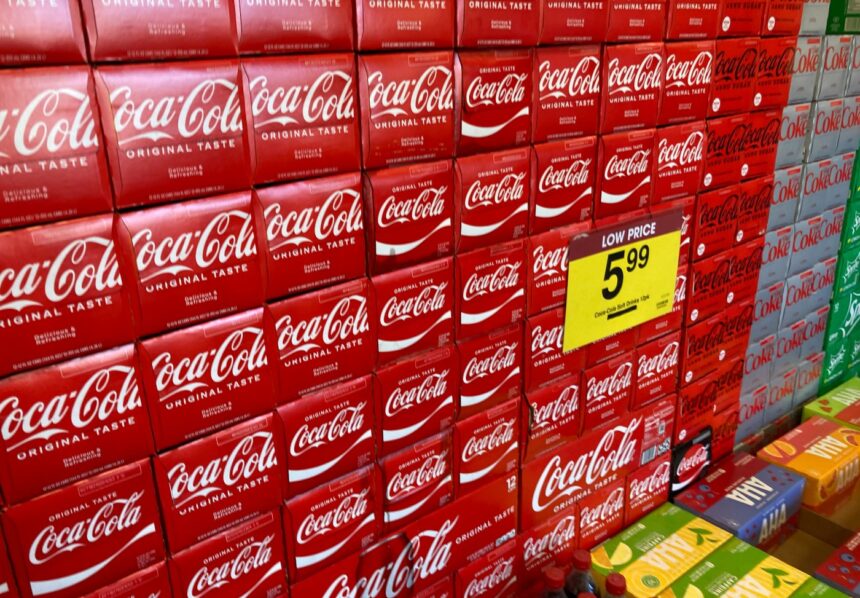
A state board considering whether to prohibit the main food assistance program in Colorado from paying for most sweetened drinks punted its decision until late April, with several members saying they were torn between the desire to reduce sugar consumption and to avoid burdening low-income people.
The Colorado Healthy Choice Waiver would have limited the kinds of drinks people can buy using the federal government’s Supplemental Nutrition Assistance Program, or SNAP, starting April 30, although the board’s vote late Friday afternoon pushes back that timeline.
If the Colorado Board of Human Services ultimately votes for the waiver, people will no longer be able to use SNAP funds to pay for beverages with added sugar or artificial sweeteners unless they contain milk, a plant-based milk substitute or at least 50% juice.
Chocolate milk, unsweetened seltzers and some juice drinks will remain options, while diet and full-sugar sodas will no longer be eligible. SNAP recipients can use their other income to purchase ineligible drinks, if they have the resources to do so.
The nine-member board was evenly split at the end of a nearly eight-hour public meeting, with four members opposed, three in favor and two undecided.
If the board ultimately votes down the waiver, it would put Colorado in an unusual position of rejecting a change it had requested. The U.S. Department of Agriculture gave Colorado and 17 other states permission to limit SNAP from paying for soft drinks, but without the board’s approval, the Colorado Department of Human Services can’t write the regulations needed to make that change.
At a previous meeting in February, nearly every member of the public who spoke urged the board to reject the measure. The majority of comments still opposed it at Friday’s meeting, but state agency leaders and physicians’ groups spoke in favor of the change.
About 600,000 people in Colorado, approximately half of them children, received a combined $120 million in SNAP benefits in 2025.
Restricting recipients from buying soda won’t save states money, because they will still get the same allotment to spend on other foods. Workers for the Colorado Department of Human Services estimated about 9.2% of SNAP dollars go toward sugar- and artificially sweetened beverages, making it the second-largest category behind meat, poultry and seafood.
Hunger Free Colorado came out against the restrictions, arguing they will increase shame and stigma, causing families to forgo SNAP benefits. The policy also could increase hunger if retailers find the rules too difficult and decide to stop accepting SNAP, the group said.
The Colorado Medical Society, which voted to support removing sugary beverages from SNAP in 2023, submitted a letter noting that studies repeatedly have linked those drinks to negative health outcomes, including obesity and diabetes.
Given limitations on funding to care for low-income people through Medicaid, the state shouldn’t subsidize products linked to worse health, the group said.
Sign up for our weekly newsletter to get health news sent straight to your inbox.