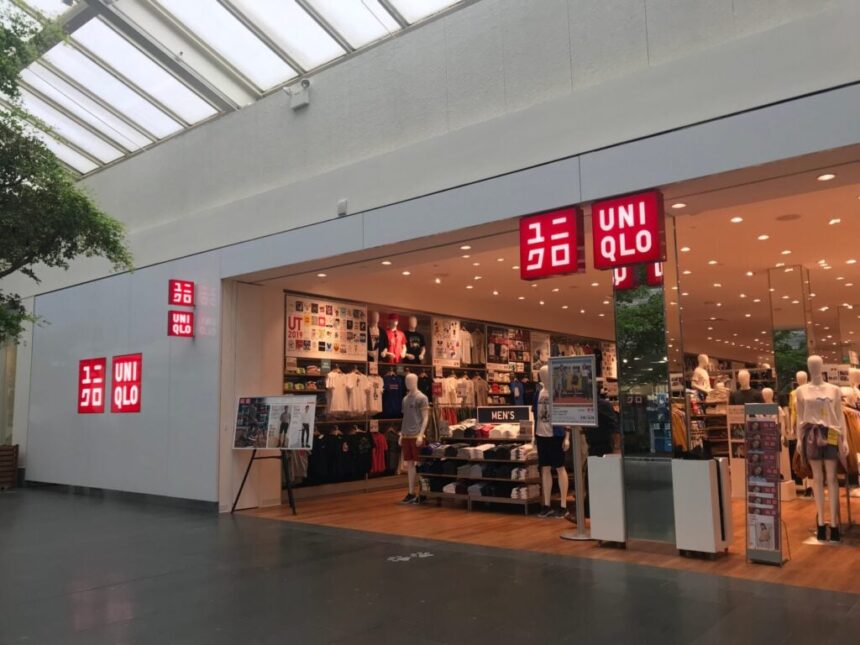
The calendar barely flipped to January and the retail sector already looks like it’s in triage. Department stores are collapsing, coffee chains are trimming the fat, and pharmacy giants are quietly closing locations — all before Valentine’s Day sales even kick in.
According to Daily Mail, which reviewed Coresight Research data, more than 8,000 chain retail stores in the U.S. permanently closed in 2025, a roughly 12 % increase from the prior year and the highest annual total on record.
Northwood Retail president Ward Kampf, told Daily Mail that “America has been over‑retailed,” meaning the number of physical locations built over past decades now exceeds sustainable demand. Retail analyst Neil Saunders told Daily Mail that many companies are now pruning store networks to improve profitability and concentrate on stronger markets rather than chasing growth.
Don’t Miss:
Closures are hitting across categories. Department stores, mall tenants, party chains, and apparel brands are all pulling back. Macy’s announced plans to shutter 14 underperforming stores across 12 states, calling it a strategic move to streamline its real estate footprint and focus on digital growth.
Even luxury hasn’t been spared. Saks Global, parent company of Saks Fifth Avenue, filed for Chapter 11 bankruptcy protection earlier this month. The company announced operations would continue at Saks, Neiman Marcus, and its other brands during restructuring, backed by $1.75 billion in financing.
Starbucks also began reworking its footprint after closing more than 400 locations last year. CEO Brian Niccol said the closures were tied to underperforming stores that weren’t meeting customer expectations — part of a broader push to shift resources into high-volume formats like drive-thru and mobile order hubs.
Trending: Blue-chip art has historically outpaced the S&P 500 since 1995, and fractional investing is now opening this institutional asset class to everyday investors.
Other chains, including Party City and Joann’s, slashed store counts after bankruptcy filings. GameStop and Foot Locker continue planned downsizing amid strategic pivots. CVS, Claire’s and Torrid are scaling back, though not exiting entirely.
Meanwhile, some value-focused chains are still expanding. Dollar General plans to open 450 new U.S. stores this year, with a strong focus on rural areas. Walmart, which saw its stock climb 25%, continues to invest heavily in logistics and delivery. Analysts say low prices and a steady demand for essentials are helping these retailers stay ahead as others contract.
The ongoing closures come against a broader backdrop in official data on retail activity. According to the U.S. Census Bureau, e‑commerce sales in the third quarter of 2025 reached an estimated $310.3 billion, accounting for about 16.4 % of total U.S. retail sales when adjusted for seasonal variations.
This figure reflects continued growth in online channels even as the majority of overall retail transactions still occur in person. Analysts describe this as part of a longer journey toward hybrid shopping patterns where consumers blend digital browsing with physical fulfillment or vice versa.
At the same time, broader monthly retail sales reports from the Census Bureau show total retail and food services sales growing more modestly, with nonstore retail categories continuing to outpace many traditional store formats.
See Also: This investment firm leverages expert insights and a $1.85 billion track record to help accredited investors capitalize on 2026 multifamily market trends—read the full forecast now.
Some observers point to the pandemic as a turning point for retail, accelerating online sales and shifting consumer preferences. But retail observers told Daily Mail that the story is more complex.
Saunders argued that many closures stem from business fundamentals such as excess debt or operational challenges rather than e‑commerce alone. “Many of the closures are not related to online — they are related to business issues like excess debt or poor operations,” he said.
That distinction matters because it suggests that store closures reflect internal strategic failures as much as changes in consumer behavior.
Independent surveys of consumer behavior indicate that a significant portion of shoppers still value in‑store experiences even as they increasingly use digital channels for research and transactions. While e‑commerce accounts for a growing share of the market, the majority of U.S. retail dollars continue to be spent in physical stores, particularly in categories where touch and immediacy matter.
This nuance is key: physical retail isn’t disappearing, but its role is evolving. Brands that succeed are those able to blend online and offline experiences, using physical locations for services, pickups, returns, and curated engagements rather than treating them as stand‑alone sales drivers.
Read Next: From Moxy Hotels to $12B in Real Estate — The Firm Behind NYC’s Trendiest Properties Is Letting Individual Investors In.
Image: Imagn
UNLOCKED: 5 NEW TRADES EVERY WEEK. Click now to get top trade ideas daily, plus unlimited access to cutting-edge tools and strategies to gain an edge in the markets.
Get the latest stock analysis from Benzinga:
This article 'America Has Been Over-Retailed'— Over 8K Stores Are Gone And Even Luxury Isn't Safe As Saks, Neiman Marcus, And Starbucks Start Slashing originally appeared on Benzinga.com
© 2026 Benzinga.com. Benzinga does not provide investment advice. All rights reserved.