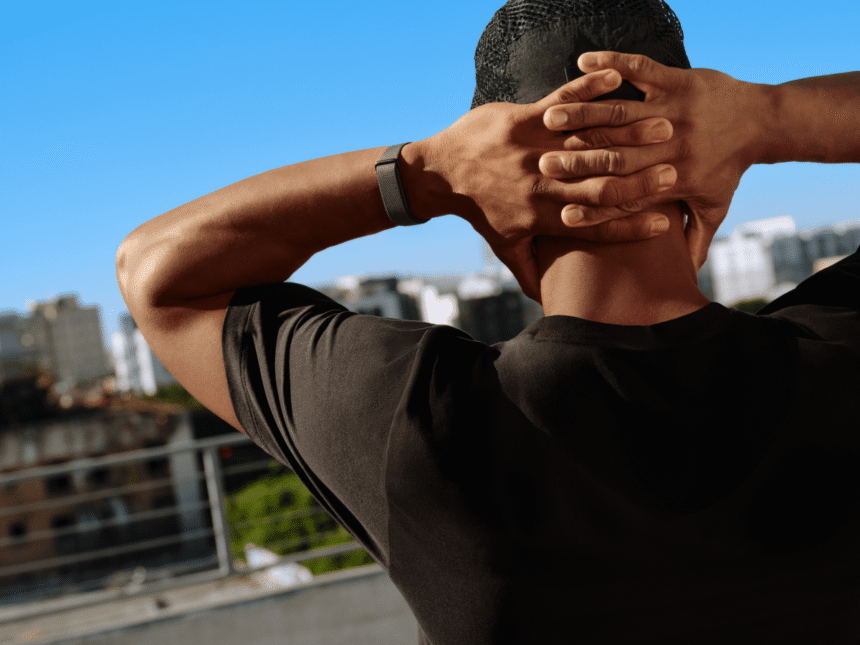
Fitbit Air: In summary
- The Fitbit Air features no display, and is a competitor to the Whoop Strap
- The device can provide detailed health and sleep tracking data
- Personalised, AI-driven advice provided via the all-new Google Health Coach app
- Priced at £84.99/$99.99, while additional watch bands cost $34.99 (UK price TBC)
We’ve known for quite a while now that Google was working on a new Fitbit device after confirmation last year, but there was a ton of speculation over what the wearable might look like. Would it be a sequel to an existing watch like the Fitbit Charge 6, or might it be something that takes the company in a completely new direction? Well, the Fitbit Air has finally been announced – and we have conclusive answers to these questions.
Without spoiling too much before we deep-dive into what the Fitbit Air is all about, the best way of thinking about the device is that it’s Google’s take on the Whoop Strap, which has been worn by some of the biggest names in sport and athletics, becoming the go-to fitness tracker for those who rely on staying fit and healthy for their profession.
For the average person, however, one of the biggest hurdles about Whoop is that it comes with a fairly high cost, starting at £169/$199 a year, so for those who might have been holding out for a cheaper alternative to hit the scene, the Fitbit Air fills that gap nicely. There are plenty of rumours about Garmin’s own Whoop competitor floating around, but Fitbit has beaten Garmin to the punch here.
Bear in mind that we still don’t know if the Air is the only device launching under the Fitbit brand this year, as there could be a more traditional option in the works to appeal to classic users. Stay up to date with all our news about the latest and greatest fitness trackers for any developments there, but for all you need to know about the Fitbit Air, just keep on reading.
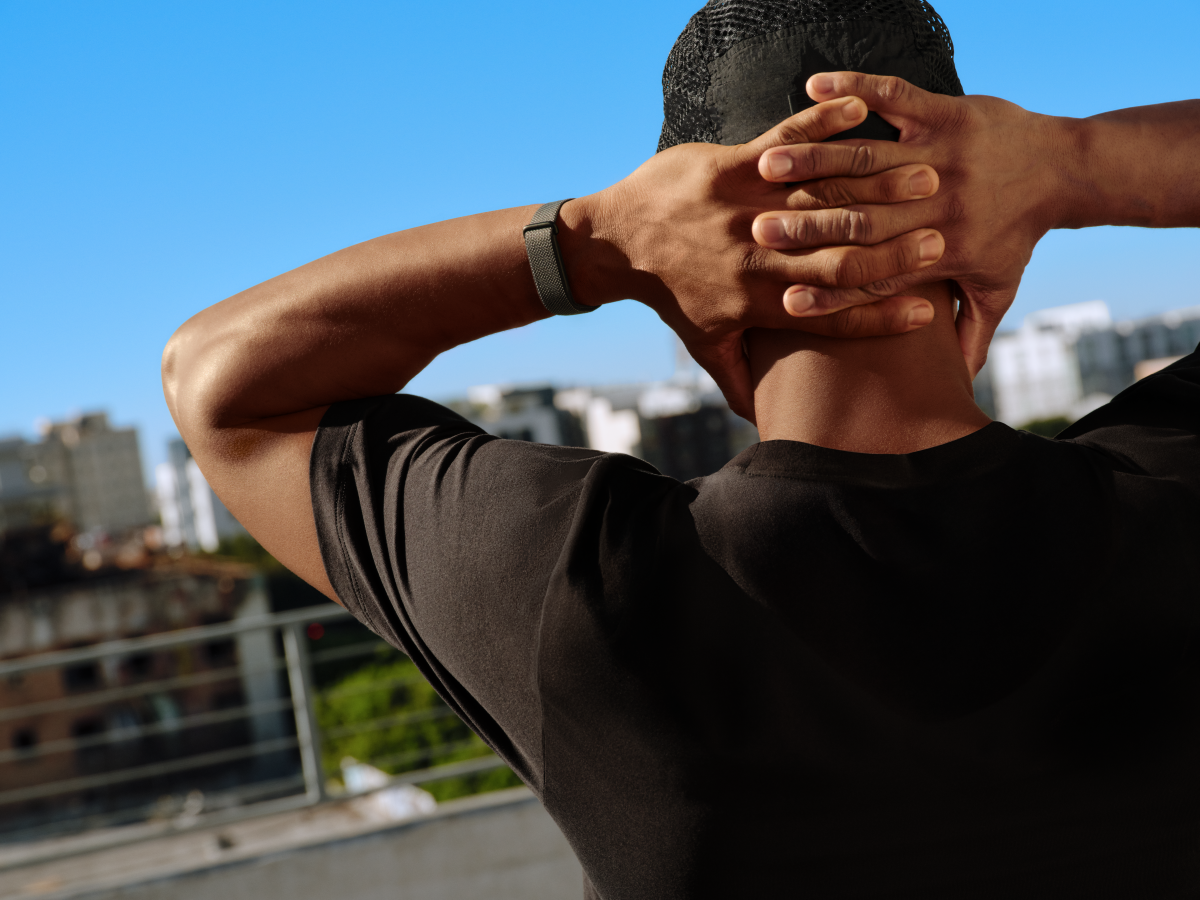
Fitbit Air: What’s new?
In summary
- Distraction-free fitness tracking, following in Whoop’s footsteps
- More powerful sleep tracking than any other Fitbit
- AI-driven insights provided by the all-new Google Fitness Coach app
- Additional features available via Google Fitness Premium
No screen and an all-new design
The first thing you’re sure to notice about the Fitbit Air is that it doesn’t look like any of the recent Fitbits we’ve come to expect. If anything, it brings back memories of fitness trackers such as the Fitbit Flex or the Jawbone UP24 as there isn’t a screen in sight. Unlike the latest Apple Watch or Galaxy Watch, you won’t be interacting with the Air as it comes, but rather that you’ll see all the data it has collected in the accompanying app on your smartphone.
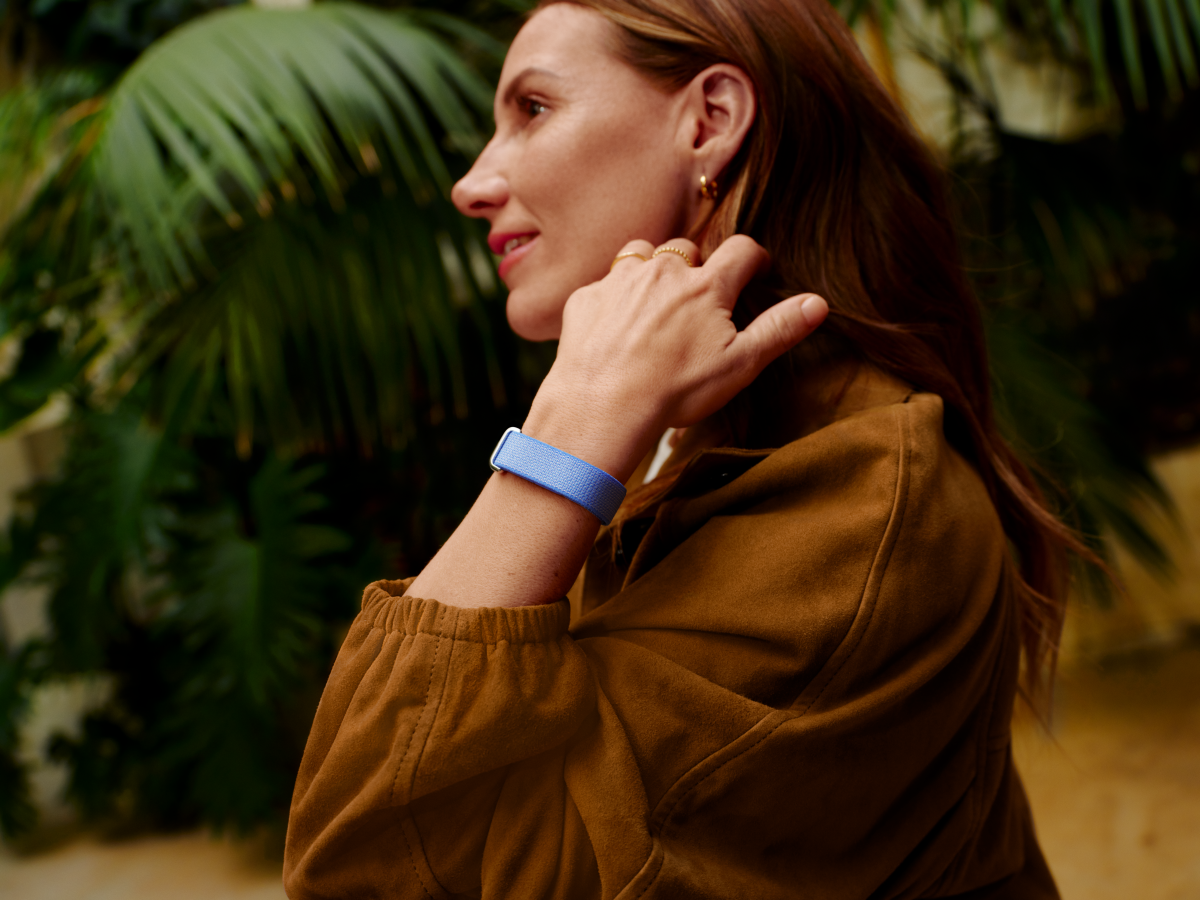
The idea is that this is a distraction-free way of keeping tabs on your health and fitness, doing away with simply giving you another screen to scroll away at. Because the Fitbit Air doesn’t have to accommodate a display, and the device itself sits away snugly in one of the eight watch bands to choose from (nine if you include the orange special edition that Steph Curry has been wearing), it’s able to take up less of a presence on your wrist.
The woven ‘Performance Loops’ in particular have been made with comfort in mind as the Fitbit Air is meant to be worn 24/7, so it can collect as much health data as possible. Unlike the Whoop Strap, however, which uses a clasp to stay in place, the Fitbit Air uses a more traditional buckle system with the active bands, while the performance loops opt for a velcro design that’ll be familiar to anyone who’s used the sport loops on the Apple Watch.
A more holistic approach to health tracking
Although the Fitbit Air can be used to track your workouts, it’s been developed as way of diving more deeply into your rest and recovery, so that in addition to keeping tabs on the type of workouts that have been completed, you can see what impact they had on your energy levels, what you can do to reclaim that energy before another session, and ways in which you might be able to improve the quality of your sleep to better affect your performance when you’re on the track or at the gym.
The Fitbit Air achieves all this through 24/7 heart rate tracking, which can pick up on key metrics like heart rate variability (HRV) – long been the core component of Whoop’s ecosystem, as it can indicate how well your body can adapt to different situations. This in turn can let you know whether your body is ready for another workout, or if you need to prioritise getting a nap or a good night’s sleep.
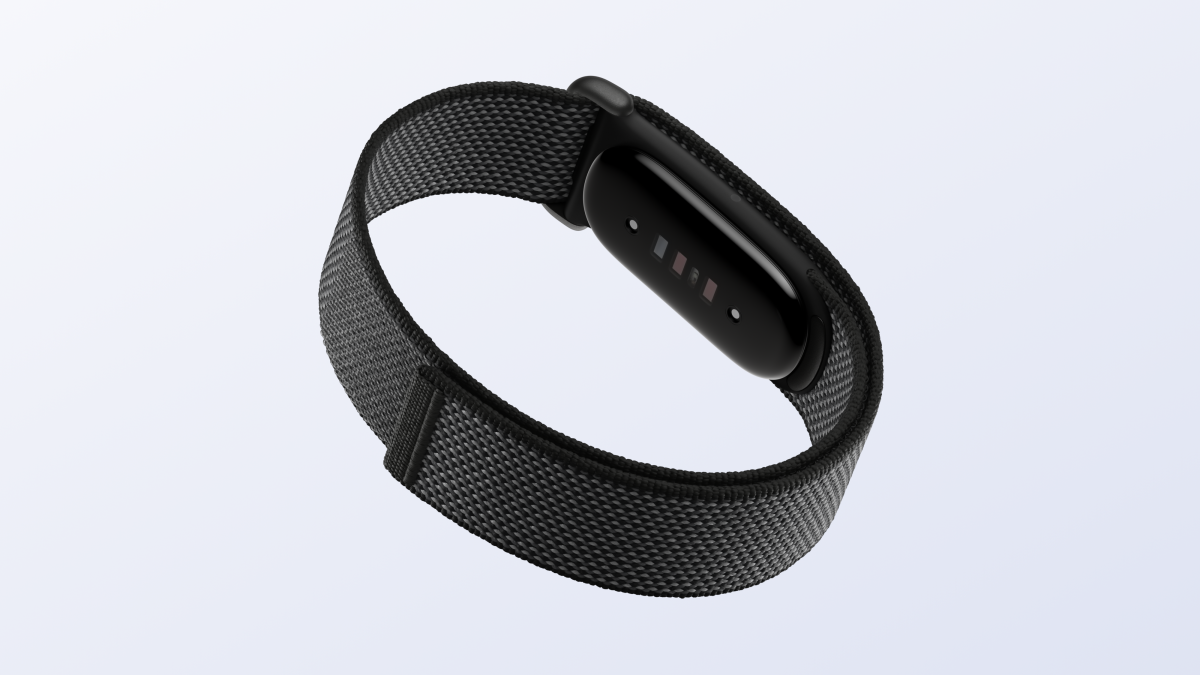
Credit: Google
With that in mind, the Fitbit Air goes one step further with sleep tracking. Not only will users be given more personalised data to better understand their circadian rhythm, but that data will supposedly be 15% more accurate than any previous Fitbit, according to Google. Of course, something like that is difficult to quantity but it does help to frame the difference between the Fitbit Air and a smartwatch like the Pixel Watch 4, which has Fitbit tracking built in.
The Fitbit Air can also track your step count throughout the day, and pick up on any instances of atrial fibrillation that might be cause for concern and worth following up with a medical professional. Speaking of which, Google has also designed a system wherein the data collected by the Fitbit can be easily shared with a medical professional, not too dissimilar to how Apple Health lets you export data into an easily readable spreadsheet.
Gemini-infused fitness coaching and a whole new app
In order to make the most of the Fitbit Air, Google has launched the device alongside a new accompanying app known as Google Health Coach, which replaces the Fitbit app entirely. Although the Fitbit app did include some AI integration, the Google Health Coach has been built from the ground up with Google Gemini at its heart .
With the Fitbit Air, the Google Health Coach can provide tailor-made advice based on the data collected, so it’ll almost be like having a direct line to a personal trainer at any time of day. It can also help to spot trends in your data, such as a downward turn in sleep quality or the amount of steps you’ve been getting, so you can be proactive in changing things.
Seven-day battery life and a proprietary charger
Even though it’s quite a small device, because it doesn’t have to worry about powering a display, the Fitbit Air is able to run for a quoted battery life of up to seven days on a single charge. Although that’s the same battery life as the Fitbit Charge 6, that’s a larger device, and it still outdoes the roughly one- to two-day battery life of smartwatches from Apple and Samsung, giving you one less thing to charge on a daily basis.
There is a proprietary charger designed for the Fitbit Air, however, so you won’t be able to use any of the existing charging cables you might have from previous Fitbit wearables.
Credit: Google
When is the Fitbit Air release date?
In summary
- Pre-orders go live 7 May
- Full launch on 26 May
The Fitbit Air is available to pre-order from 7 May, before a general release on 26 May.
According to Google, although the standard performance loops and active bands will be available in all countries where the Fitbit Air is launching, the Steph Curry-inspired special edition will only have a limited release in specific territories.
How much does the Fitbit Air cost?
In summary
- $99.99 price tag
- Extra bands cost $34.99
The Fitbit Air is available to buy for £84.99/$99.99. Each additional band will be priced at $34.99 (and likely £34.99).
To sweeten the deal, Google is offering three months of Google Health Premium (previously Fitbit Premium) at no extra cost if you pre-order the Fitbit Air before 26 May, saving you about $30. Having access to Google Health Premium will provide a wider array of coaching features, something that will no doubt appeal to those who want as much data as they can pore over.

Credit: Google
Fitbit Air FAQ
What is the Fitbit Air?
The Fitbit Air is Google’s first attempt at a wearable fitness tracker that doesn’t have a screen – positioned as a direct competitor to the Whoop Strap.
What is the price of the Fitbit Air?
The Fitbit Air is priced at £84.99/$99.99, with further global pricing yet to be announced.
When is the Fitbit Air coming out?
The Fitbit Air is available to pre-order from May 7, before going on general sale on 26 May.
Why does the Fitbit Air not have a screen?
The Fitbit Air is designed to be a non-distracting fitness tracker, so you can focus on your workout performance and recovery.
How long does the Fitbit Air last?
The Fitbit Air can run for up to seven days on a single charge.