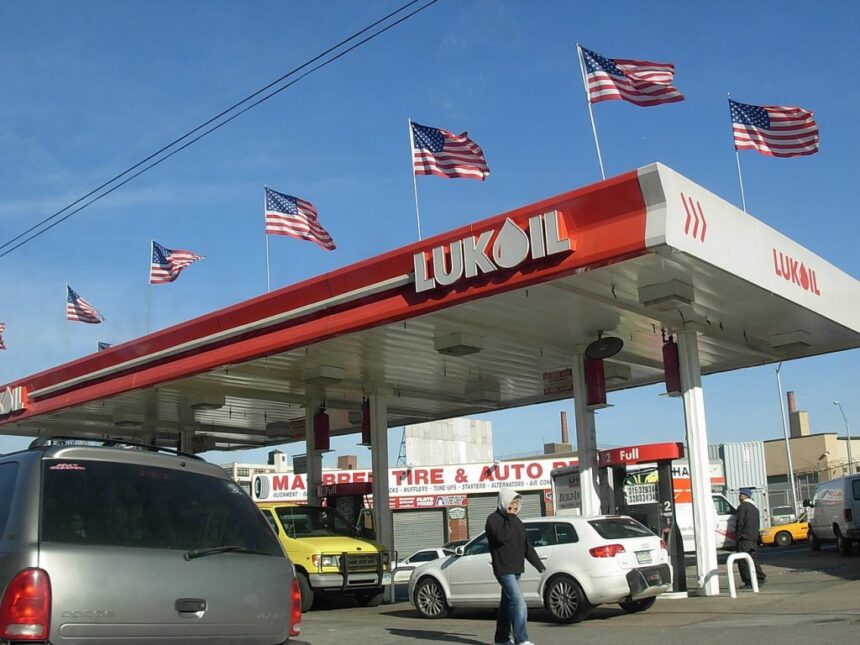
New York drivers, there may finally be light at the end of the tunnel.
After weeks of watching pump prices climb past $4 a gallon and stay there, a sudden shift happened Tuesday night that could start reversing the pain — and fast. President Trump announced a two-week ceasefire with Iran, and within hours, crude oil prices plunged more than 15%. For New Yorkers who have been paying among the highest gas prices in the country, the timing could not have come soon enough.
What happened — and why it matters for your wallet
Oil prices plunged on Wednesday in the hours after the U.S. and Iran announced the ceasefire, with U.S. crude falling around 15% to about $95.50 a barrel.
That is a dramatic drop — but it still leaves oil well above the pre-war price of around $67 a barrel, which is why analysts are cautiously optimistic rather than celebrating.
The key question for New York drivers right now is: when does that drop actually reach the pump?
AAA fuel analyst Bryan Jajkowski said the change is not instant. “There is a little bit of a delay by the time everything happens. If crude goes down today, you’ll probably see a little bit of a decrease next week at the pump.” He added that if there is a dip in gas prices, New Yorkers could see a slight decrease this weekend or the beginning of next week.
The numbers: how much could you actually save?
GasBuddy petroleum expert Patrick De Haan said prices at the pump could start dropping as soon as this weekend, although the decline could initially amount to only a few cents per gallon. “If the situation holds and it doesn’t worsen, the national average probably has enough room to make a run at falling back below the $4 gallon mark,” he said. “But it would probably take a couple of weeks for us to get there.”
Bigger relief may come by the end of the month. University of Tennessee business economics professor Timothy Fitzgerald forecast a drop of 50 cents as soon as the end of April. For a New York driver filling up a 15-gallon tank, that would mean saving roughly $7.50 per fill-up — real money after weeks of paying above $4.
The catch — and it’s a big one
There is another factor slowing the price drop that most drivers don’t know about: gas station owners paid much more for the fuel currently sitting in their tanks. As economist Wayne Winegarden explained, their margin costs have gone down — but first they have to sell through their expensive existing supply before those savings get passed along.
There is also the bigger geopolitical wildcard. Iran announced it was closing the Strait of Hormuz again on Wednesday in response to ongoing Israeli attacks in Lebanon, and shipping firm Maersk said the ceasefire “may create transit opportunities, but it does not yet provide full maritime certainty.”
De Haan also warned that any drop in gas prices could quickly reverse if the ceasefire deal unravels. “If there’s an abrupt halt or re-escalation, the decreases will stop, and prices could start to trend back up again.”
Bottom line for New York drivers
Watch for small drops of 1 to 3 cents per day starting this weekend. The national average could fall below $4 per gallon within one to two weeks if the ceasefire holds — and New York, where prices have been running higher than most states, stands to benefit significantly if it does.
The war cost you over a dollar per gallon. Getting it back won’t happen overnight — but this week, at least, the direction finally changed.
Sources: AAA, GasBuddy, ABC News, CBS News, NY State of Politics, The National News Desk — April 8–9, 2026