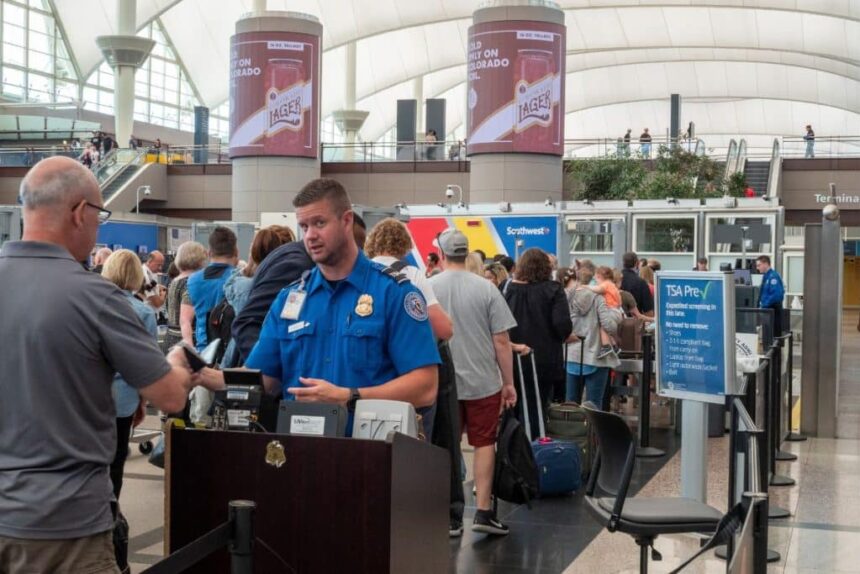
The Trump administration has ordered the deployment of Immigration and Customs Enforcement (ICE) agents to major U.S. airports, a move intended to ease mounting pressure on airport security operations during an ongoing Department of Homeland Security (DHS) funding impasse.
The decision comes as travelers face hours-long security lines and federal workers continue without pay, raising operational and political tensions nationwide.
Government Shutdown Strains Airport Security
The deployment follows a prolonged budget stalemate in Congress that has left hundreds of thousands of DHS employees—including Transportation Security Administration (TSA) agents—working without pay. As staffing shortages worsen, airports across the country have experienced severe delays.
At major hubs such as Hartsfield-Jackson Atlanta International Airport and John F. Kennedy International Airport, wait times have stretched up to six hours, with passengers missing flights and crowd management becoming increasingly difficult.
Sen. Lisa Murkowski (R-Alaska) voiced concern over the policy, warning that introducing additional federal agents could inflame an already tense environment.
ICE Agents to Assist, Not Replace TSA
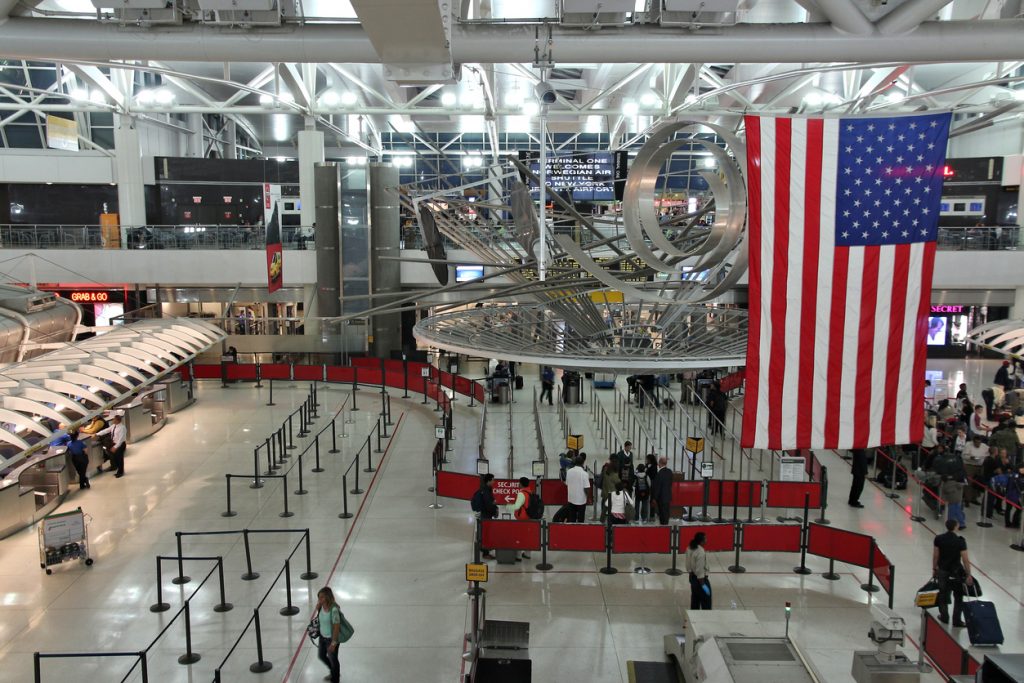
According to administration officials, ICE officers will not perform core aviation security screening functions, such as operating X-ray machines. Instead, their role will focus on support tasks including crowd control, monitoring exit lanes, and checking passenger identification.
White House border czar Tom Homan, who is overseeing the initiative, described the deployment as a force multiplier for overstretched TSA personnel.
The Department of Homeland Security confirmed that “hundreds” of ICE agents are expected to be deployed, prioritizing large airports experiencing the longest delays.
Local officials, including Atlanta Mayor Andre Dickens, emphasized that the agents’ presence is not intended for immigration enforcement activities, but strictly to assist with airport operations.
Labor Unions and Critics Push Back
The plan has drawn sharp criticism from labor organizations and some lawmakers. Everett Kelley, president of the American Federation of Government Employees, condemned the move, arguing that ICE agents lack the training required for aviation security roles.
Critics also warn that the visible presence of armed immigration officers could heighten anxiety among travelers, particularly amid broader debates over federal immigration enforcement practices.
Political Deadlock Continues
The deployment underscores the broader political standoff in Washington. Democrats have signaled willingness to fund DHS operations but are demanding reforms to immigration enforcement policies, while Republicans have resisted those conditions.
Senate Majority Leader John Thune acknowledged ongoing բանակցations but offered little clarity on a resolution timeline.
Meanwhile, President Donald Trump defended the move, stating it would “help our wonderful TSA Agents” and reduce travel disruptions, while also applying pressure on Democrats to end the shutdown.
Travelers Face Continued Uncertainty

For passengers, the immediate impact remains uncertainty. Transportation Secretary Sean Duffy highlighted the unpredictability travelers now face when planning airport arrivals.
“Do I have to come an hour and a half early? Do I have to come four hours early? They don’t know,” Duffy said, underscoring the operational strain.
As deployment begins, aviation experts note that while supplementary personnel may provide short-term relief, the long-term solution depends on resolving the funding impasse and restoring full staffing levels within TSA.
Sources:
APNews: https://apnews.com/article/ice-airports-tsa-shutdown-2026
NYTimes: https://www.nytimes.com/2026/03/23/us/politics/ice-tsa-airports-shutdown.html