The global travel landscape has shifted dramatically over the last 24 hours. Driven primarily by a rapidly escalating situation in the Middle East, the U.S. State Department has just released a massive wave of security updates.
Overnight, officials issued 12 urgent embassy alerts and elevated two major countries to Level 3: Reconsider Travel status, triggering ordered evacuations for U.S. personnel.
If you are currently abroad or heading to the airport this week, here is the unfiltered, ground-truth breakdown of what you need to know to navigate these disruptions safely.
Major Travel Advisory Upgrades
The State Department has officially ordered the departure of all non-emergency U.S. government employees and their families from two major Middle Eastern hubs.
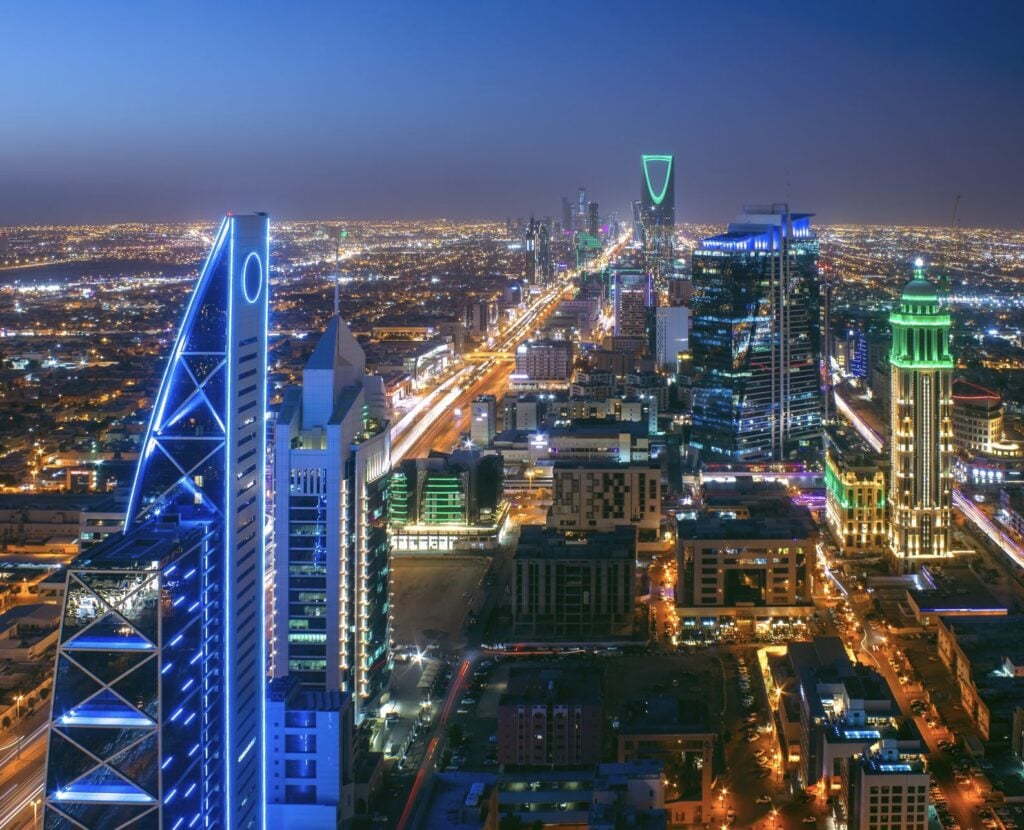
- Saudi Arabia (Level 3): The country is facing active drone and missile strikes targeting civilian and energy infrastructure. The Embassy has explicitly warned that hotels and shopping malls are potential targets. Furthermore, the borders near Yemen and Qatif remain strictly at a Level 4 (Do Not Travel).
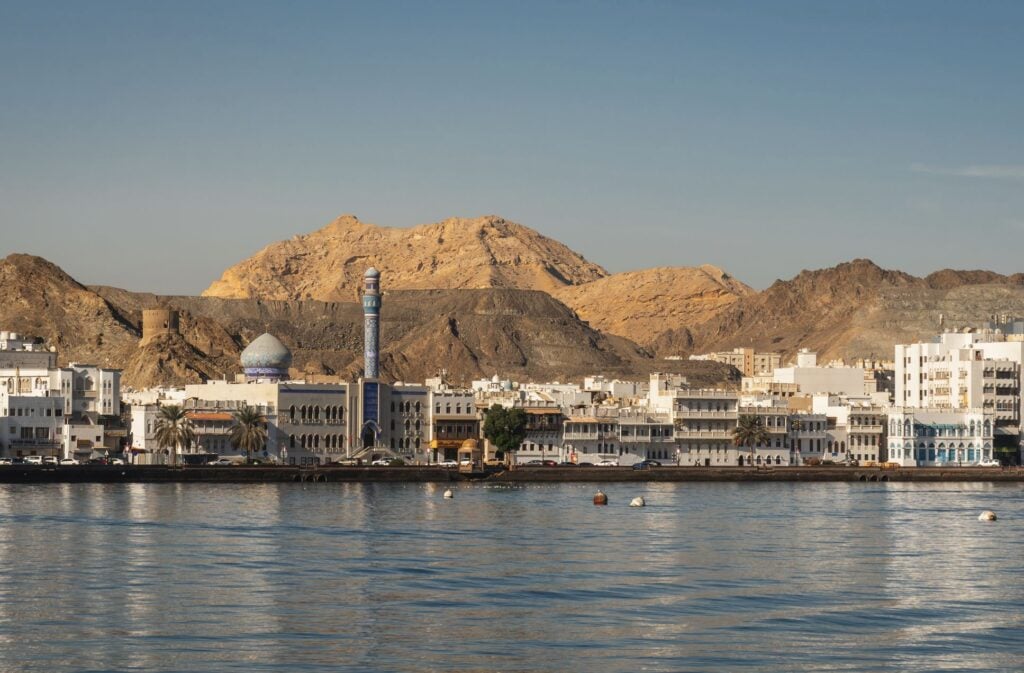
- Oman (Level 3): Due to the direct risk of regional armed conflict and severe commercial flight disruptions, non-emergency personnel have been ordered to leave. The Yemen border area remains a strict Do Not Travel zone.
- (Note: Finland also received a routine Travel Advisory update and remained at Level 1, but this was purely administrative with no new threats).
The Middle East: Evacuations & Border Closures
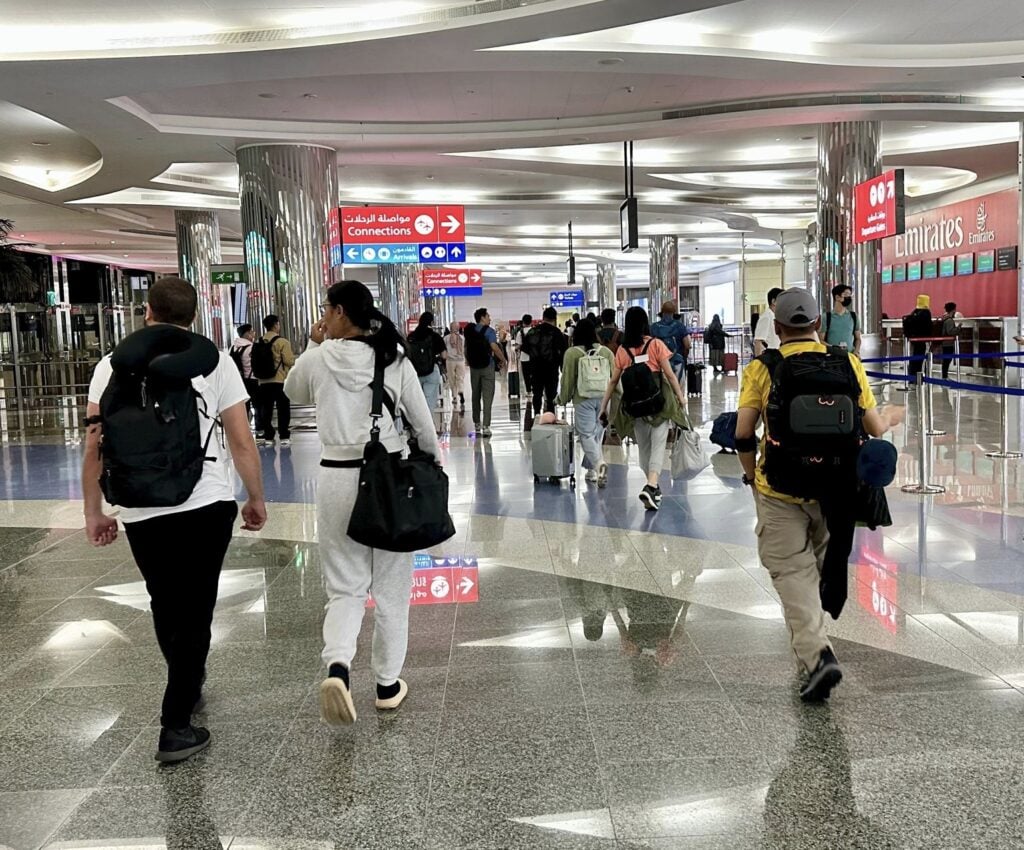
The 12 new embassy alerts heavily focus on extracting citizens from the Middle East. Commercial airspace is severely compromised, forcing travelers into strict overland routes or government-assisted flights.
Flight Evacuations & Strict Rules
- Israel & Qatar: The State Department is coordinating limited assistance flights for Americans who have completed the crisis intake form. If you secure a seat out of Ben Gurion Airport (Israel), there is a strict new baggage limit: one bag (23 kg max) and one personal item. You must choose between bringing a carry-on or a stroller/car seat.
The live Traveler Safety Index for Isreal has plummeted to its lowest score of 27 meaning travelers do not feel safe.
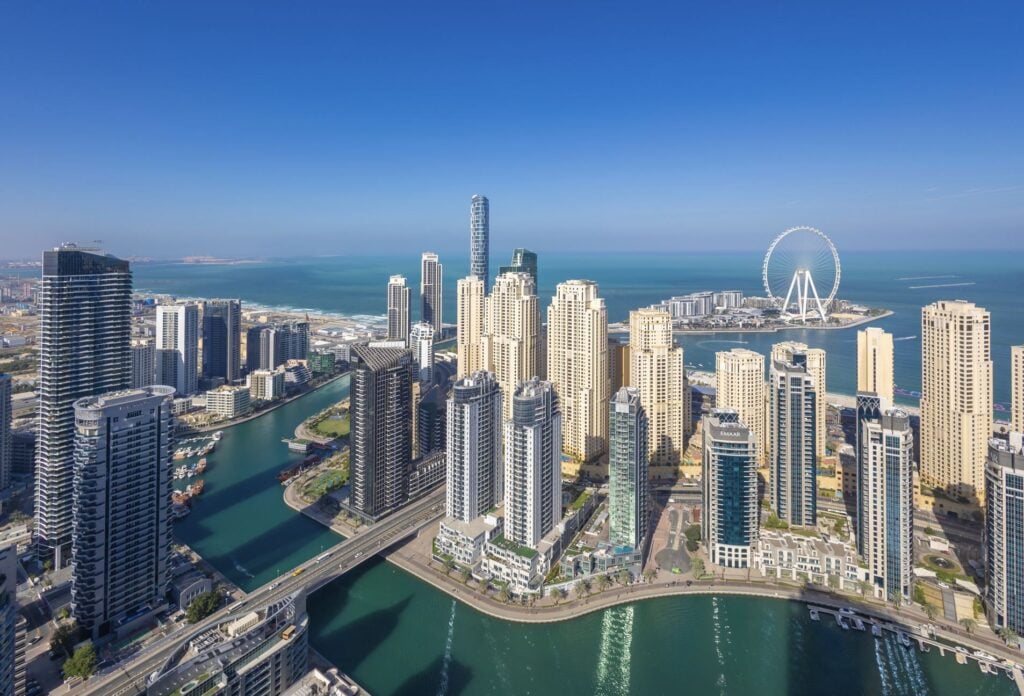
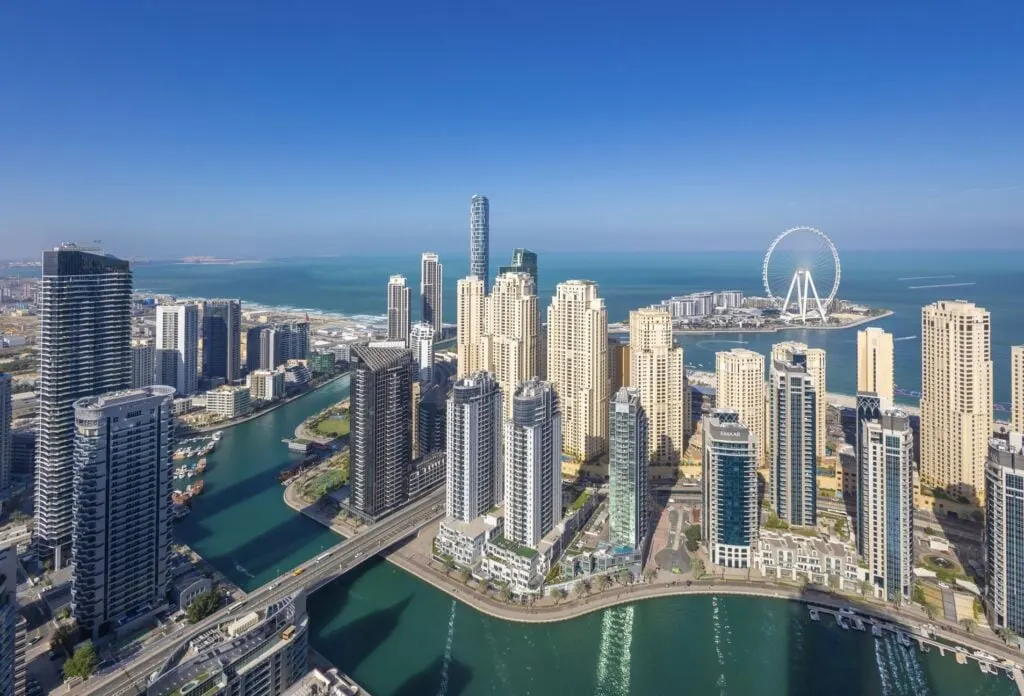
The live Traveler Safety Index for Dubai has dropped to 52.
Overland Border Bottlenecks
- Kuwait: Commercial flights are completely suspended. The only way out is overland to Saudi Arabia. You absolutely must download and use the “Sahel” app to secure a mandatory exit permit before reaching the border.
- Iran: The U.S. Virtual Embassy warns that land borders with Turkey and Armenia are experiencing massive bottlenecks and could close without notice. Border agents are allegedly demanding escalating, unannounced “exit fees” in cash.
- Iraq: The International Zone in Baghdad is closed due to violent riots at the July 14th Bridge and Tahrir Square. With airspace closed, travelers must evacuate overland to Jordan, Kuwait, Saudi Arabia, or Turkey.
Strict Shelter-In-Place Orders
If you cannot safely reach an extraction flight or open land border, embassies in Bahrain, Qatar, Kuwait, Iraq, and Iran are maintaining strict shelter-in-place directives. Bahrain has notably banned all public gatherings on roads and squares.
Global Alerts
Travelers are urged to check the Traveler Dashboard daily to see the most recent U.S. Embassy alerts, State Department Travel Advisories and real-time live safety scores for your destination.
The wave of alerts also included warnings for travelers outside of the Middle East due to geopolitical protests and local law enforcement operations.
- Italy (Rome): A massive demonstration regarding the Middle East conflict is planned for today, March 14. It will begin at Piazza della Repubblica at 2:00 PM and conclude at Piazza di Porta San Giovanni at 8:00 PM. Expect heavy police presence and severe traffic disruptions.
The live Traveler Safety Index for Italy is currently at 75.
- Bolivia (Santa Cruz/La Paz): A high-profile fugitive, Sebastián Marset, has been arrested in Santa Cruz. The U.S. Embassy warns of a very heavy police and military presence. Avoid the area around the FELCN headquarters entirely.