The security situation across the Middle East continues to deteriorate at a rapid pace, forcing the U.S. State Department to drastically escalate its warnings to American travelers. On Monday, March 9, 2026, a fresh wave of 12 urgent security alerts was blasted out by U.S. Embassies across the region.
This latest update paints a severe picture of the reality on the ground. Airspace closures are expanding, overland borders are becoming the only viable escape routes for thousands of stranded tourists, and for the first time in this conflict, the crisis has spilled into Türkiye.
If you or your loved ones are currently in the region, the operational window to depart safely is closing. Here is the exact breakdown of the 12 new alerts, the status of commercial aviation, and the immediate steps travelers must take today.
The New High-Risk Evacuation Zone
The most significant escalation in the March 9 update is the inclusion of Türkiye, signaling a massive geographic expansion of the threat area.
- Türkiye: The State Department has officially ordered the immediate departure of all non-emergency U.S. government employees from the U.S. Consulate General in Adana. Citing severe safety risks and the active threat of Iranian missile attacks, all Americans located in southeast Türkiye are strongly encouraged to evacuate the area immediately. The Adana consulate has completely suspended all services. This is a rapidly developing high-risk zone, and travelers should not wait for further deterioration before moving west or departing the country entirely.
The Traveler Safety Index score has fell to 46 in the last 24 hours as of publishing.
The “No Flight” Zones: Full Airspace Closures
In nations where commercial aviation has been completely grounded, the State Department is heavily advising citizens to utilize overland border crossings while they remain viable.
- Iraq (Baghdad & Erbil): A strict, full shelter-in-place order remains active. Commercial flights are fully suspended. The U.S. Embassy in Baghdad and the Consulate General in Erbil are effectively locked down due to ongoing riots and severe threats. Travelers are strictly ordered not to approach diplomatic facilities. Overland routes to Jordan, Kuwait, Saudi Arabia, and Türkiye are currently open but remain subject to sudden, unannounced closures.
- Iran: Shelter-in-place is highly recommended. Commercial flights are fully suspended. While the Armenian land border and the Turkish land borders are open (the latter requiring a 60-day valid U.S. passport and advance notice), the Embassy has issued a stark warning: dual U.S.-Iranian nationals are at a massive risk of questioning, arrest, and extended detention if they attempt to flee.
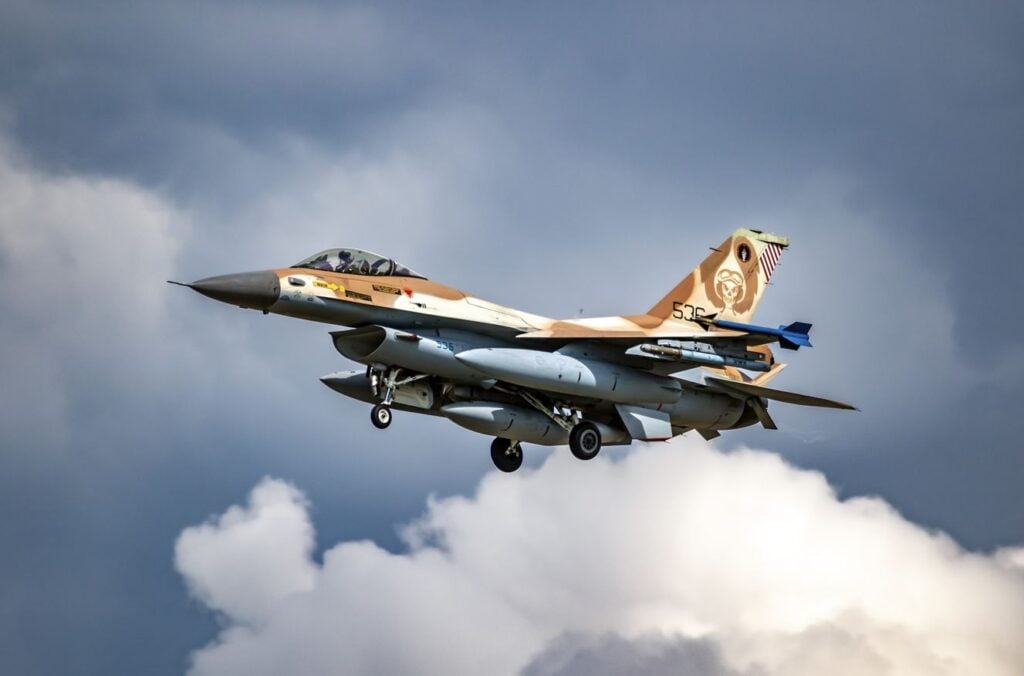
- Kuwait: Commercial flights remain completely suspended due to the active threat of incoming missiles and UAVs. The Embassy is advising a shelter-in-place protocol. Overland routes to Saudi Arabia are operational. Expatriates on specific visas must secure an automated exit permit via the Sahel app before attempting to cross the border.
- Bahrain (Manama): A full shelter-in-place directive has been issued. Americans are advised to remain inside secure structures and stay away from windows. The Embassy has explicitly warned citizens against filming or photographing any military or police installations. All routine consular services are suspended.
The Restricted Aviation Hubs
Airports in these nations are open, but under extreme restrictions. Do not travel to these airports without a confirmed, verified ticket.
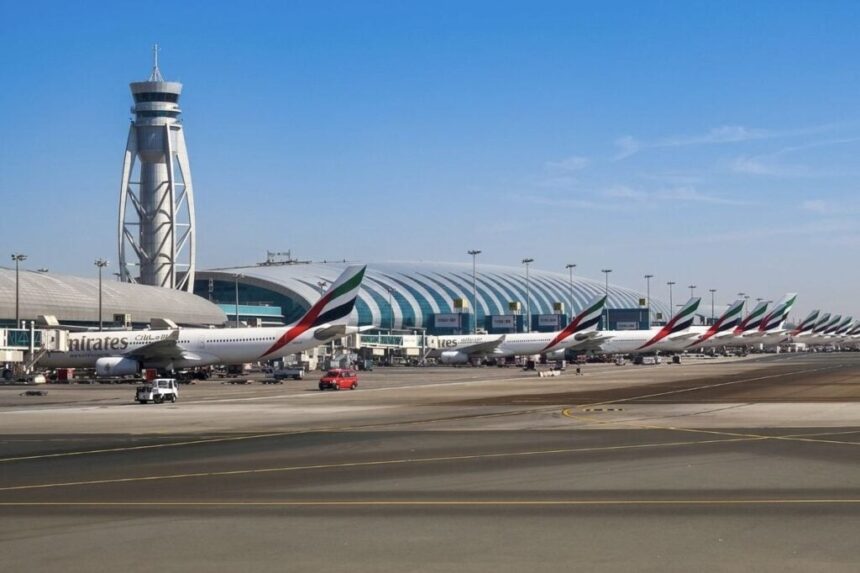
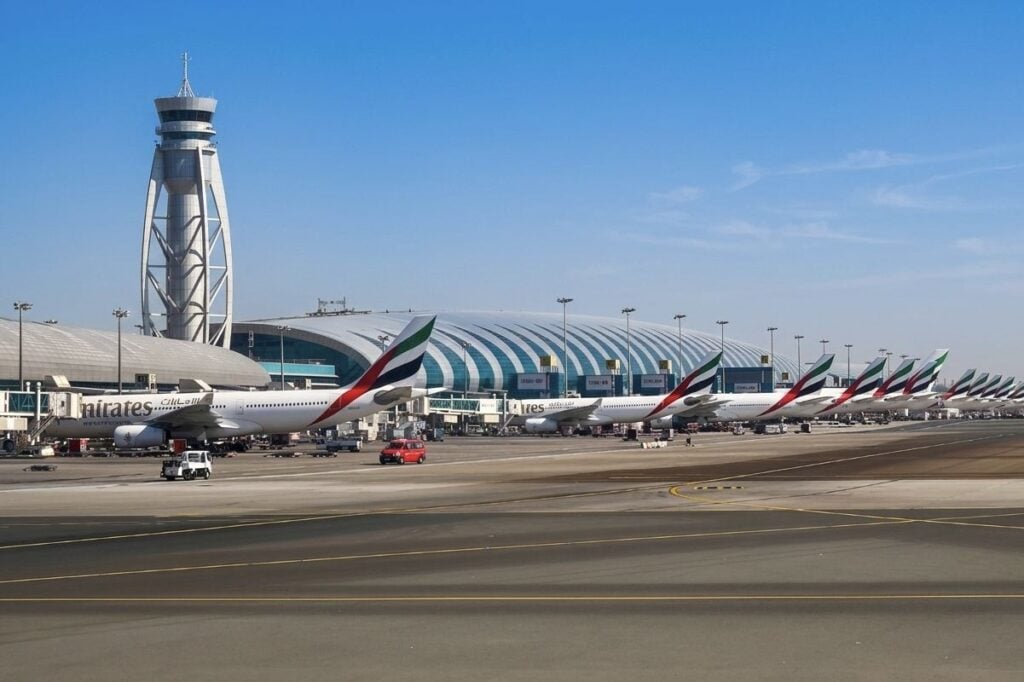
- United Arab Emirates (Abu Dhabi & Dubai): A full shelter-in-place order is active. The U.S. Mission has ordered citizens to remain indoors and explicitly not approach the embassy or consulate. Access to the airports in Dubai and Abu Dhabi is now strictly restricted to travelers holding confirmed tickets only. Overland escape routes to Oman and Saudi Arabia are open but experiencing massive, paralyzing congestion.
The Traveler Safety Index which measures real-time sentiment of travelers on the ground has fallen to 41 as of publishing.
- Israel, The West Bank, and Gaza: A shelter-in-place notification remains active. Ben Gurion Airport has managed to keep limited commercial flights operating via El Al, Israir, Arkia, and Air Haifa, alongside limited State Department assistance flights. The Taba land crossing into Egypt is open 24/7, and the U.S. Embassy is currently offering bus services to Taba for Americans needing emergency assistance.
Israel now has one of the lowest Traveler Safety Index scores in the world plummeting to just 26 percent of travelers feeling safe in the country based on a high confidence score.
Qatar’s Travelers Safety Index score has also shown a downward spiral to just 41 percent of travelers feeling safe.
- Lebanon (Beirut): Shelter-in-place is recommended if not actively departing. Middle East Airlines (MEA) continues to operate flights out of Beirut. While routine services are halted, the Embassy has resumed limited emergency passport services for those who have lost travel documents.
Two New Travel Advisories Issued By U.S. State Department
Turkey (Level 2): Despite maintaining a Level 2 advisory, the State Department ordered evacuation of non-emergency staff from Consulate Adana due to Iranian missile threats and designated 22 southeastern provinces as “Do Not Travel” zones. The advisory confirms that on March 4, NATO air defenses intercepted an Iranian ballistic missile heading into Turkish airspace. Americans in southeast Turkey are urged to depart immediately, and Consulate Adana has suspended all services – travelers must now contact Embassy Ankara or Consulate Istanbul for assistance.

Saudi Arabia (Level 3): The State Department upgraded its guidance on March 8, ordering all non-emergency U.S. government employees to depart – a significant escalation from the previous “authorized to leave” language. The advisory now explicitly warns of Iranian drone and missile targeting of American interests, advises against approaching U.S. Embassy or Consulate facilities, and notes that all consular services are suspended. Commercial flights continue operating from Riyadh, Jeddah, and Dhahran with occasional airspace pauses.
The Operational Corridors
These three nations are maintaining relatively normal commercial flight operations, serving as the primary evacuation hubs for the broader region.


- Saudi Arabia (Riyadh & Dhahran): Operating under a modified shelter-in-place. Commercial flights are actively flying out of Riyadh, Jeddah, and Dhahran, though travelers must expect significant cancellations and delays. Non-emergency U.S. government employees have been ordered to leave due to sustained missile and drone threats, and Americans are advised to avoid the U.S. Embassy and Consulate.
- Jordan (Amman): Commercial flights are operating out of Queen Alia International Airport. Multiple land borders with Israel, Syria, and Saudi Arabia remain open, as do ferry services to Egypt. The Embassy warns that Iran has previously targeted civilian locations, including hotels and airports, across the region.
- Oman (Muscat): A localized shelter-in-place protocol remains active near Duqm and Salalah. Oman continues to be a vital overland destination for travelers escaping the UAE.
Travelers actively stranded in the Middle East must prioritize situational awareness. Register immediately with the State Department’s Crisis Intake Form if you require evacuation assistance, and never attempt to travel to a closed U.S. Embassy for help.
You can check the latest US Embassy Security Alerts for your destination on the Traveler Dashboard.
You can read the two new travel advisories on the US State Department.