I’ve been living in Paris for the past half-decade, and I can’t tell you the number of times I’ve cringed internally eavesdropping on tourists at dinner table convos in Montmartre bistrots.
Usually it involves a dramatic retelling of their exciting “first day” in “Europe,” how the Mowna Lisaah is indeed small and unimpressive in real life, “can you AirDrop us those Eiffel Tower piccies?”, and how they’re actually in Fraaynce for only 3 days before hopping on the Eurostar out to London.
That’s France ticked off for some, I reckon.
I suppose I should cut them some slack for at least having paid the Louvre a visit instead of re-enacting the done-a-million-times, holding-the-tip-of-the-pyramid shot, but I can’t help feeling that if you say you’ve been to France and all you brought back home are Insta-perfect moments, then let’s face it:
You haven’t truly been to France.
Capitals are merely the tip of a much-larger iceberg, and gorgeous as Paris may be, when it comes to France as a whole, it’s not exactly representative of the wider country.
France is nothing short of the ultimate European state, where you get Northern and Celtic cultures up north, Germanic influences out East, majestic Alps, and Iberian and Italian-esque Mediterranean flair down South—not to mention overseas territories that aren’t even in Europe.
Being in Paris and calling it done and dusted is just making a numpty of yourself.
From your favorite jingoistic adopted Frenchie, here are 5 bucket list destinations in France everyone should visit at least once when they’re in the frog-eating heartland:
PLUS: I’ve built a quiz for you at the end of the article to find your perfect match, so stick around!
Paris

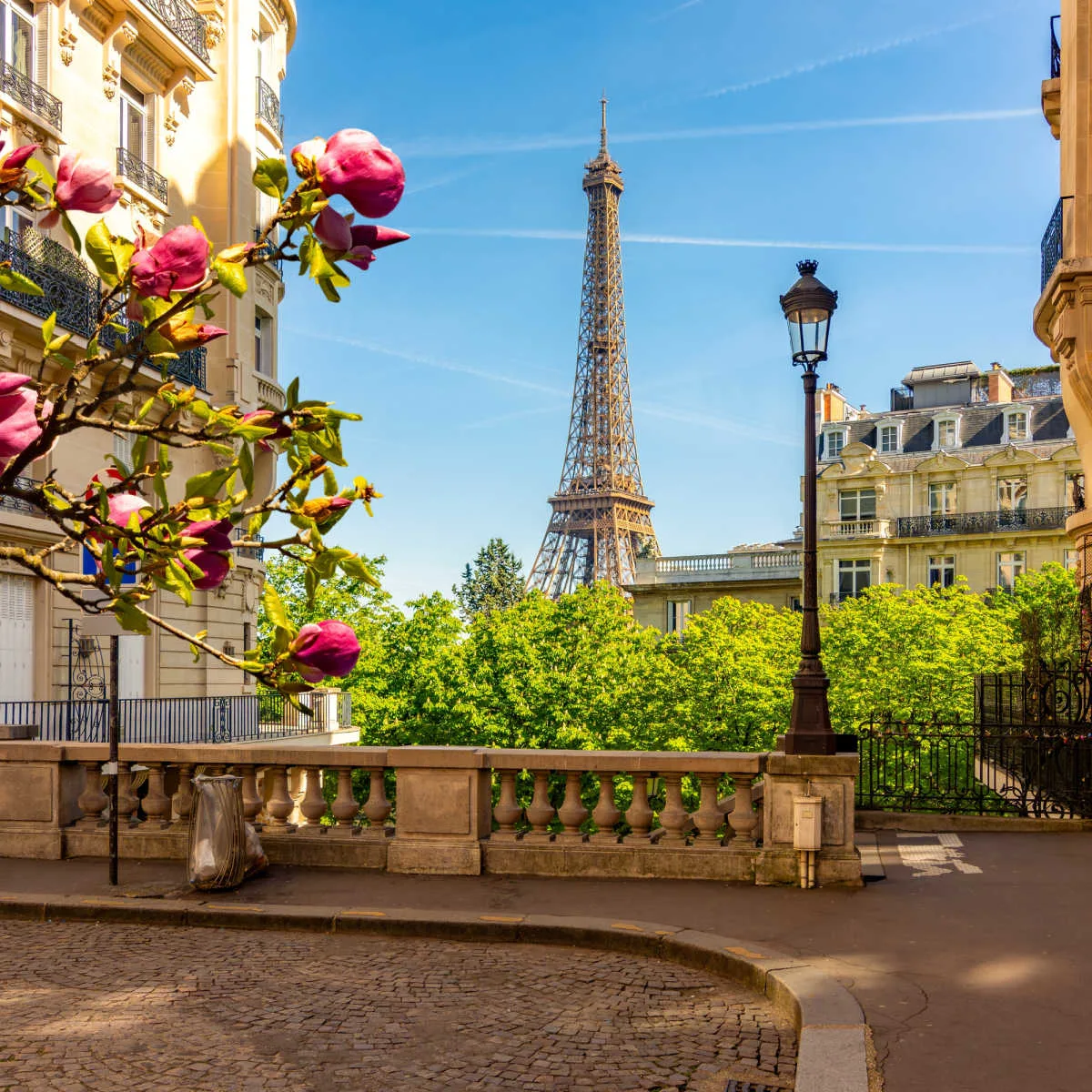
Because there’s no France without a little Eiffel moment.
Paris may be the most cliché, over-romanticized, over-photographed European city there is, but millions and millions of people flock into its Haussmann-designed boulevards year in, year out for a reason.
Naturally, you could find it underwhelming if the Paris you know is just selfie spots, overpriced croissants in the 5th arrondissement, and endless souvenir shops, but let me tell you about my Paris.
It involves waking up lazily in the largely-French-still 15th, grabbing a pain au chocolat in a café terrace while watching the ebb and flow of people and cars, then unhurriedly making your way to the verdant Jardin de Luxembourg, through a beautifully-designed city grid with wide streets lined with stunning fin-de-siècle edifices, and lying on the grass on a hot day for some summery, do-nothing bliss.

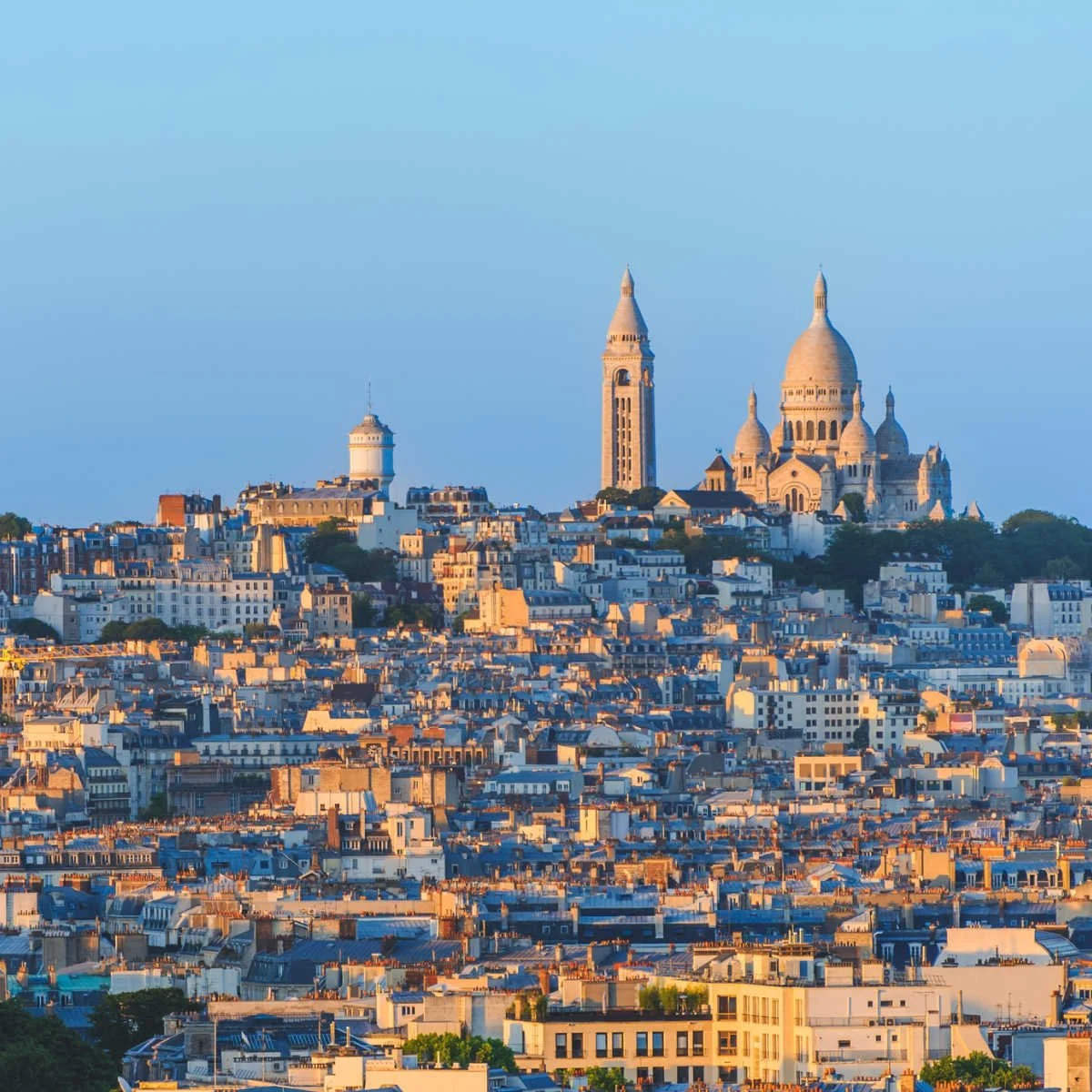
Once the idle get a little too indulgent, a quick stop by Saint-Germain-des-Prés to admire one of medieval Paris’ most beautiful frescoed churches, and an uncompromised browse through the Latin Quarter’s quirky librairies and record stores.
Then I might devour my jambon-et-chèvre baguette I got from the nearest Merci Jérôme outpost (make it a well-baked tradi, s’il vous plaît), sat on the ancient steps of Paris’ forgotten ‘colosseum’: the Arènes de Lutèce, an ancient-Roman-arena-turned-public park only a 10 min walk from the Panthéon.
Most tourists don’t know this is right under their bloody nose!
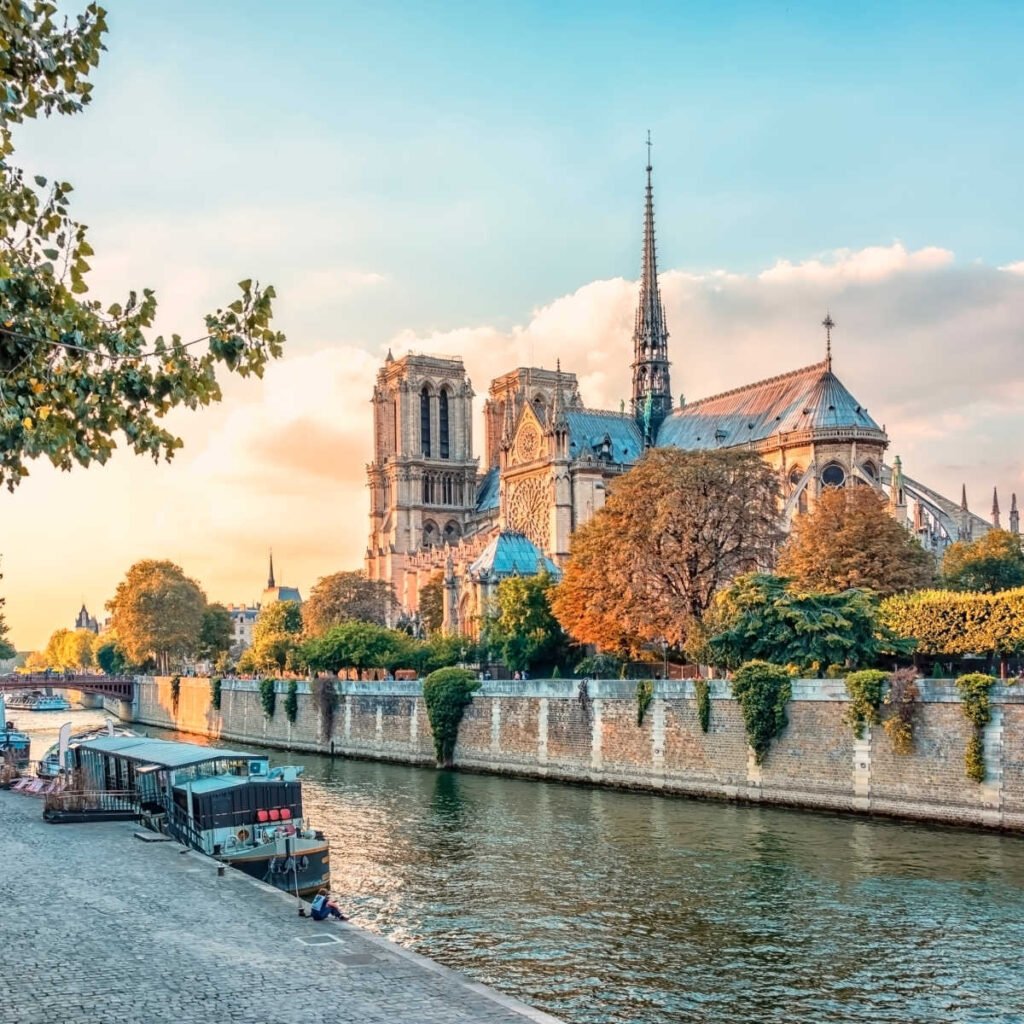
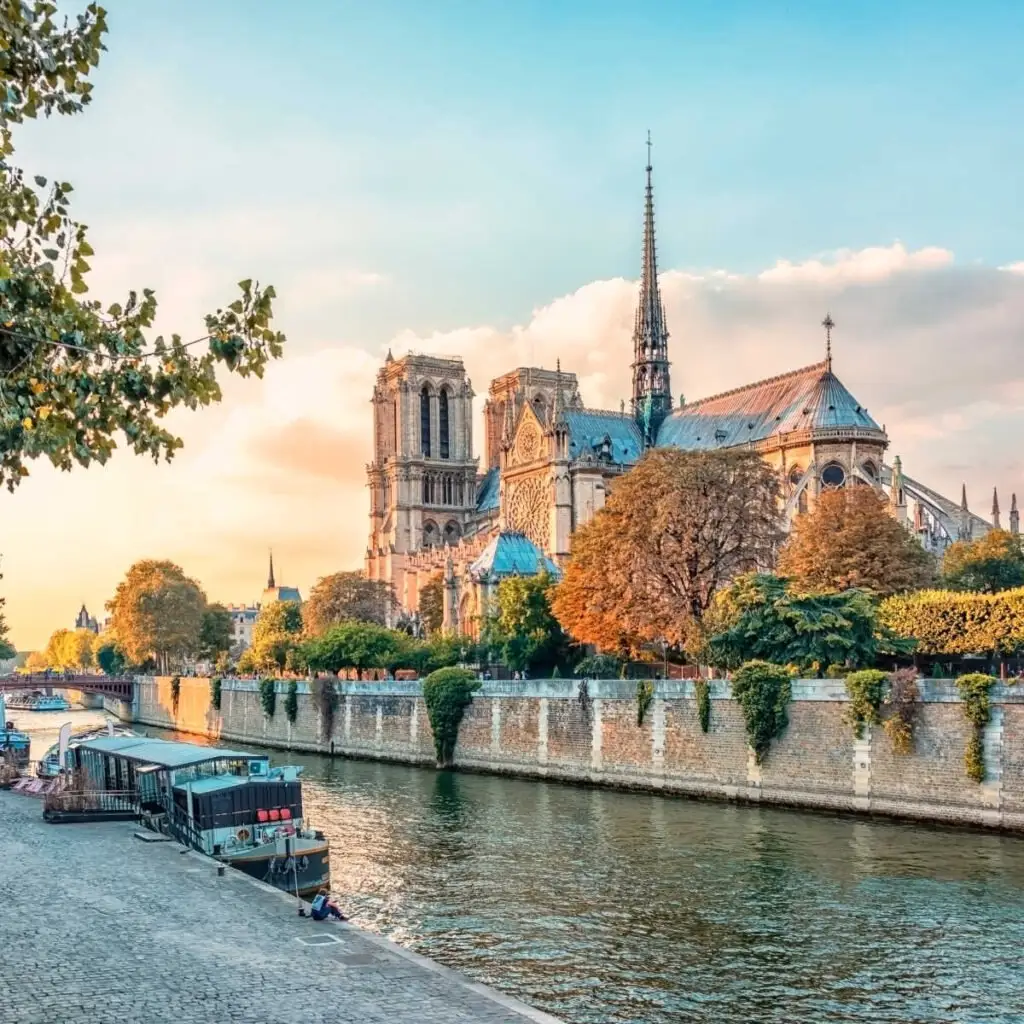
For sunset, I’d go up the equally-overlooked Tour Saint-Jacques, a skyline-piercer from the Middle Ages boasting epic 360°-degree views of central Paris and the winding Seine. Shall I continue?
Dinner would have to be at the Franco-Italian fusion culinary gem that is Dad’s Den in the maze-like Village Saint-Paul: best pesto gnocchi you’ll taste in your life (and let’s not pretend the main reason I go back there every weekend is I’ve made friends with their mischievous black cat).
Paris is a must-see on any visit to France, but if you do visit, make sure you do it justice. There’s just too much soul and historic gravitas beyond the surface-level Eiffel-centered itinerary. Savor it slowly, à la parisienne.


The Vibe: Stately architecture, beautiful parks, incredible food (if you know where to look for it).
Perfect For: a vibrant European city break.
The ‘Don’t Miss’ Experiences:
- Église Saint Germain des Prés: gorgeous medieval church with a starry ceiling and medieval frescoes.
- La Tour Saint-Jacques: for the best view of central Paris most tourists miss out on.
Saint-Pierre-et-Miquelon
From French Polynesia to the Caribbean Antilles, down to South America, and even remote territories in Africa and the South Pacific, France spans a whopping 12 time zones by virtue of its former colonies that are now fully (or in some way) a part of the country.
Now, just in case you were never geo-curious enough to look at a map of the wider France, let me draw your attention to this tiny dot just off the southern coast of Newfoundland in Canada:
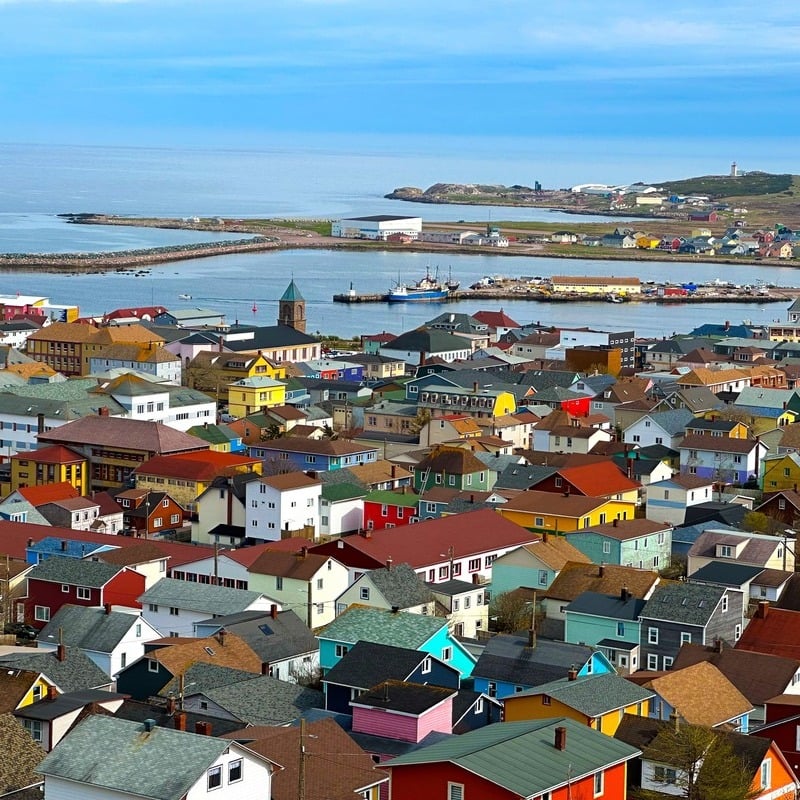
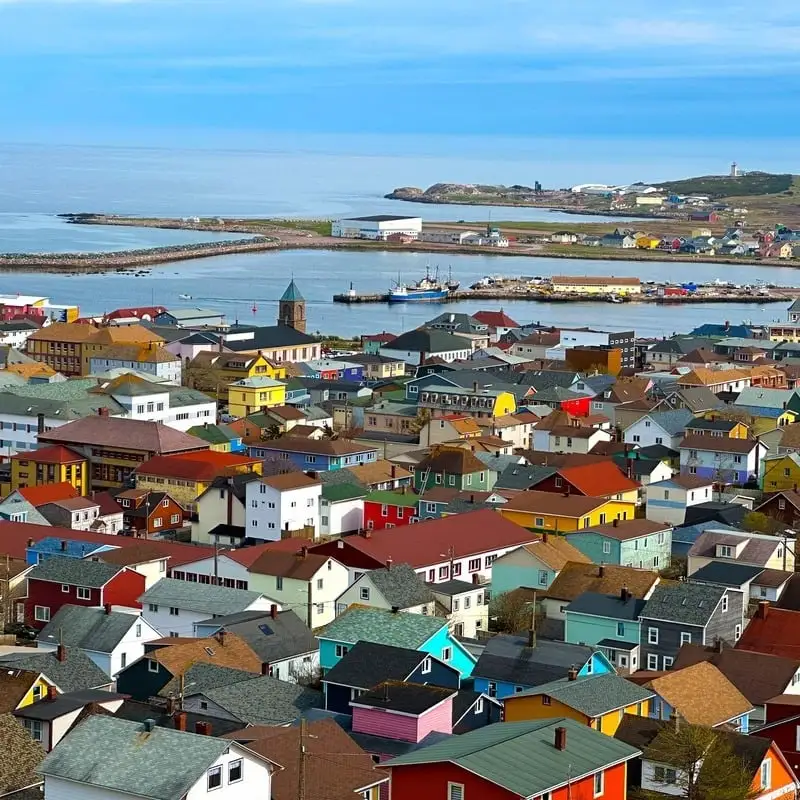
With rocky coastlines, rolling hills, and sleepy villages that look like they belong in a different century altogether, Saint-Pierre-et-Miquelon is a French archipelago―the very last French territory in North America―that’s as much part of France as, say, Paris, Lyon, or Marseille are.


They use the euro; the flag flying above civic buildings is the French tricolor. Though locals speak a dialect similar to Acadian French, prevalent in the namesake Canadian region, its 5,819 residents are full-fledged French citizens with burgundy EU passports.
And they’re only 12 miles off Newfoundland! Mental, right?
There are two main islands: the smaller, more densely populated one, Saint-Pierre, and the teardrop-shaped, much larger yet less developed Miquelon, which looks like two islands connected by a narrow, bridge-like strip.
Saint-Pierre Town, the capital of the archipelago, is located on the smaller island. It’s known for its Scandi-style wooden houses, painted in vibrant colors, and a busy harbor.
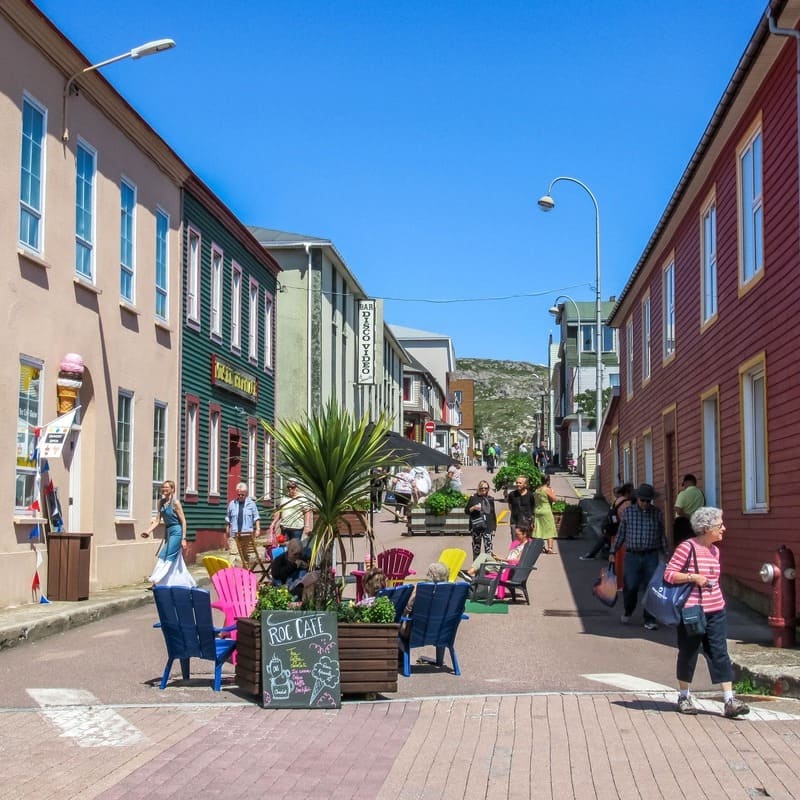
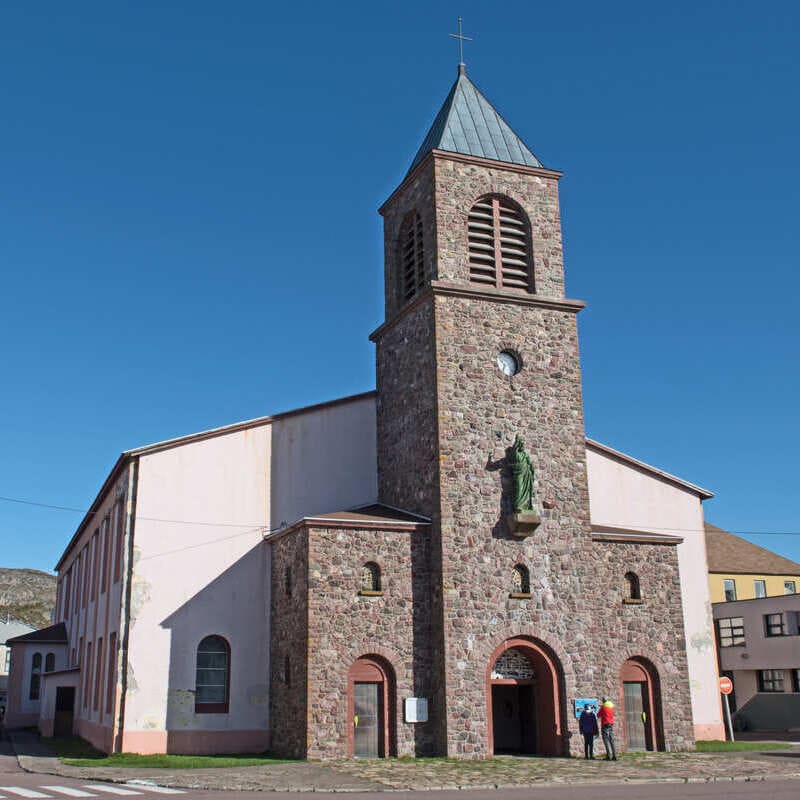
It also concentrates a majority of the archipelago’s cultural sights, including the Heritage Museum, and the stone-belfry Cathédrale Saint-Pierre de Saint-Pierre. I know, the French aren’t really known for their creativity as far as naming things go
Over in Miquelon, La Dune―the skinny isthmus linking both ends of the landmass―is an underrated summer getaway for wild beaches and Atlantic views, and Miquelon village is a quaint fishing settlement home to friendly locals, family-run bistrots with a French vibe, and colorful bungalows and gardens that seem to embody the spirit of these islands.
Oh, let’s not forget the iconic lighthouse at Cap Whittle, on the ‘Langlade’ side of Miquelon: perched on dramatic cliffs overlooking the ocean, and at over 140 years old, it’s one of the most scenic lighthouses in the entire Americas―and in France, of course.
The Vibe: a slice of France off the coast of Canada.
Perfect For: long walks along the seafront, wild Atlantic beaches and slow-paced island life
The ‘Don’t Miss’ Experiences:
- Saint-Pierre Town: the archipelago’s capital and its main cultural destination
- La Dune: the sandy isthmus connecting both sides of Miquelon Island
Albi
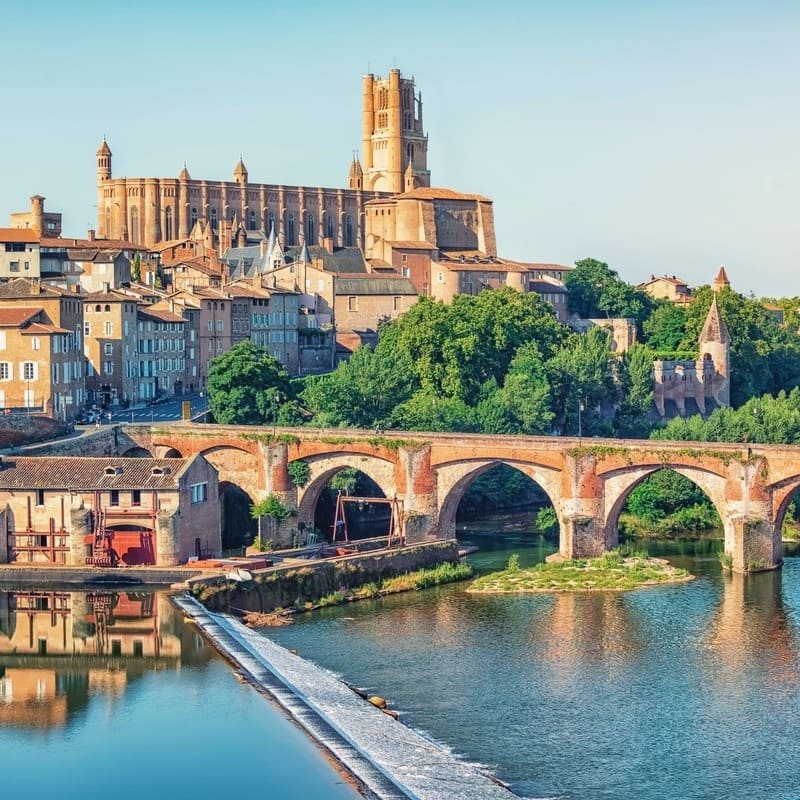
A €5, 1-hour train ride from Toulouse, France’s Ville Rose, Albi is that Ville Rouge you didn’t even know you desperately needed visiting until now. Trust me, I didn’t know myself until I happened upon it almost by accident while road-tripping in the Southwest.
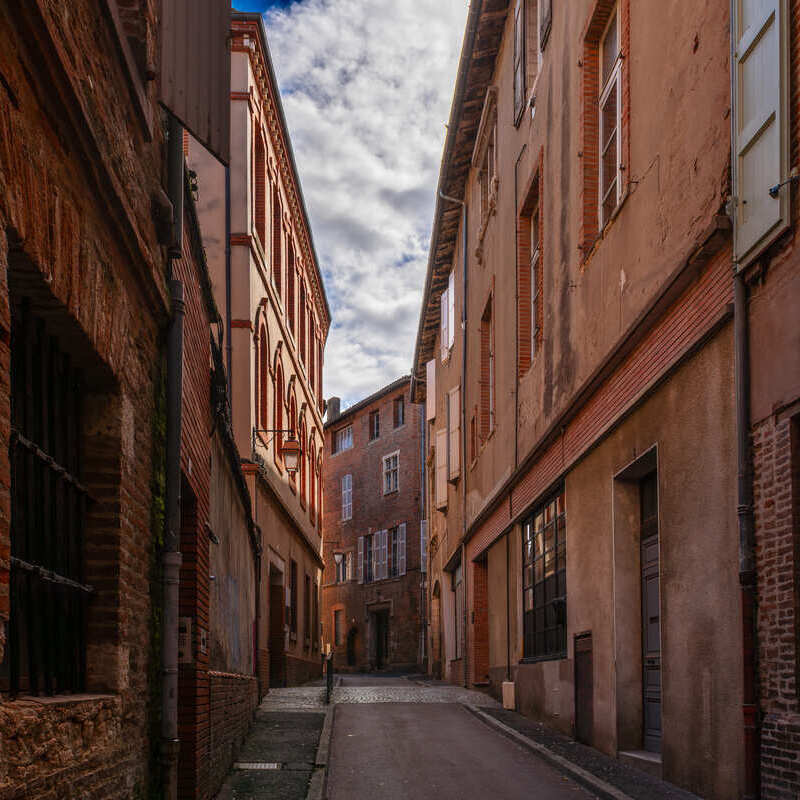
Despite the deceptive name, Albi is anything but white: the buildings that make up its timeless medieval core are in fact reddish in color, due to the local clay-reinforced brick used during construction. All around town, it’s rows upon rows of pink, orange, and ocher façades you get.
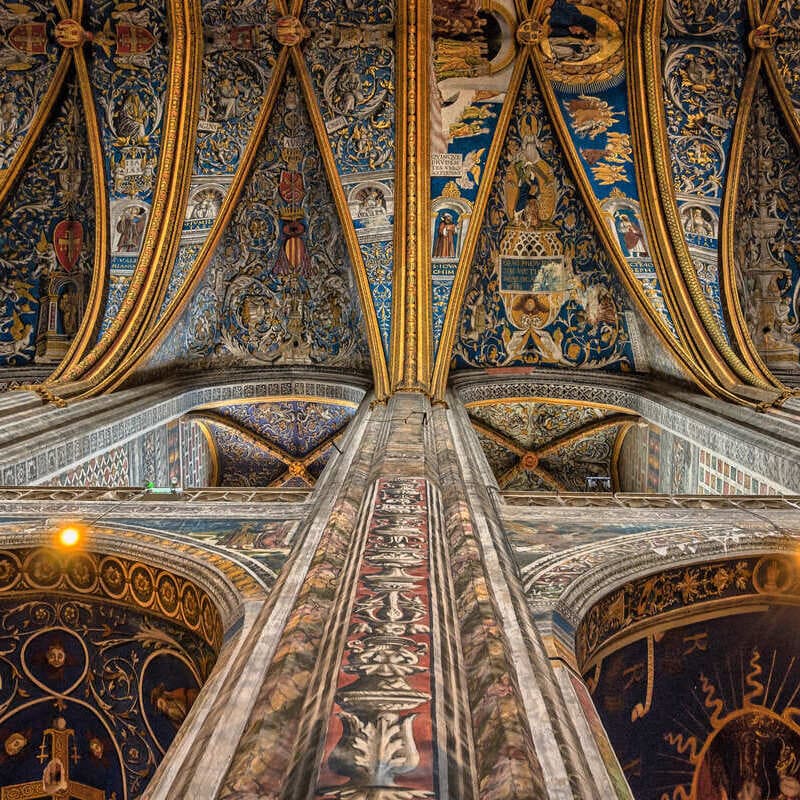
French cathedrals are nothing short of majestic, with their sculpture-decorated fronts, tall spires, and haunting interiors, but they do follow a similar pattern. Not Albi’s.
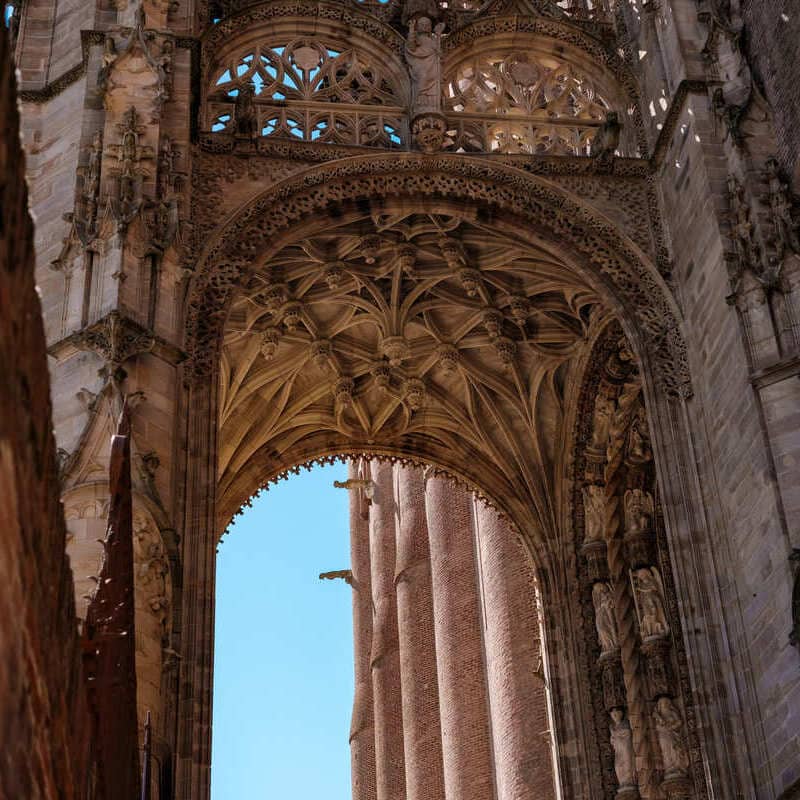
The Cathédrale Sainte-Cécile d’Albi rises above the maze of terracotta roofs in a fortress-like manner, with Gothic walls so thick and imposing the casual onlooker could easily mistake it for a castle, and a solitary main tower complete with arches, ornate niches, and intricate brick patterns.
Oh, and evidently, it’s an earthy red in color, and the interior?
Something I can only describe as celestial.
The cathedral definitely steals the show here, but you shouldn’t miss out on Palais de la Berbie, a former Bishop’s Palace right beside, home to the Toulouse-Lautrec Museum. Listen, I’m all museum’d-out myself at this point, but if you love medieval art, this one’s a must-see.
Within the castle complex, the Jardin de la Berbie is a peaceful expanse of green where locals go for picnics and walks, and for the typical French brasserie experience, hit up Pacha Mama on Place du Vigan, the main square in the heart of it all:
Top spot for drinking a verre and watching folks try to dodge the shooting jets of the dancing fountain.
Oh, and a little Instagrammer secret for you: the best lookout in all of Albi is the Tarn Riverwalk, outside the Old Town. From this riverfront promenade, you get amazing views of the city, its Pont Vieux, a medieval bridge spanning the Tarn river, and the soaring cathedral.
The Vibe: red-colored medieval city unlike anything you’ve ever seen.
Perfect For: taking in France’s ancient heritage without the buzz of the Instagrammer crowds.
The ‘Don’t Miss’ Experiences:
- Cathédrale Sainte-Cécile d’Albi: the city’s striking clay-colored Gothic gem of a cathedral.
- La Vieille Ville: Albi’s timeless Old Town, crisscrossed by narrow alleys and dotted with reddish buildings.
Avignon


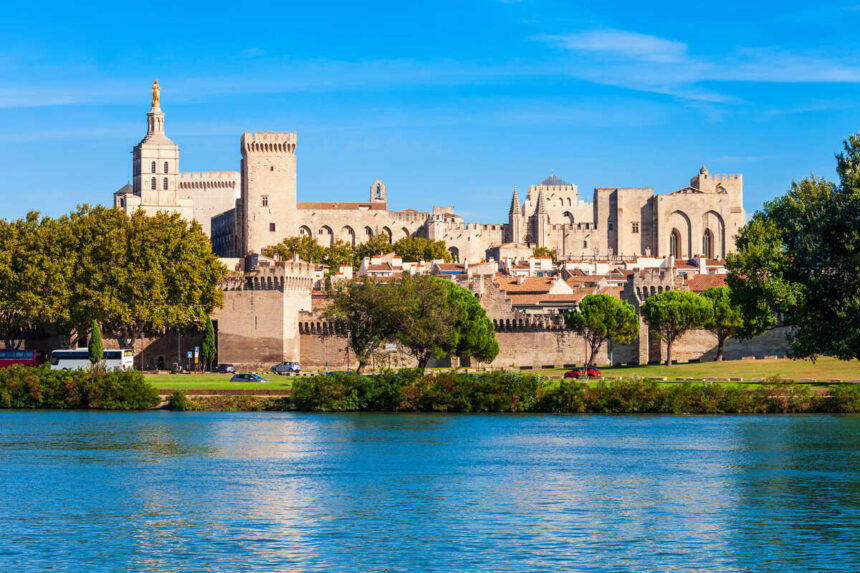
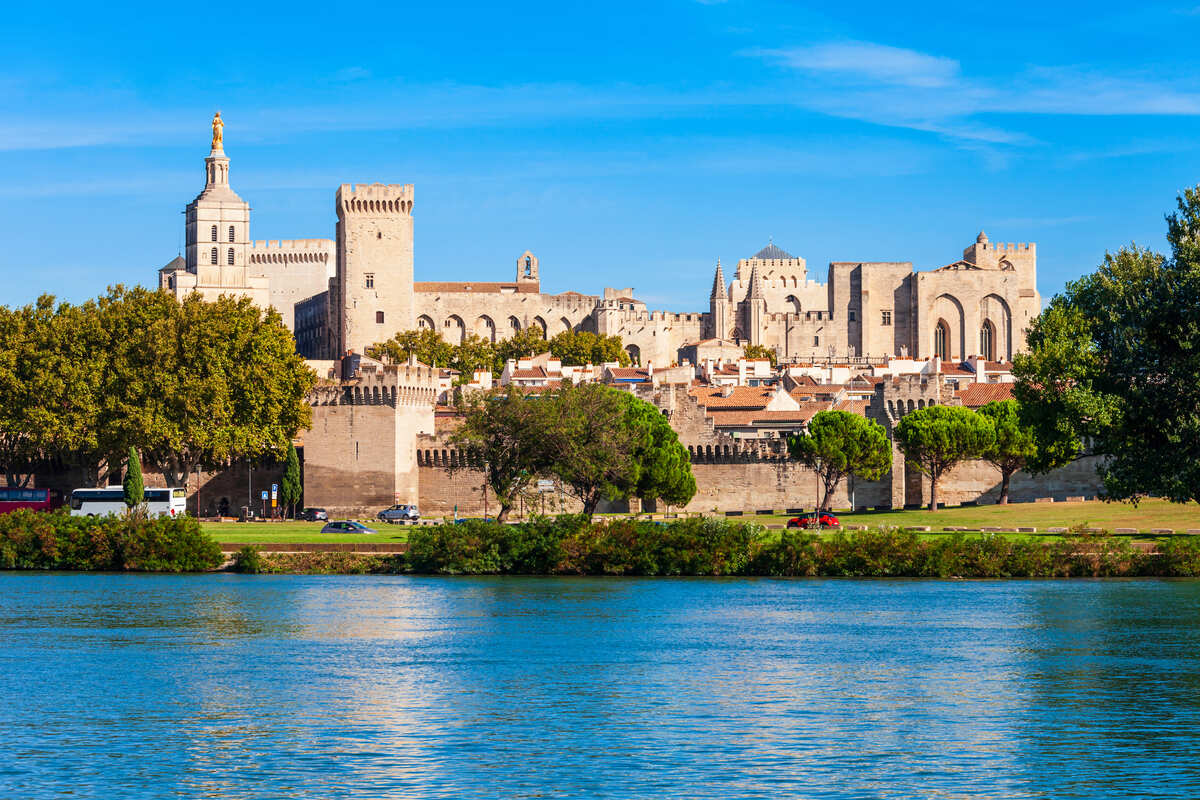
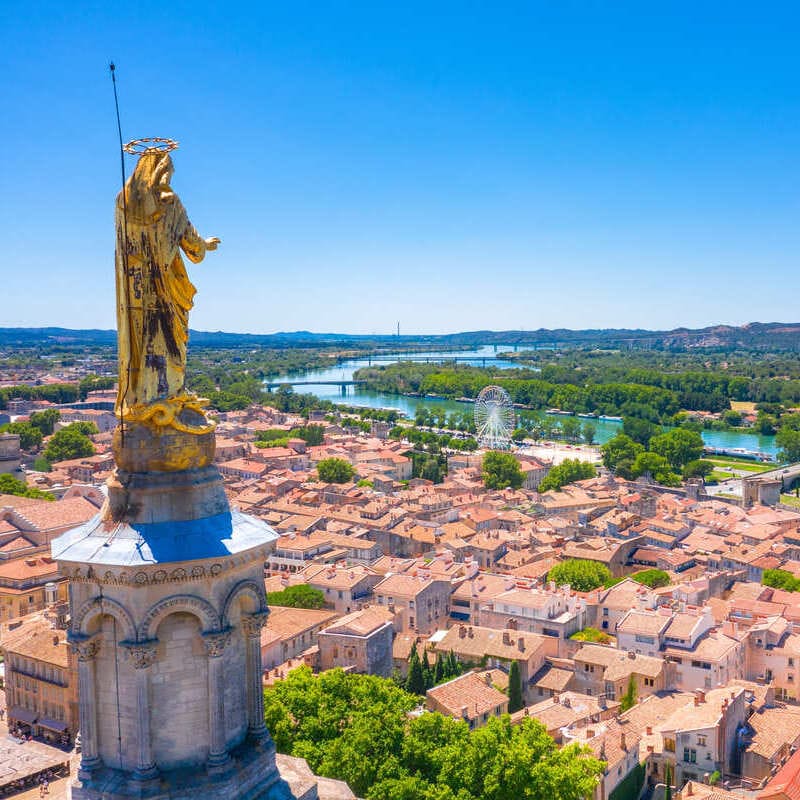
One of the most historically charged cities in France, Avignon is a medieval treasure on the banks of the Rhône, dominated by a mahoosive palace, whose claim to fame is traced back to the legendary Avignon Papacy.
For my fellow geeks out there, you might recognize it as the period when the capital of the Roman Catholic Church was, in fact, based here, in this fortified town in the South of France. In other words, the Pope ruled from here, not Rome, for a significant period of time.
How long, you may ask?
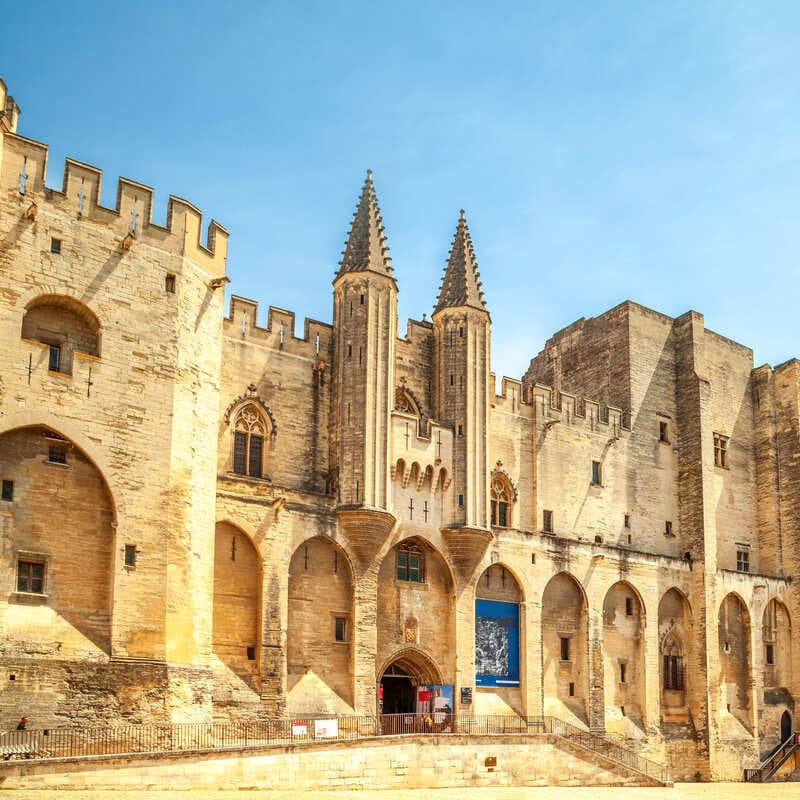
The Avignon Papacy lasted around 70 years, during the long, turbulent 14th century, but Avignon’s prestige as a religious capital lingers on to this day, primarily due to the imposing Palais des Papes, or Palace of the Popes.
In case the pictures aren’t indication enough, this sits among the largest medieval castles in all of Europe.
As you walk through its column-supported chambers, explore the vaulted ceilings of the solemn chapels, and stroll along the ramparts, you’ll quickly understand why Popes felt safer here in this multi-layered citadel than in their volatile homeland.
As for Avignon itself, it’s one of the most pleasant medieval cores you’ll ever wander through:
Picture cobbled lanes, leafy squares bordered by traditional eateries, slender stone buildings with the classic, shuttered Mediterranean windows, and a lovely riverfront dominated by Pont Saint-Bénézet, an 850-year-old arch bridge, of which only 4 of the original 22 remain.
Somehow, it looks even more striking with its remaining stretch, spanning about a fifth of the Rhône, than it would have if the bridge had survived in full.
Incredible history aside, for something unmistakably Provençale, add Le Carré du Palais to your restaurant list: their beef cheek braised in Rhône red wine is nothing short of the French equivalent of perfection.
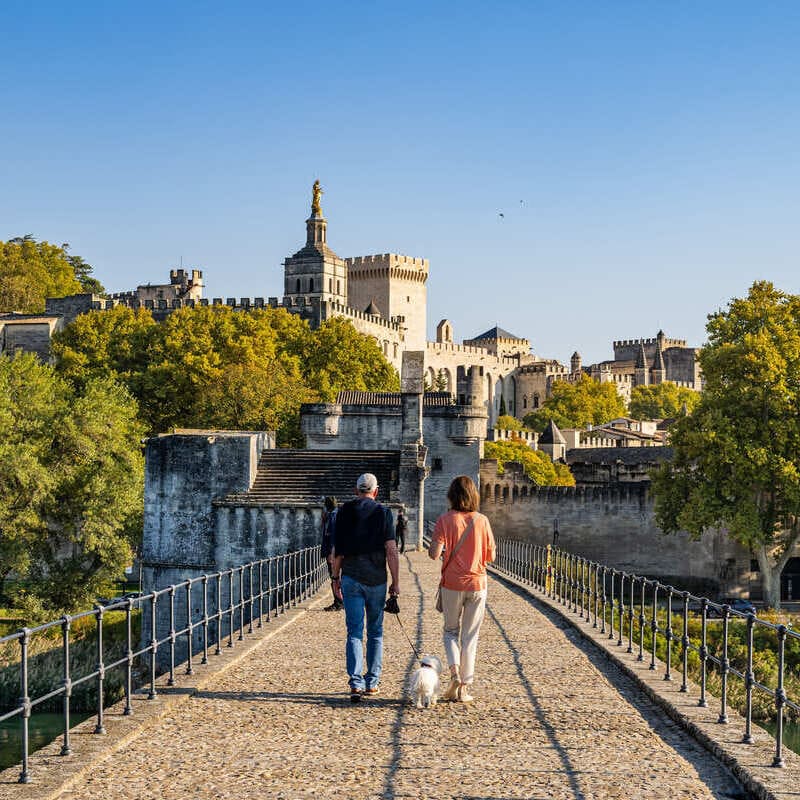
The Vibe: fortified riverside city rich in Roman and Papal heritage.
Perfect For: deep dives into French history and medieval sightseeing.
The ‘Don’t Miss’ Experiences:
- Palais de Papes: a UNESCO-protected Papal palace perfectly-preserved from the Middle Ages.
- Pont Saint-Bénézet: the remaining stub of a once-monumental bridge crossing the Rhône River.
Île de Ré
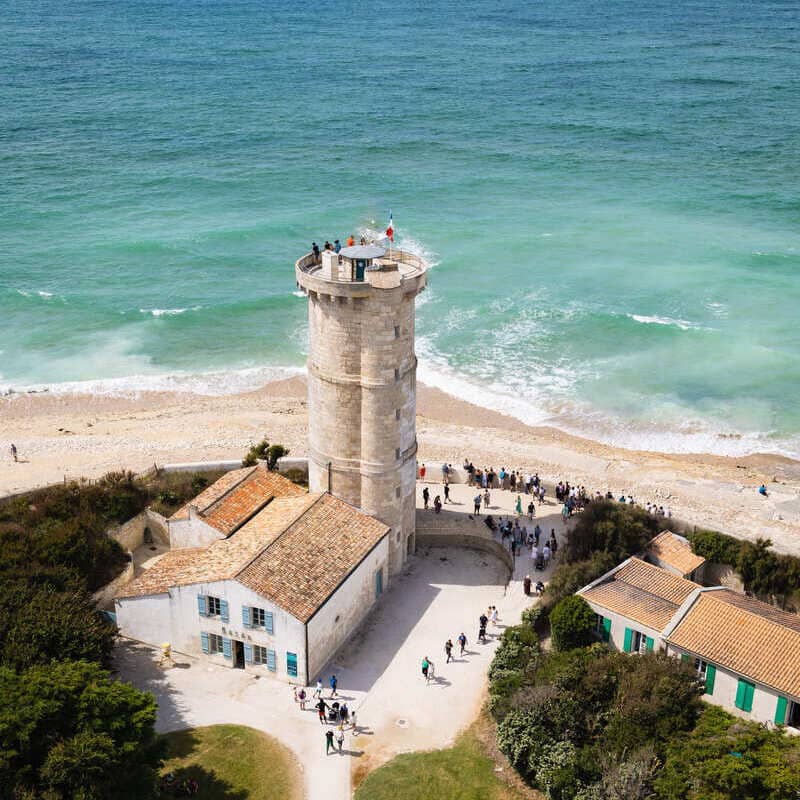
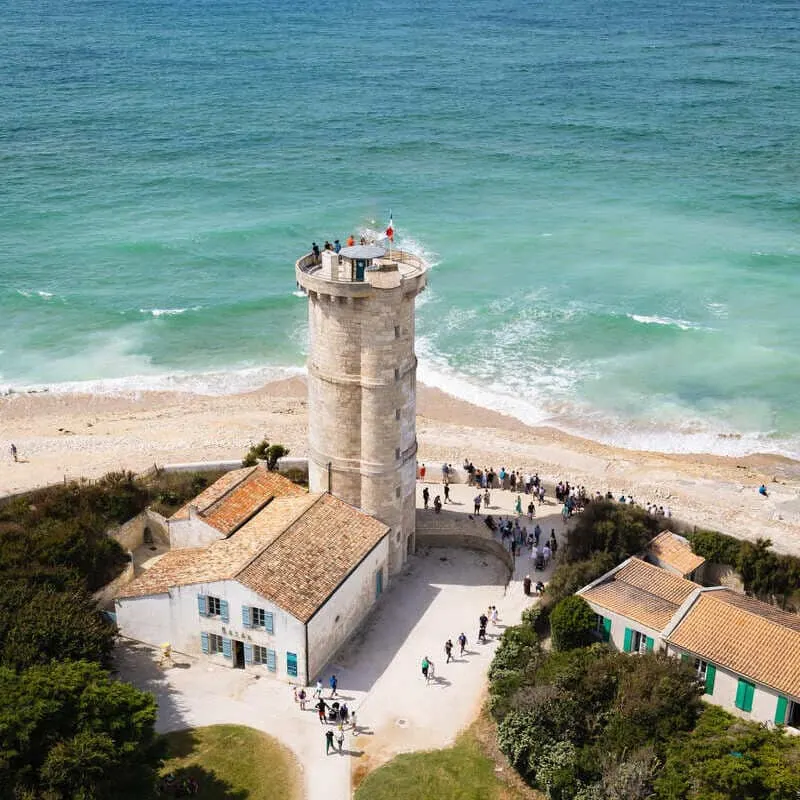
A small island off the west coast of France, Île de Ré is the best-kept secret of every Frenchman who looks down on Americans who go to Saint-Tropez in summer because they don’t know any better.
Out with the gross French tacos and kebab stalls, in with oceanfront pubs that have been in the family for generations, authentic fishing villages where people actually live in year-round, English simply ain’t spoken, and historic forts overlooking picturesque marinas.
There’s so much to see and do around Ré I could probably write a whole book on it―particularly on the many bicycle paths criss-crossing the island’s lush fields―but the charming capital St-Martin-de-Ré is a good-enough place to start.
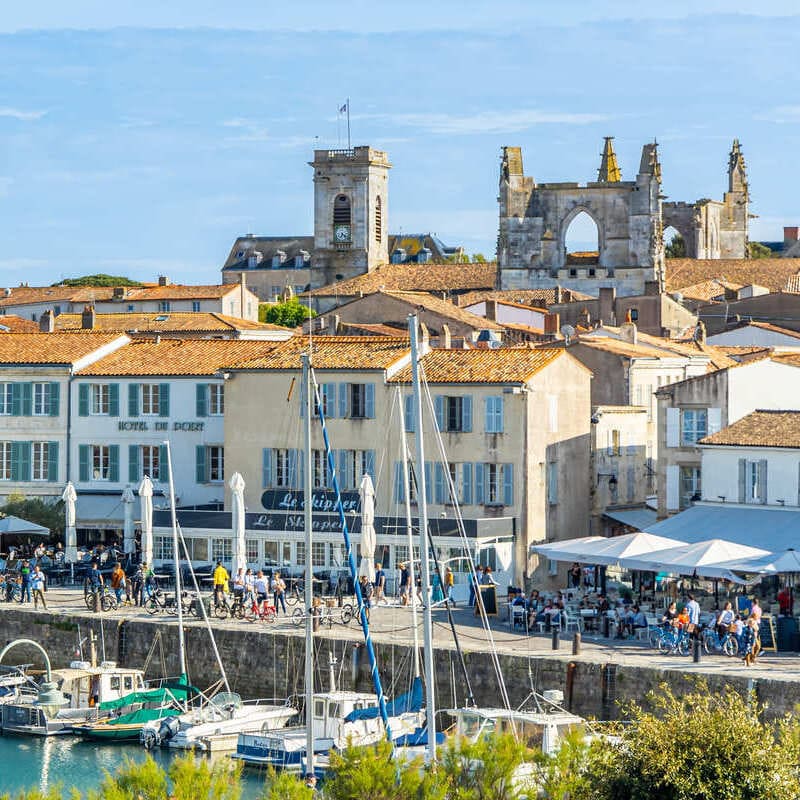
It’s the home of the UNESCO-listed Fortifications of Vauban, a 17th-century star-shaped citadel built in astounding symmetry, towering over a café-lined harbor, and some of the best seafood restaurants in all of France.
I’m thinking of course Auberge paysanne de la mer, where you can get freshly-caught shrimp and Atlantic fish while breathing in the oceanic air; Ben-Hur Char à Huîtres, a no-frills, backgarden-inspired oyster shack known for Atlantic staples and their live music Sundays, and Le Saint Mart’, perfect for that buttery galette bretonne and homemade cider with port views.
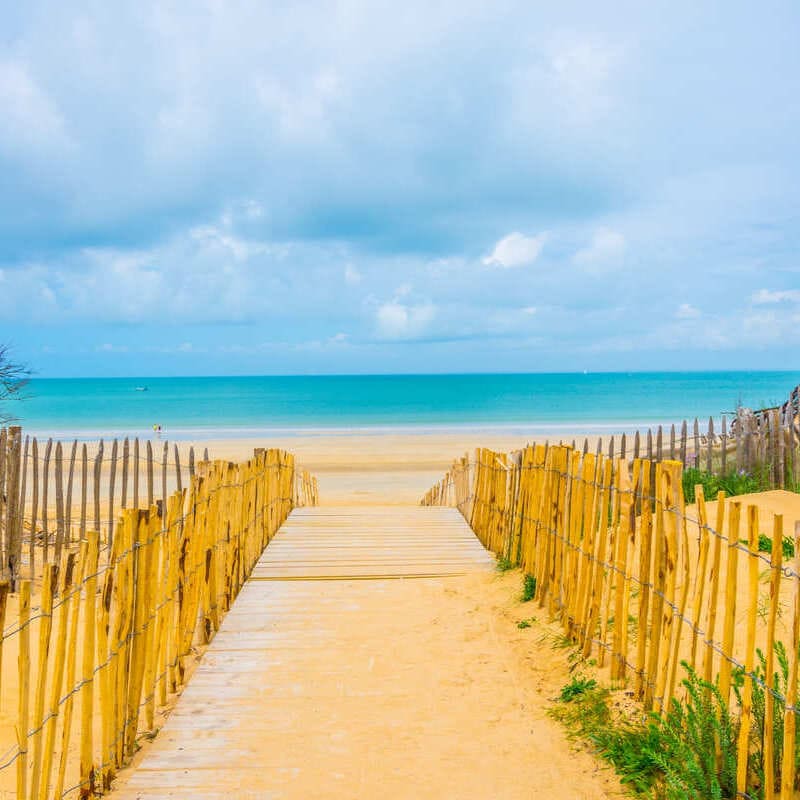
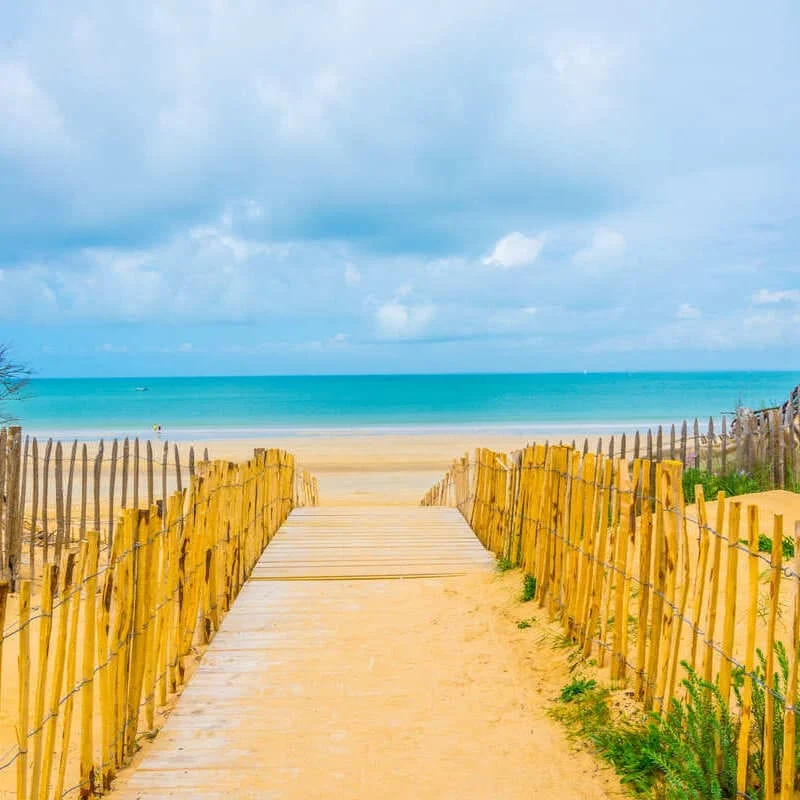
If you’re looking for what to do outside the main town in summer, you can find locals going for swims in the Atlantic on Plage de la Conche des Baleines, a long, wild sandy strip.
The landmark Phare des Baleines, a 257-step historic lighthouse, lies on the western end of the beach.
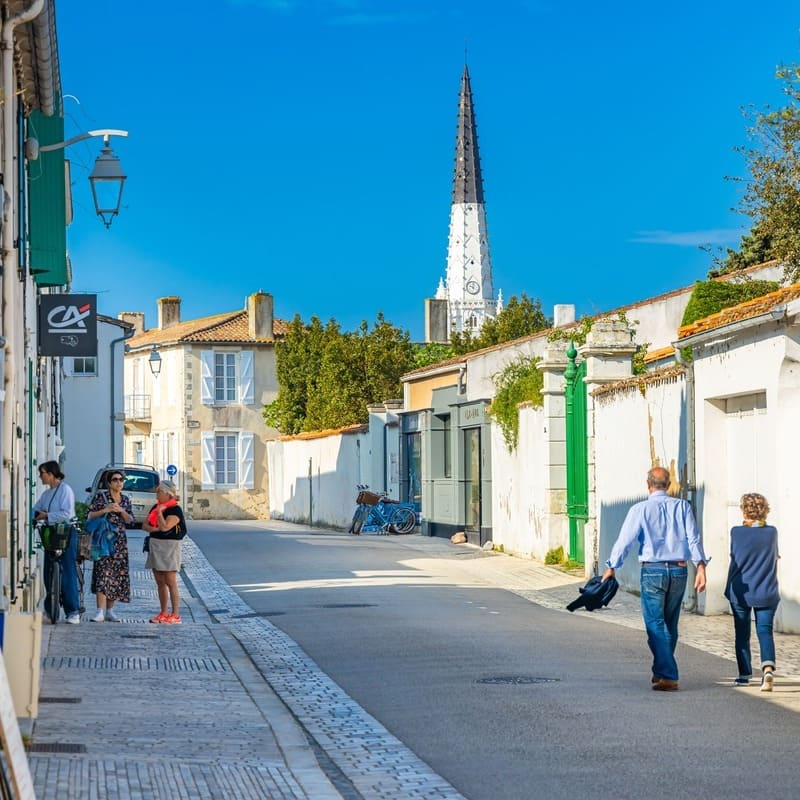
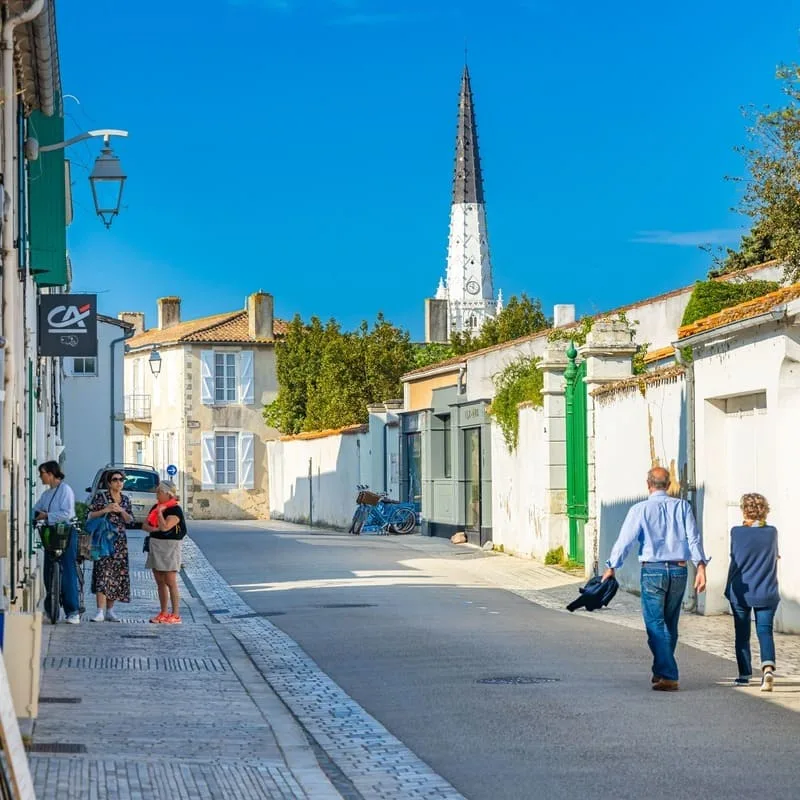
For a little taste of that slow coastal island life, check out Ars-en-Ré, with its fishing docks, salt marshes, white-spire church, and postcard-ready white houses with green shutters.
If I’m honest, I like it even better than Saint-Martin, but maybe that’s because I’m slightly addicted to this unassuming foodie spot called Le Glacier du Port.
Don’t fall for their high-quality Charolais beef burger temptation, or you might be coming back every year.
You’ve been warned.
The Vibe: laid-back French island yet to be discovered by the foreign masses.
Perfect For: beach-hopping, biking from one fishing village to the next, savoring French coastal town.
The ‘Don’t Miss’ Experiences:
- Saint-Martin-de-Ré: the island’s main town, dominated by a star-shaped fortress.
- Plage de la Conche des Baleines: an emblematic beach paved with soft, golden sands, and backed by a historic lighthouse.

Subscribe To Our Latest Posts
Enter your email address to subscribe to Travel Off Path’s latest breaking travel news, straight to your inbox.