Summary created by Smart Answers AI
In summary:
- Tech Advisor highlights that Samsung’s Galaxy S26 Ultra may stick with the same 5000mAh lithium-ion battery used since 2020, missing crucial battery innovation.
- Competitors like OnePlus and Oppo now offer 7300-7500mAh silicon-carbon batteries that provide longer life and faster charging without added bulk.
- Samsung’s reluctance to adopt silicon-carbon technology could leave the S26 Ultra significantly disadvantaged against rivals with superior battery performance.
Samsung delivers a new Galaxy S Ultra every year, and each time, the model gets tweaks such as a sharper camera, a brighter display, and a more powerful chip. But the one area that desperately needs an upgrade is ignored each time – and that’s the battery.
Since the Galaxy S20 Ultra in 2020, Samsung has shipped the same 5000mAh battery for all its Galaxy S Ultra devices – with no upgrade in sight.
And from the look of things, that isn’t about to change any time soon. Reports suggest that the upcoming Galaxy S26 Ultra that’ll be announced on 25 February will follow the trend, maintaining the same 5,000 mAh level or getting a slight bump at best to around 5,400 mAh.
That’s nothing close to the leap we’d like to see, considering that other brands offer 6,000-8,000mAh batteries.
Foundry | Alex Walker-Todd
While Samsung and Apple have maintained their battery status quo, other competitors are quietly taking the spotlight in the area they’ve chosen to ignore.
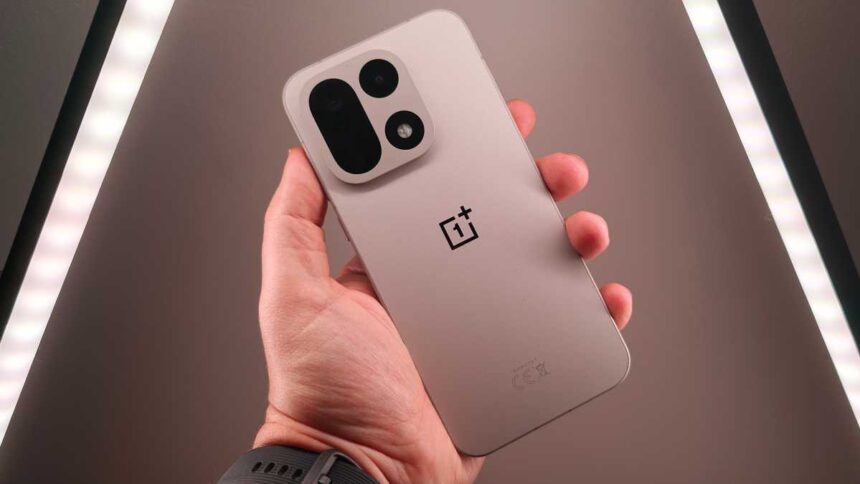
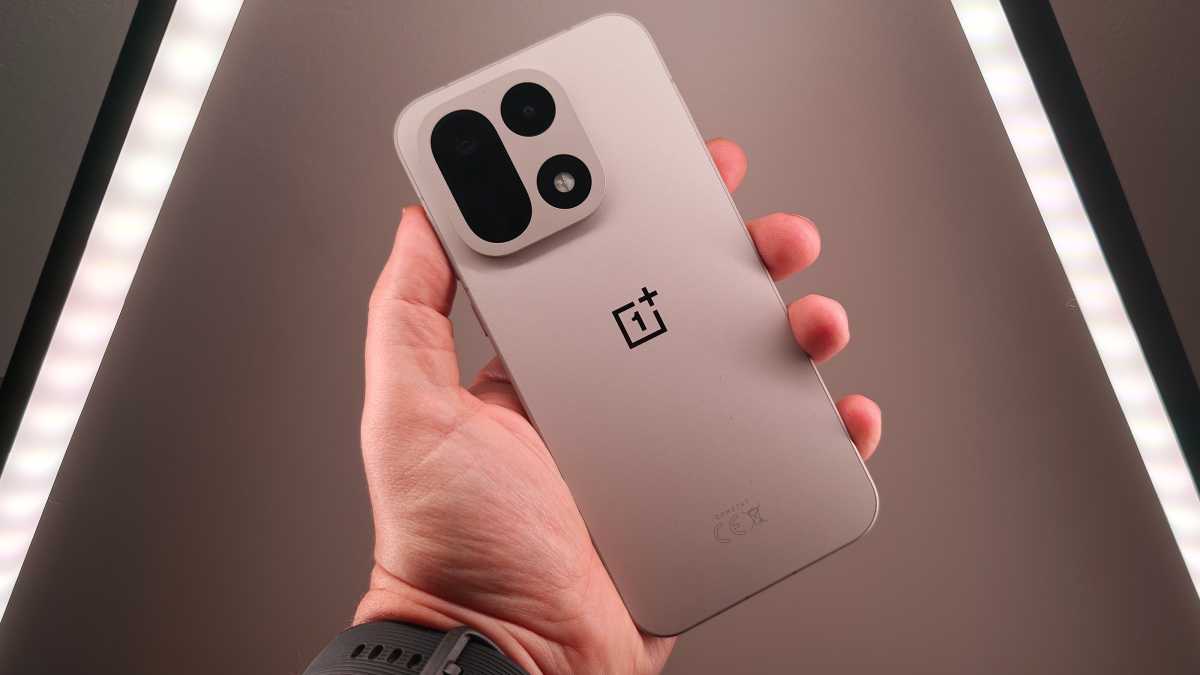
The recent OnePlus 15 offers a massive 7,300 mAh battery and the Oppo Find X9 Pro packs a huge 7,500 mAh battery. While Samsung has chosen to go with older battery models, companies such as Oppo and OnePlus have adopted newer battery technology such as silicon-carbon cells that deliver more power without taking up more space.
The lithium-ion battery issue
How exactly can Oppo and OnePlus phones have larger-capacity batteries without turning their phones into huge slabs? It’s all in the battery chemistry. Unlike these rivals, Samsung still relies on conventional lithium-ion cells for its flagship phones.
It’s all in the battery chemistry
But its competitors have experimented with silicon-carbon batteries, which replace part of the graphite in the anode with silicon. As silicon stores more power than lithium, the cell can pack a bigger power capacity without occupying more space.

Luke Baker
It doesn’t just look good on paper; it feels that way in real life too. A silicon-carbon battery of the same size as a lithium-ion cell means longer battery life and faster charging. It means a full day or longer of watching movies and surfing the web on a single charge.
In 2026, Android phones shouldn’t only be about superficial changes
Samsung’s reason for sticking to the lithium-ion battery could be that silicon expands more during charging, which can cause swelling and reduce battery life. Even then, silicon-carbon batteries last longer than lithium-ion, and other companies already use them, so it’s not exactly risky tech.
For Samsung fans, the report of the coming S26 Ultra arriving without any significant battery upgrade is definitely bad news. In 2026, Android phones shouldn’t only be about superficial changes that don’t mean much in the long run. They should include upgrades in areas that matter.
Faster chips and better cameras are nice, but having a phone that can last all day on a single charge makes a huge difference to users. The only thing that moves Samsung is competition and eventually, the brand may be forced to adopt silicon-carbon batteries in its future designs to really boost its sales. Until then, we just have to make do with the 5,000mAh batteries and the minor bumps they’ll get over time, just like with the S26 Ultra.
Want to find the right phone for you with the longest battery life possible? Check out our round-up of the best battery life phones we’ve tested.